Three Days Around San'in After the Azure Travelers Hiroshima Trip
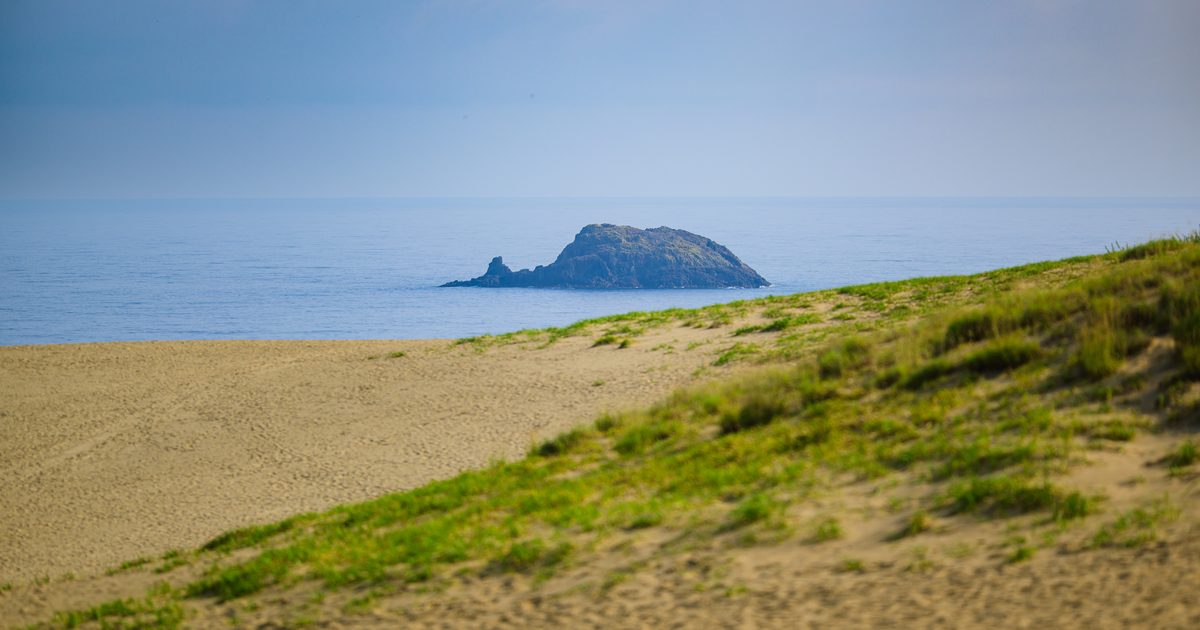
After wrapping up the Azure Travelers Hiroshima trip, I kept driving and set off through the San’in region.
I visited a place tied to my ancestors, stepped into the world of mythology, explored castles, and walked through towns shaped by anime. Before I knew it, I’d driven more than 1,000 km. It had been a while since I’d driven so far, walked so much, or taken so many photos on one trip.
Here’s a quick look back at the three days from August 3 through 5.
Table of Contents
- August 3: From Shimane to Tottori
- August 4: Back and Forth Between Tottori and Shimane
- August 5: From Nakaumi to Onomichi, Then Hiroshima
- Looking Back
August 3: From Shimane to Tottori
Misato Town
My first stop was Misato Town in Shimane Prefecture.
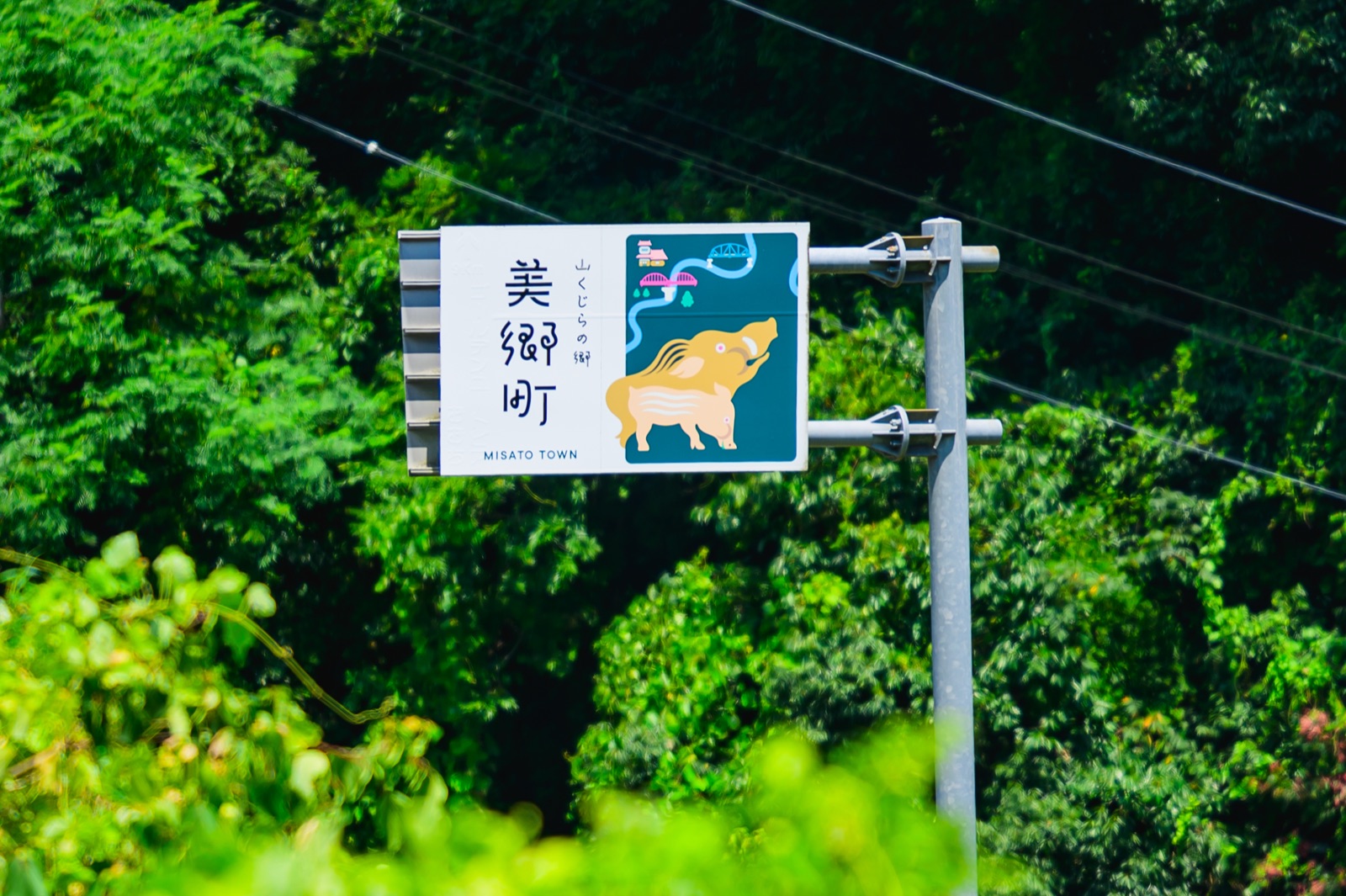
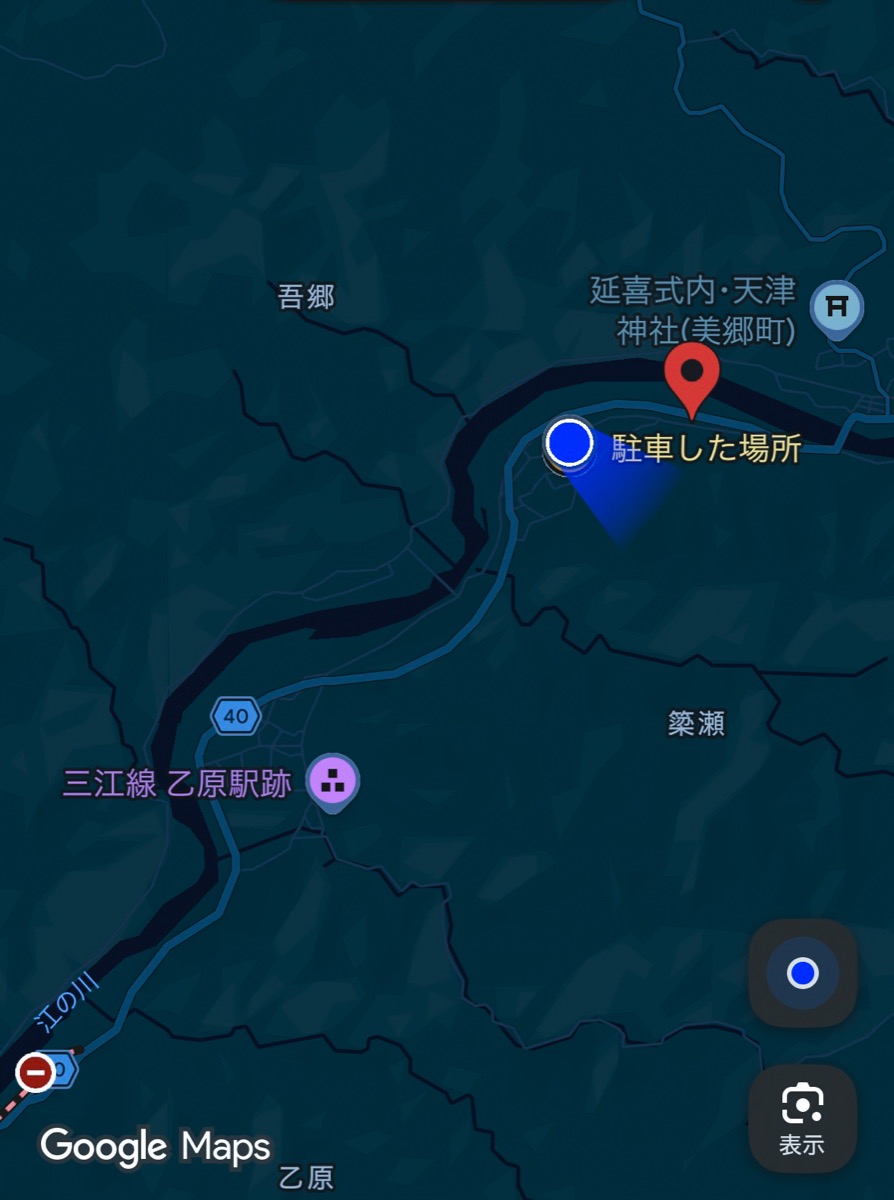
This area was once Ago Village. After several municipal mergers, it became part of present-day Misato Town. I’d heard that the Ago family’s main branch is based there. A place connected to my own surname was something I wanted to see at least once. That’s what brought me here.
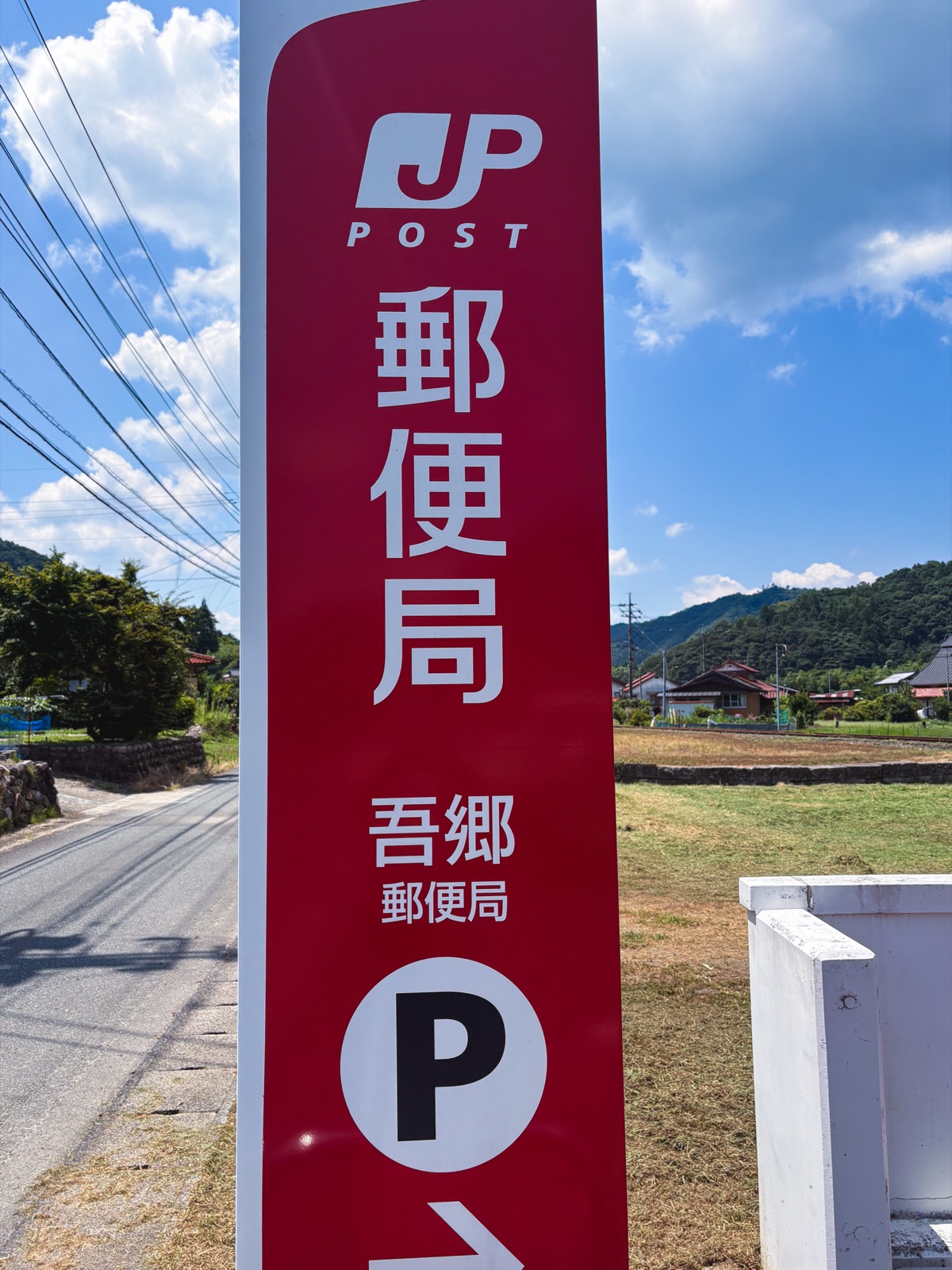
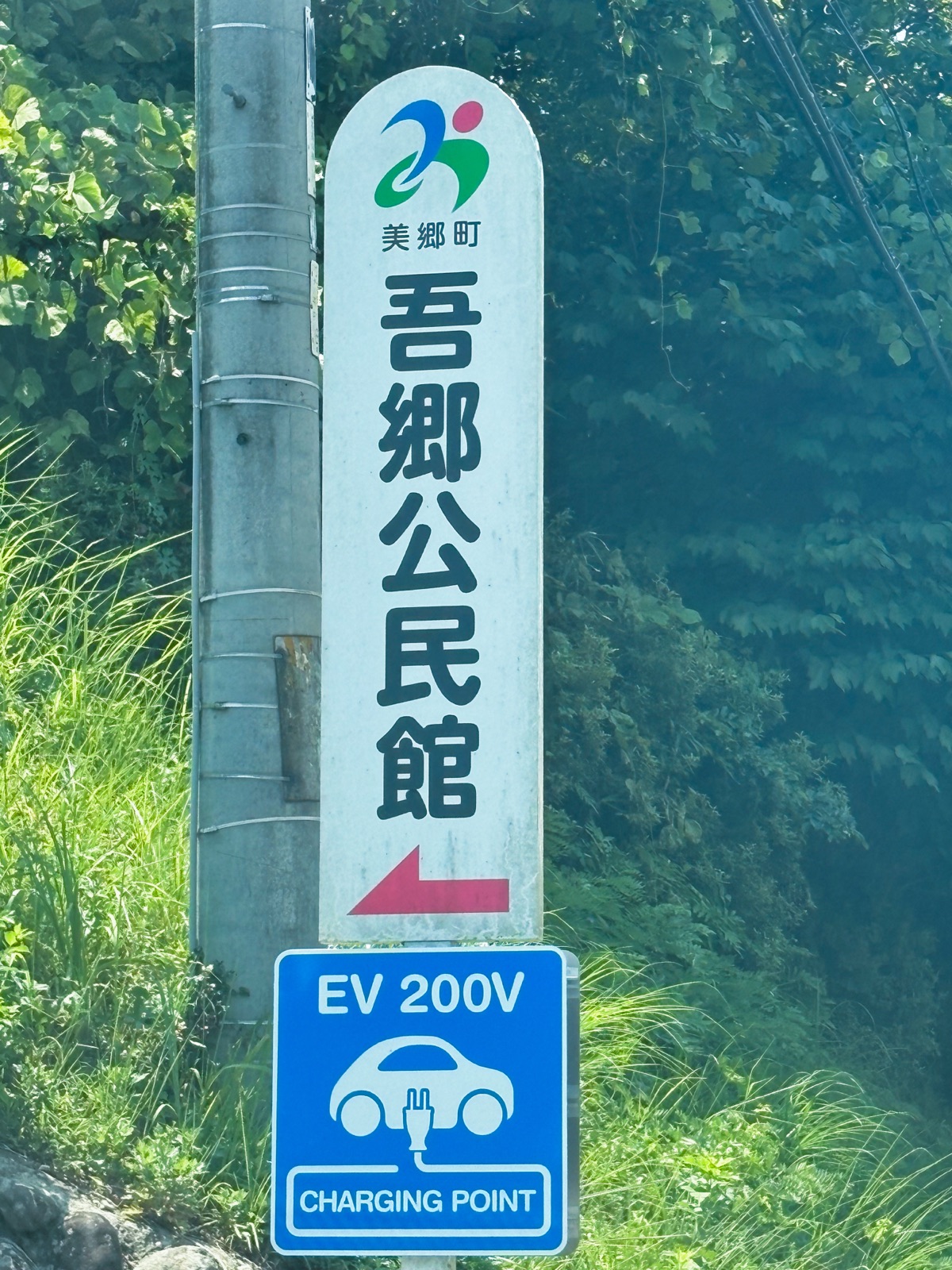
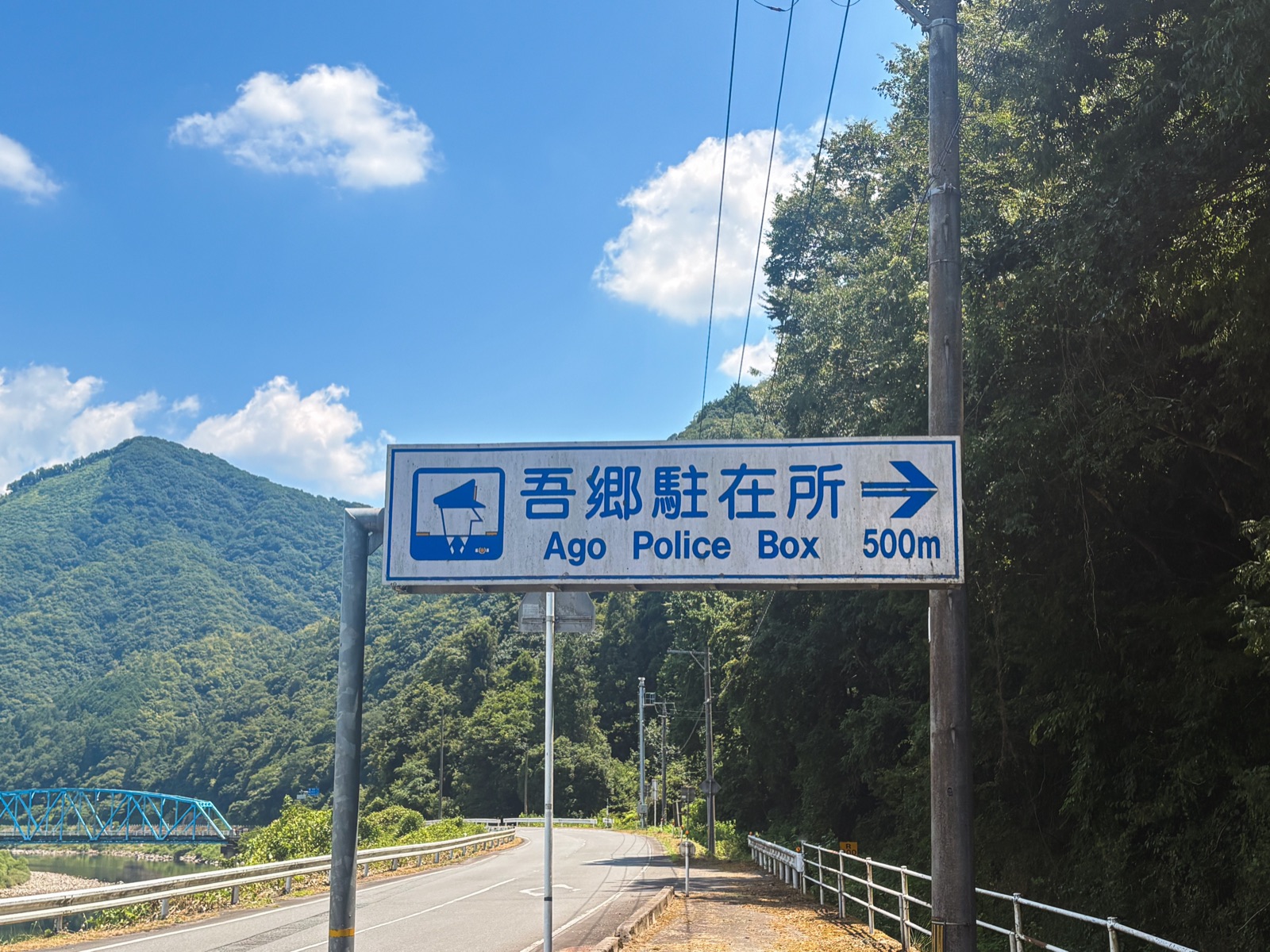
As I drove through town, my surname, “Ago,” kept appearing: Ago Post Office, Ago Police Box, and Ago Community Center. I’d never been there before, yet something about it felt familiar. This wasn’t like visiting an ordinary tourist attraction. Actually standing on land where my ancestors might once have lived stirred up a strange, deeply personal feeling.
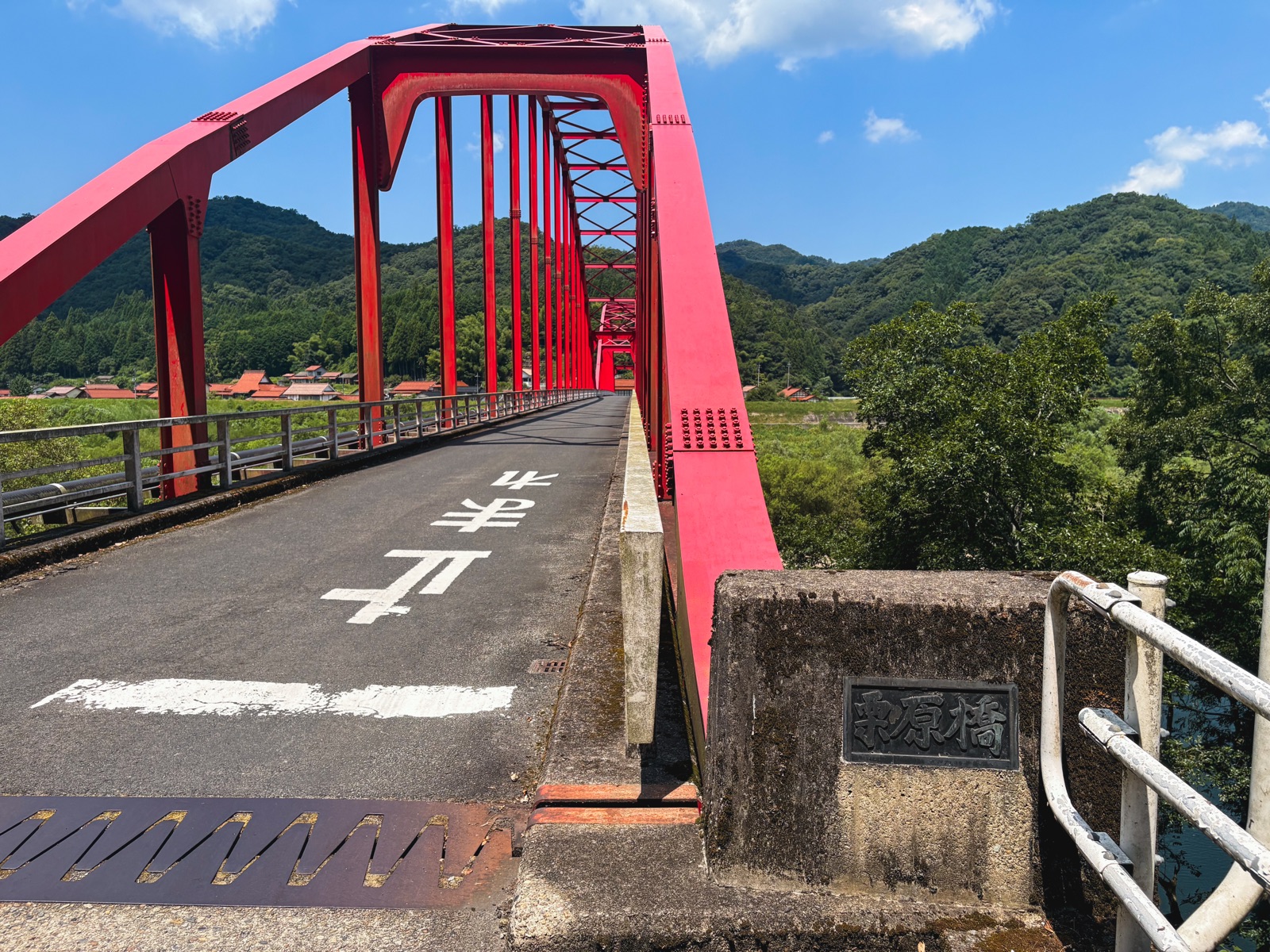
Cross Kurihara Bridge and you’re in the Ago area. My father once told me, “When I was little, I used to swim and play in the Gonokawa River.” When I finally saw it for myself, the river really was right there. I couldn’t help thinking, “Of course you went swimming here.” A story I’d heard years ago had suddenly connected with the landscape in front of me.
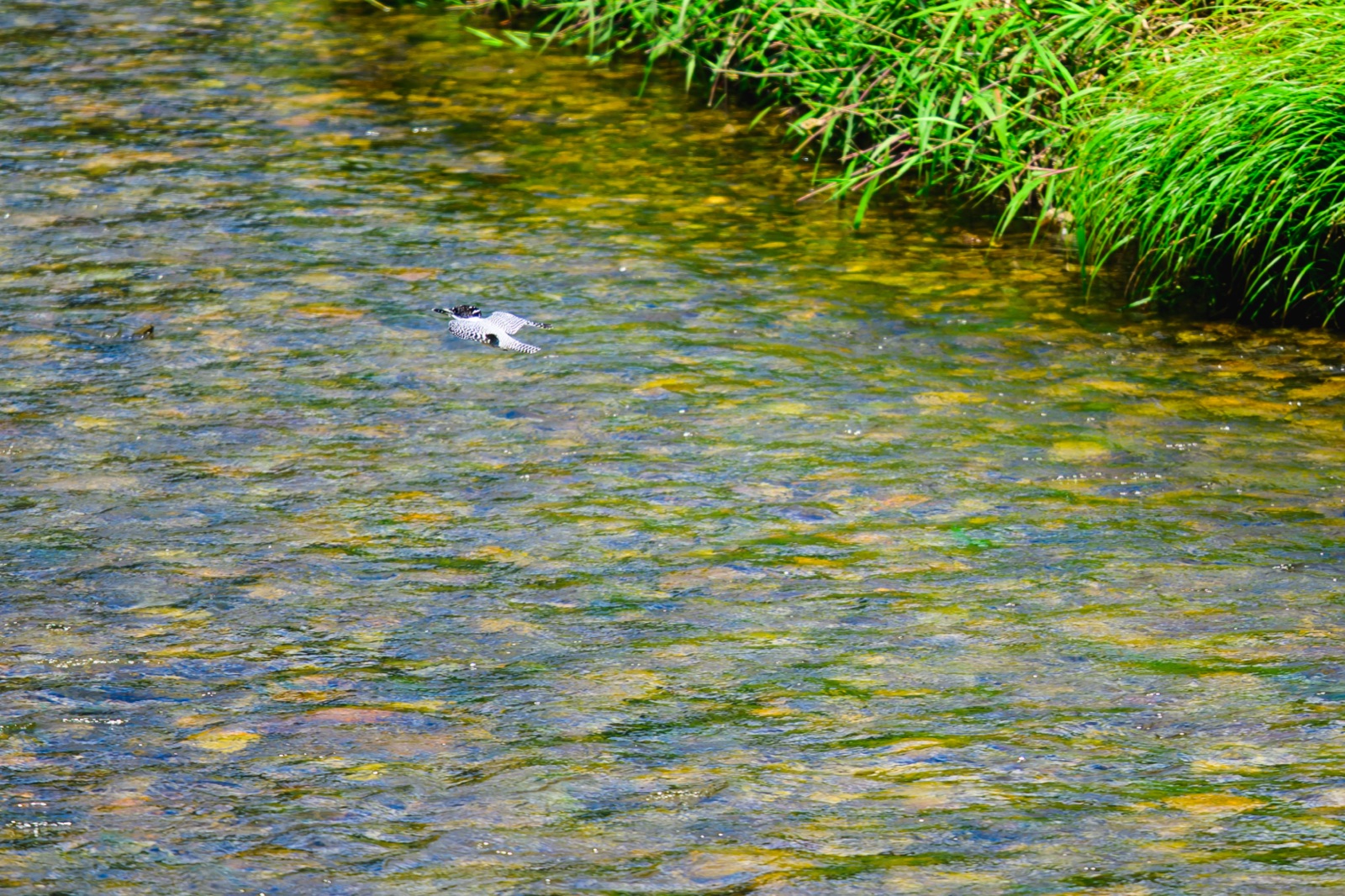
On the way from Misato Town to Izumo City, I also spotted a crested kingfisher by the river. The clear water and dense greenery made the area’s natural beauty impossible to miss.
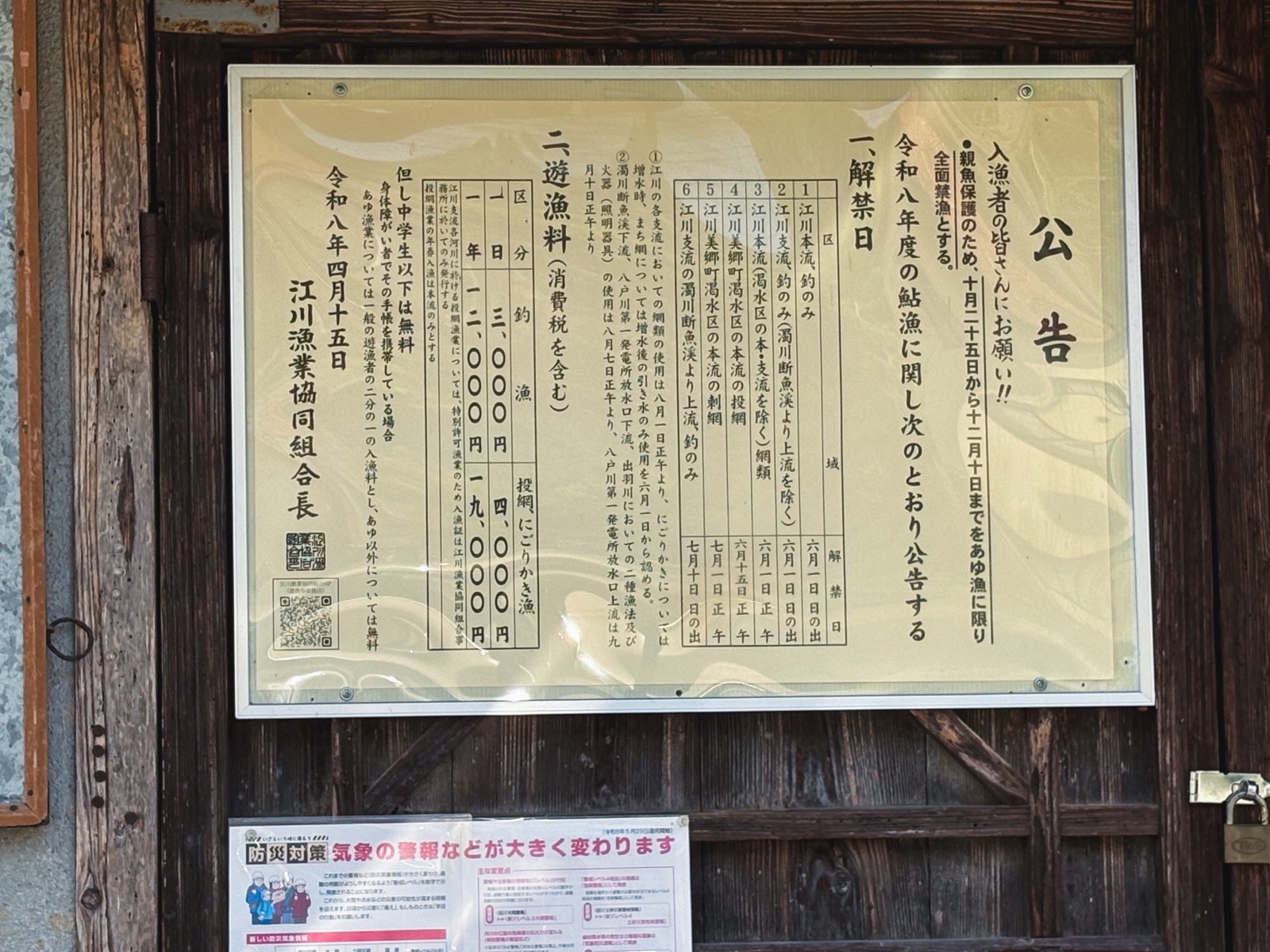
Before entering Misato Town, I’d also stopped at Dangyokei Gorge, an unusual landscape where the river flows between rock formations. Apparently, people catch ayu sweetfish around here too. Come to think of it, I’d seen a public notice about ayu fishing in Ago. Finding a fisheries cooperative in a quiet mountain community surprised me a little because my mind goes straight to the sea when I think of fishing. But with the Gonokawa River so close, it must be an important part of everyday life here.
This turned out to be one of the most personal and meaningful detours of the entire trip.
Izumo Taisha
Next up was Izumo Taisha.
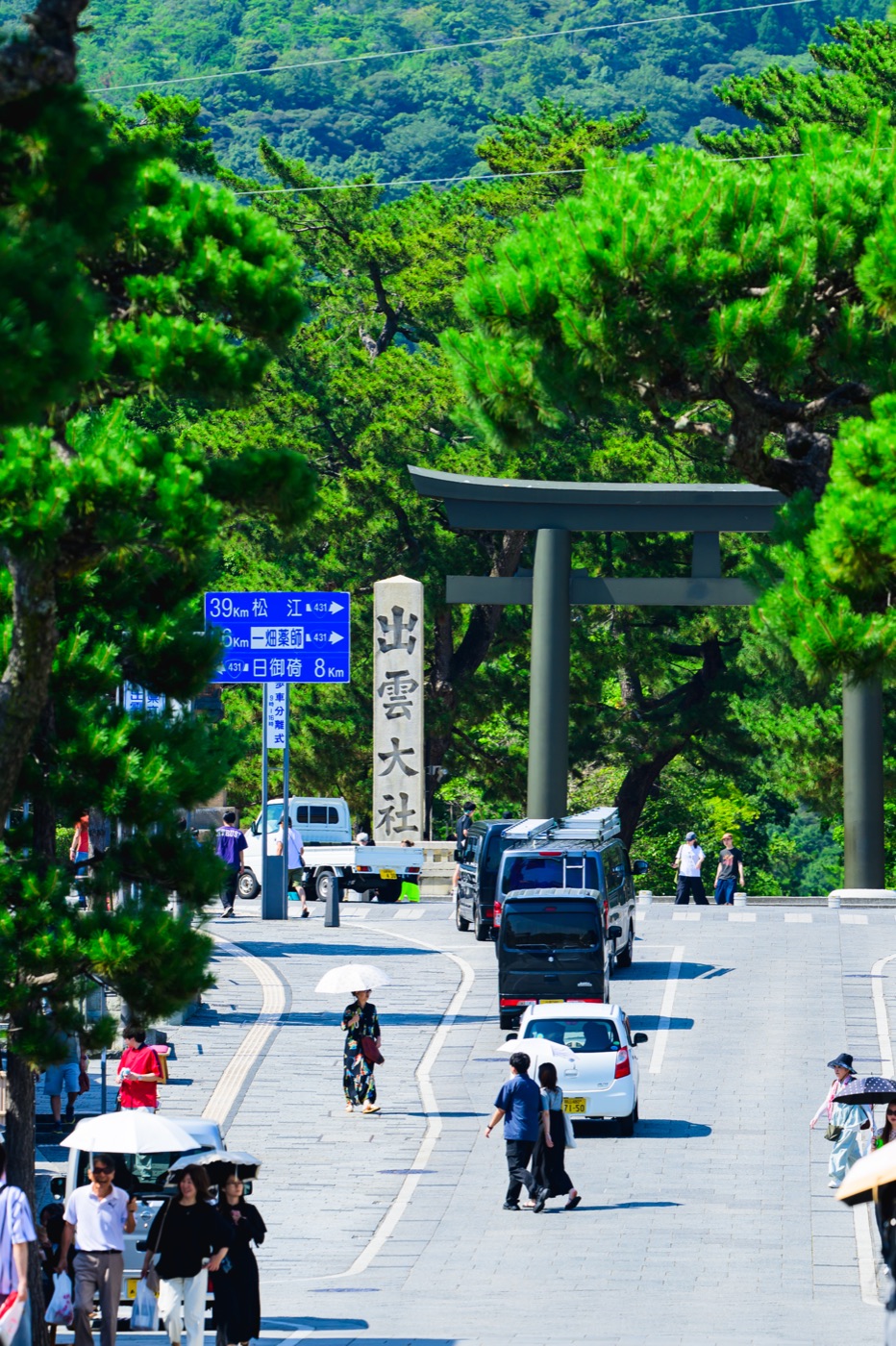
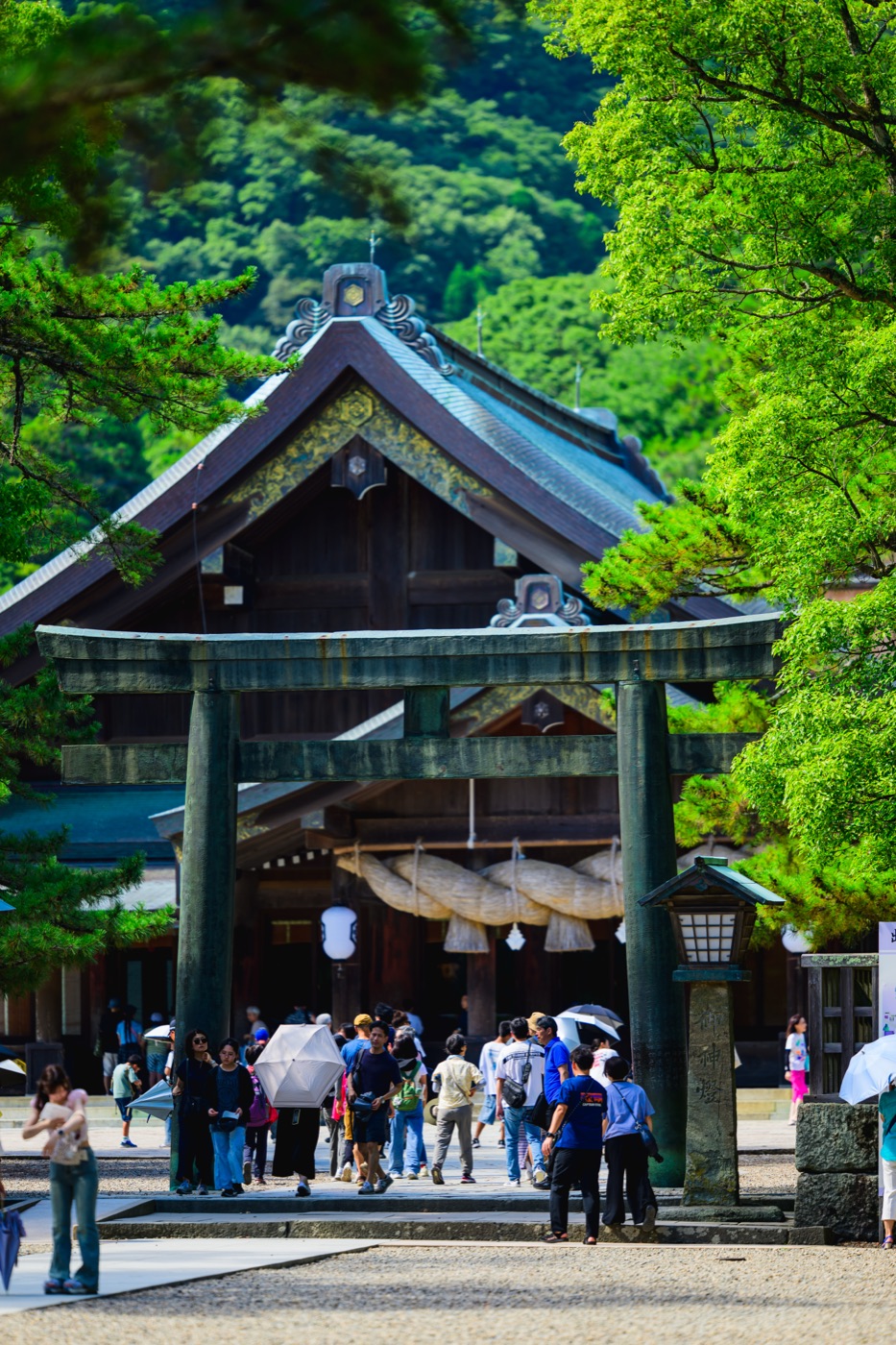
The land of Izumo appears in the Kojiki. As I walked through a place I’d encountered so often in mythology, it slowly sank in that I was really there.
There was something special about both the atmosphere on the shrine grounds and the sheer scale of the buildings. In just the first half of the day, the trip had swung from land tied to my ancestors to the world of mythology.
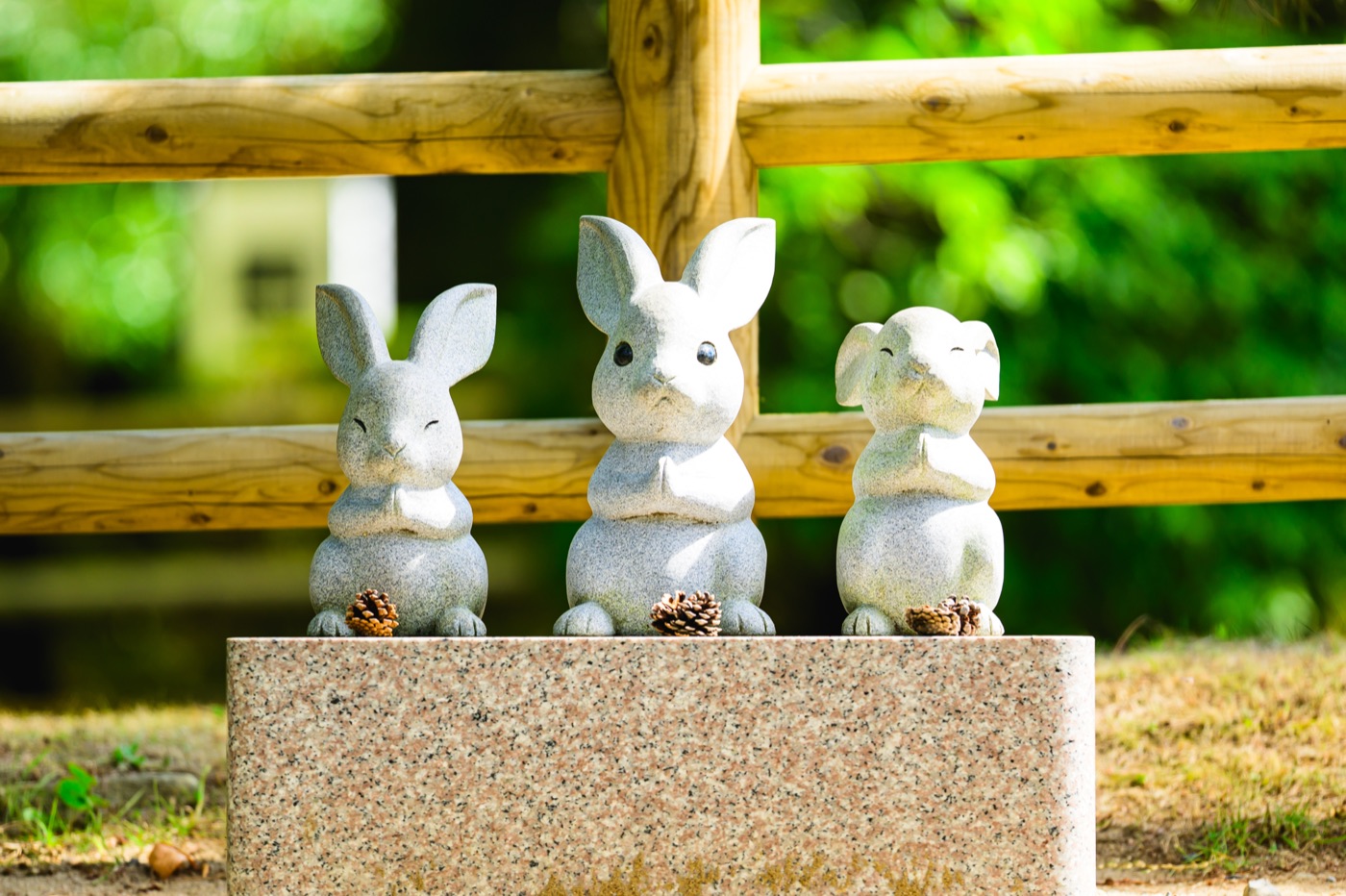
In the Kojiki, the White Hare of Inaba tricks wani, what we would now call sharks, in an attempt to cross from the Oki Islands to Honshu. At the very end, however, the trick is exposed, and the hare is injured so badly that its fur is stripped away.
The Yasogami then give the hare the wrong treatment, making its suffering even worse, but the future Okuninushi eventually comes to its rescue. The hare goes on to predict that Okuninushi will marry Yakami-hime. After all that turmoil, the story’s protagonist appears on the shrine grounds as an adorable character holding a pine cone. I couldn’t help wondering, “Is it really okay for the hare to be this cute?”
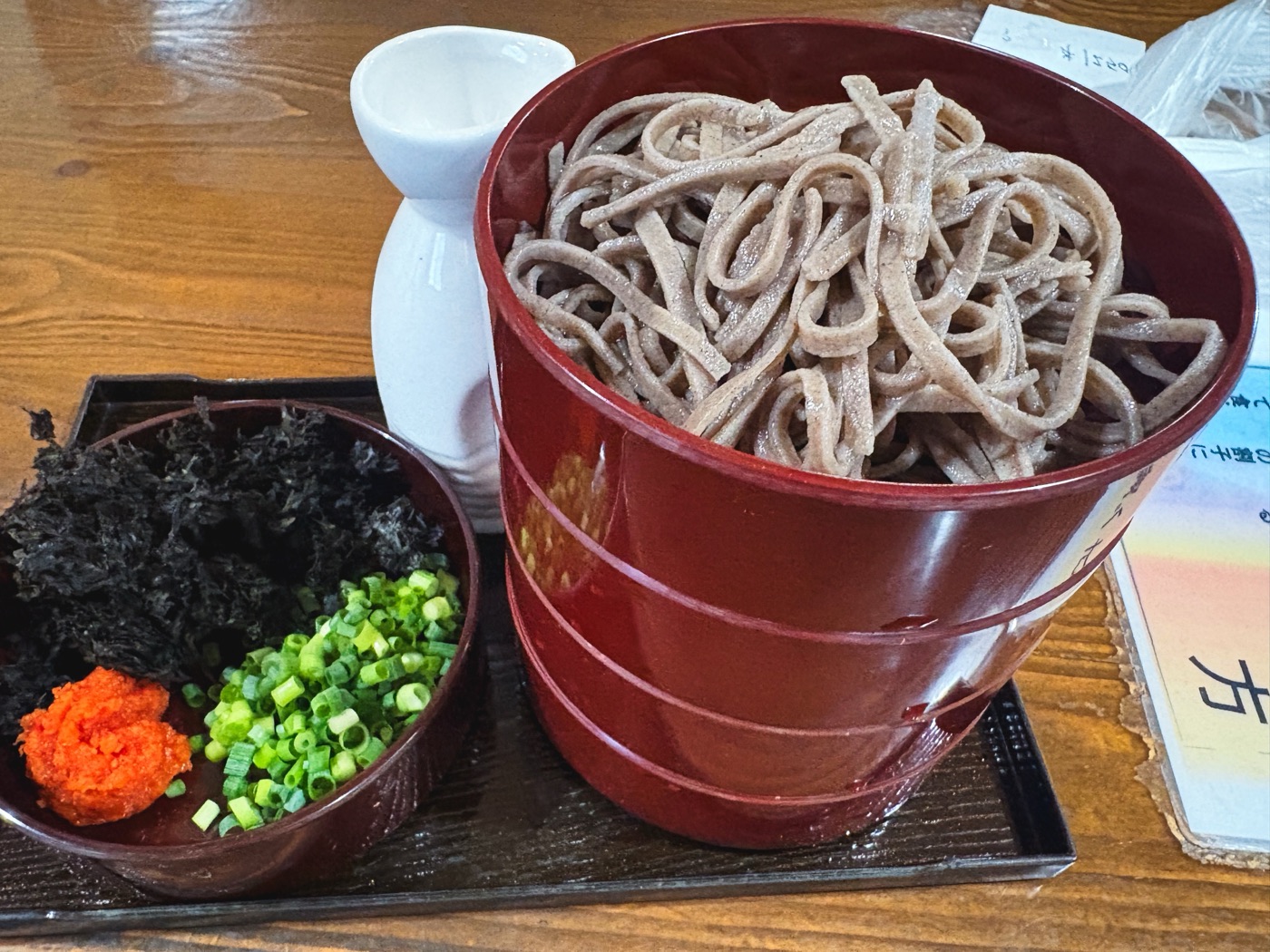
In Izumo, I also tried the local specialty, warigo soba. Hokkaido has several restaurants called Goma Soba Yakumo, but when I’d seen the name before, I’d somehow remembered it as “Izumo.” Yakumo and Izumo had gotten mixed up in my head. How did I even manage that? Remembering my mistake, I sat down to enjoy authentic Izumo soba.
Yumeminato Tower
From Shimane, I crossed into Tottori and headed to Yumeminato Tower in Sakaiminato.
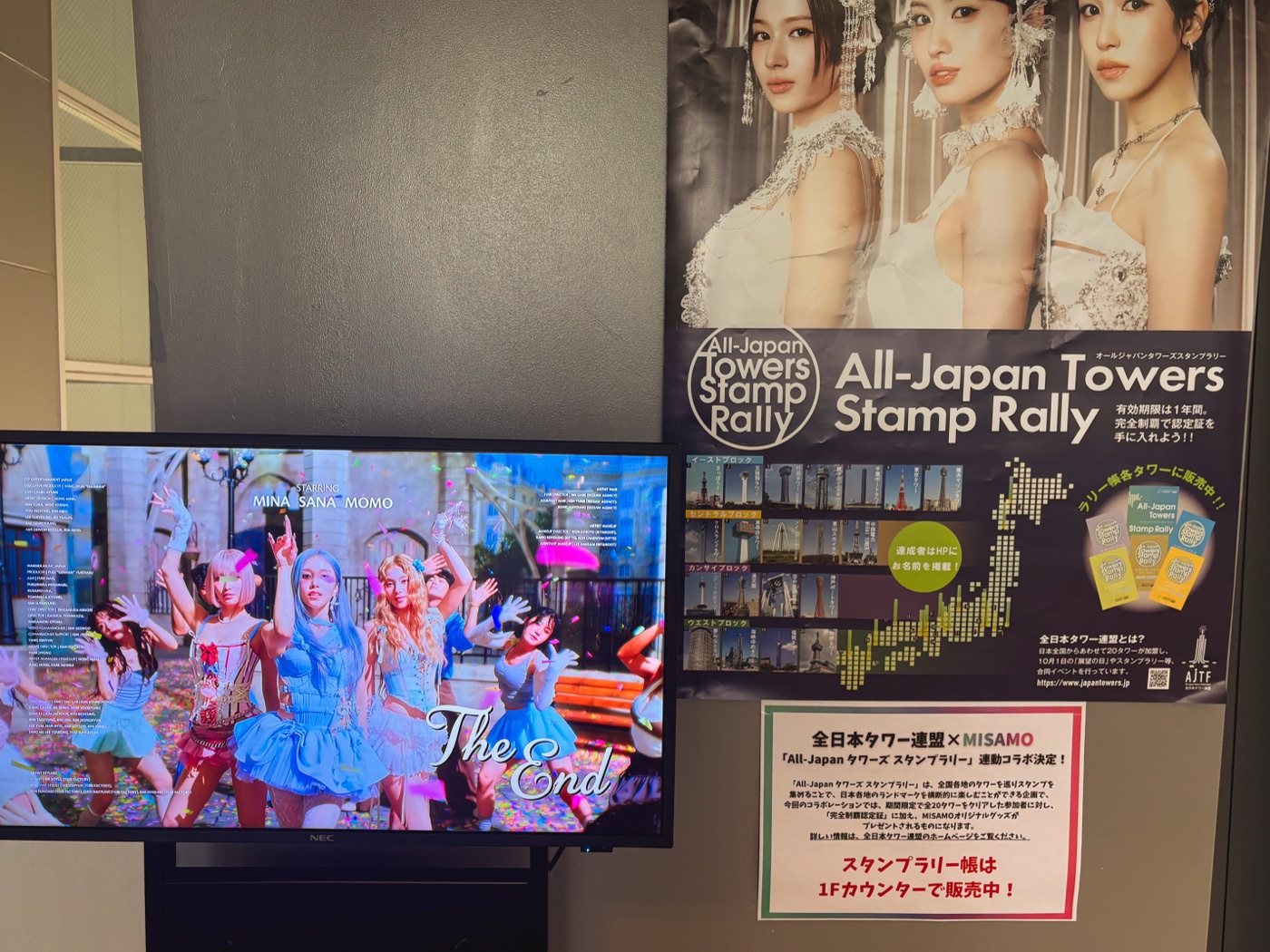
I came for the stamp rally, a collaboration between the All Japan Tower Council and MISAMO. Once I’d collected this stamp, only two locations in Kyushu and one in Shimonoseki remained. Just three more stops to complete the rally.
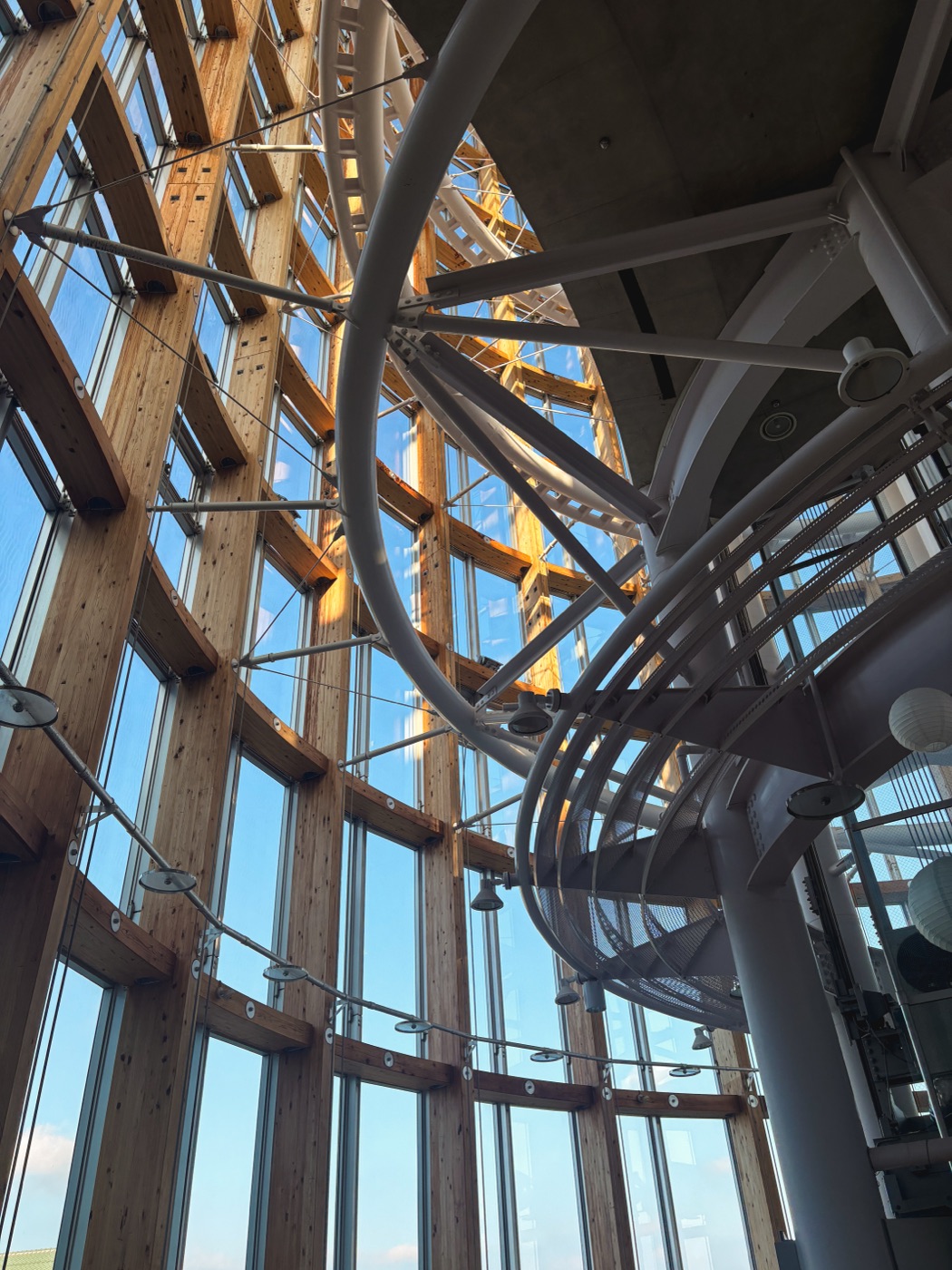
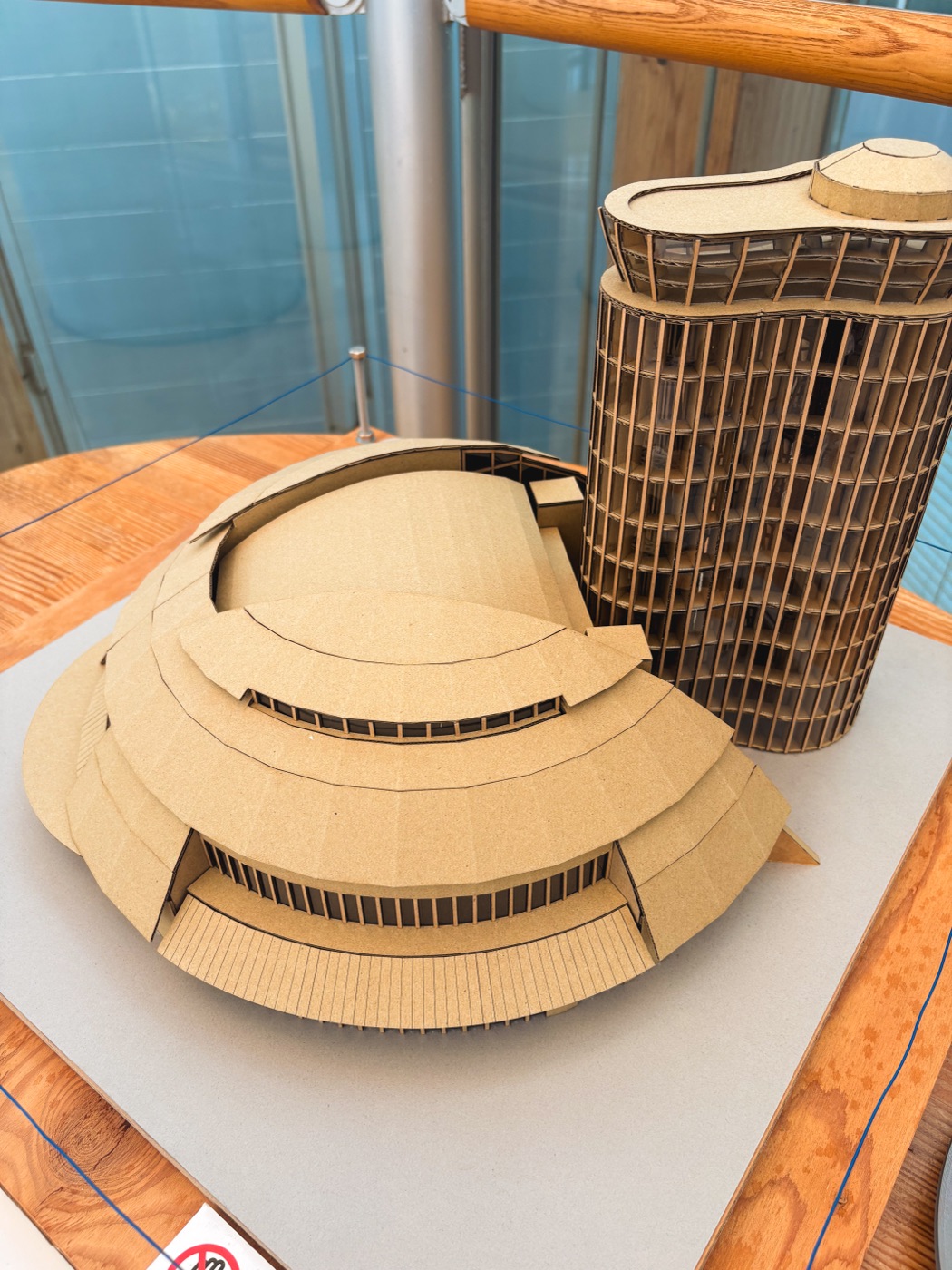
Looking up inside the tower, I could see its timber and steel structure fully exposed. I’d supposedly come only for the stamp, but the building itself caught my attention too.
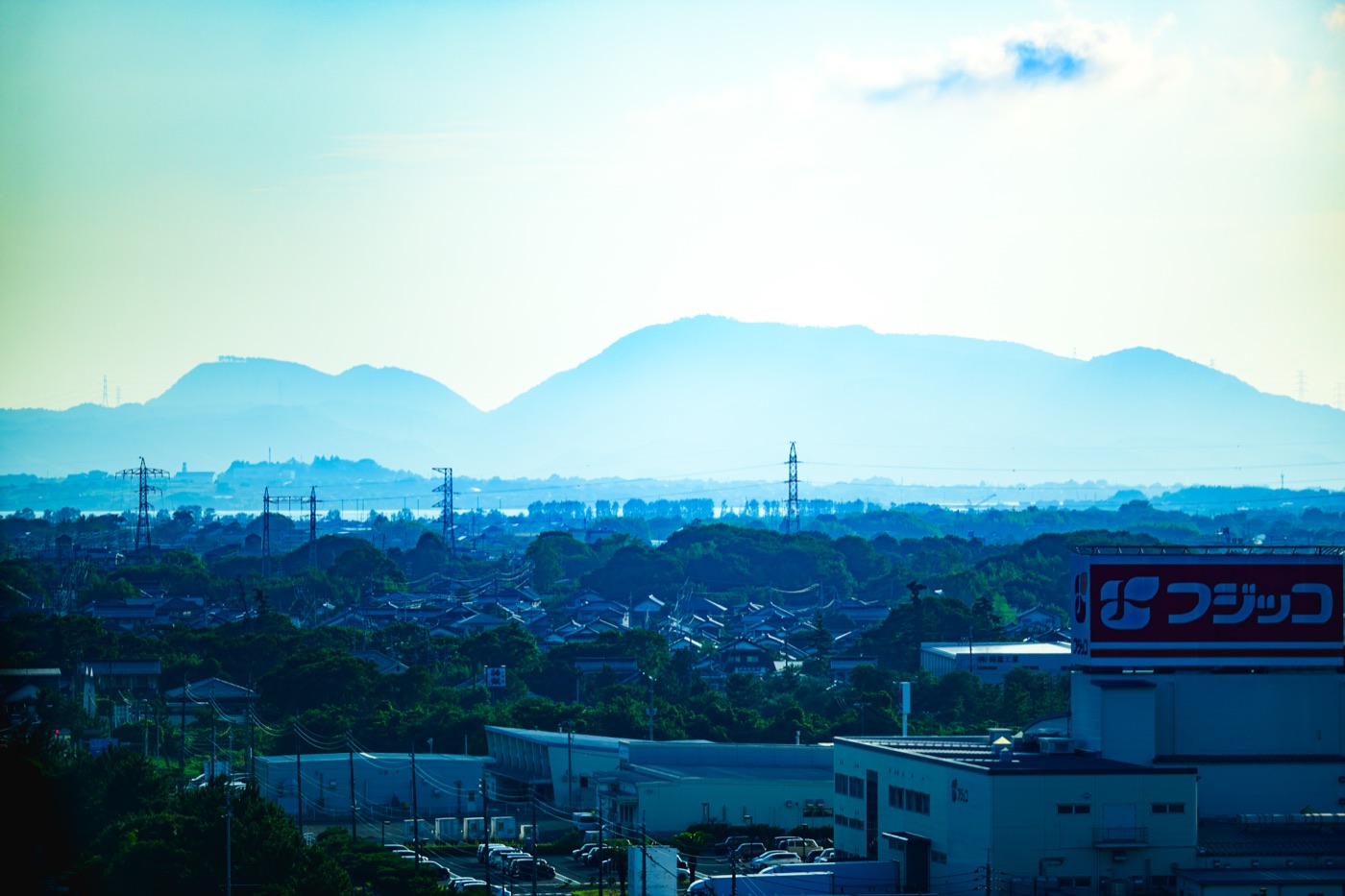
From the observation deck, I could also see a mountain nicknamed “Kewpie Mountain” because it’s said to resemble a Kewpie doll lying down. Once I’d heard the name, the ridgeline really did start to look like a figure resting on its side.
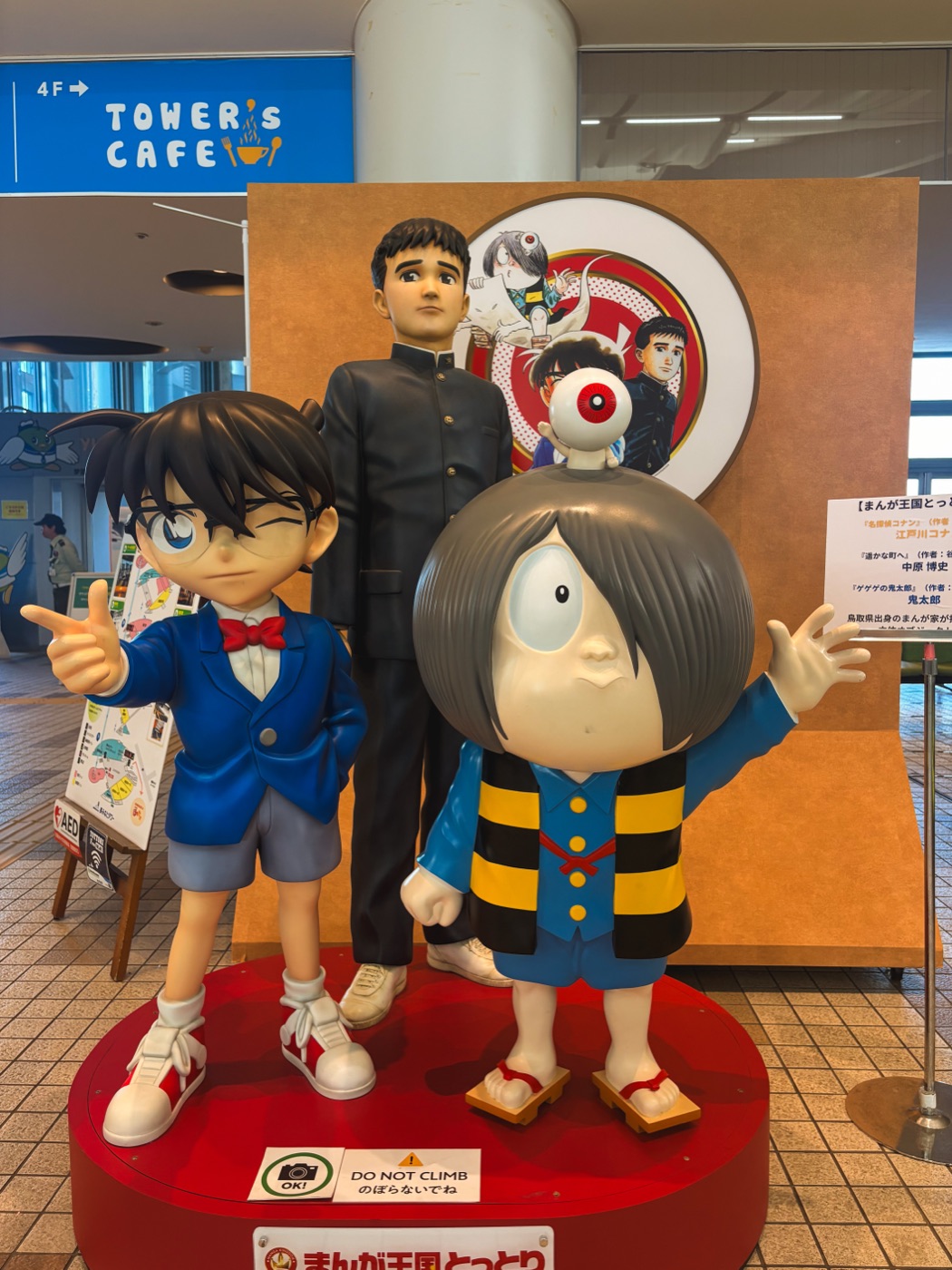
The lobby also had displays featuring characters from manga and anime associated with Tottori Prefecture, including Detective Conan and GeGeGe no Kitaro. Seeing them made me realize how much effort Tottori puts into collaborations with these series. Before I’d even explored Sakaiminato and Hokuei, it felt like I’d found another theme for the trip.
I’d made a habit of stopping whenever I found a tower on my travels. Having come this far, I wanted to collect every last stamp.
Sakaiminato Station and Mizuki Shigeru Road
As daylight faded, I stopped by Sakaiminato Station and Mizuki Shigeru Road, both close to Yumeminato Tower.
Honestly, I hadn’t done much research into what I’d find there. My thinking was basically, “It’s nearby, so why not?” I started with a light dinner at San’in no Osushi Hitotose in front of Sakaiminato Station, then walked along Mizuki Shigeru Road.
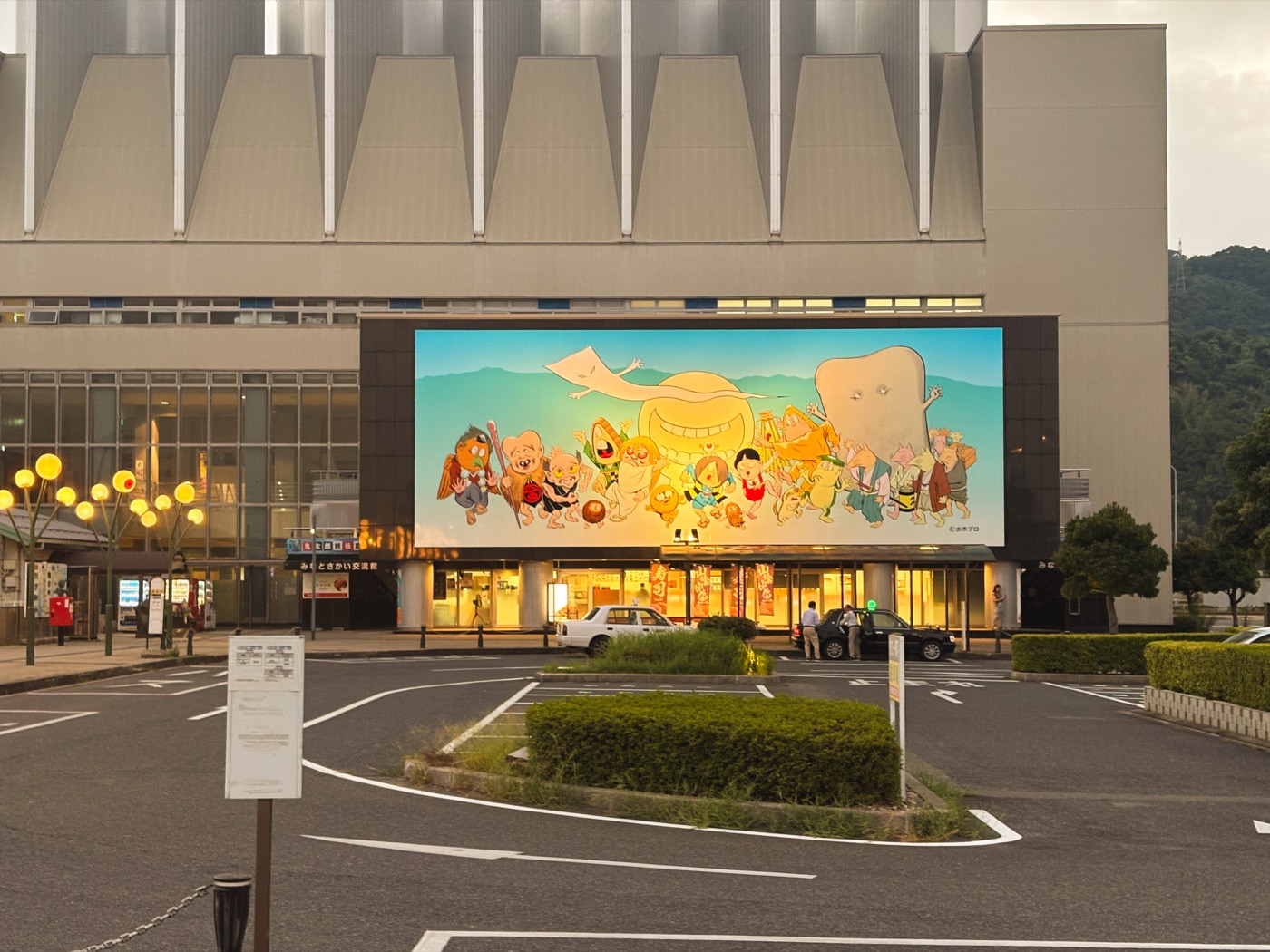
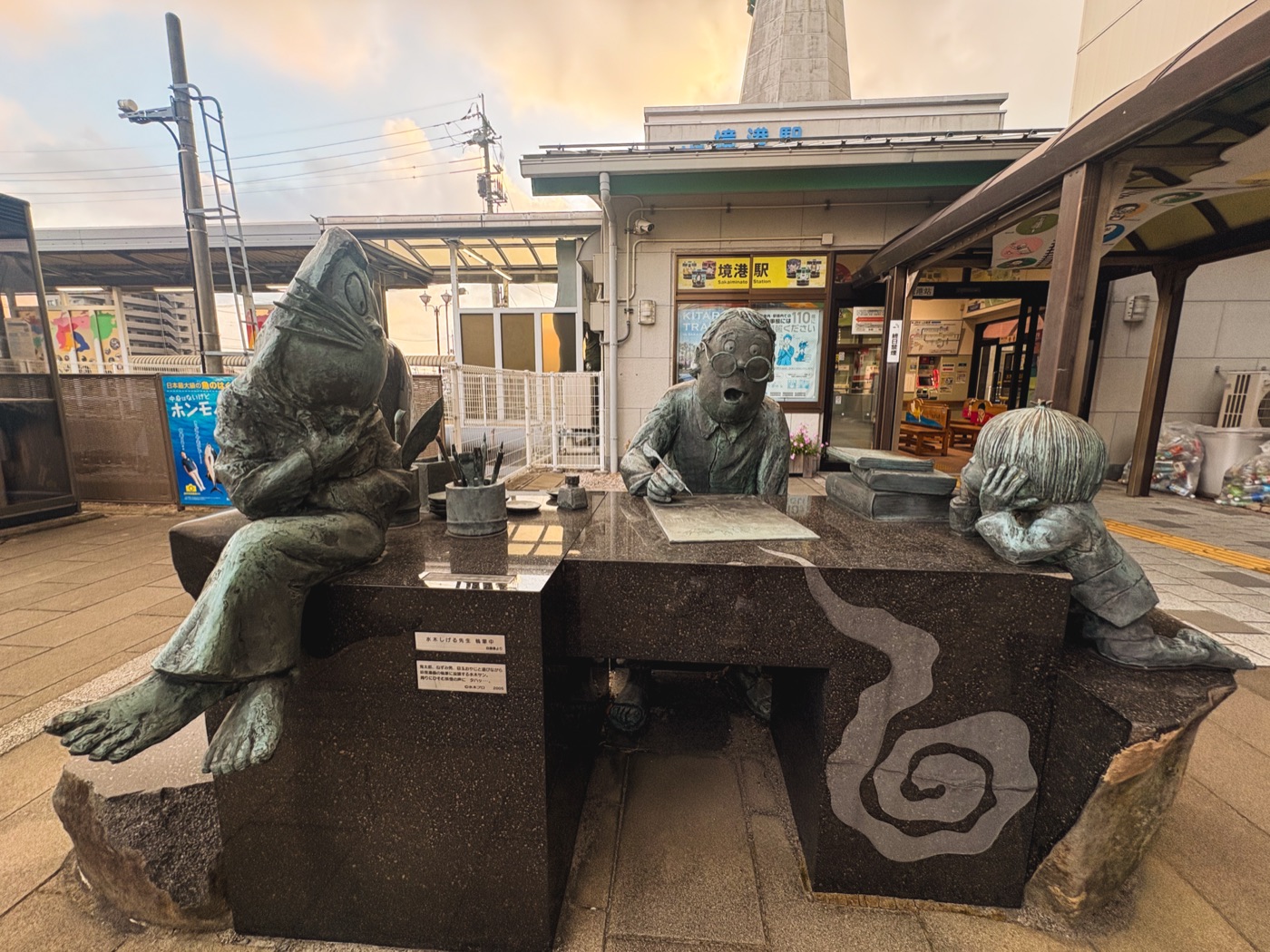
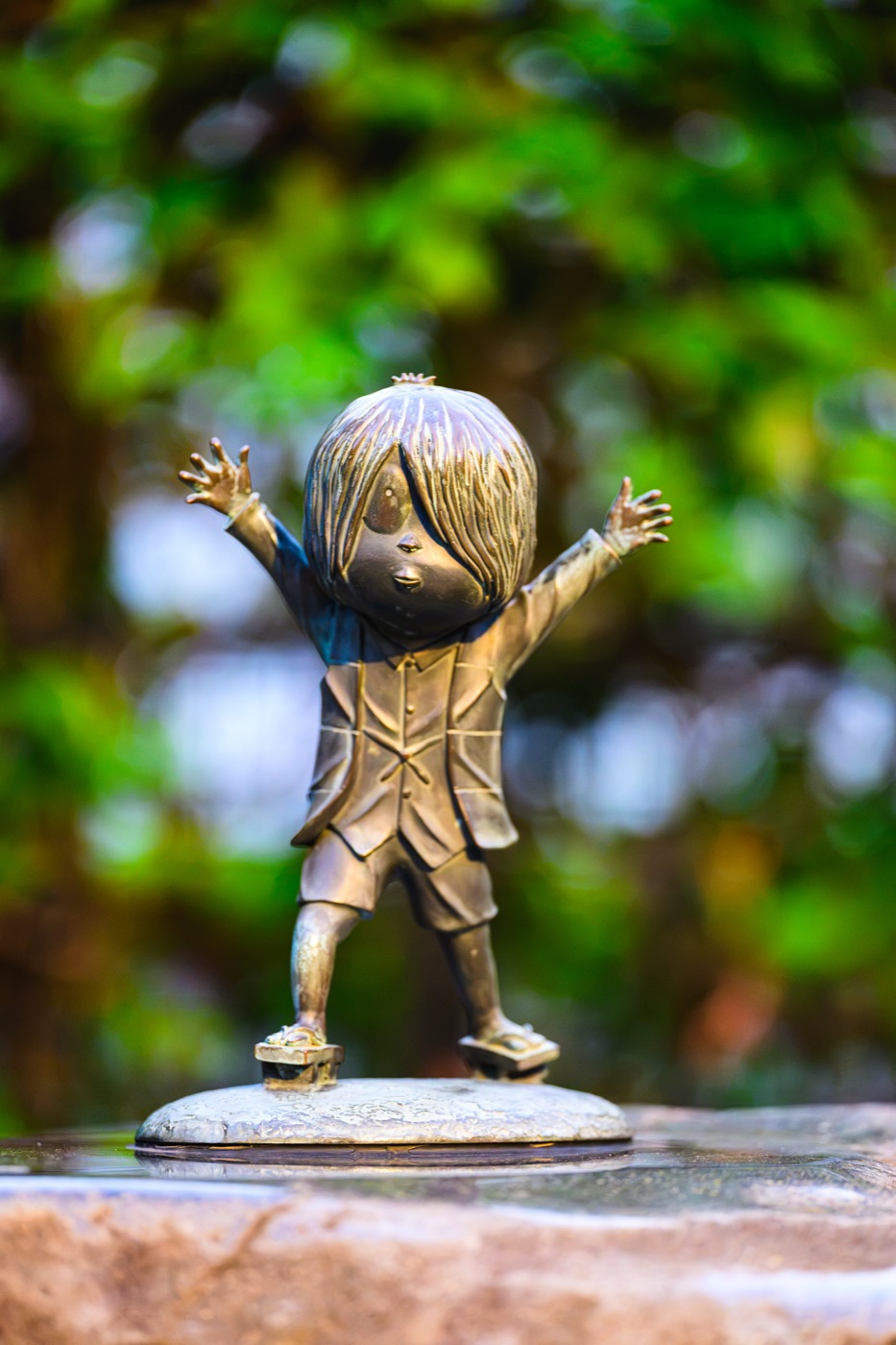
Bronze yokai statues lined the streets as the town grew darker, creating an atmosphere that must feel completely different in daylight. I hadn’t planned the stop in detail, but spontaneous detours like this are part of the fun of traveling by car.
I photographed Kitaro just as the light was fading. The background lights dissolved into large circles of bokeh, giving the photo a slightly uncanny feel. It was as if the town’s shift into night had overlapped perfectly with the world of yokai.
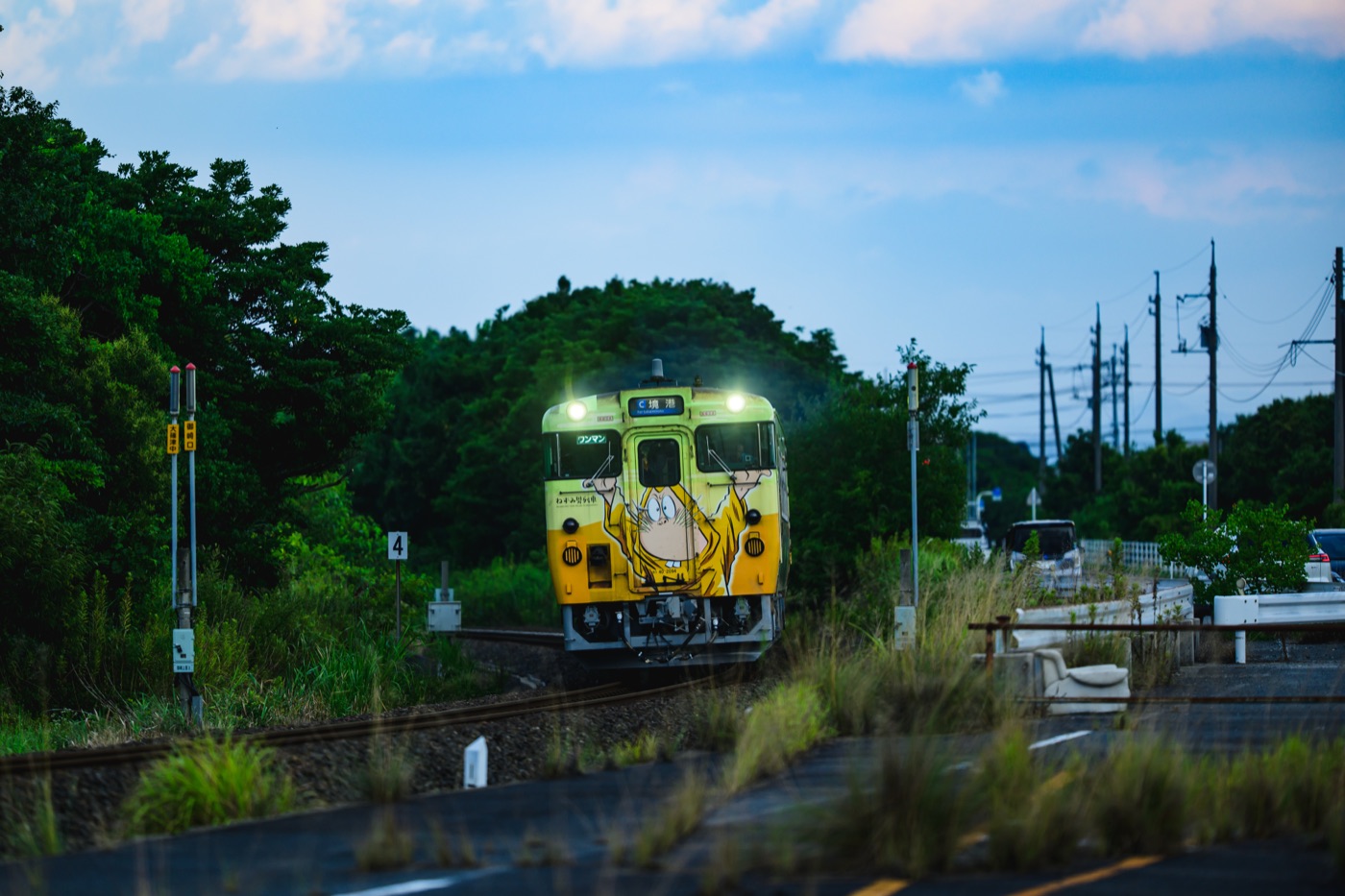
Elsewhere in town, I also came across a yokai train bound for Sakaiminato. Watching the Nezumi Otoko Train approach from down the tracks felt like seeing the world of yokai slip into an everyday scene. I loved it.
August 4: Back and Forth Between Tottori and Shimane
Tottori Sand Dunes
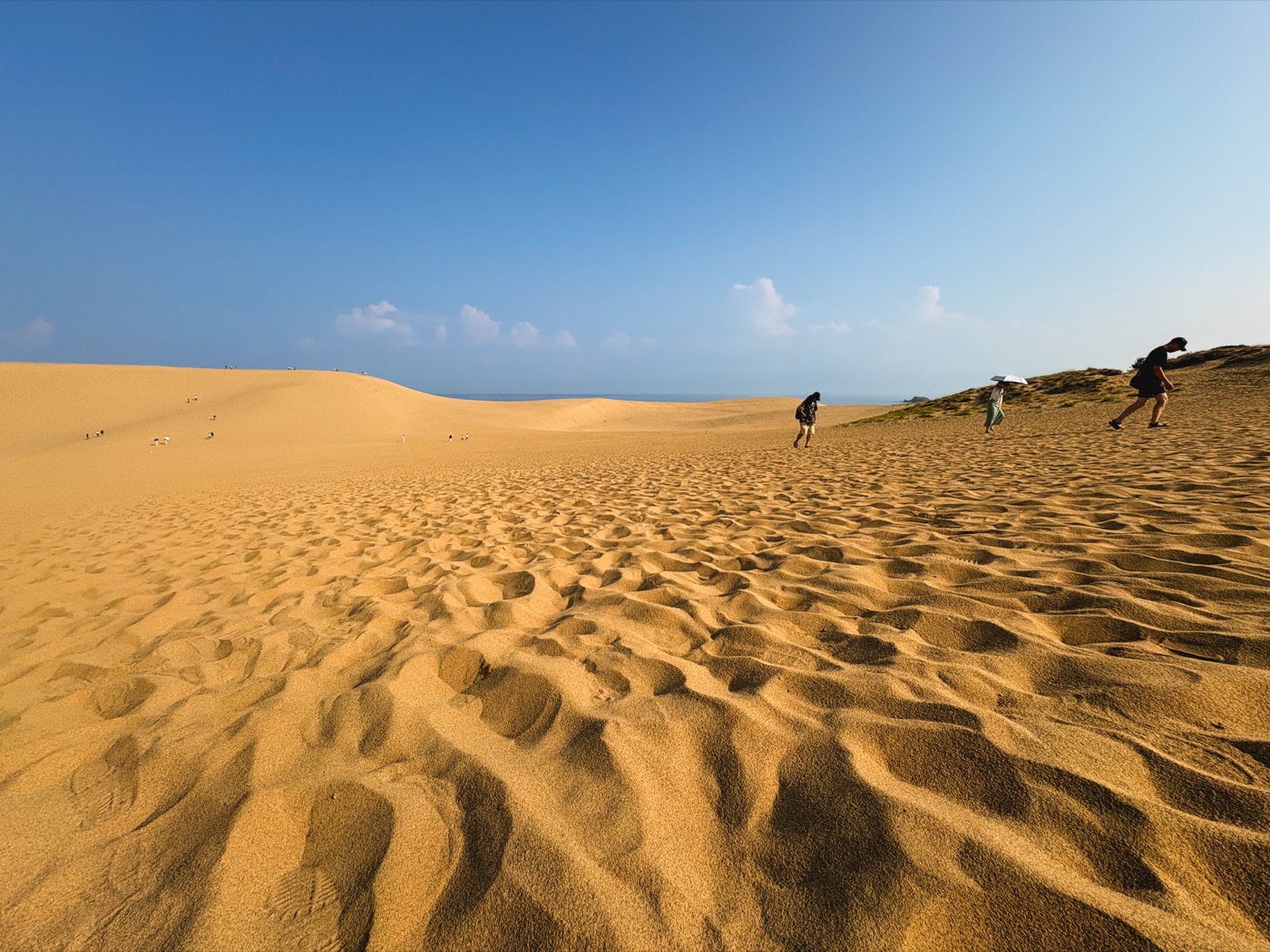
I finally made it to the Tottori Sand Dunes, somewhere I’d long wanted to visit.
Ideally, I wanted to arrive early in the morning, before too many footprints appeared, and see the wind-sculpted ripples in the sand. But this had already become a long trip after my Azure Travelers stay in Hiroshima, and the fatigue was catching up with me. Instead, I slept in and didn’t arrive until around 8:00.
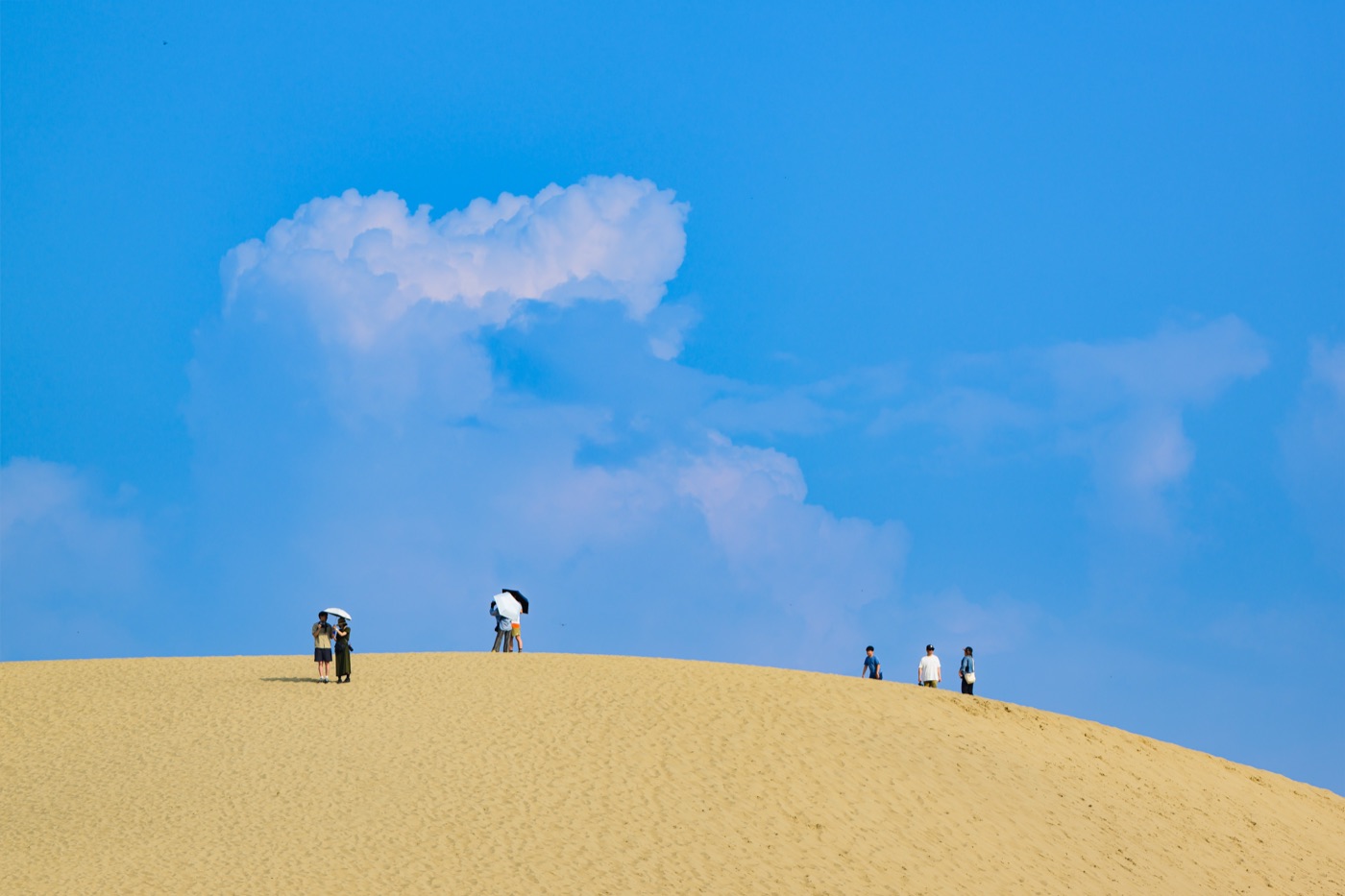
There were still only a few people around, and the heat was manageable. I didn’t find the wind patterns I’d hoped for, which was a little disappointing. Even so, that immense landscape was a pleasure to take in.
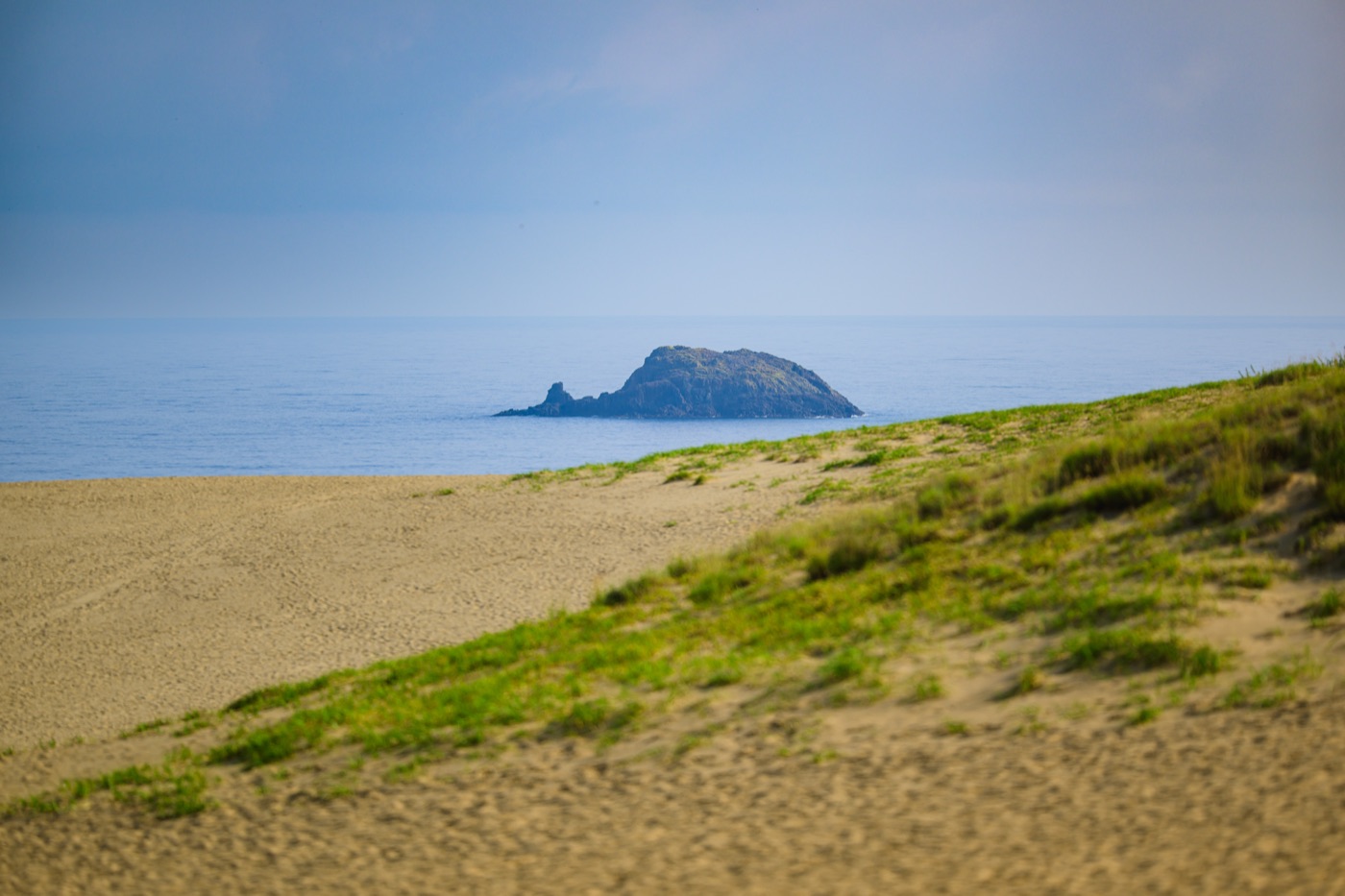
What also surprised me was how much grass grows among the dunes. In my head, the view had been nothing but sand in every direction. That was another thing I could only learn by going there myself.
Tottori Castle Ruins
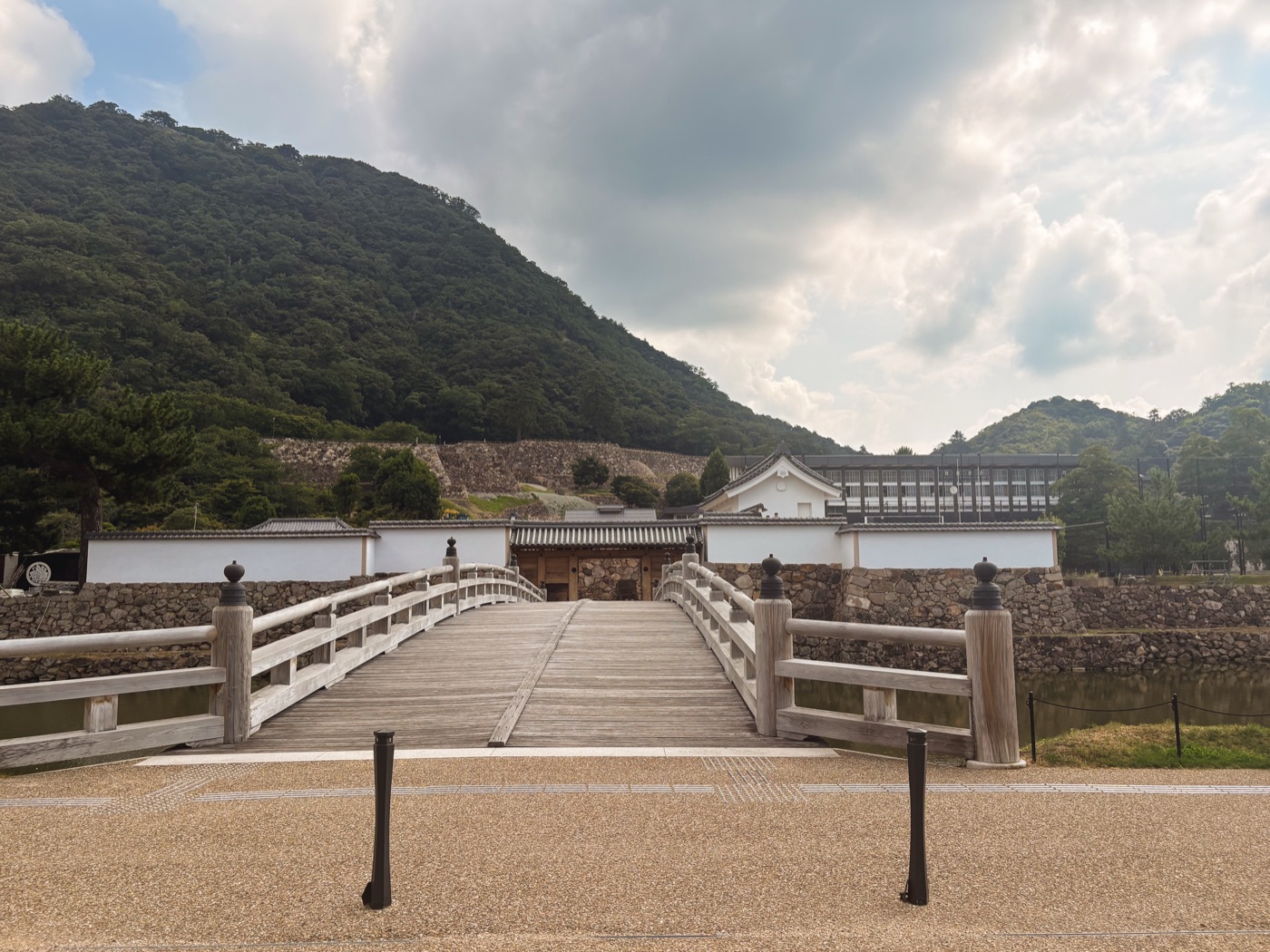
After the dunes, I headed to the Tottori Castle Ruins.
Walking through the site, I could feel just how large Tottori Castle must once have been. The surviving stone walls and ruins gave me enough to imagine what it might have looked like.
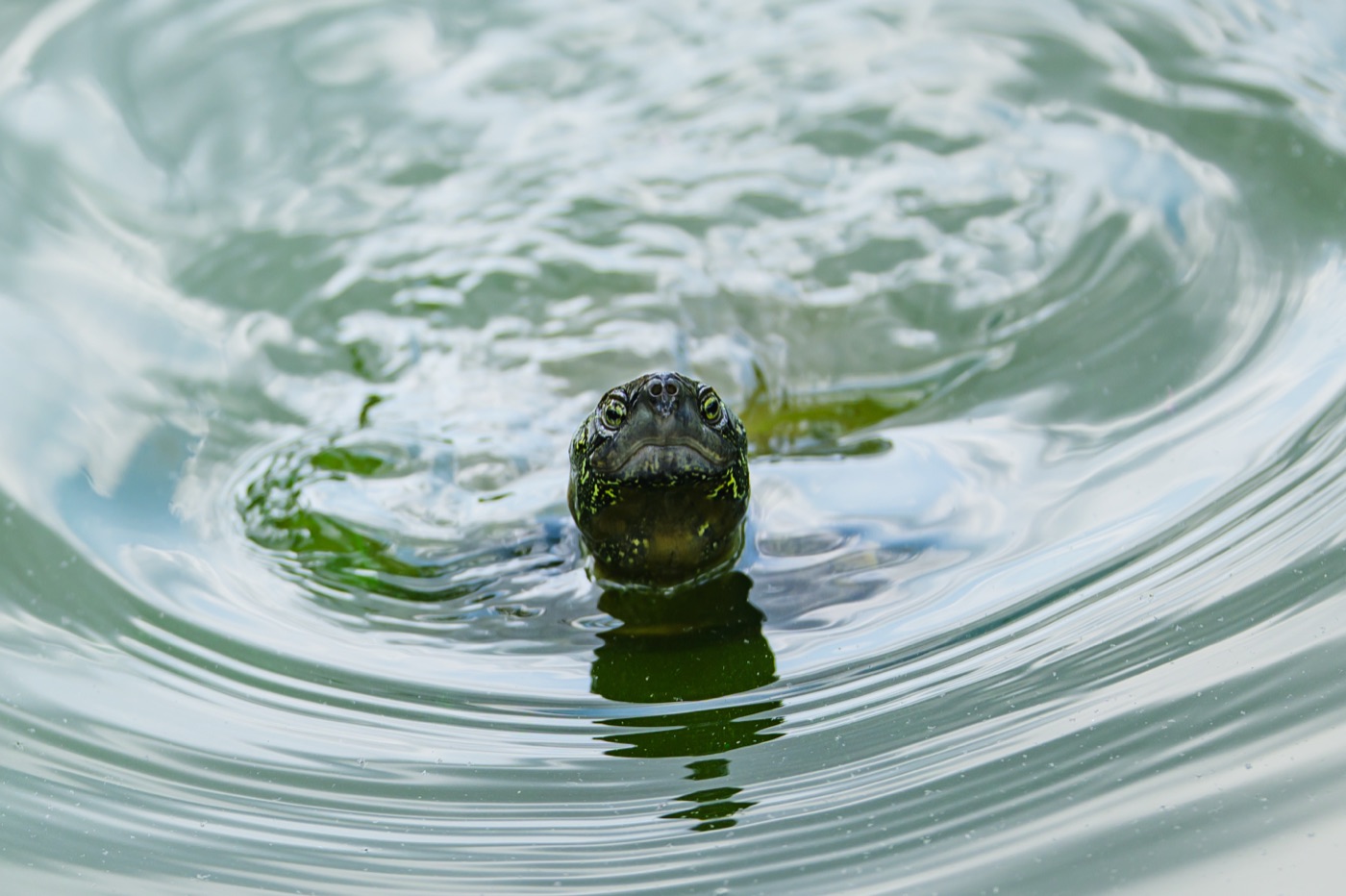
As I looked over the moat, something began swimming toward me with only its head above water. At first I thought it was a snake, which startled me, but once it came closer, I could see it was a turtle. The sight of it paddling straight at me with just its face above the surface stuck with me.
Michi-no-Eki Nishi Inaba Kirari
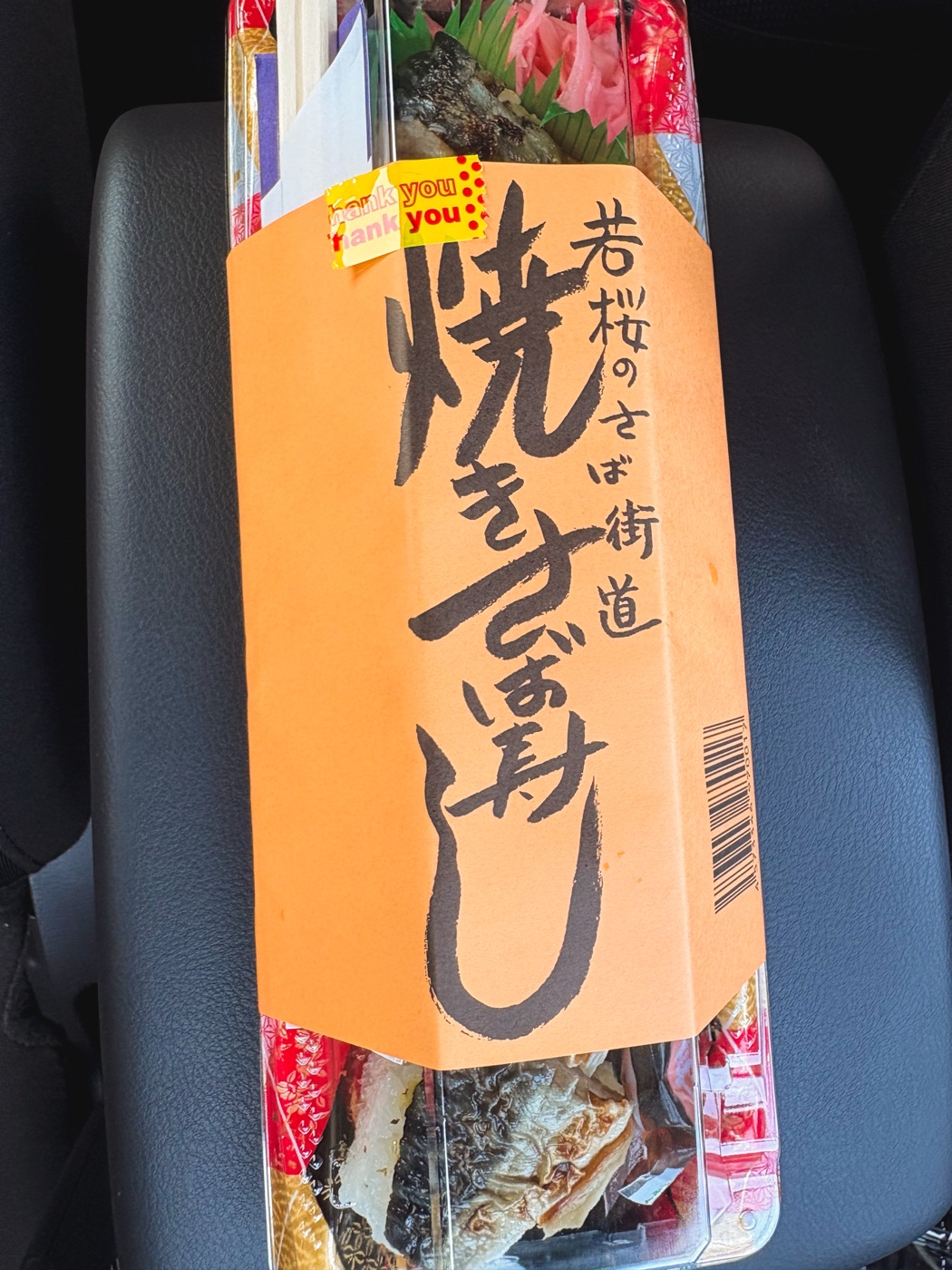
After walking around the castle ruins, I stopped at Michi-no-Eki Nishi Inaba Kirari. I’d been driving since morning and was getting sleepy, so the first order of business was a short nap in the parking lot. I woke up hungry and bought some grilled mackerel sushi at the roadside station. It was so good that even the fatigue from driving seemed to lift a little.
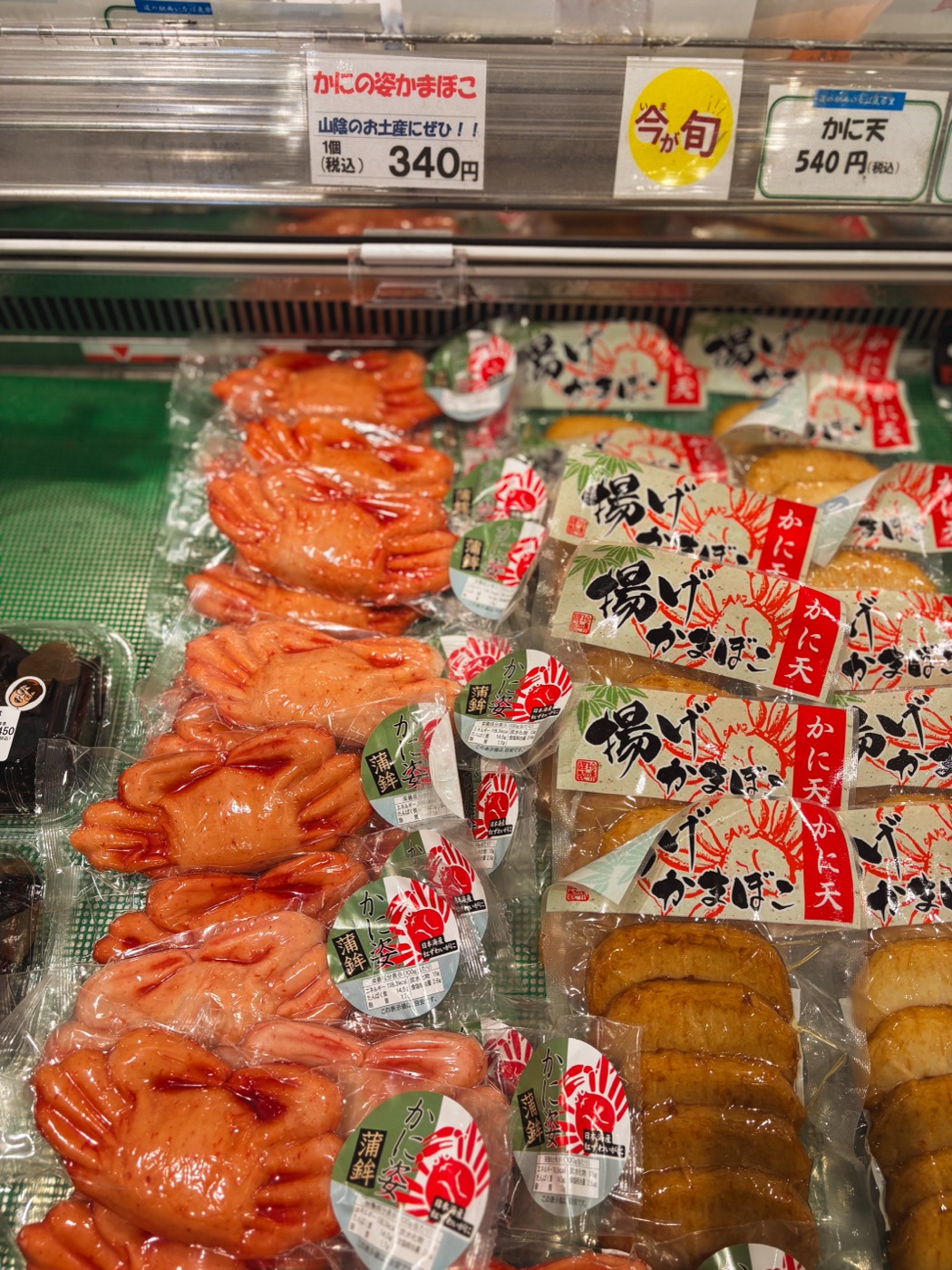
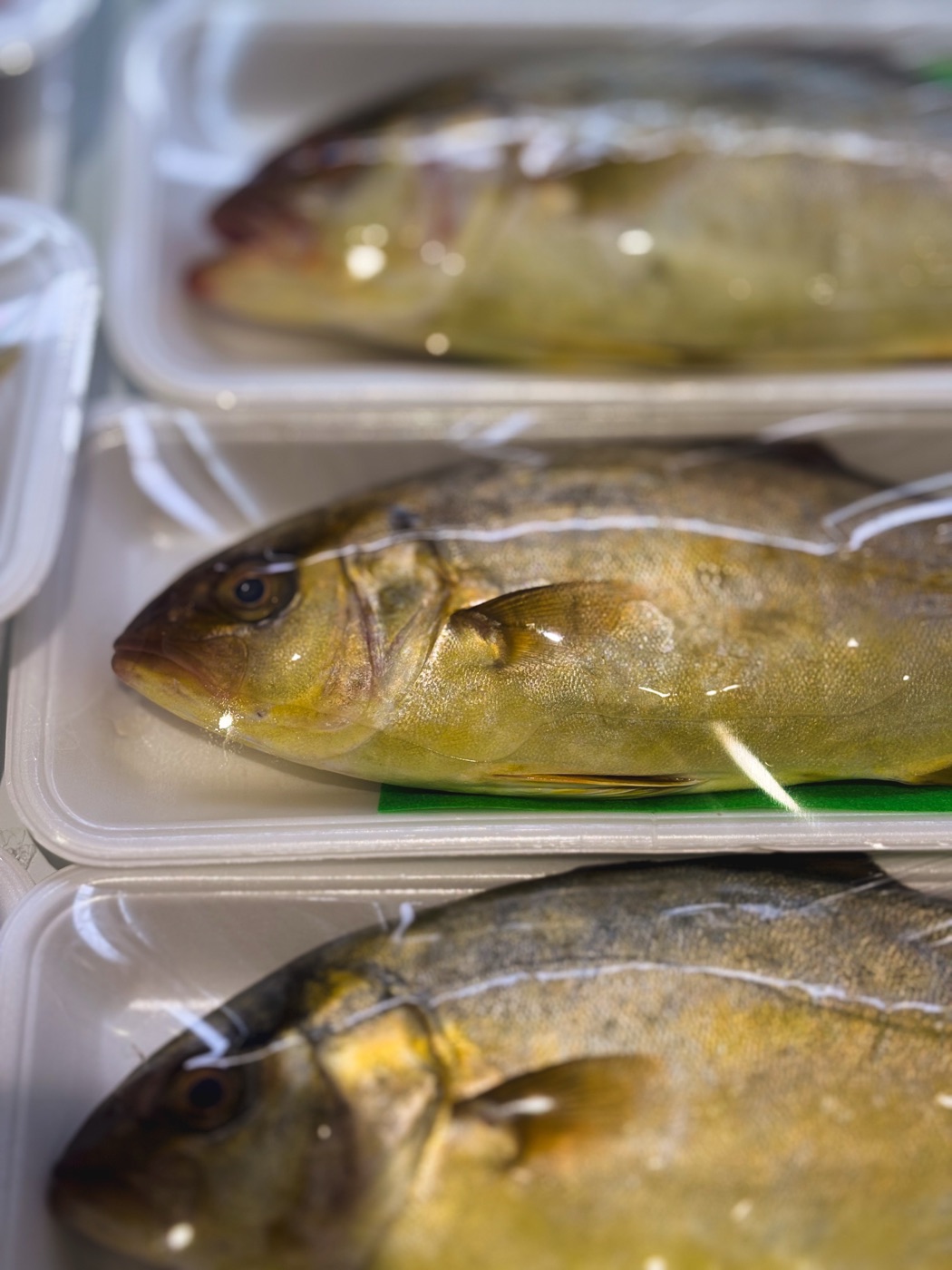
The market was filled with crabs and fresh fish. Even just browsing the San’in seafood made the roadside station a fun stop.
A Detective Conan Tour of Hokuei
Next, I headed to Hokuei, the hometown of Gosho Aoyama, the creator of Detective Conan.
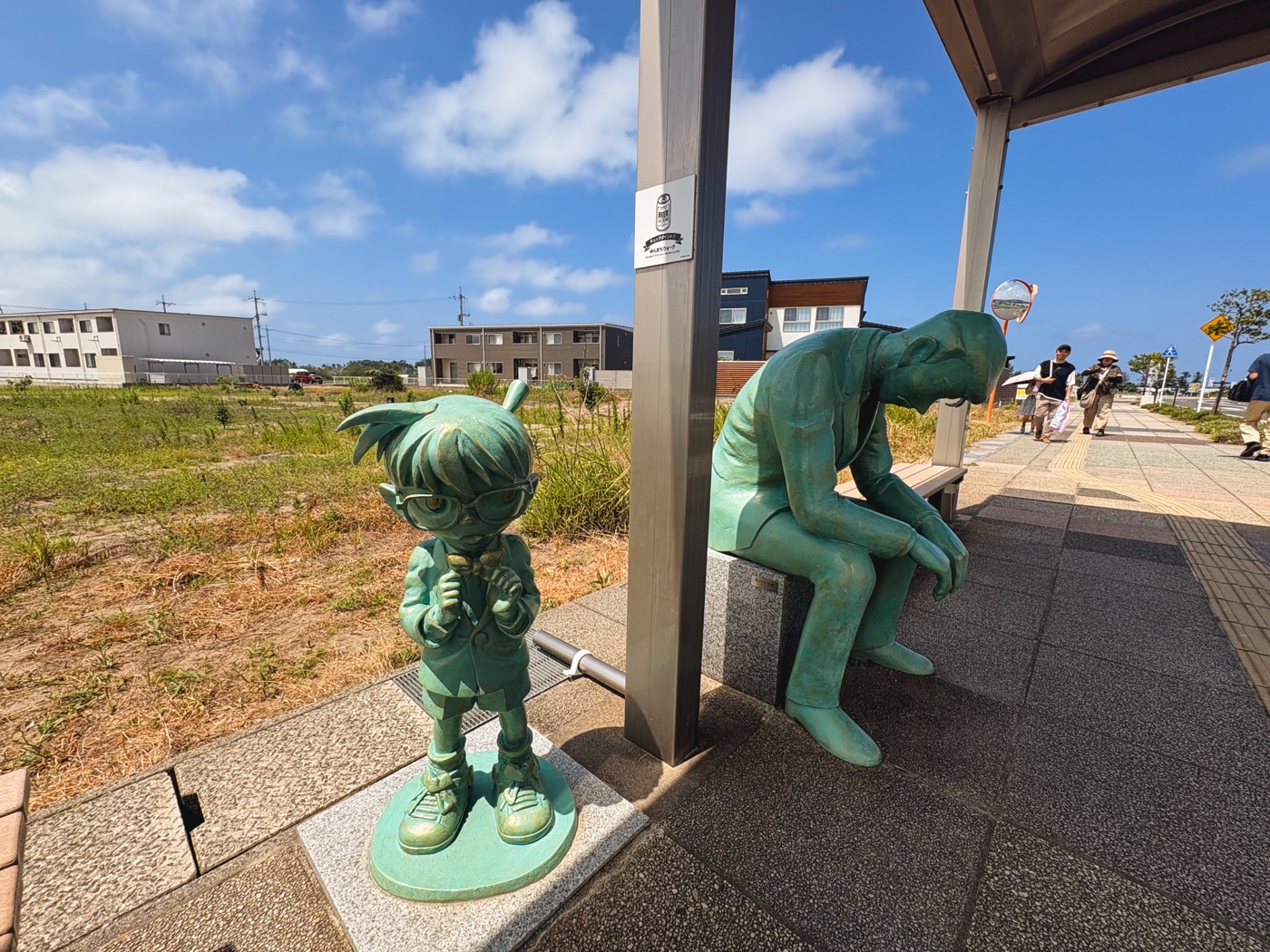
Behind the roadside station stands the Gosho Aoyama Manga Factory, while sculptures along the road recreate scenes from Detective Conan. Even Yura Station is known as “Conan Station.” Conan really is everywhere in town.
What makes Hokuei so much fun is that the world of the series isn’t confined to an exhibition facility. You experience it simply by walking through town.
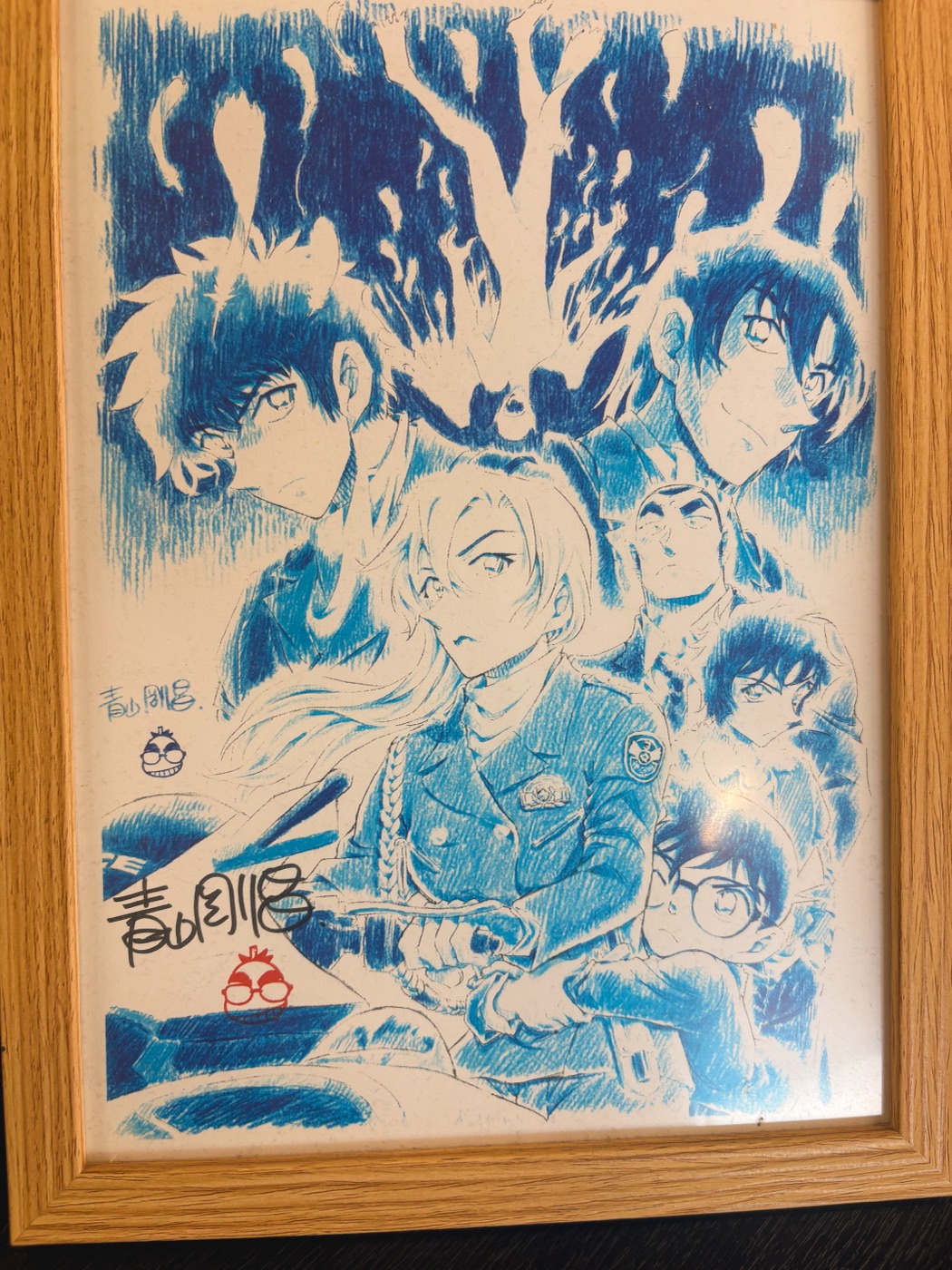
As I explored, I kept finding illustrations and displays signed by Gosho Aoyama. The townscape held not only the characters but also traces of their creator. Discovering another one gave me a little thrill every time.
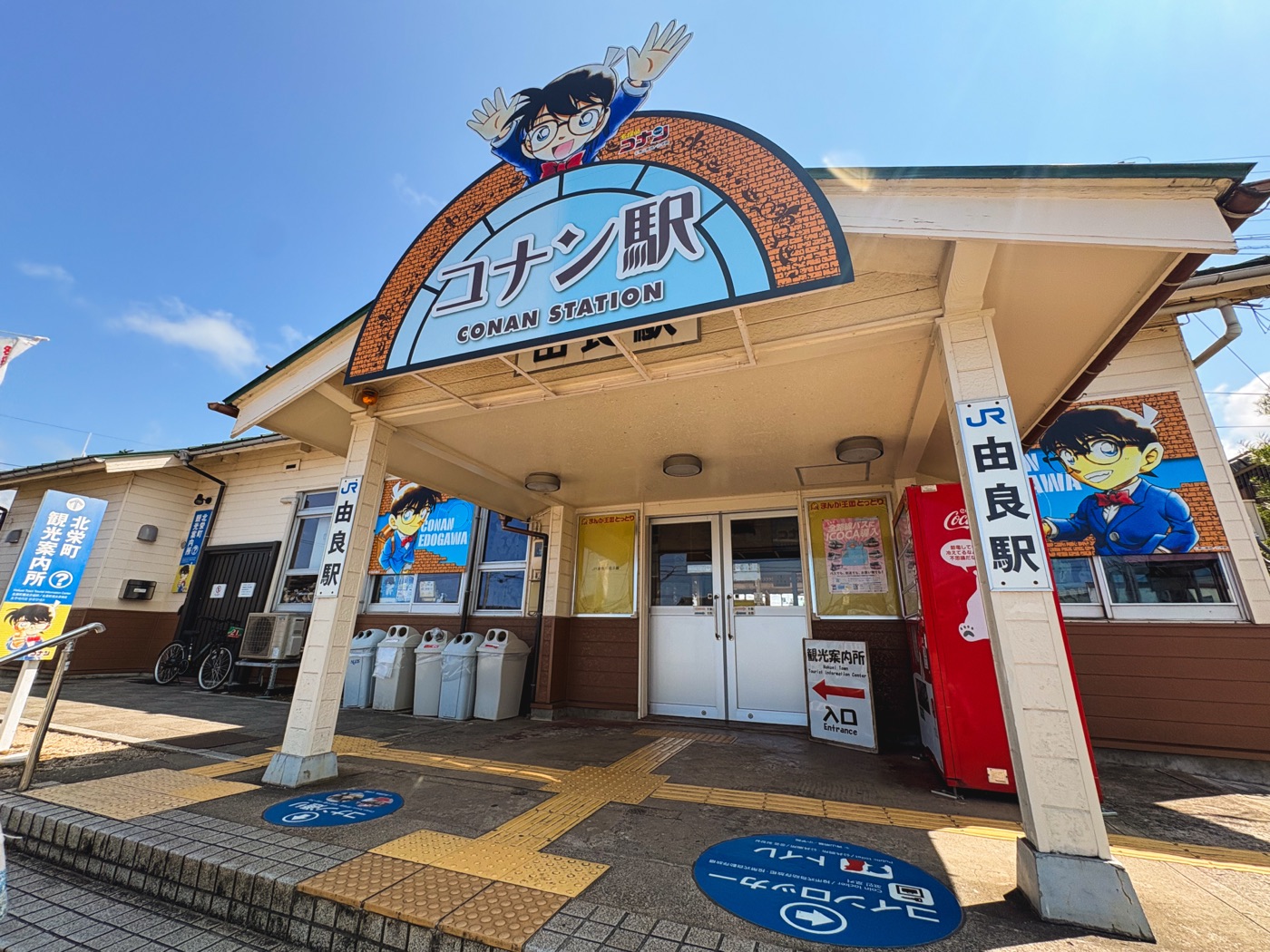
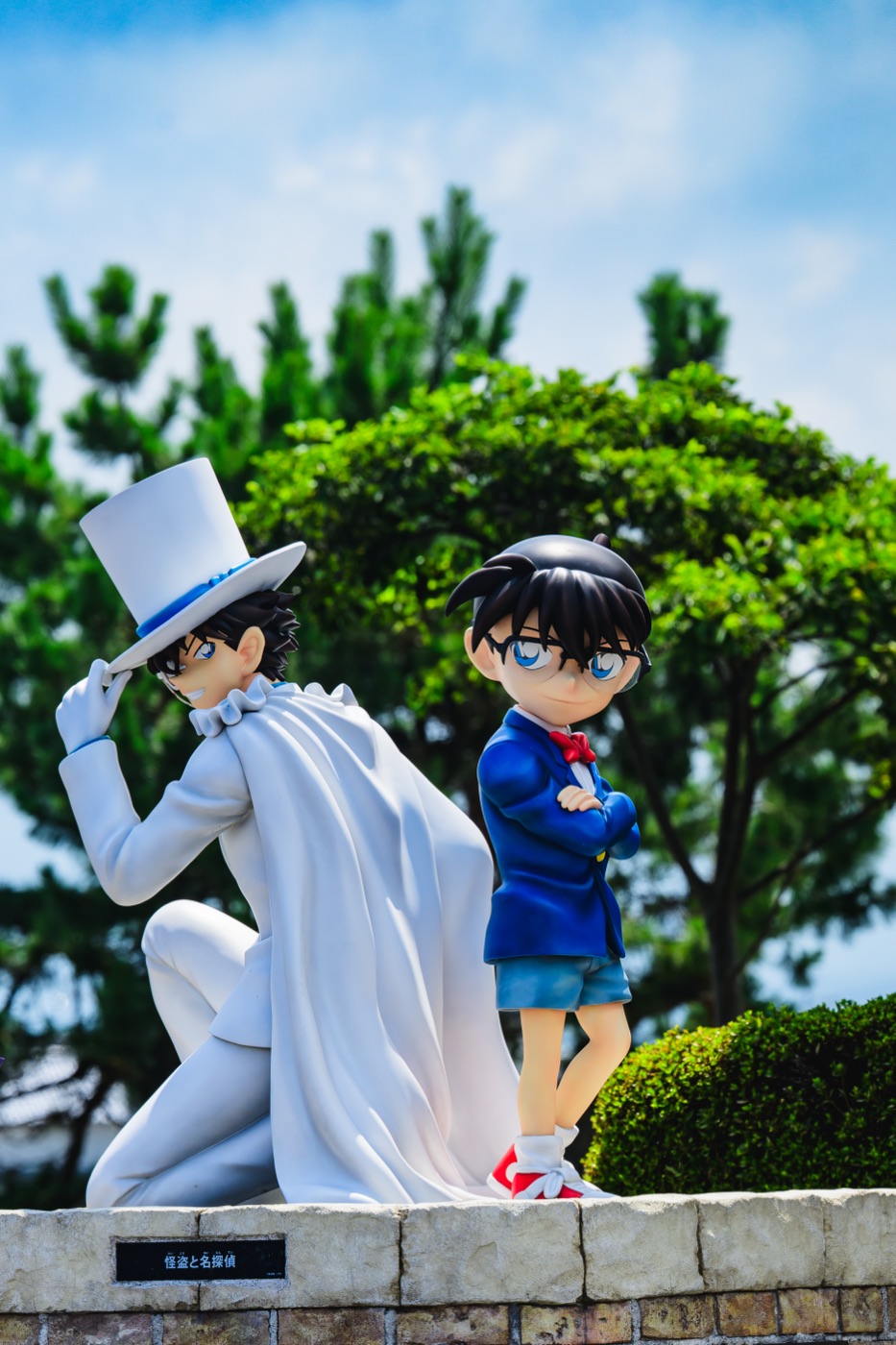
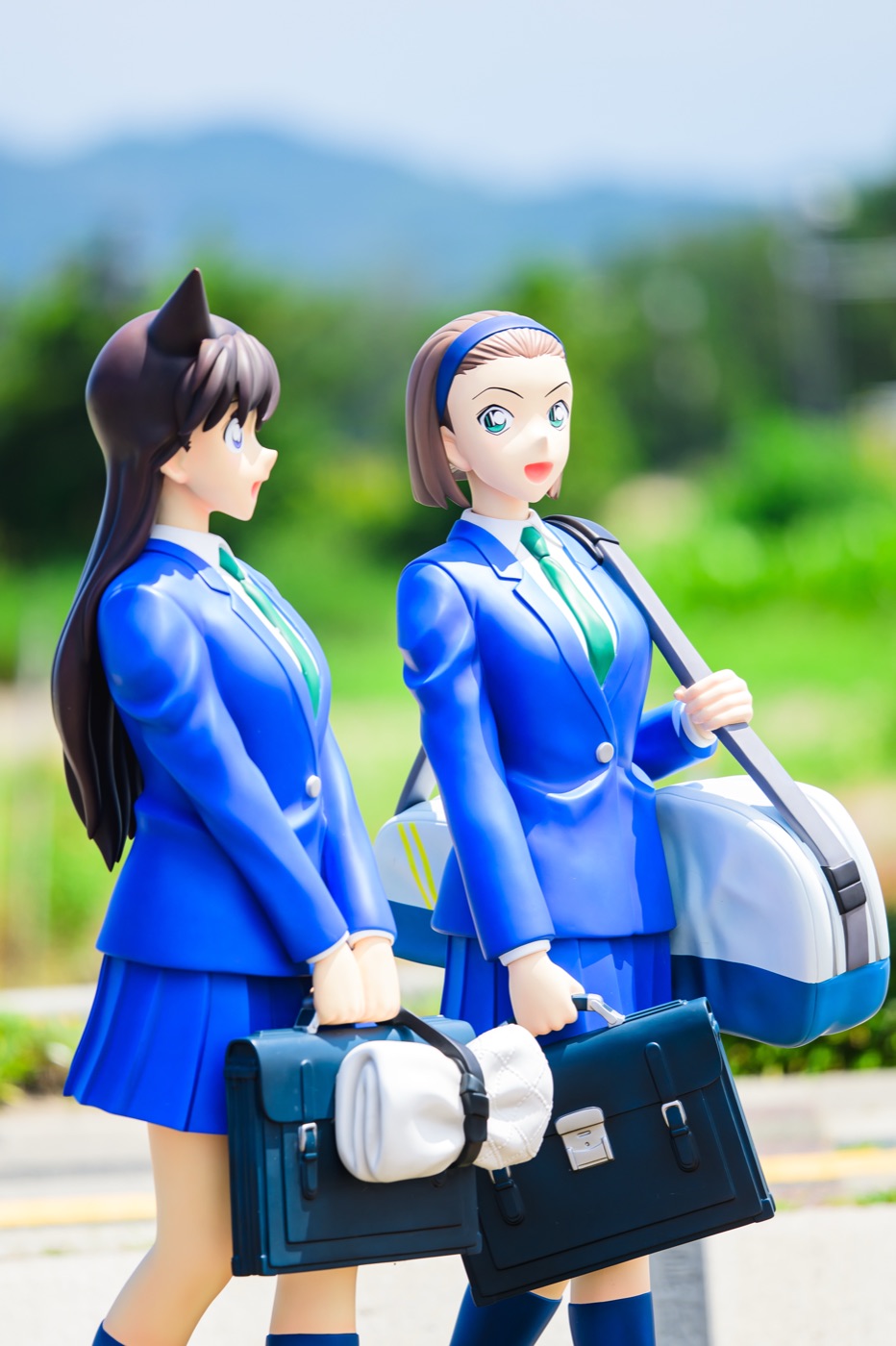
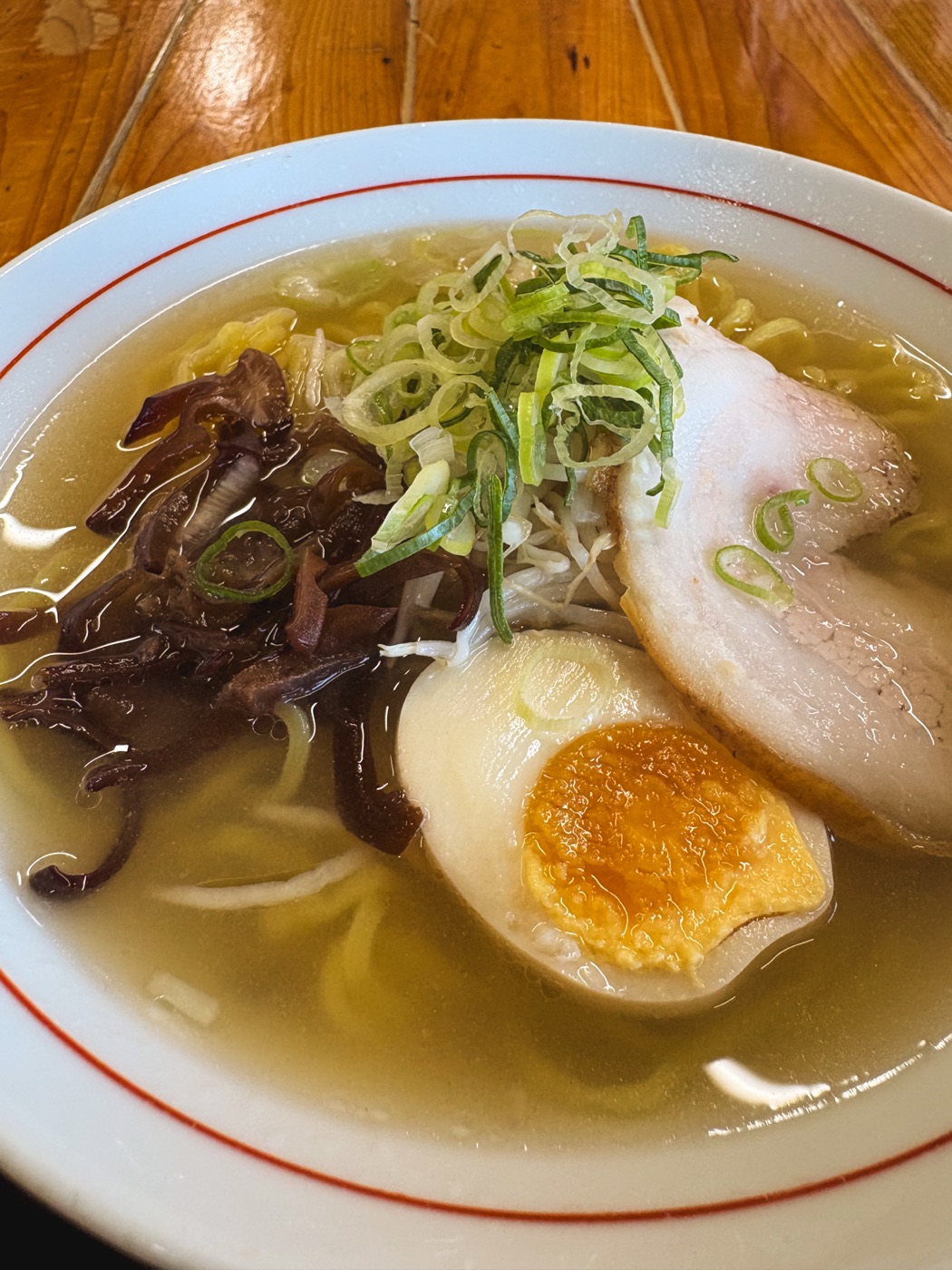
At the roadside station, I also had beef bone ramen. After spending the morning walking across the Tottori Sand Dunes, I was drenched in sweat and craving something salty. The hot, salty broth hit the spot, and the beef-bone flavor came through clearly too. It was seriously delicious.
Matsue Castle
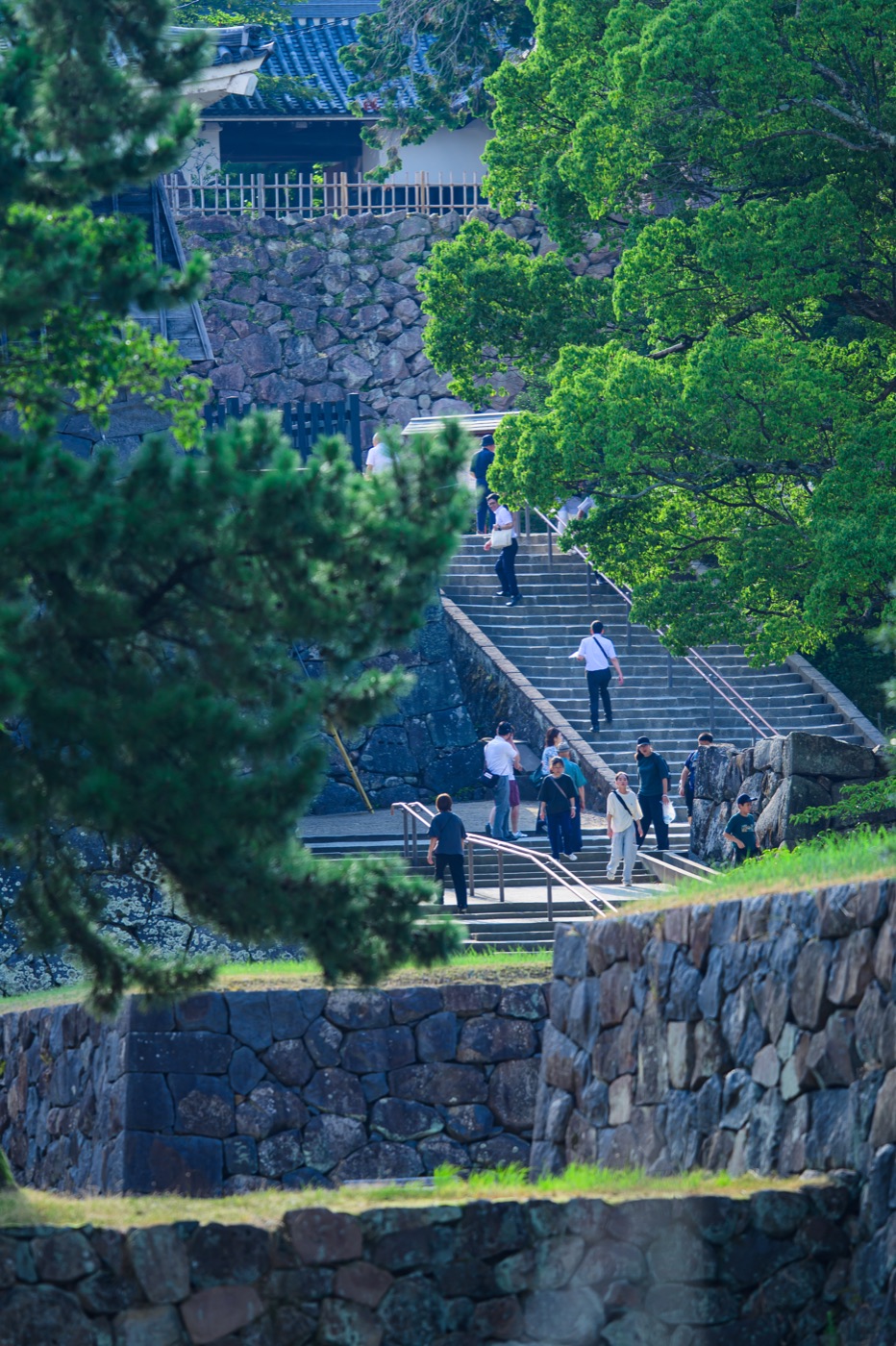
After seeing the Tottori Castle Ruins, I thought, “Since I’m here, I might as well visit Matsue Castle too.” That took me back into Shimane Prefecture and on to Matsue Castle.
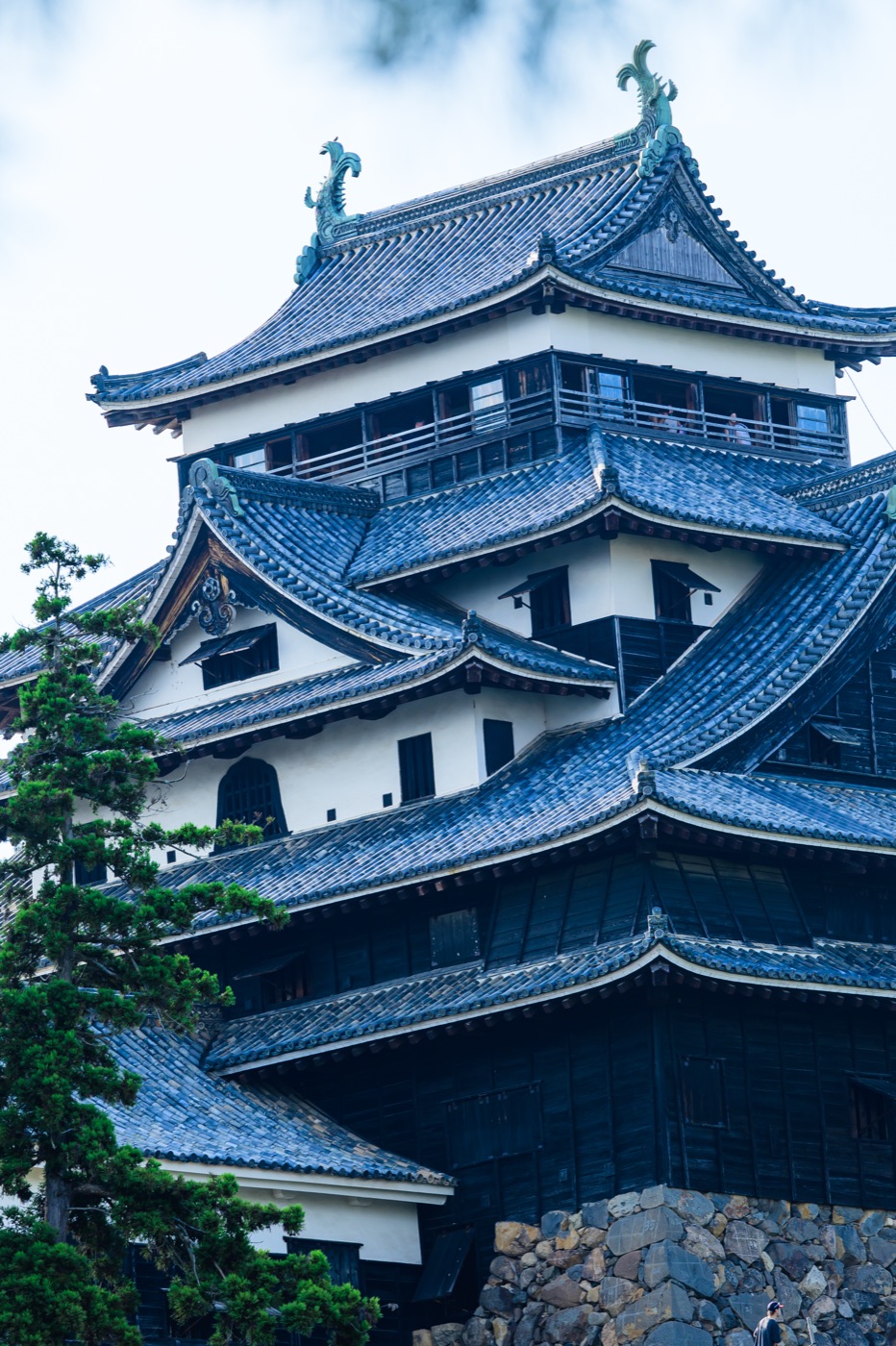
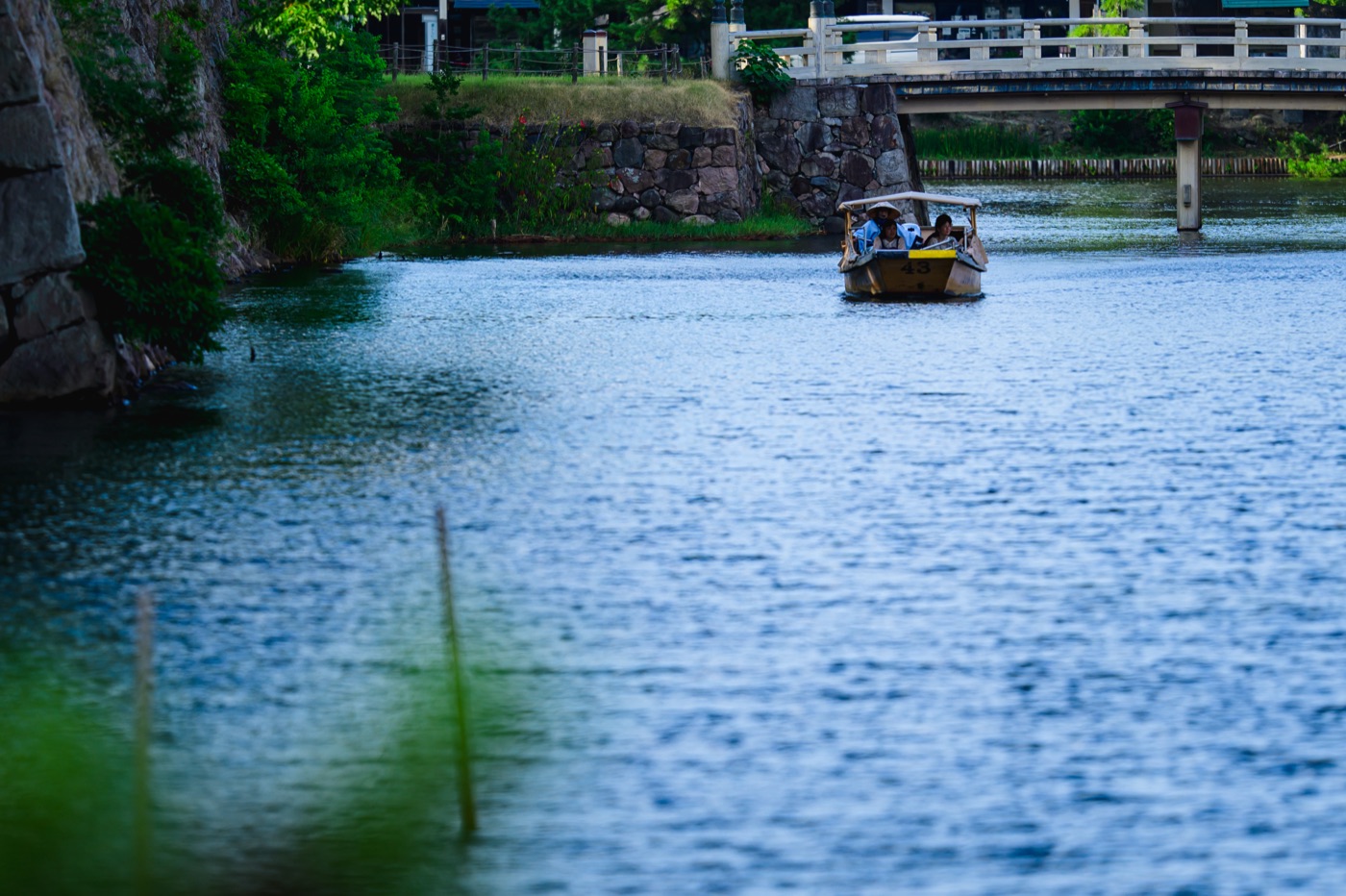
I only learned after arriving that it’s a National Treasure, but the castle keep looked incredibly cool. The moat and the surrounding castle town made the whole place especially atmospheric.
The Horikawa Sightseeing Boat also appears to offer trips around the moat in small boats. Next time, I’d like to leave more time and take a ride.
Eshima Ohashi, the So-Called Pedal-to-the-Metal Slope
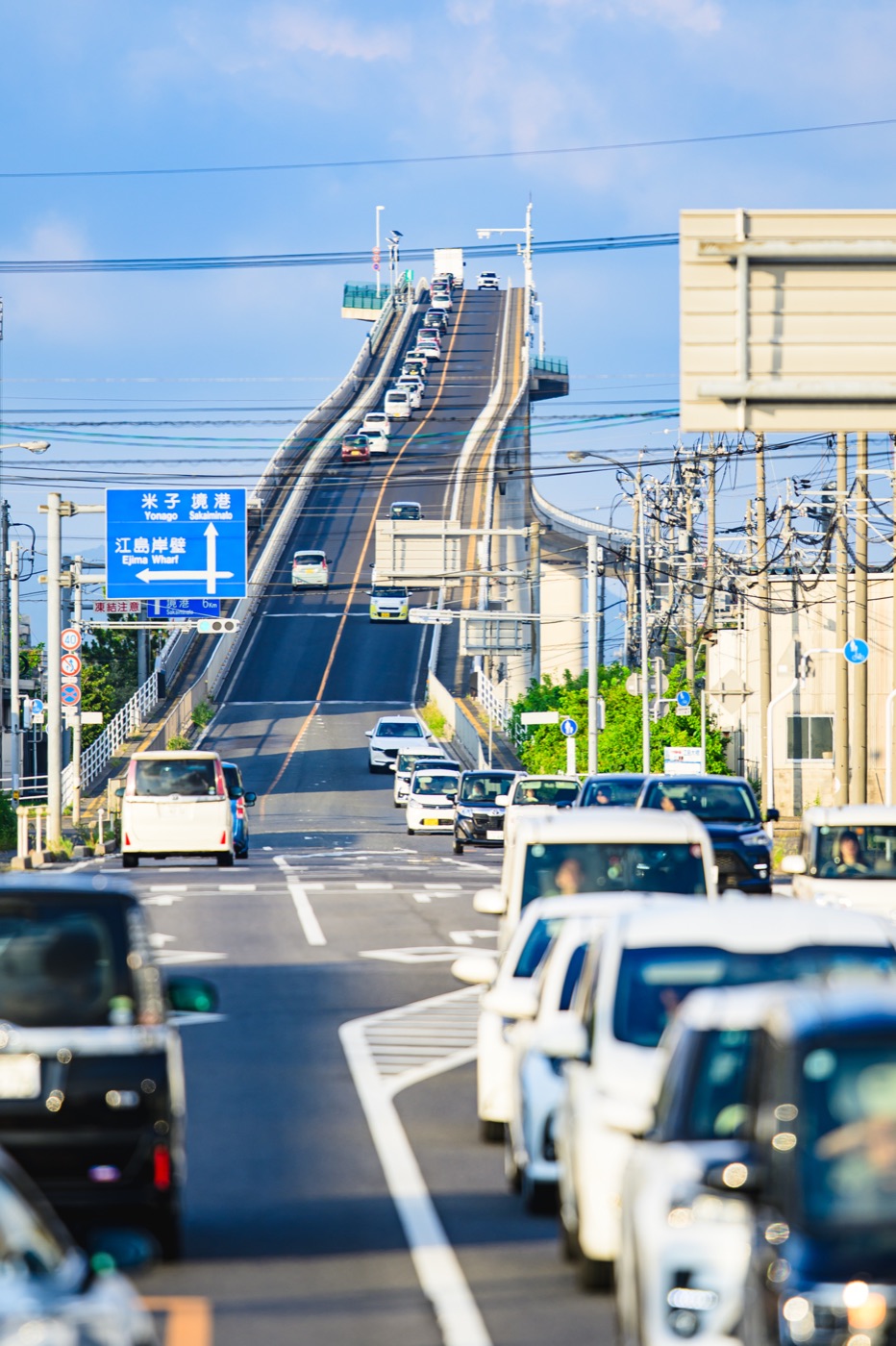
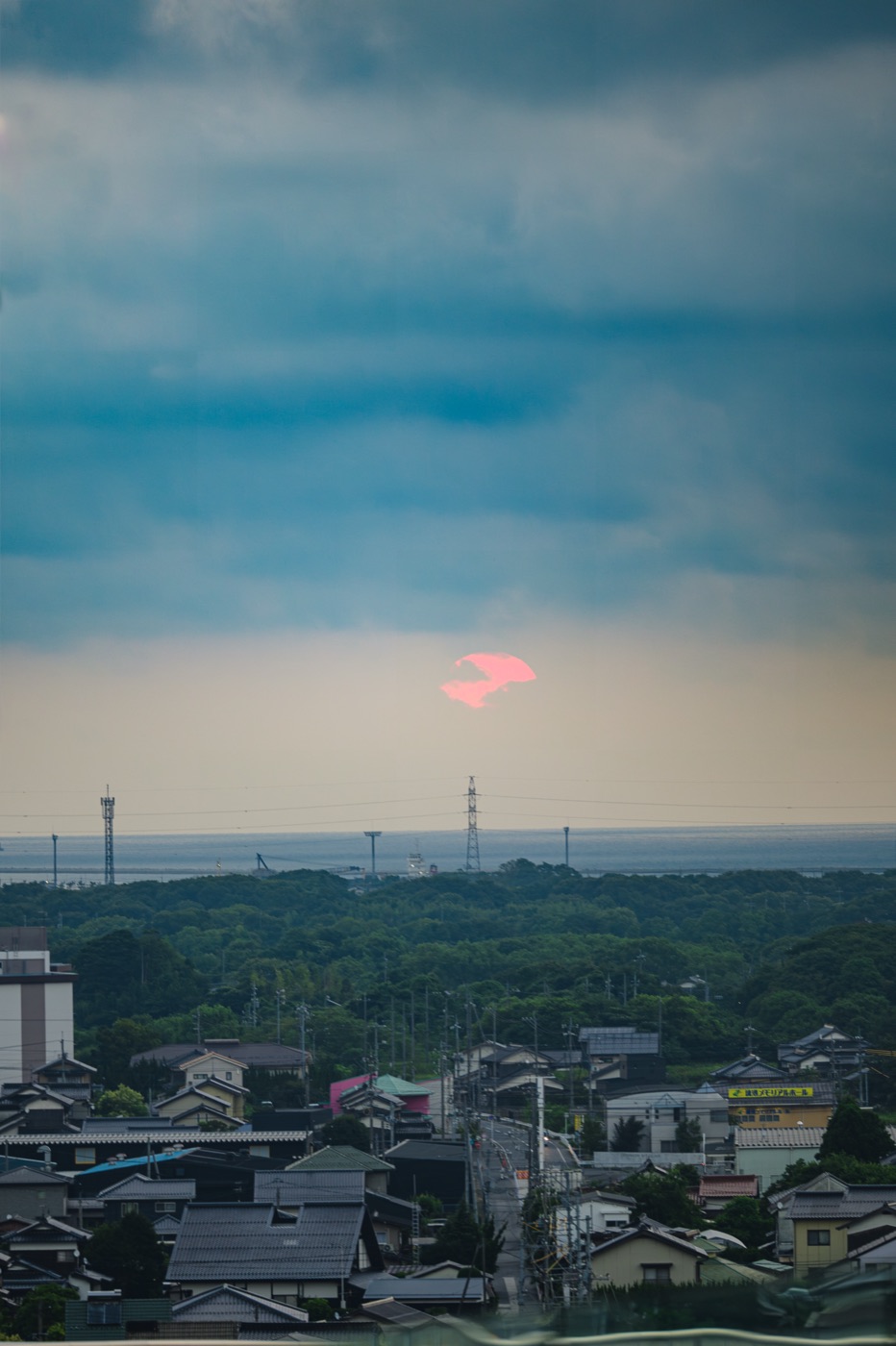
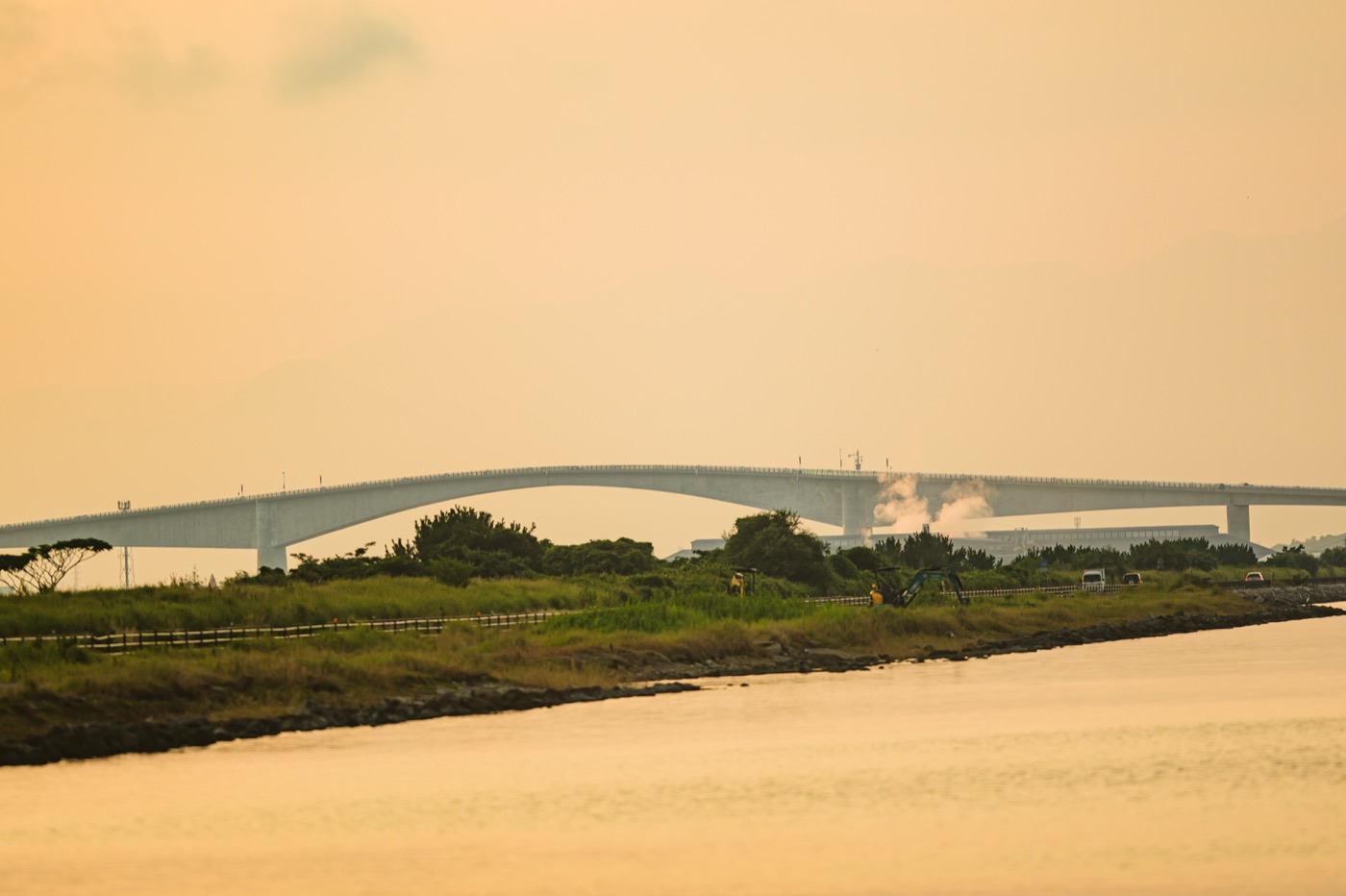
I also stopped at Eshima Ohashi on the border between Shimane and Tottori prefectures. It looked like a bridge I’d seen in photos, so I pulled over to take a few of my own.
Judging by the bridge’s position, I thought I might be able to photograph the sun rising beyond it if I came back the next morning. I returned early the following day, only to find the sunrise was nowhere near where I’d expected. A complete miss. As a bonus, the humidity was so intense that my camera fogged up with condensation.
Travel photography is part of the journey, including all the times a shot doesn’t go according to plan.
Yonago Station
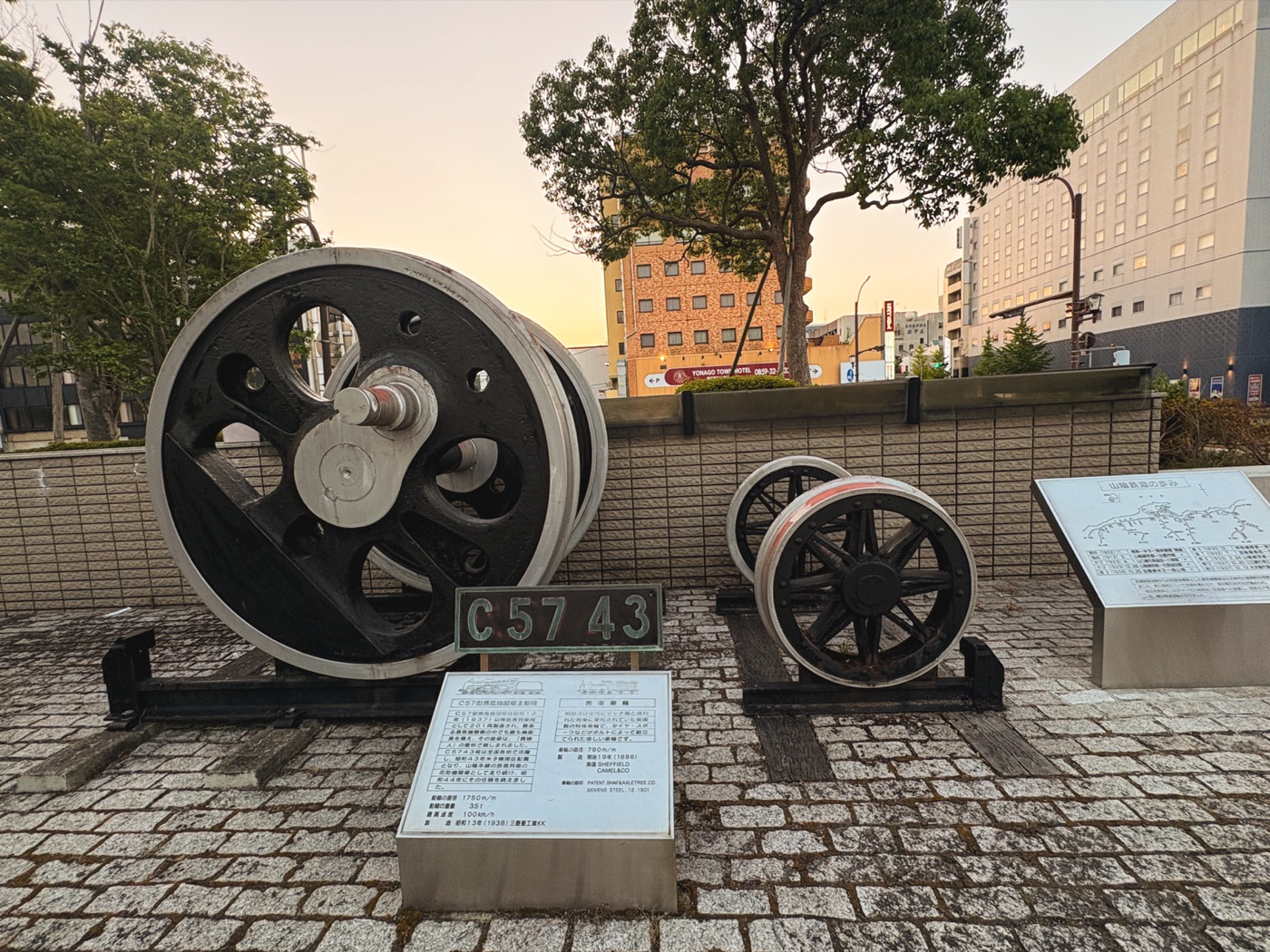
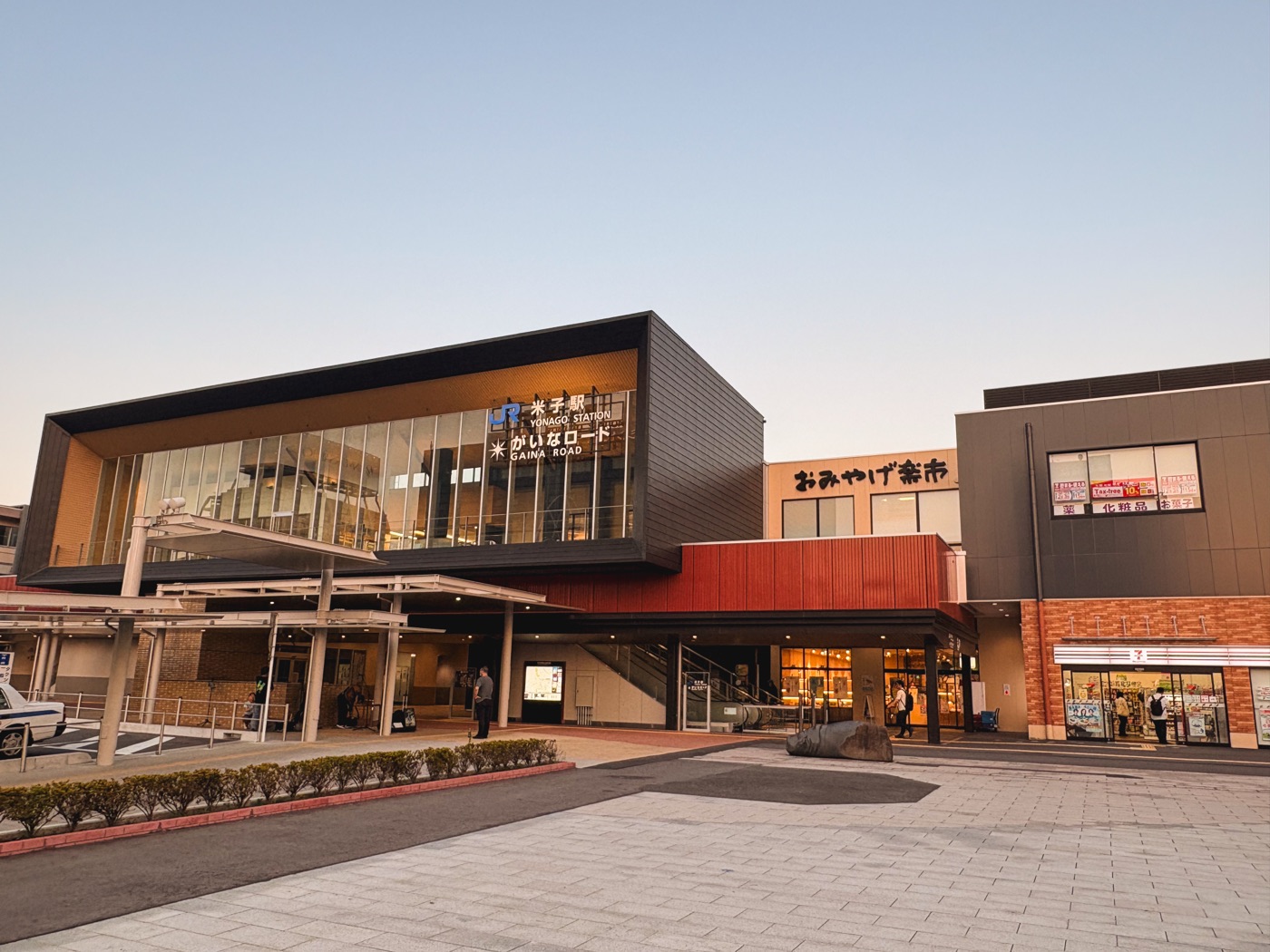
I headed to Yonago Station for dinner.
The station was more compact than I’d expected and seemed to have fewer souvenir shops than I’d imagined. My choice of dinner spot didn’t work out particularly well this time, so I’ll leave that part out.
August 5: From Nakaumi to Onomichi, Then Hiroshima
This was the final day of the trip. Once the end comes into view, I always get a little sad.
Early Morning at Nakaumi
With my plan to photograph the sunrise beyond Eshima Ohashi a complete miss, I changed gears and turned my camera toward Nakaumi in the early morning instead.
Herons and plenty of other birds gathered along the waterfront. The quiet morning felt refreshing, and Nakaumi looked like an excellent place for bird photography.
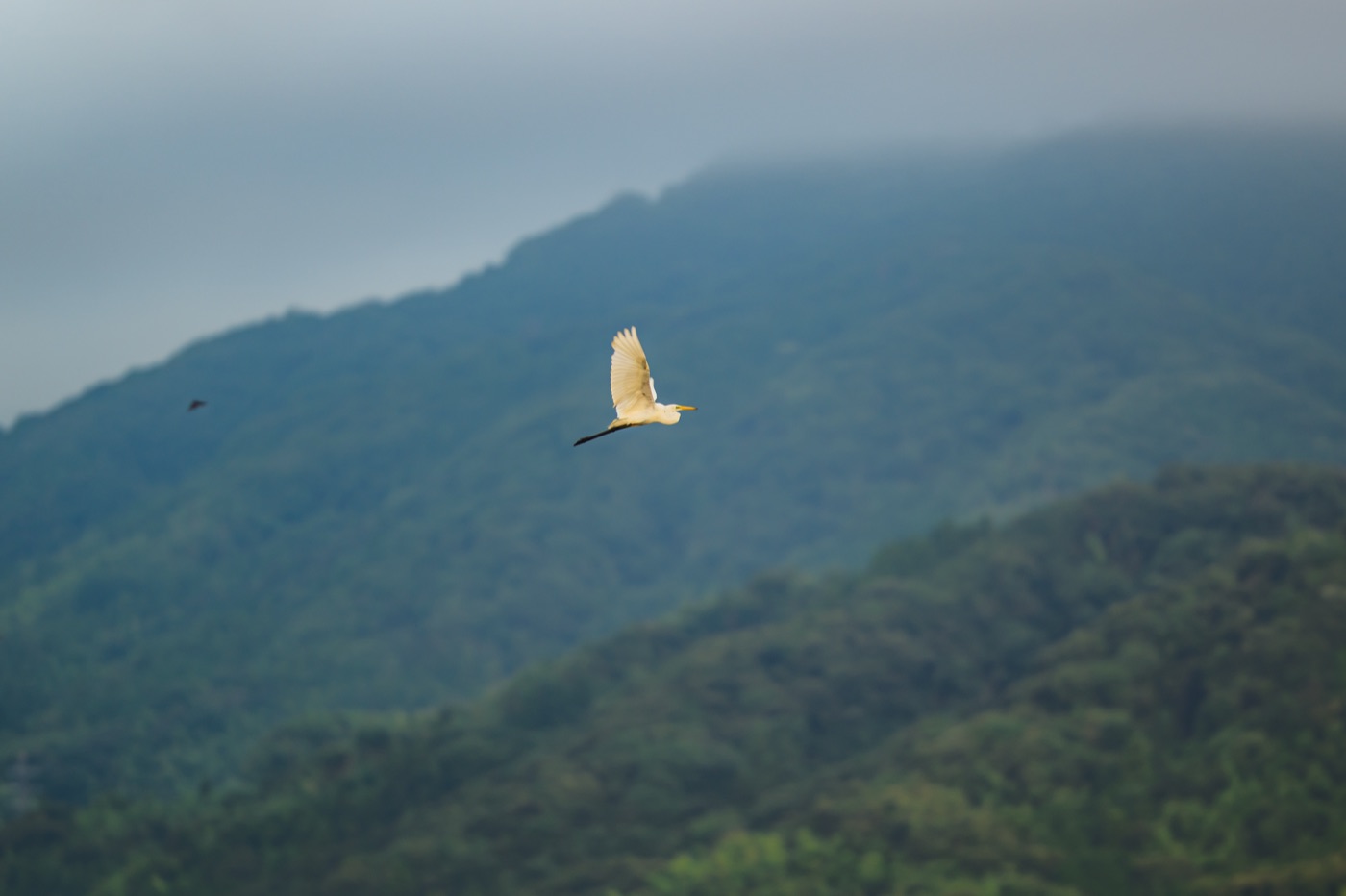
The problem is that I don’t currently own a telephoto lens long enough to photograph birds properly. Places like this make me want a new lens. Dangerous.
Onomichi
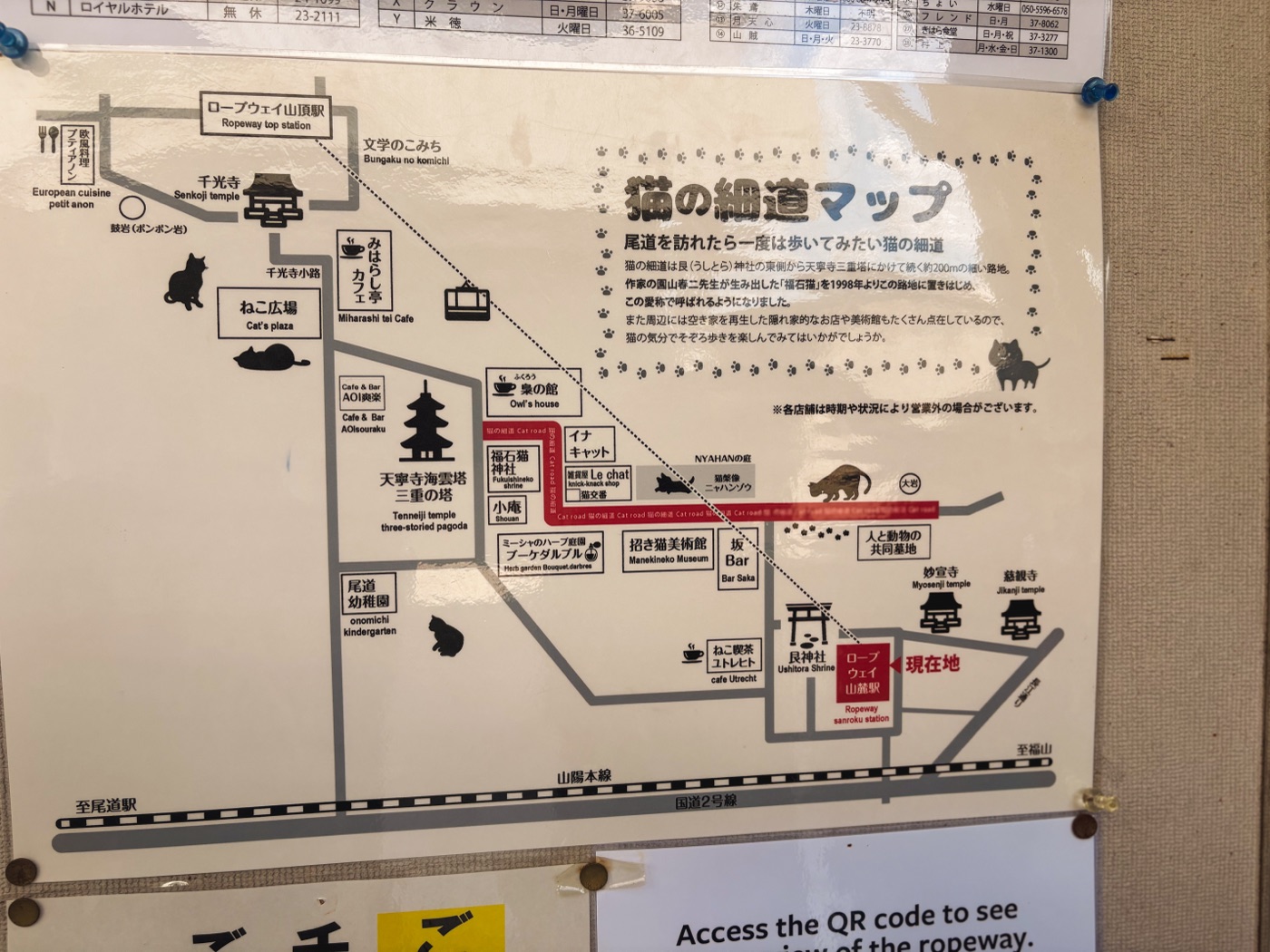
Leaving the San’in region, I returned to Hiroshima Prefecture and stopped in Onomichi. I came for Onomichi ramen and Neko no Hosomichi, or Cat Alley, with one casual question in mind: “Are there actually cats in Cat Alley?”
For lunch, I ordered kakuni ramen at Onomichi Ramen Ichibankan.
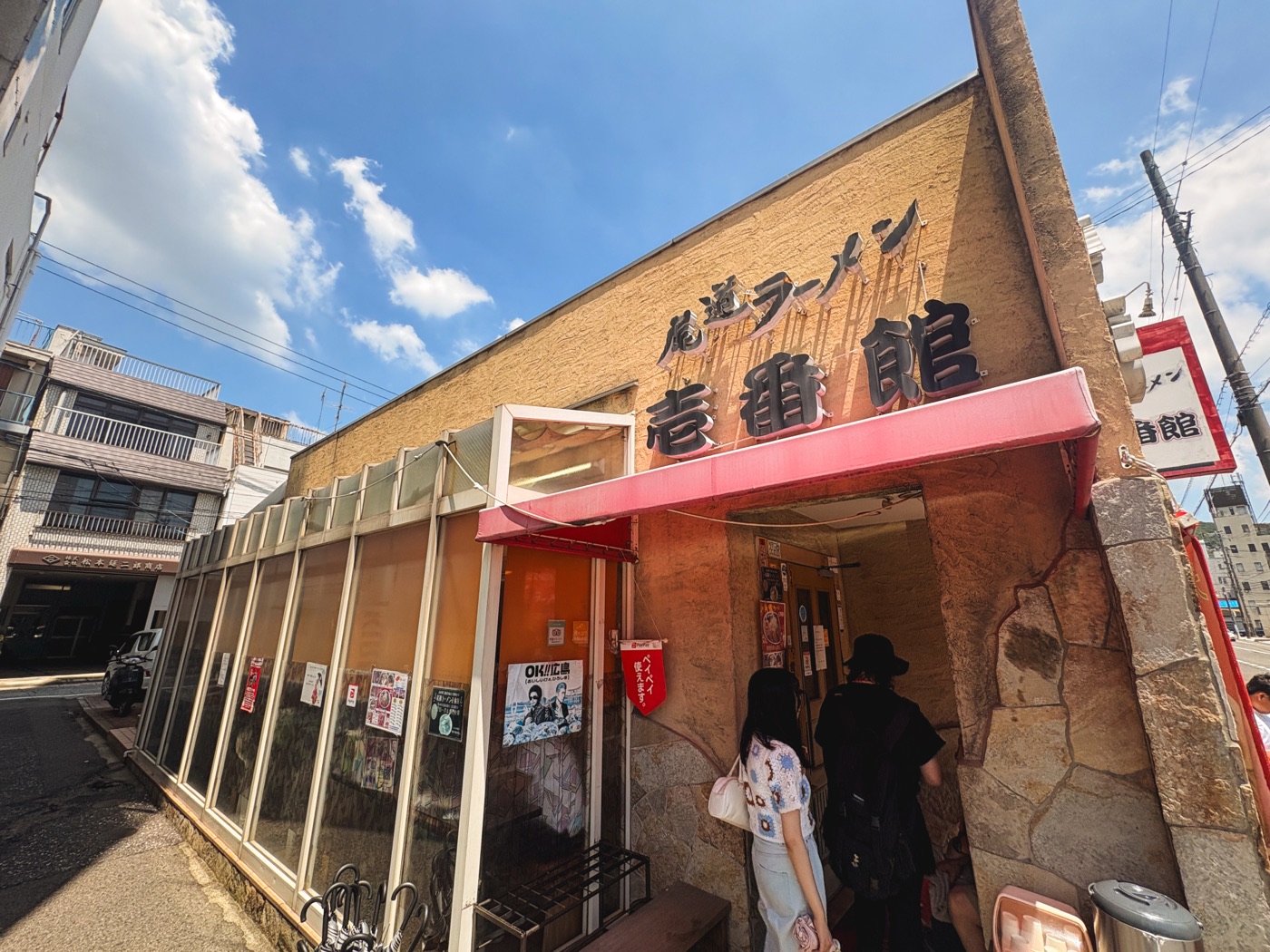
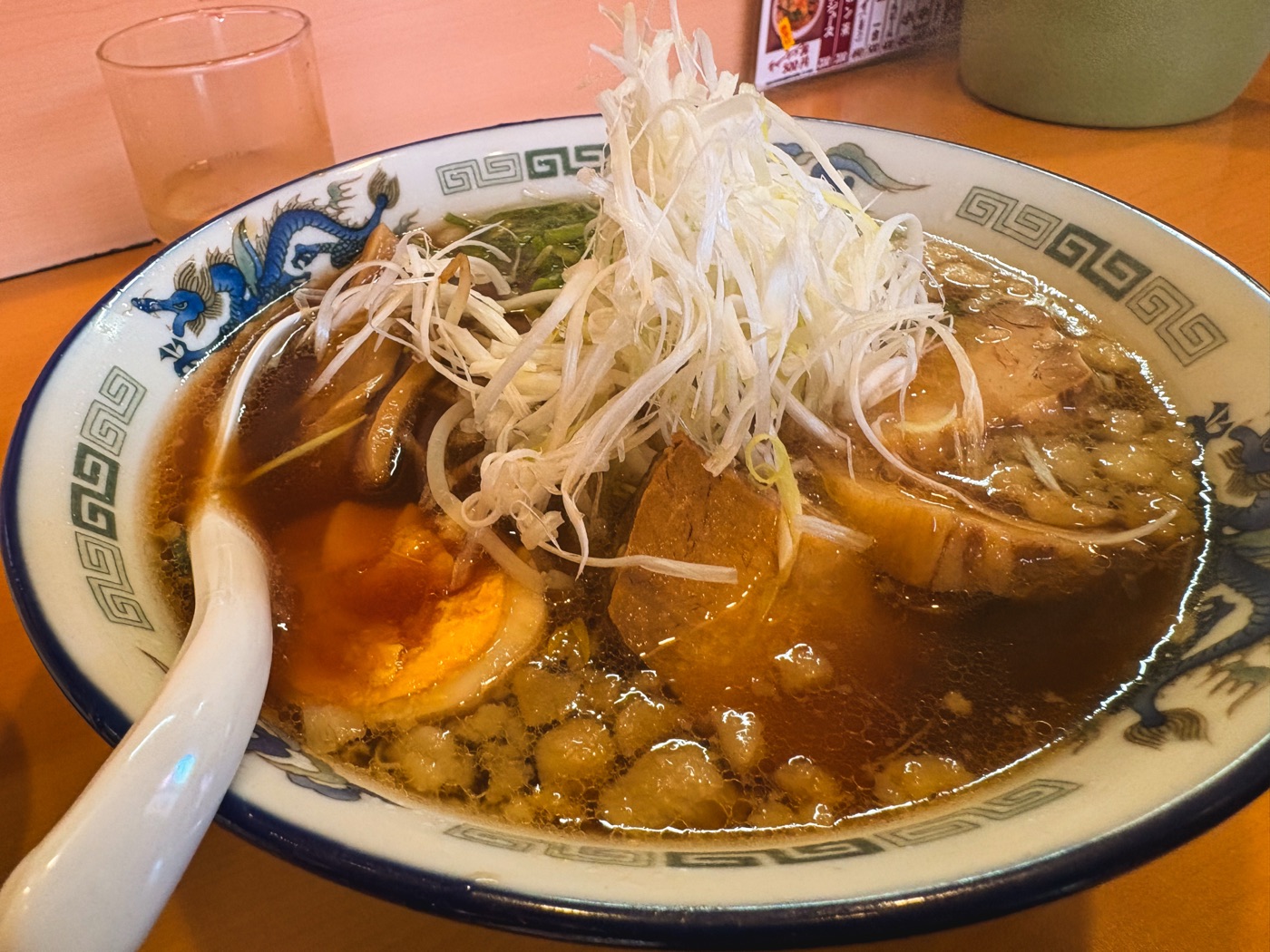
For no particular reason, I’d imagined Onomichi ramen as a light soy sauce broth with flat noodles. The bowl I actually ate fell somewhere between light and rich, the kind of flavor described in Japanese as “kossari.” It wasn’t what I’d pictured, but it was delicious.
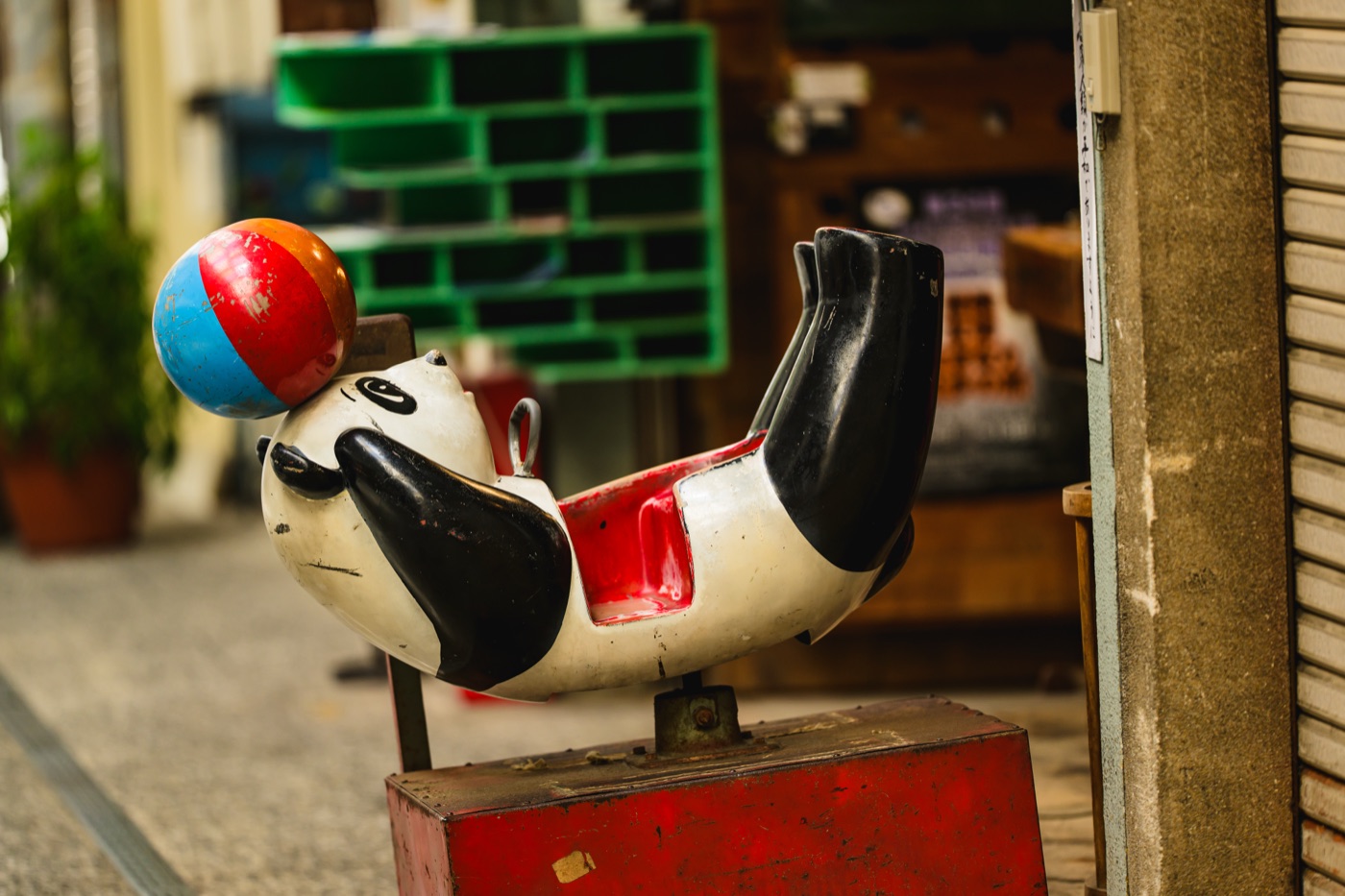
After the ramen, I walked through the shopping arcade. Old-fashioned signs and children’s rides still stood outside the shops, giving the street a great retro atmosphere.
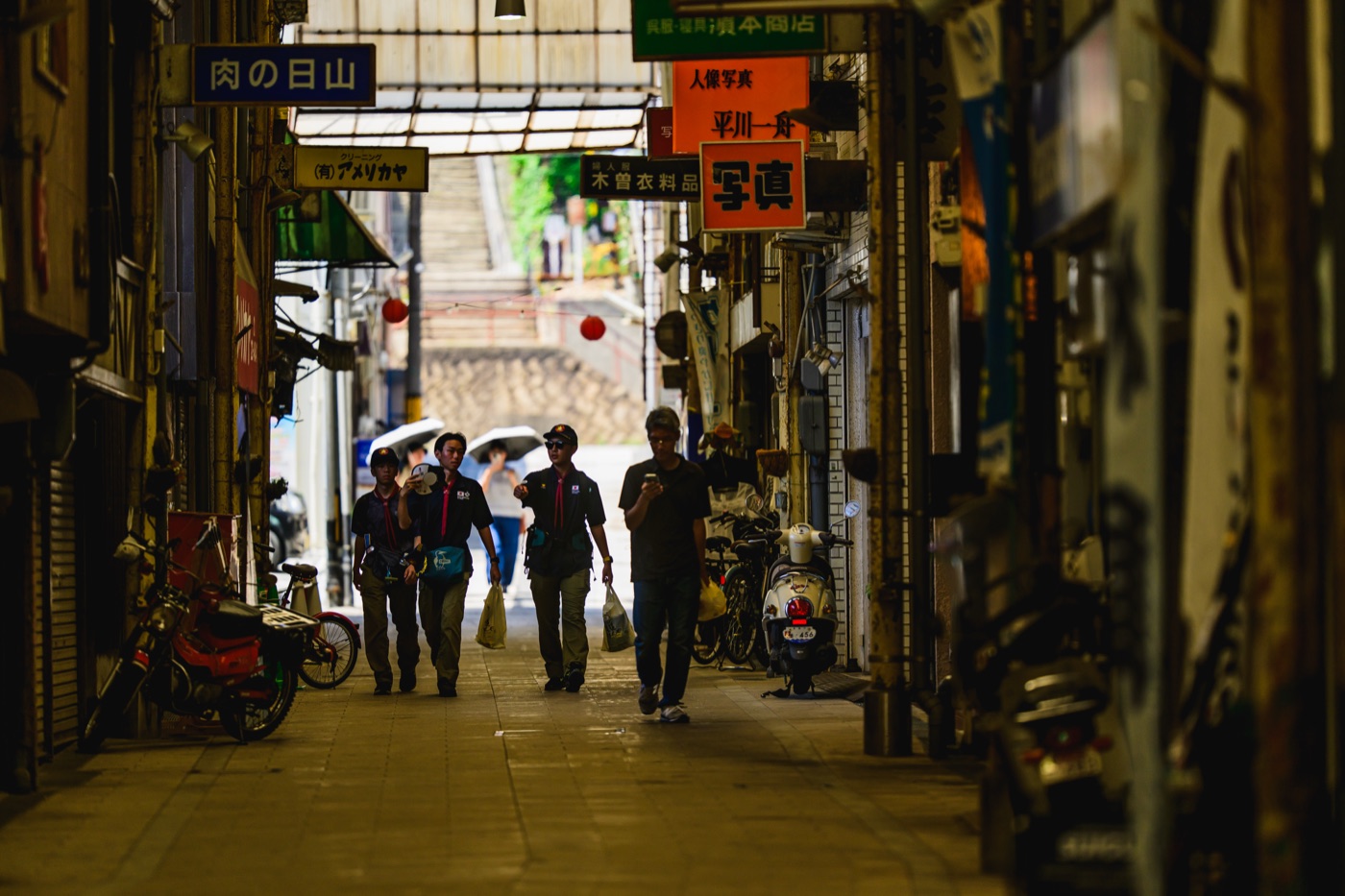
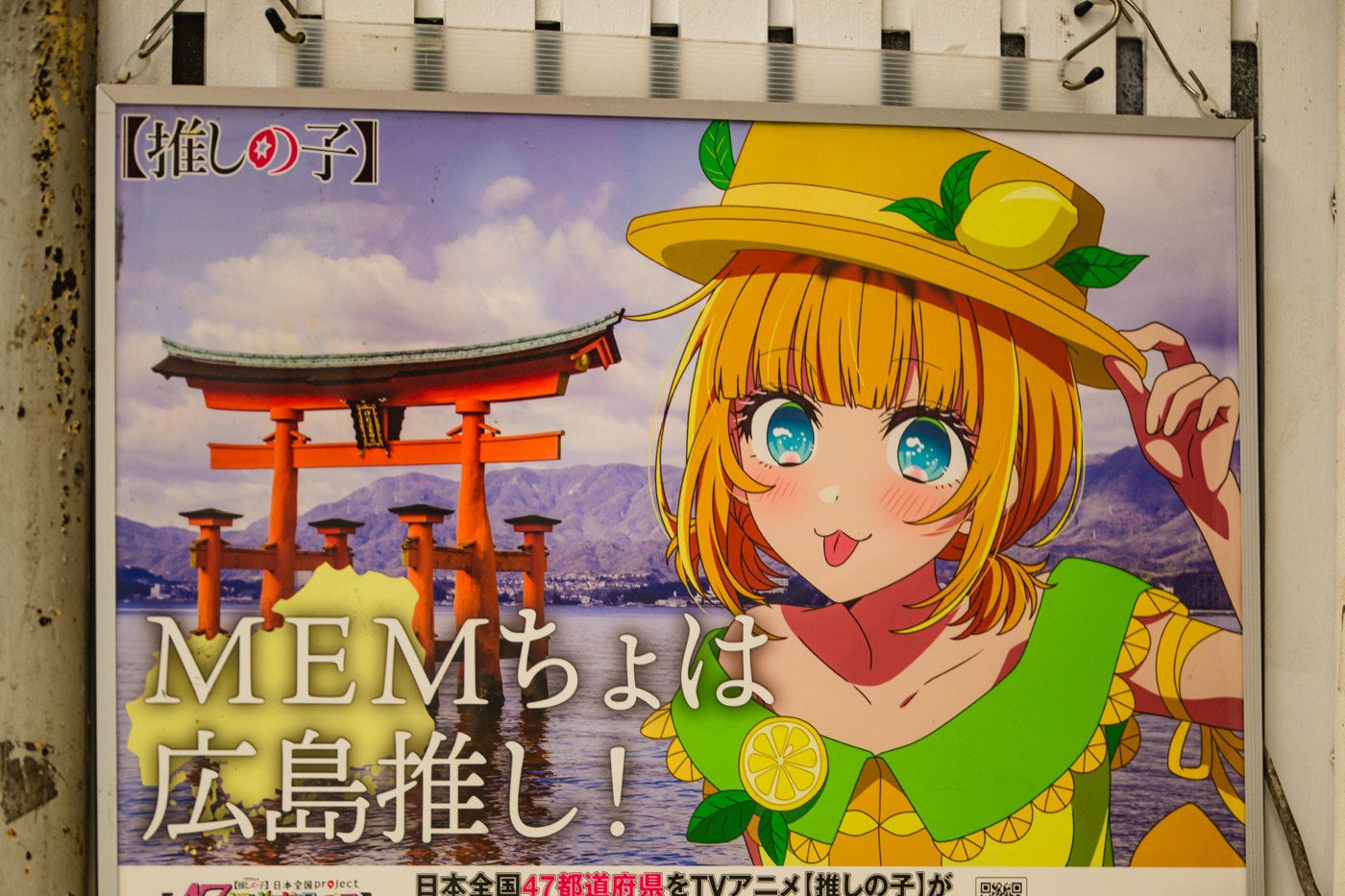
The shopping arcade also had a collaboration poster featuring Hiroshima Prefecture and the anime Oshi no Ko. Stumbling across promotions like this is one of the fun little surprises of traveling.
My next stop was Cat Alley. Rather than keep climbing stairs in the heat, though, I figured it would be easier to walk downhill on the way back. I took the Senkoji Ropeway up toward Senkoji Park first.
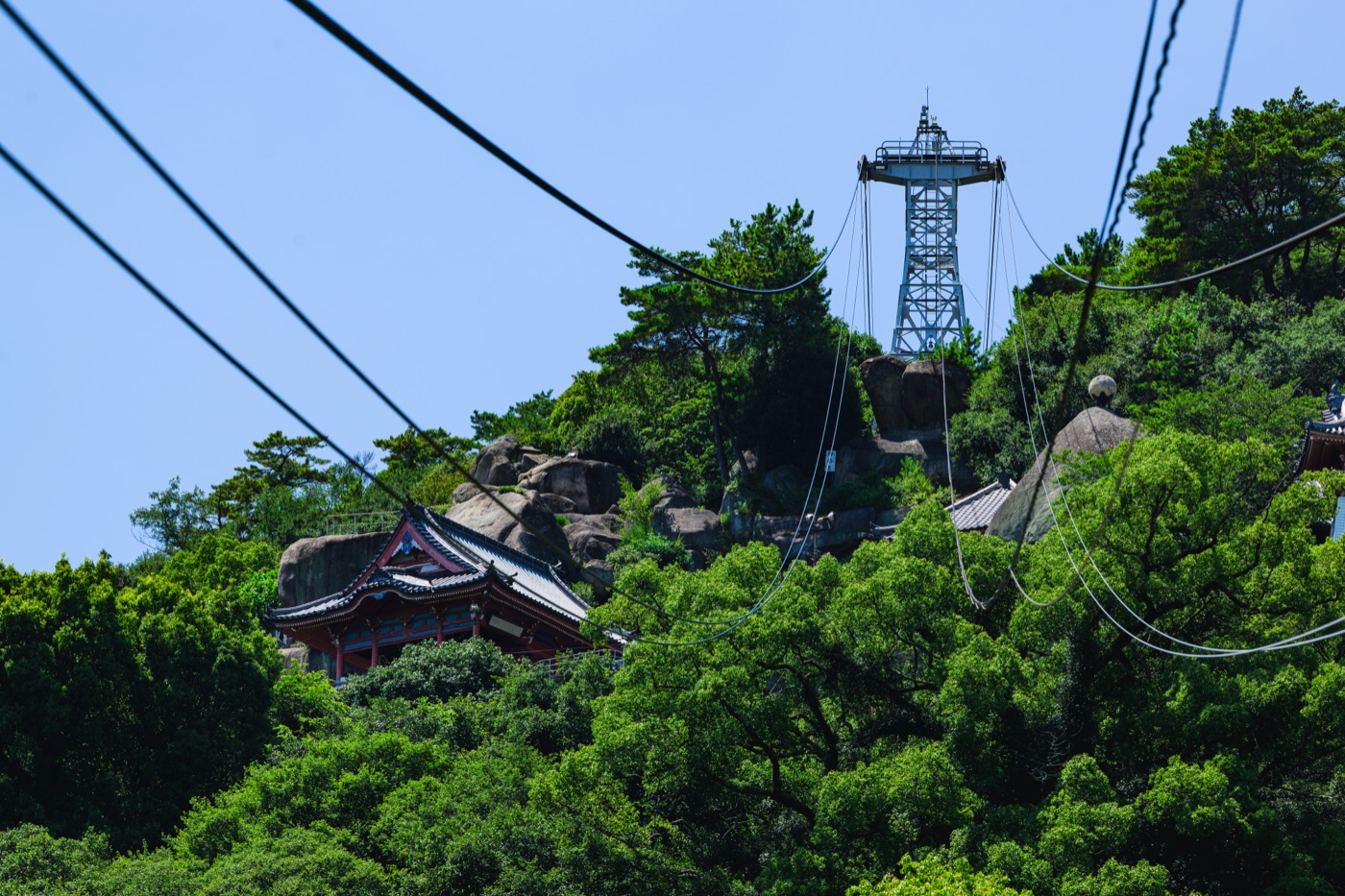
From the observation deck at Senkoji Park, one sweeping view took in the city of Onomichi, the Onomichi Channel, and the islands beyond. With the city spread between the mountains and the sea, the scene felt quintessentially Onomichi.
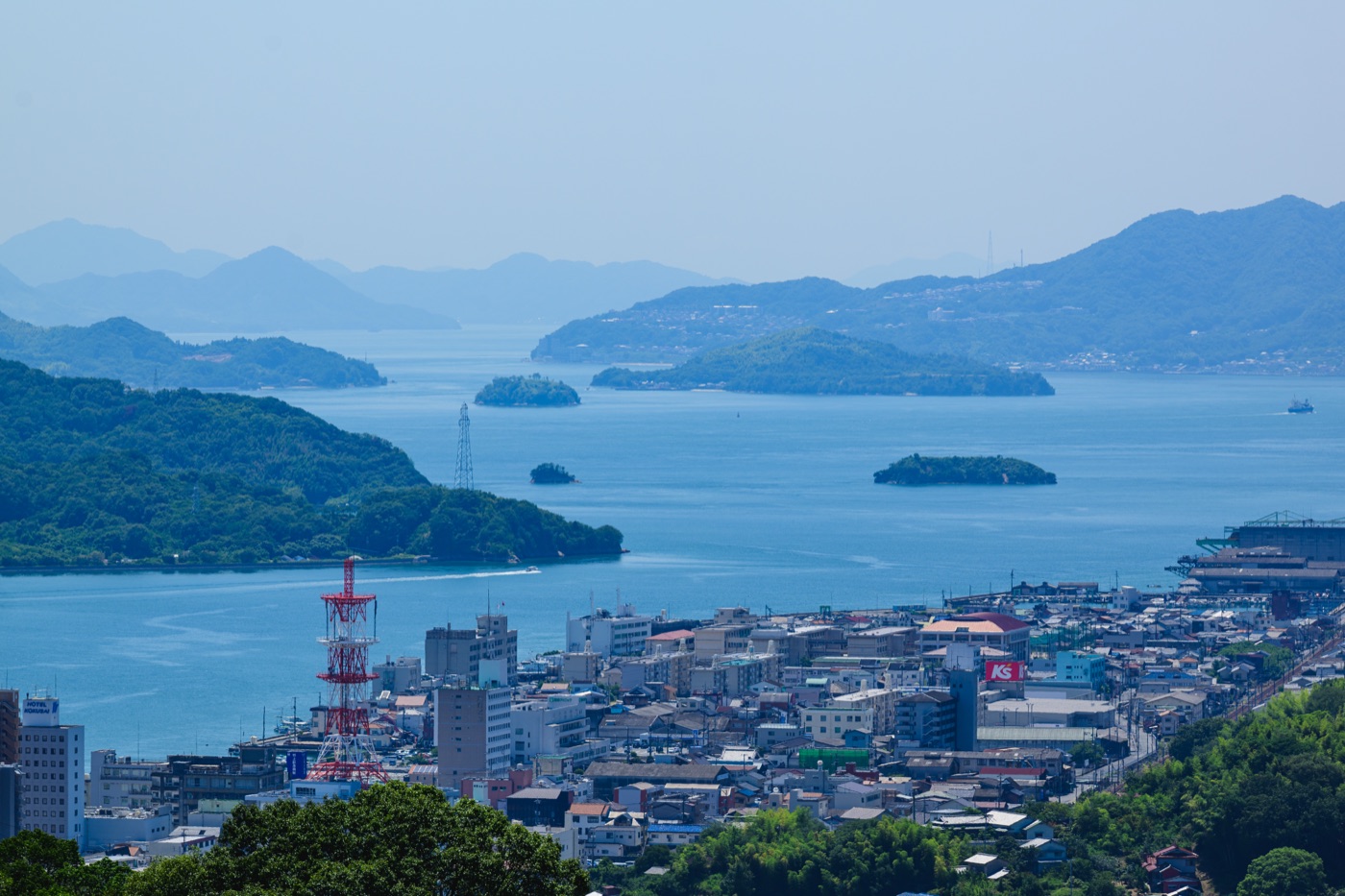
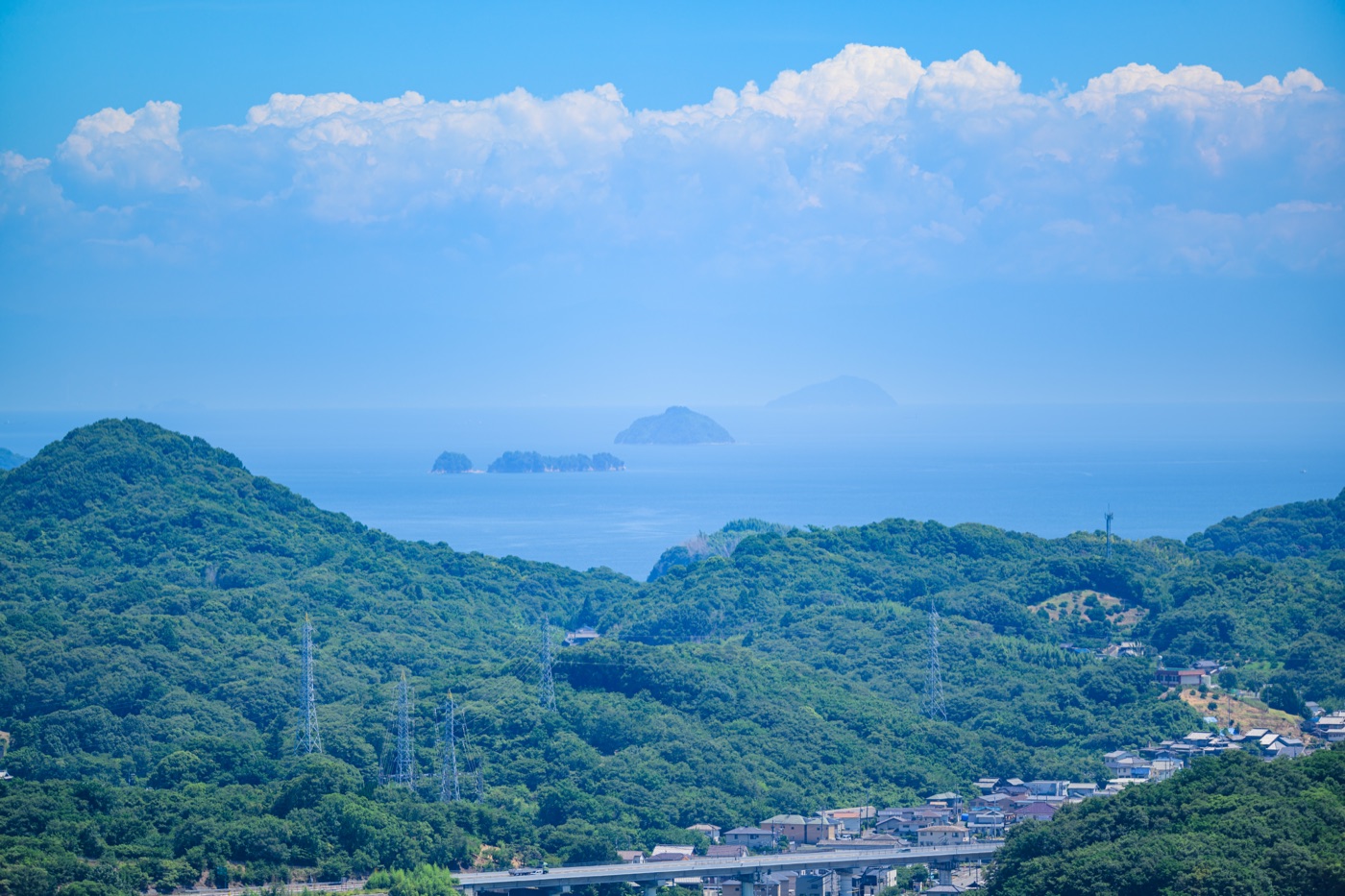
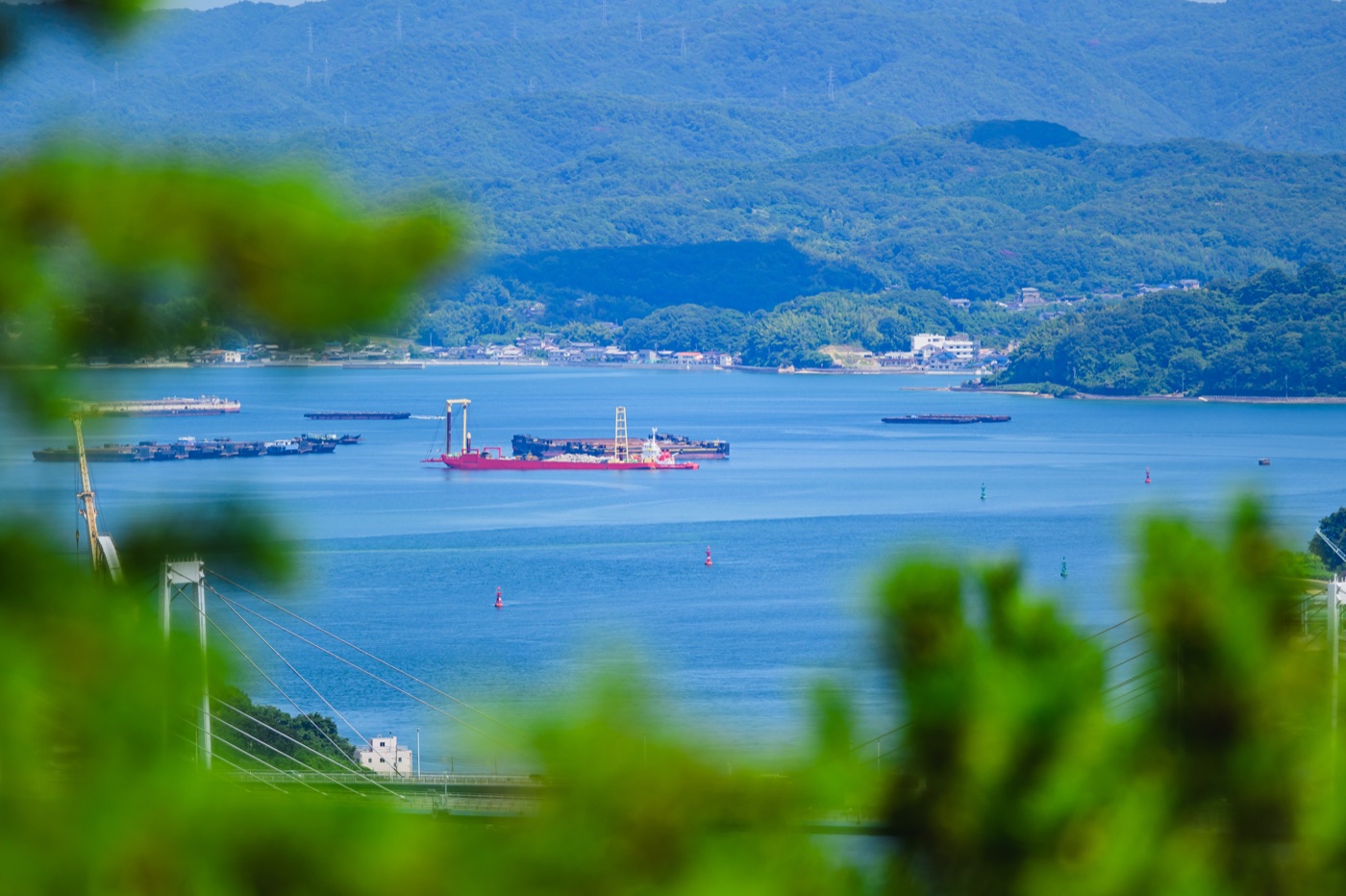
The stairs leading to the observation deck looked as though they stretched into the sky, adding a little drama. But once again, that day was far too hot.
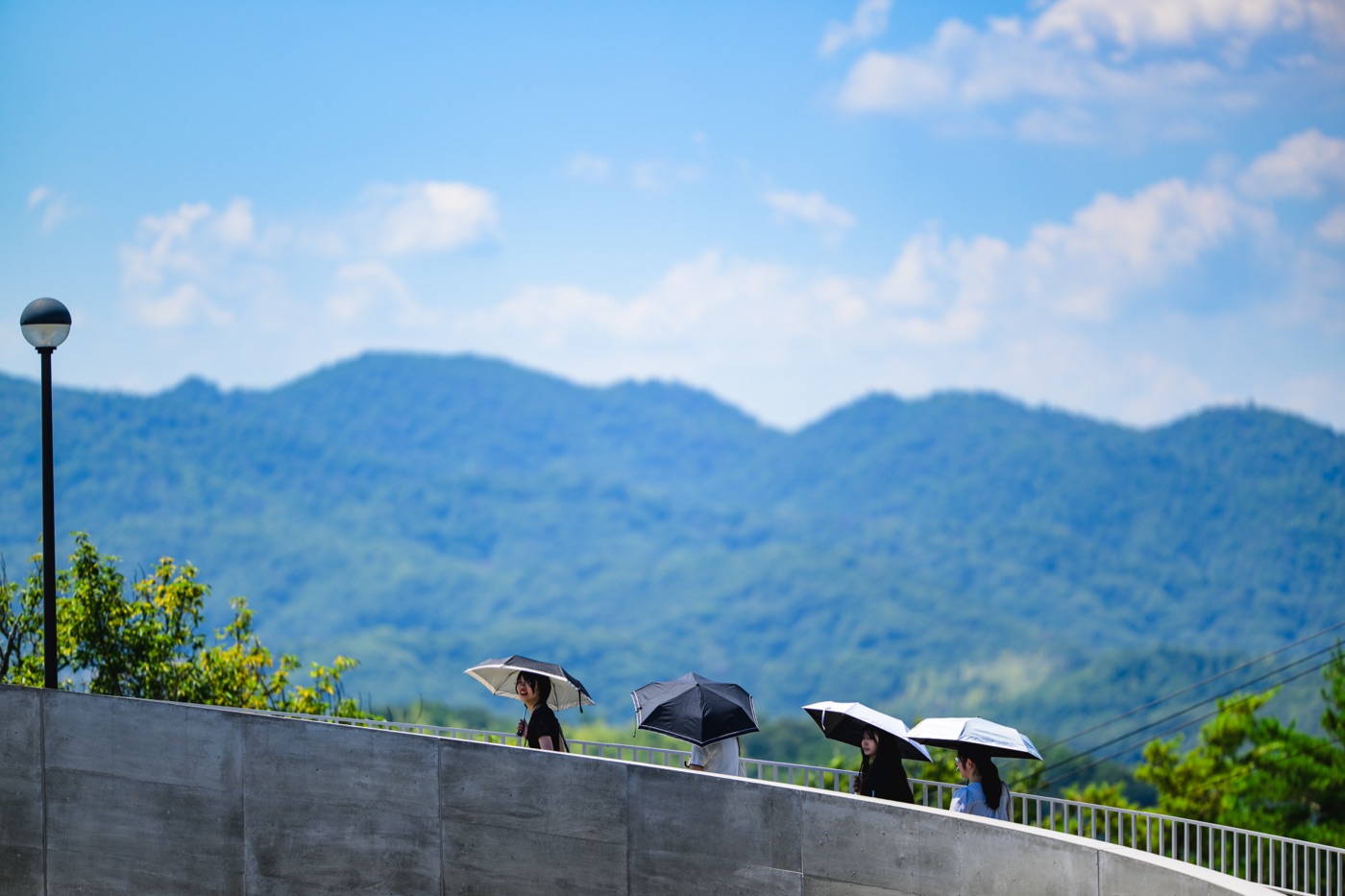
I took a short break with some mikan soft-serve ice cream. On a hot day, cold soft serve is enough to bring you back to life.
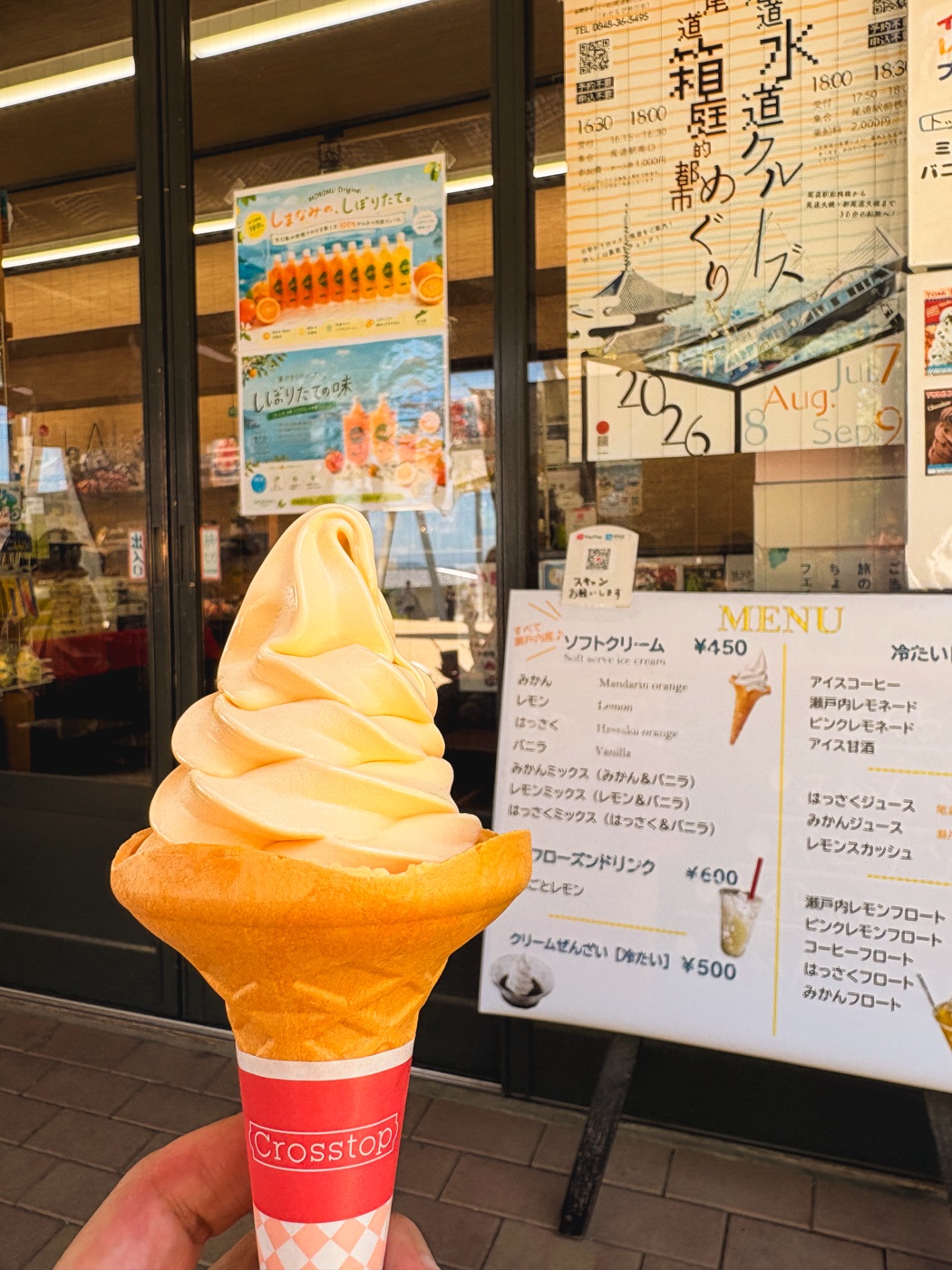
When I reached Cat Alley, the atmosphere felt a little different from what I’d imagined, so I decided not to walk through it this time and headed back down. The souvenir shops at the foot of the hill, however, were packed with cat-themed gifts. I may have skipped Cat Alley, but I still enjoyed Onomichi’s feline side right to the end.
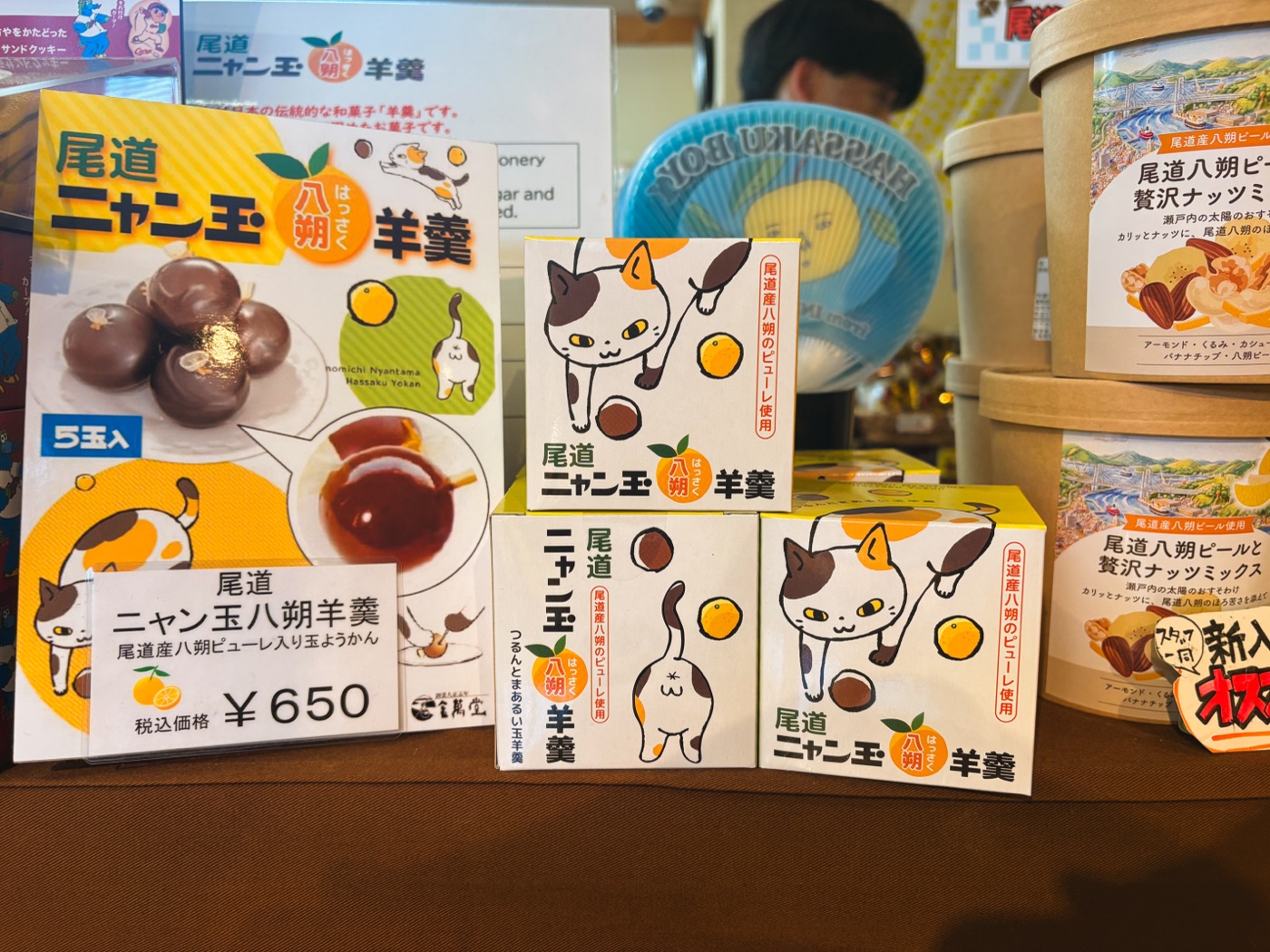
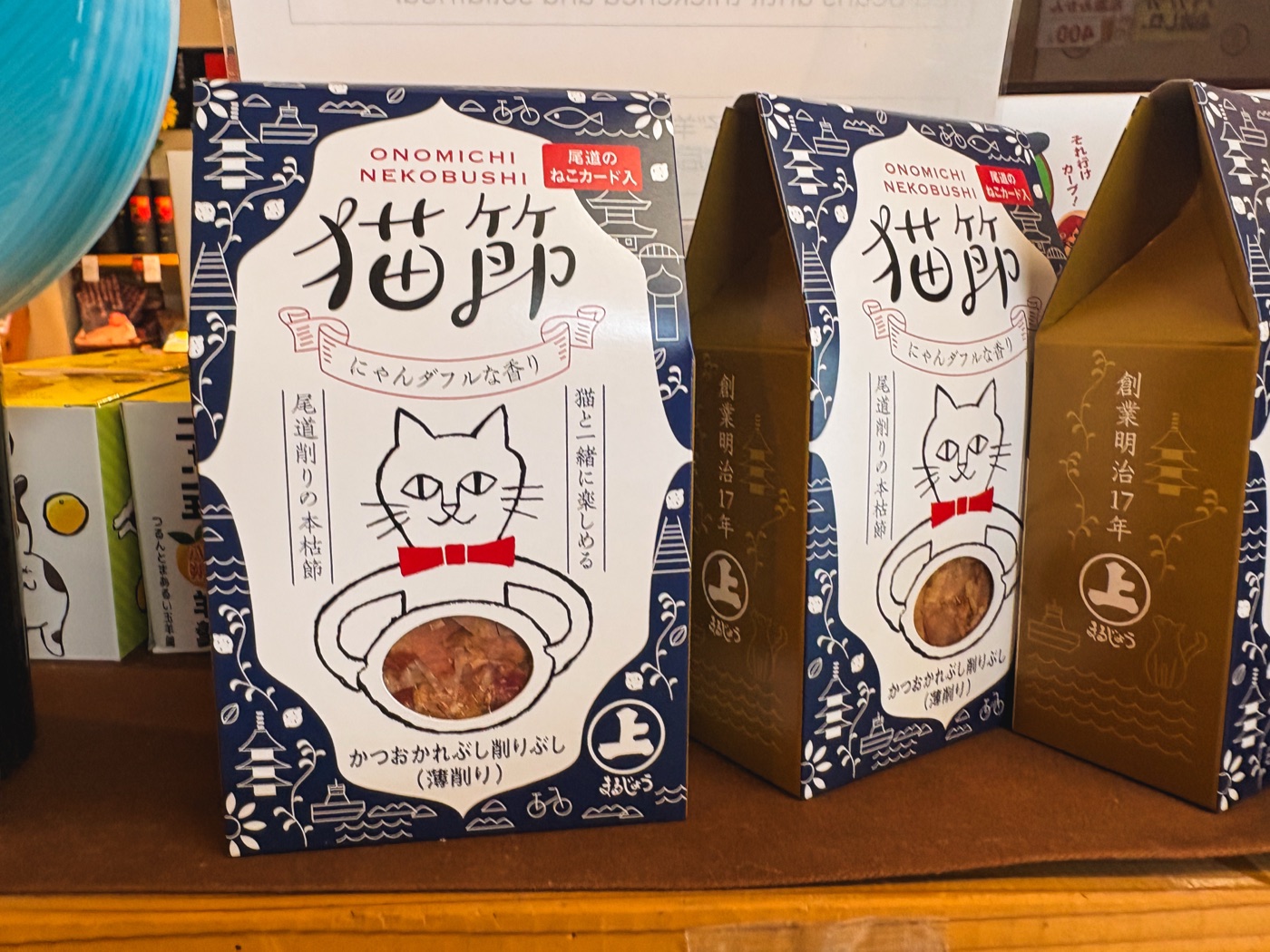
By then, I’d had my fill of Onomichi’s streets and scenery.
Hiroshima Station
The journey ended at Hiroshima Station.
I took a look at the elevated Hiroshima Electric Railway platform where the Ekimae Ohashi route enters the station building, then returned to Beer Stand Shigetomi, a place I’d visited several times during my stay in Hiroshima. Sushi came last, bringing the long journey to a close.
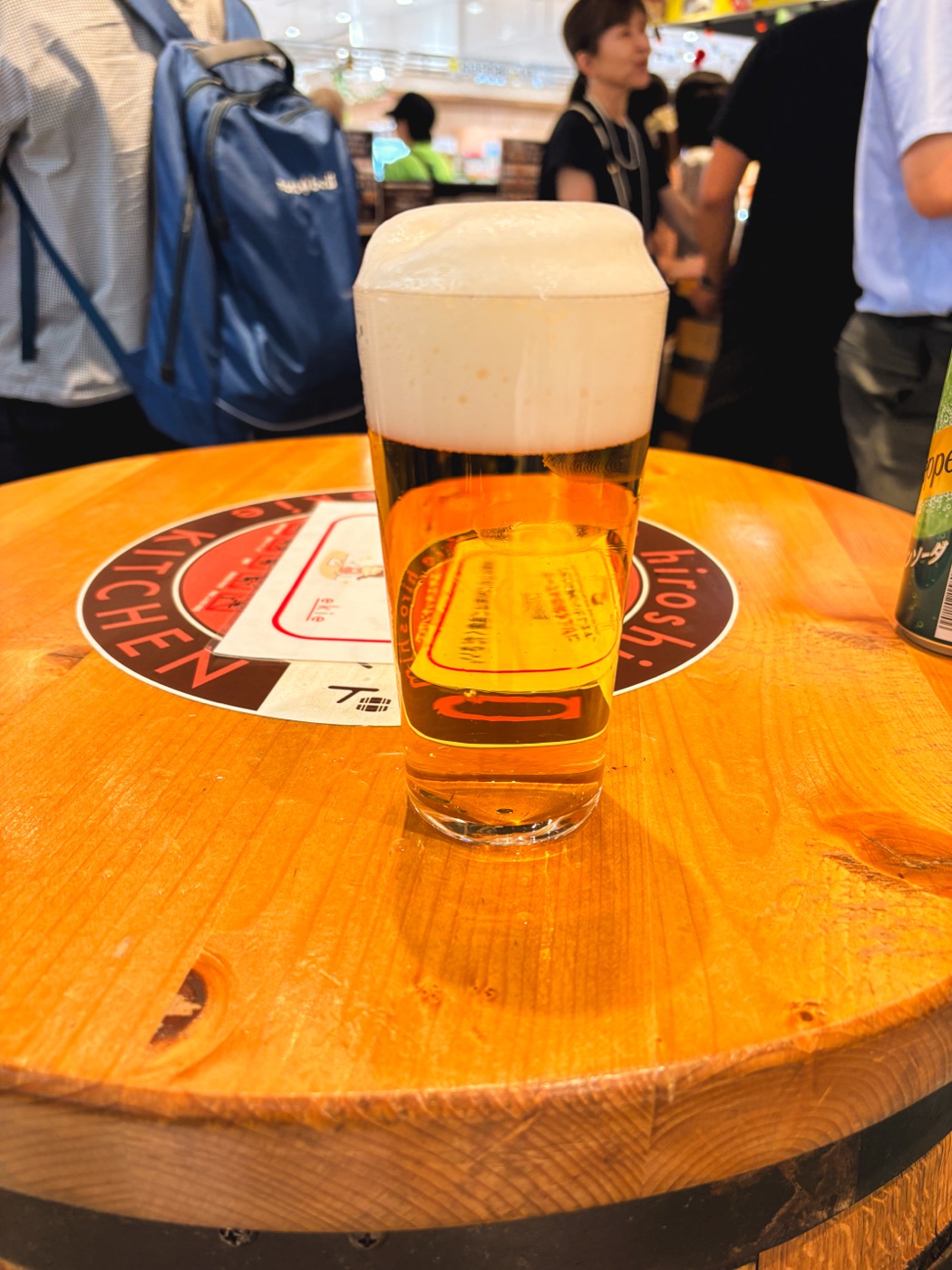
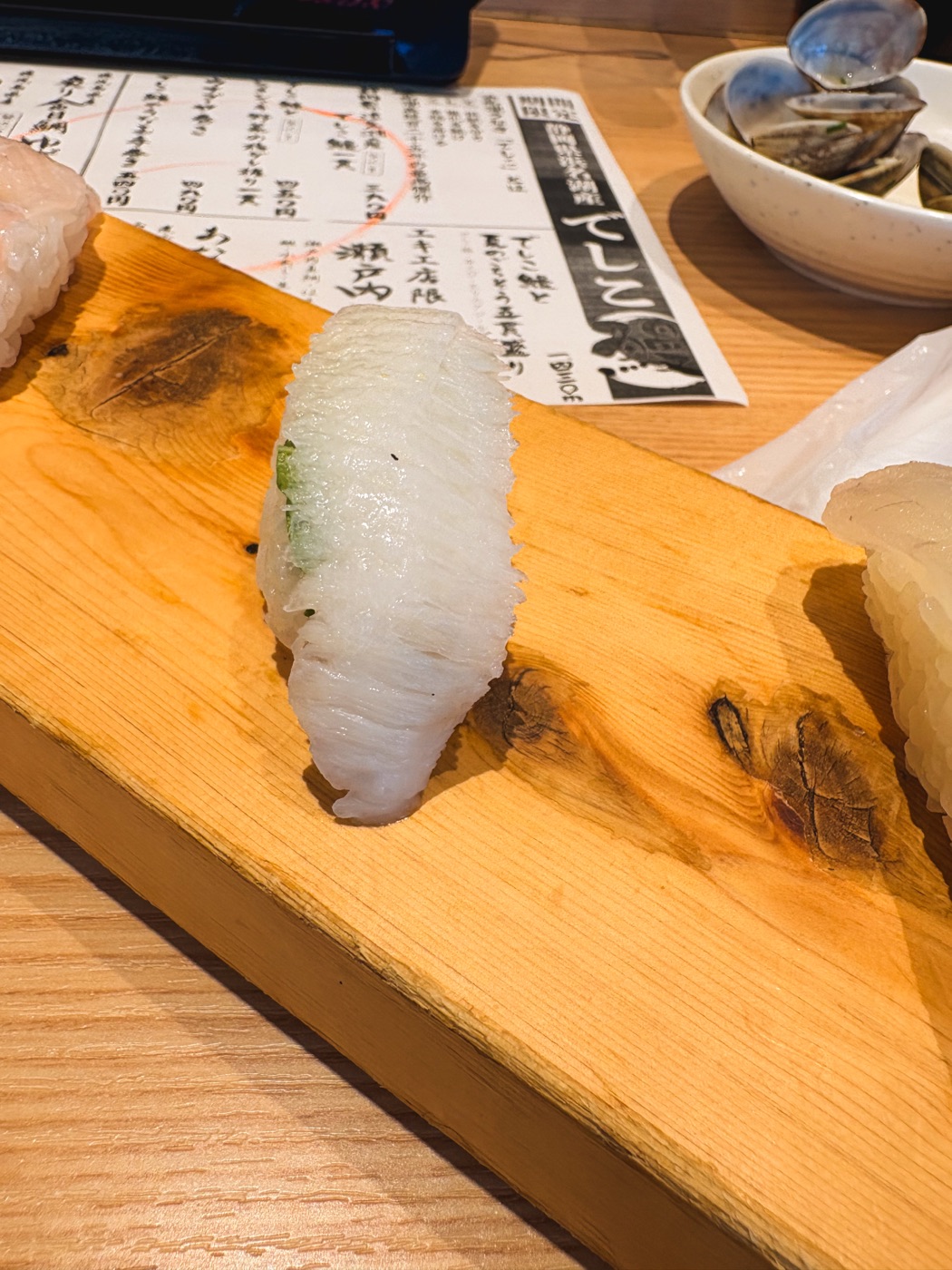
The trip had begun with Azure Travelers in Hiroshima, looped all the way around the San’in region, and ended back at Hiroshima Station. By then, it really felt like the journey was over.
Looking Back
This road trip covered more than 1,000 km. I hadn’t driven that much in a long time, but even the distance was part of the fun.
Part of the journey took me to land where my ancestors might once have lived, and part of it led through the mythic world of Izumo. It moved me another step toward completing the MISAMO stamp rally, carried me through the worlds of Detective Conan and yokai, and gave me the chance to photograph castles, sand dunes, and coastal landscapes.
Those three days packed in more things to see, experience, and feel than any single theme could capture. All that driving only made the trip feel more densely packed, and I had an incredible time.