Diving in Okinawa as a Beginner: Five Dives, Trip Costs, and Naha Food
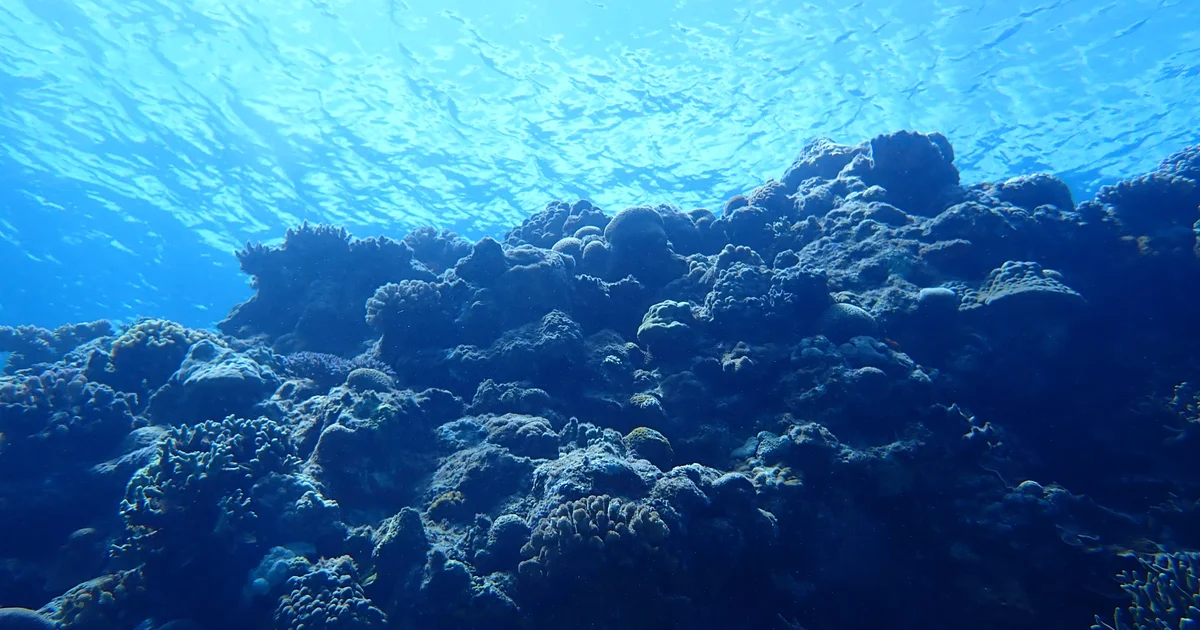
I took paid time off for a diving trip to Okinawa from October 4 to 7, 2026.
This was my first time diving since getting certified in Cebu in June. I’m still a beginner, and with a few months between dives, I was equal parts nervous and excited.
A coworker joined me, making this a trip for two. We work in different roles, so we had plenty to talk about over drinks, including work. The time out of the water was fun, too.
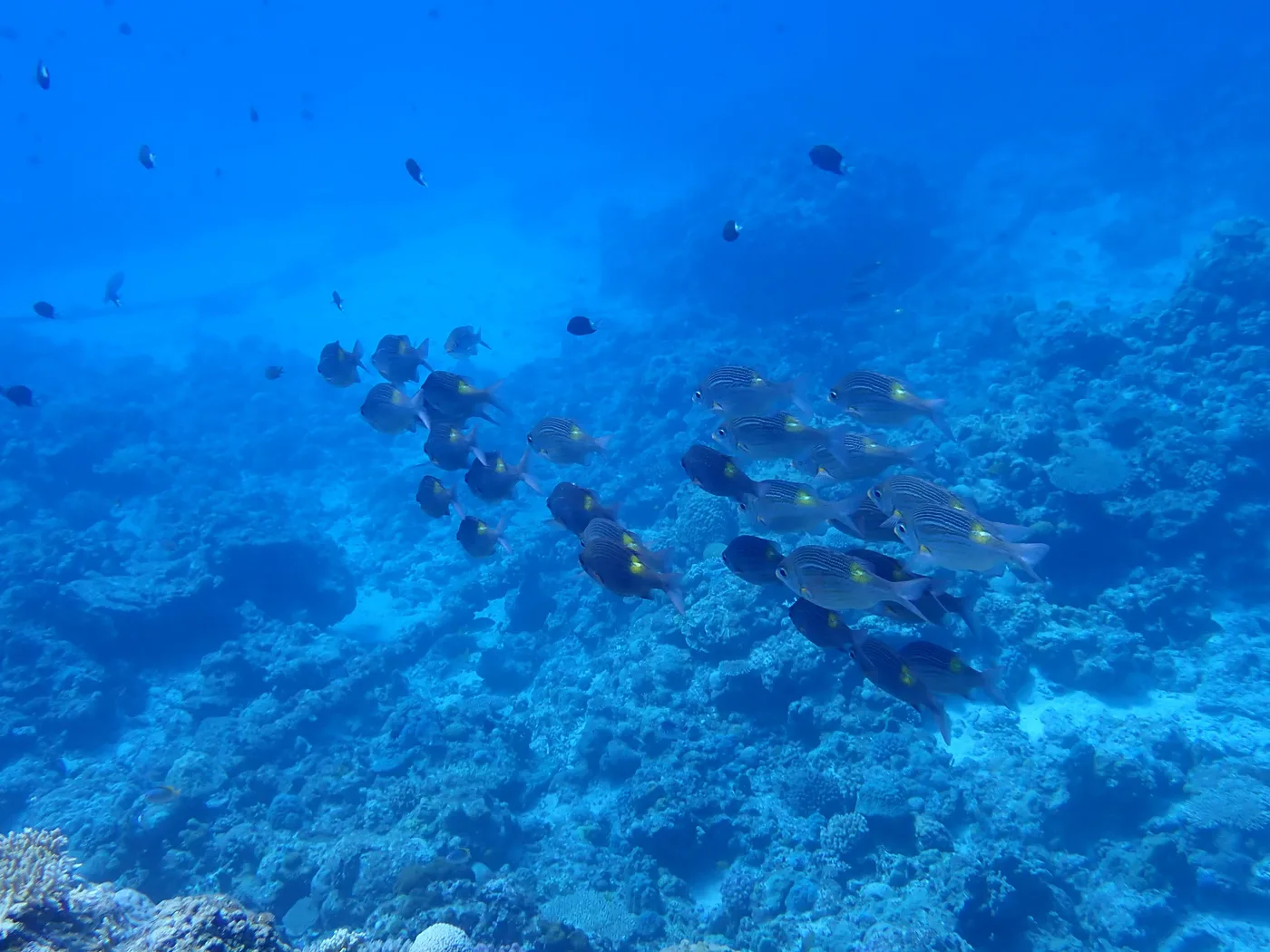
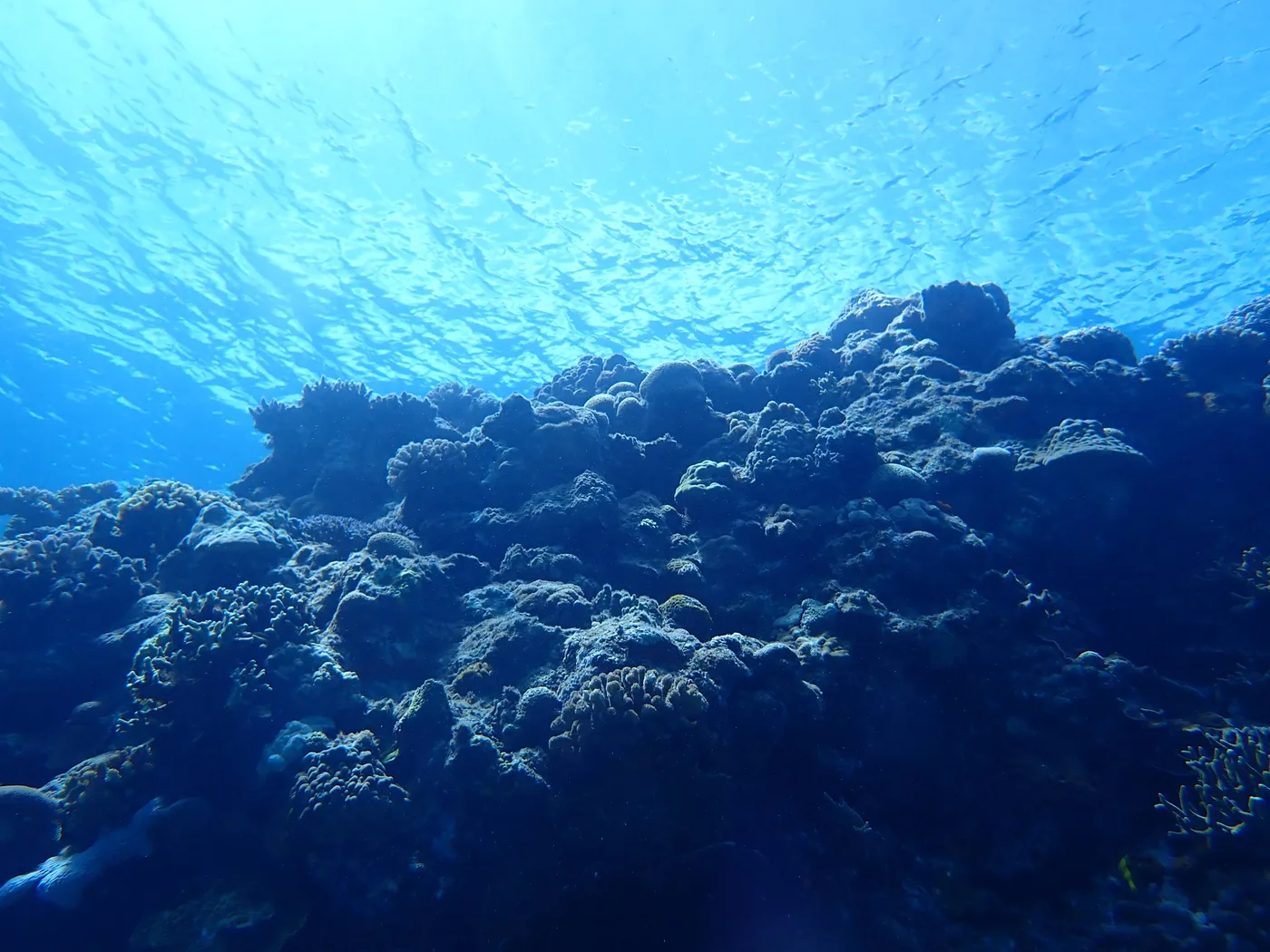
We stayed in Naha and did five dives: three around the Kerama Islands and two around Kamiyama Island. Equalizing my ears and managing my buoyancy were a struggle, but the clear water, rippled sand, coral formations, and sea turtles left me wanting to get back in the water.
This is a trip report about guided recreational dives—often called “fun dives”—as a beginner who was already certified. This article isn’t a guide to introductory dives for uncertified divers or to dive training. If you’re considering diving in Okinawa, I hope this gives you a feel for a typical day and the things that tripped me up as a beginner.
Table of Contents
- The Trip at a Glance and Diving Costs
- October 4: Beer at Haneda and Okinawan Food in Naha
- October 5: Back in the Water at Kerama
- October 5 Evening: Pork and Beef Shabu-Shabu
- October 6: Sea Turtles and a Rock Arch at Kamiyama Island
- October 6 Afternoon: Steak, Churaumi Aquarium, and Bise
- October 6 Evening: A Reservation Mix-Up, Tempura, and Sushi
- October 7: Tofu Soba Before Heading Home
- What I Learned as a Beginner and Why I Want to Go Back
The Trip at a Glance and Diving Costs
We dived with Liberte Naha and stayed at Nishitetsu Resort Inn Naha. We used the dive shop’s hotel pickup service for both days of diving.
| Item | My trip |
|---|---|
| Dates | October 4–7, 2026: 3 nights, 4 days |
| Type of diving | Guided recreational dives after certification |
| October 5 | 2 morning dives and 1 afternoon dive around the Kerama Islands |
| October 6 | 2 morning dives around Kamiyama Island |
| Gear | Full rental |
| Underwater photos | Photos taken by the guide were included in my plan, with permission to use them freely |
| Diving cost | About 55,000 yen for 5 dives and full gear rental |
The roughly 55,000 yen was what I actually paid for diving on this trip—not the entire vacation. Flights, the hotel, meals, and sightseeing aren’t included. Prices depend on the plan and rental options, so check the shop’s current rates and conditions when you book.
Five dives with all the gear included cost less than I’d expected.
Another nice part of my plan was having the guide take underwater photos. All the photos here taken during the dives are the guide’s work; the aquarium photos later in the article are separate. I was told I could use the diving photos freely, so I’m happy to share them here. Having photos to revisit the underwater scenery afterward made the trip even better.
October 4: Beer at Haneda and Okinawan Food in Naha
An early arrival and a beer at HUB
We’d arranged to meet at Haneda Airport around 2 p.m. But the direct bus service from my nearest station had been cut back, leaving only morning departures.
That meant leaving home before 11 a.m. and getting to the airport shortly after noon. With time to spare, I stopped at HUB for a light meal and a beer. A discount coupon for Punk IPA was available again. Not a bad start to the trip.
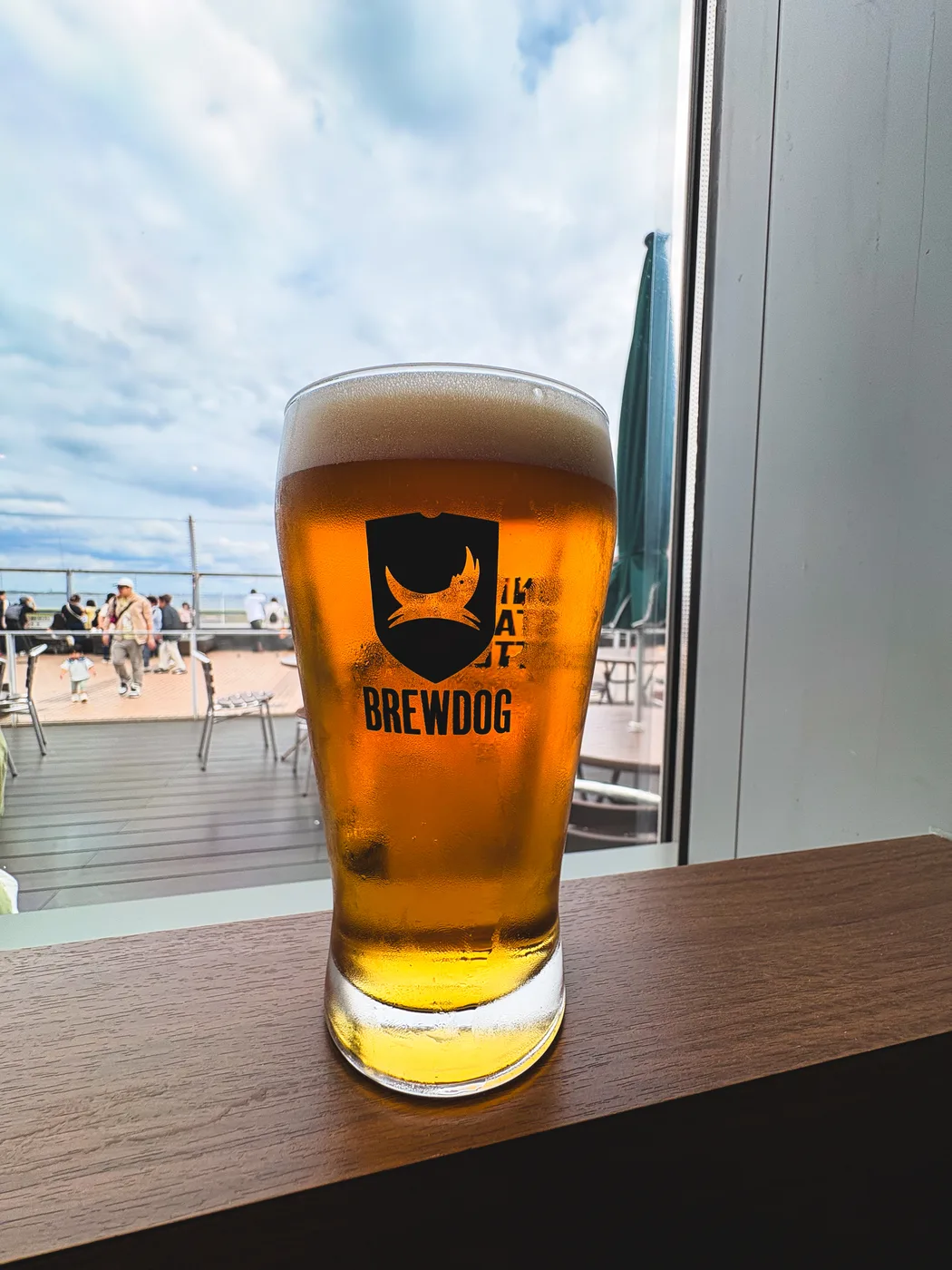
On the plane, I fell asleep almost as soon as I sat down and woke up just before takeoff. With the beer still making me sleepy, I dozed off again for about an hour.
Once I was awake, I opened my laptop to play around with GitHub Copilot and spent some time gaming on my iPhone. After a flight of about 2 hours and 40 minutes, we landed at Naha Airport.
We took a taxi to the hotel. My room had a slightly unusual layout: the bathroom beside the bedroom had glass walls. Down went the roller blind for some privacy. Haha.
By the time we’d dropped off our bags, it was already around 6 p.m. Time for dinner.
A beer flight at THE ORION BEER DINING
Our first stop was THE ORION BEER DINING, a place I like.
A tasting flight of three beers and about one more glass were enough for me this time. The food leaned toward lighter bites, though, and I’d have liked a few more options for a full meal. I remember the menu having those in the past, but I think it may already have changed by my previous visit.
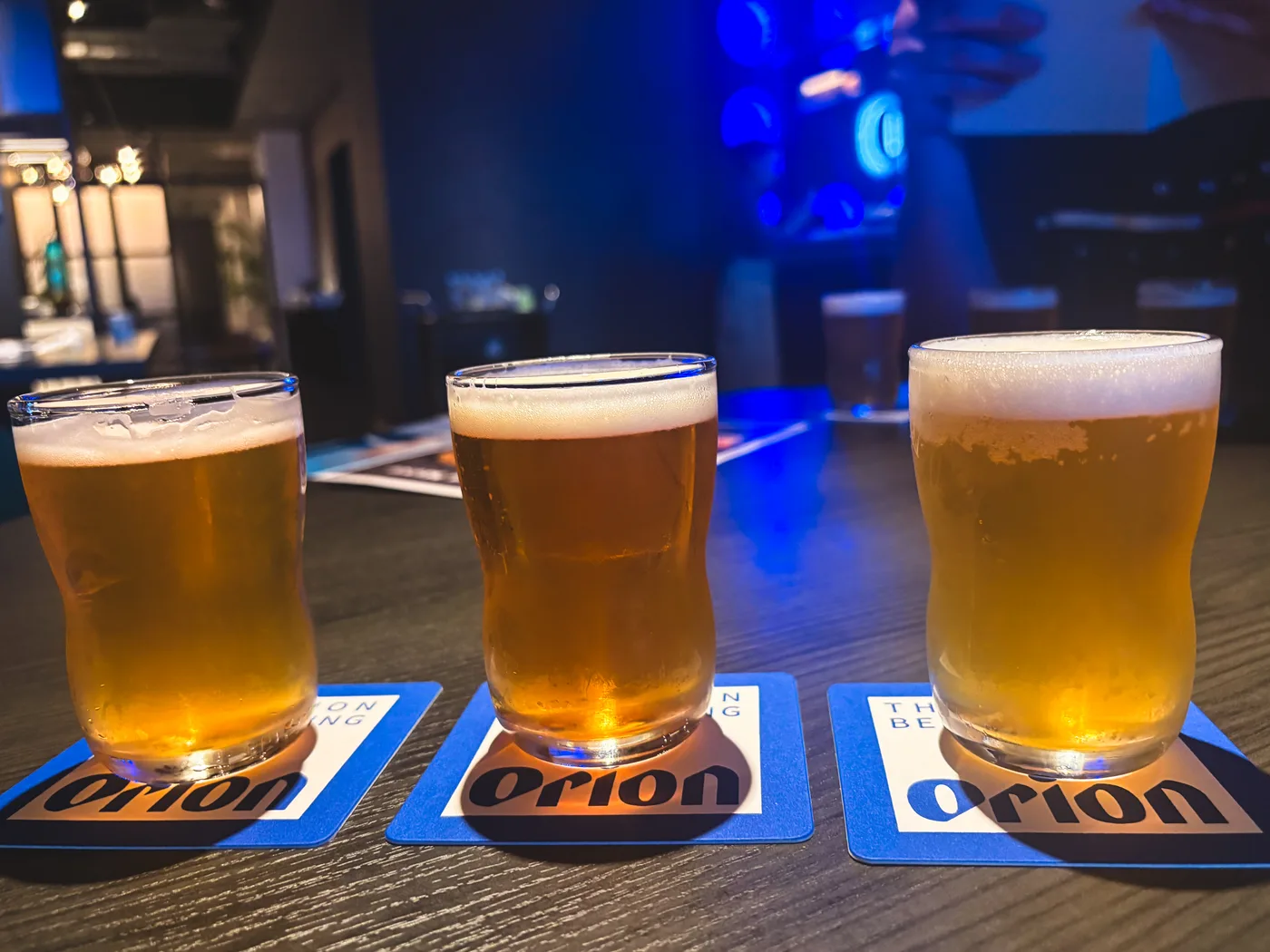
These are the drinks menu and evening food menu I looked at during our visit. The menus may change.
My first izakaya with live Okinawan folk music
Next up was Hanaryukyu, the main location. I’d never been to an izakaya with live folk music, so I wanted to give it a try.
Eating with Okinawan folk songs being performed right in front of us made it sink in that we’d arrived in Okinawa. This was a lovely way to spend the evening.
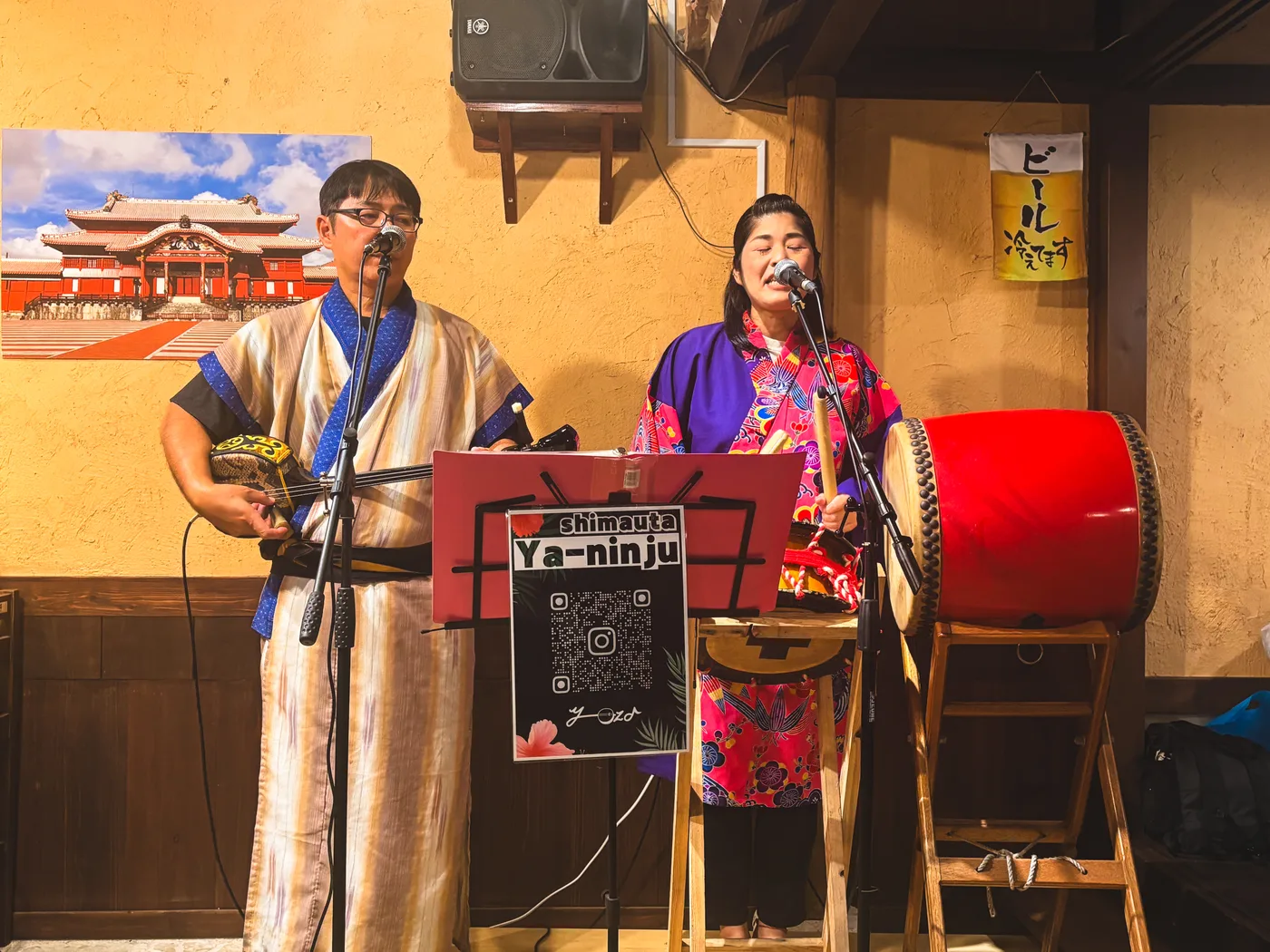
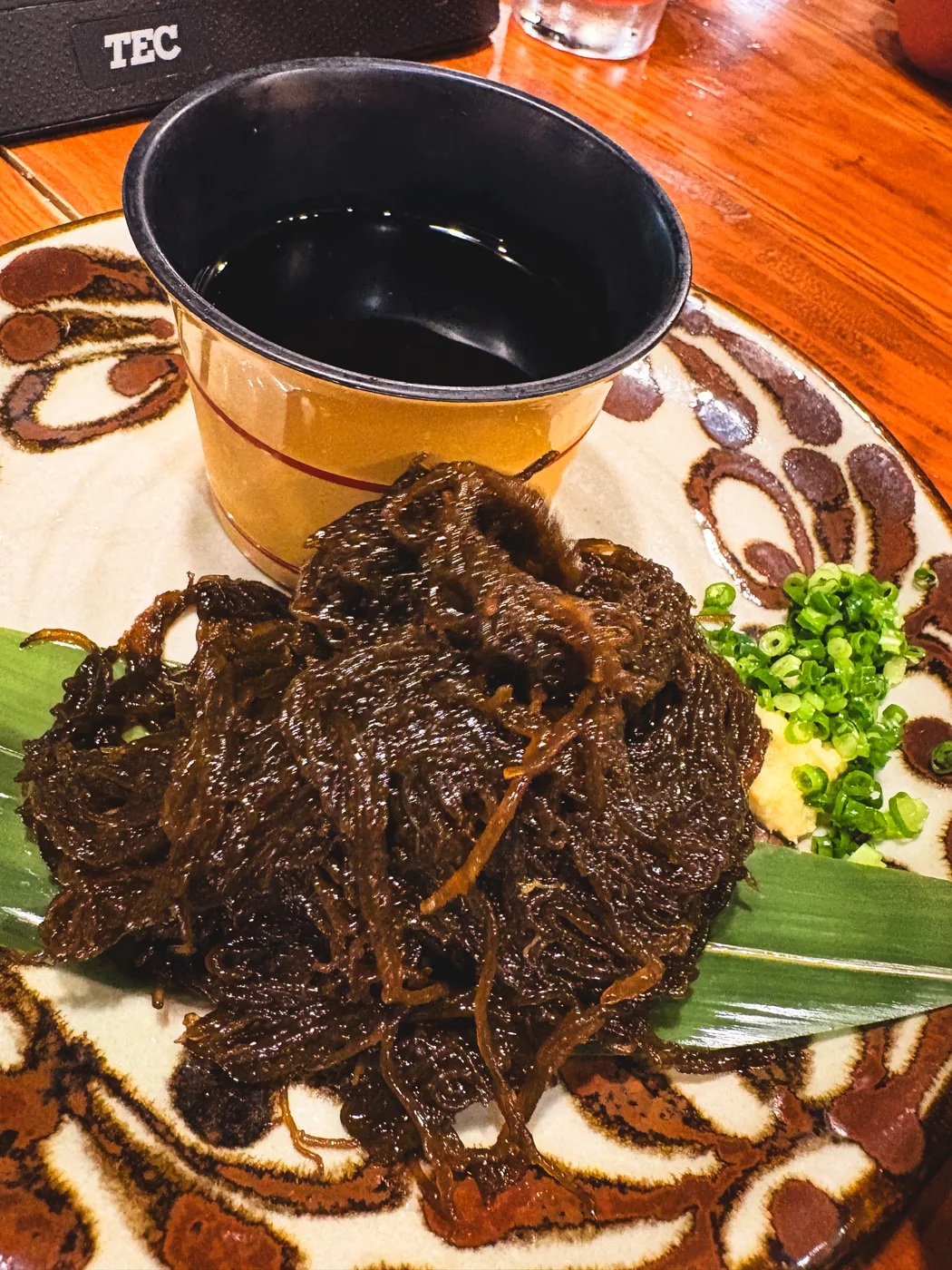
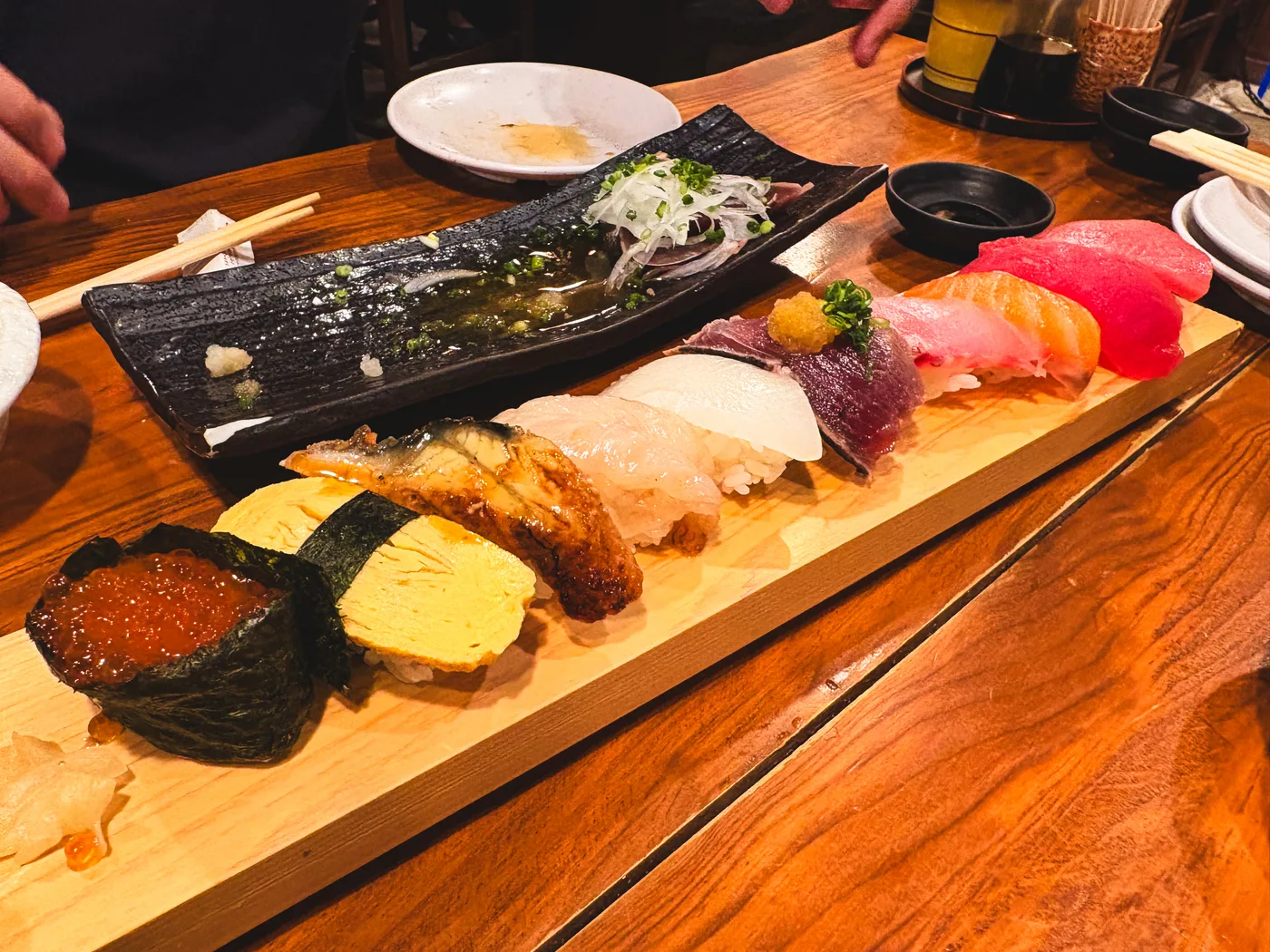
The zaru mozuku, served with dipping sauce, and the sushi were delicious. I think the shrimp sushi had a slightly marinated flavor, but my memory’s fuzzy on that part. What I do remember is enjoying it.
That wrapped up day one. Tomorrow, I’d finally be back in the water.
October 5: Back in the Water at Kerama
An 8:30 a.m. pickup for the port
Our pickup was at 8:30 a.m., a slightly later start. It seemed that the guide assigned to us for the day also handled the pickup. Our guide went by OKAN.
I explained that I was nervous because I hadn’t dived since Cebu and asked to take the first dive slowly.
Between chatting about the Kerama Islands, where we’d be diving, and what the water in Cebu had been like, we reached the port before I knew it. Another diver in our group was into underwater photography, and everyone was chatting away on the ride.
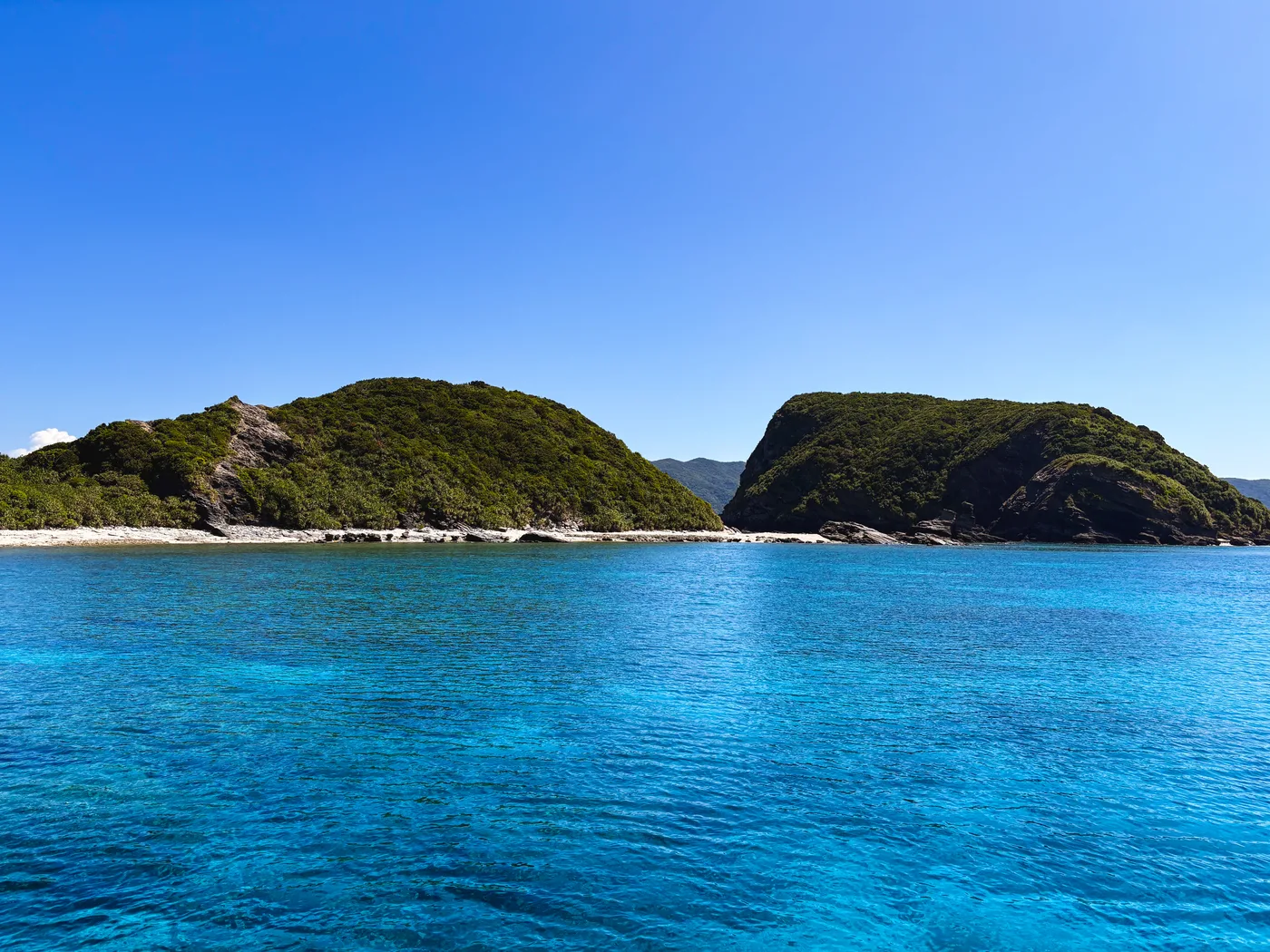
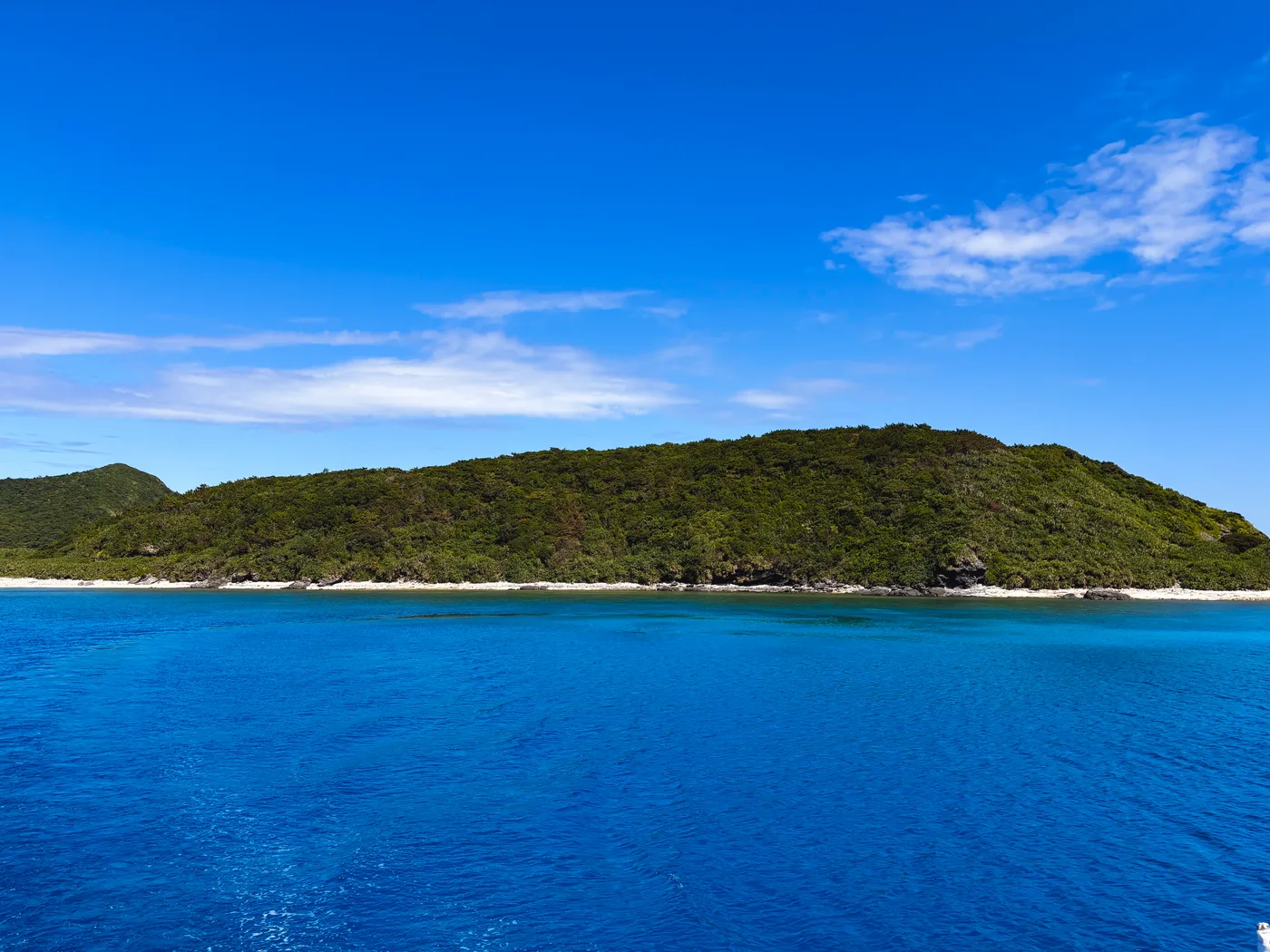
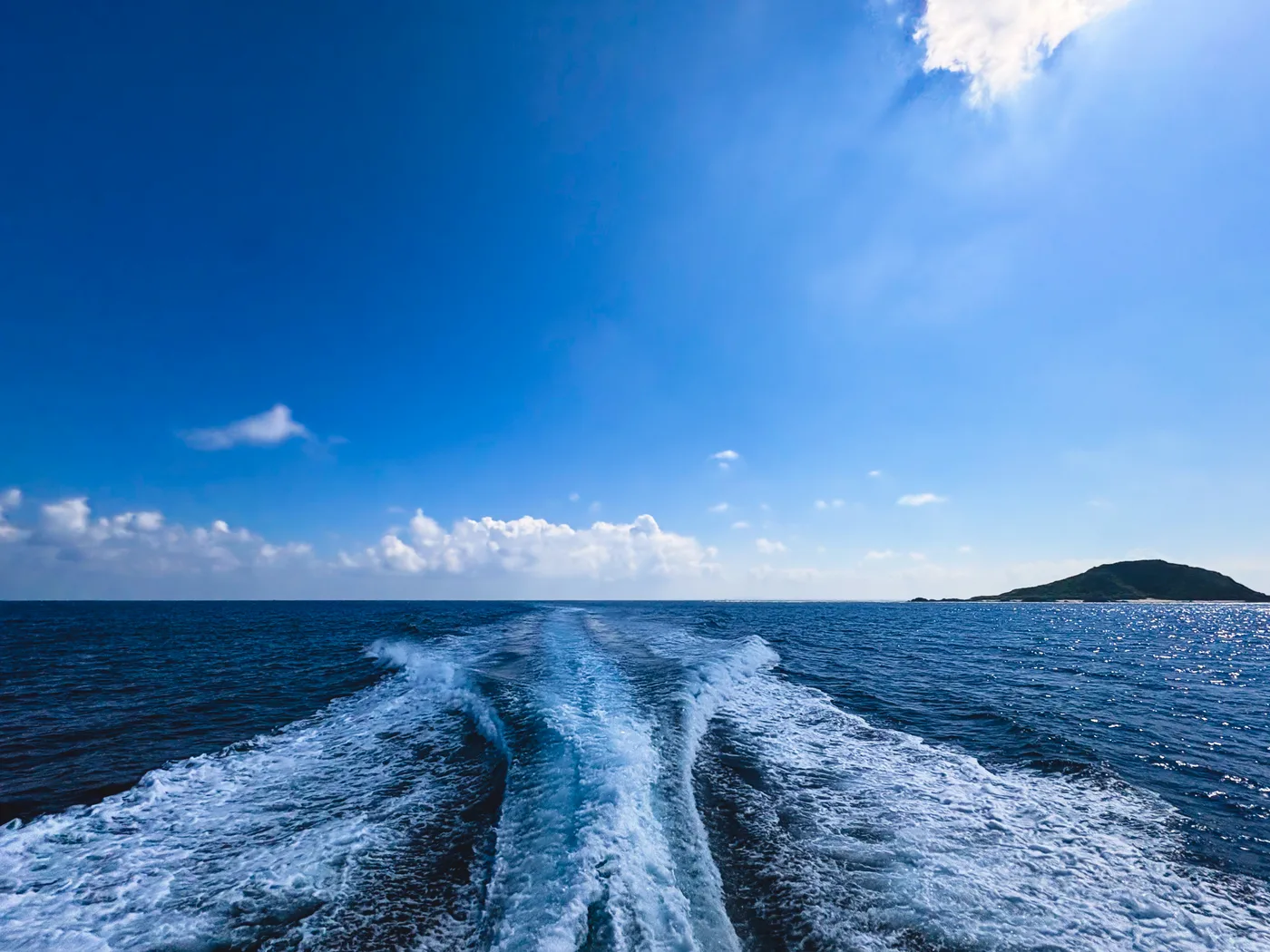
We were told the boat trip from the port to Kerama would take about an hour. The plan was two morning dives, a bento lunch, and one more dive in the afternoon.
Less fear, more room to enjoy the view
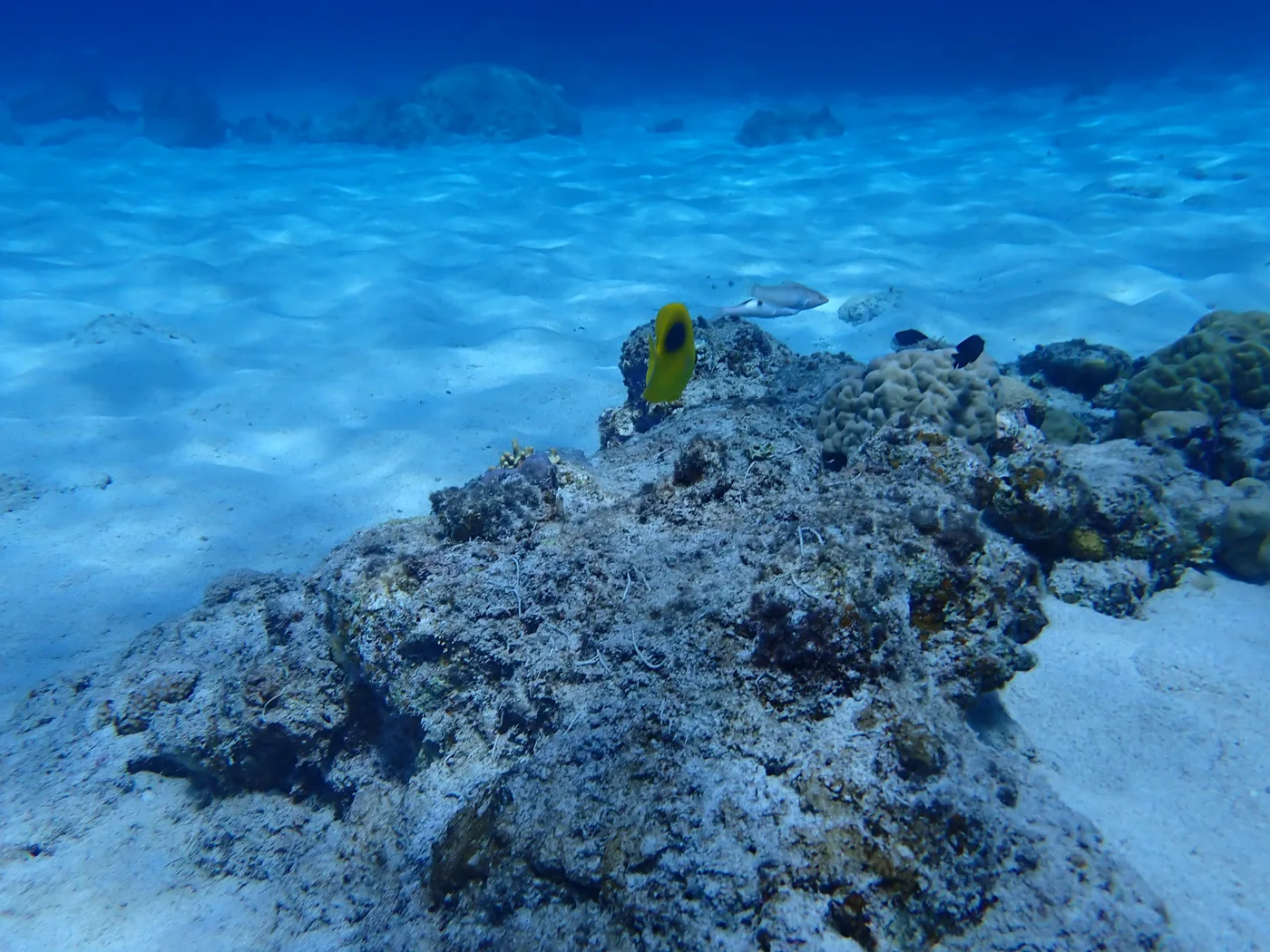
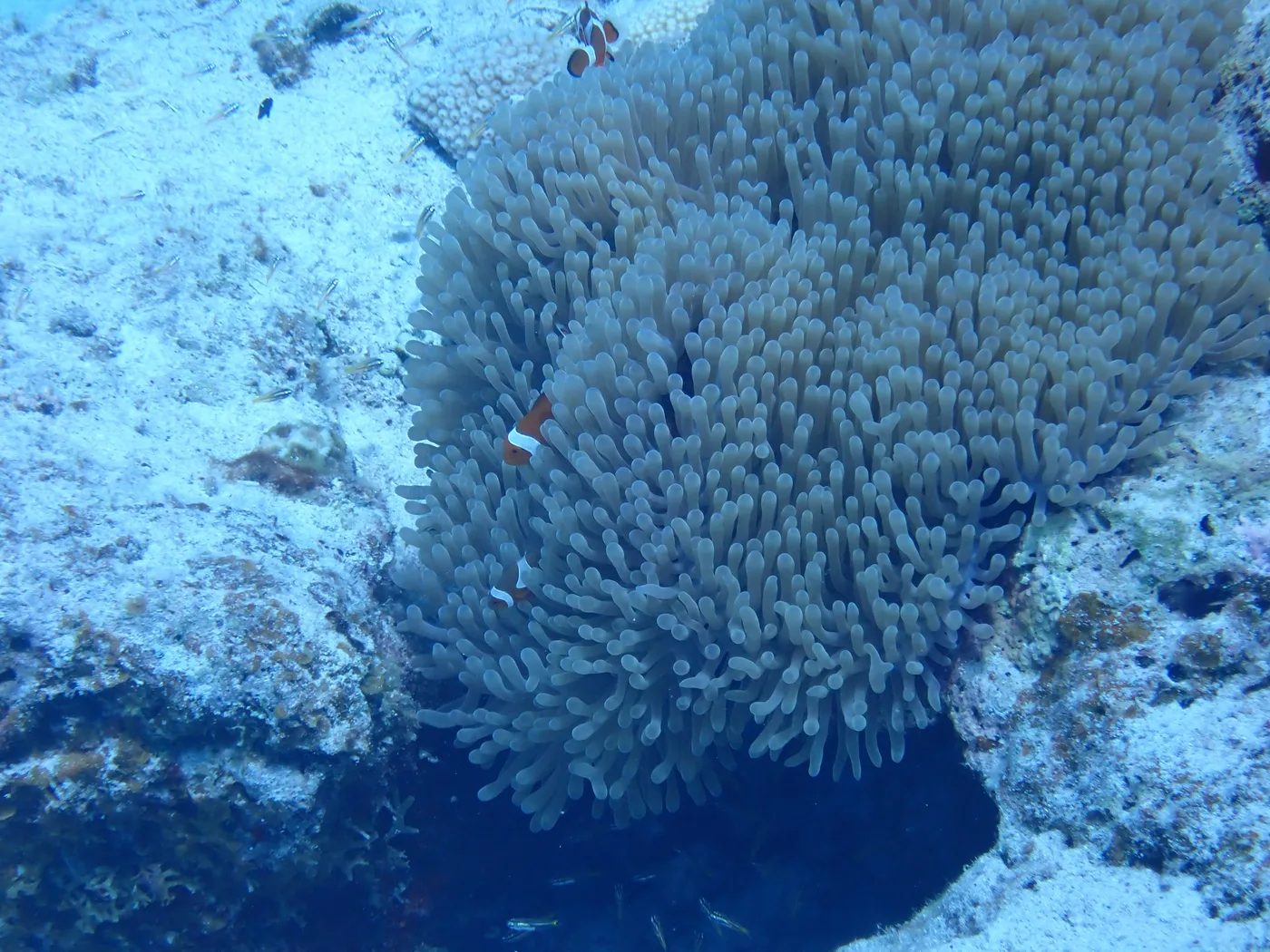
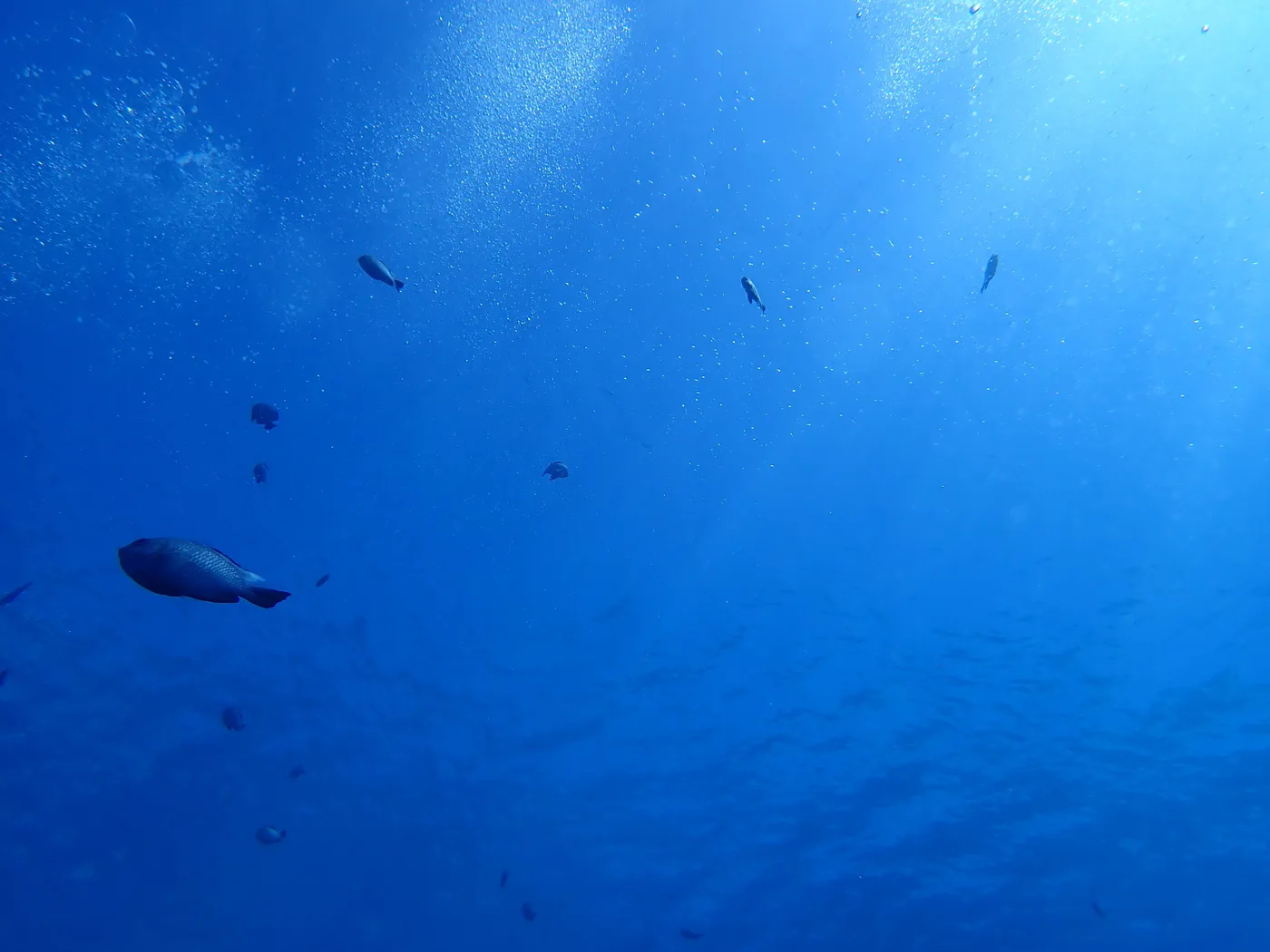
Once underwater, I wasn’t afraid of breathing the way I’d been on my last trip. This time, I could look around and really enjoy myself.
The wave-like ripples in the sand on the seabed were beautiful, and there were all sorts of formations to explore. With so many fish and such clear water, I never ran out of things to look at.
Equalization and buoyancy still need work
Equalizing my ears didn’t go as smoothly. At first, it took me a while to descend, especially because my left ear was hard to clear.
Part of me felt impatient because I wanted more time to enjoy the seabed. But I wasn’t going to push through ear pain, so I took the descent slowly. I’m glad I’d told the guide I was nervous after a break from diving and asked to go at a slower pace. If your ears hurt or won’t equalize, don’t force yourself to descend—let your guide know.
Another challenge was drifting upward when I changed from an upright, almost treading-water position to a horizontal one. My guess is that I was kicking before leveling out and giving myself an extra push upward. That’s just my impression, though. I’d like a guide to watch what I’m doing next time.
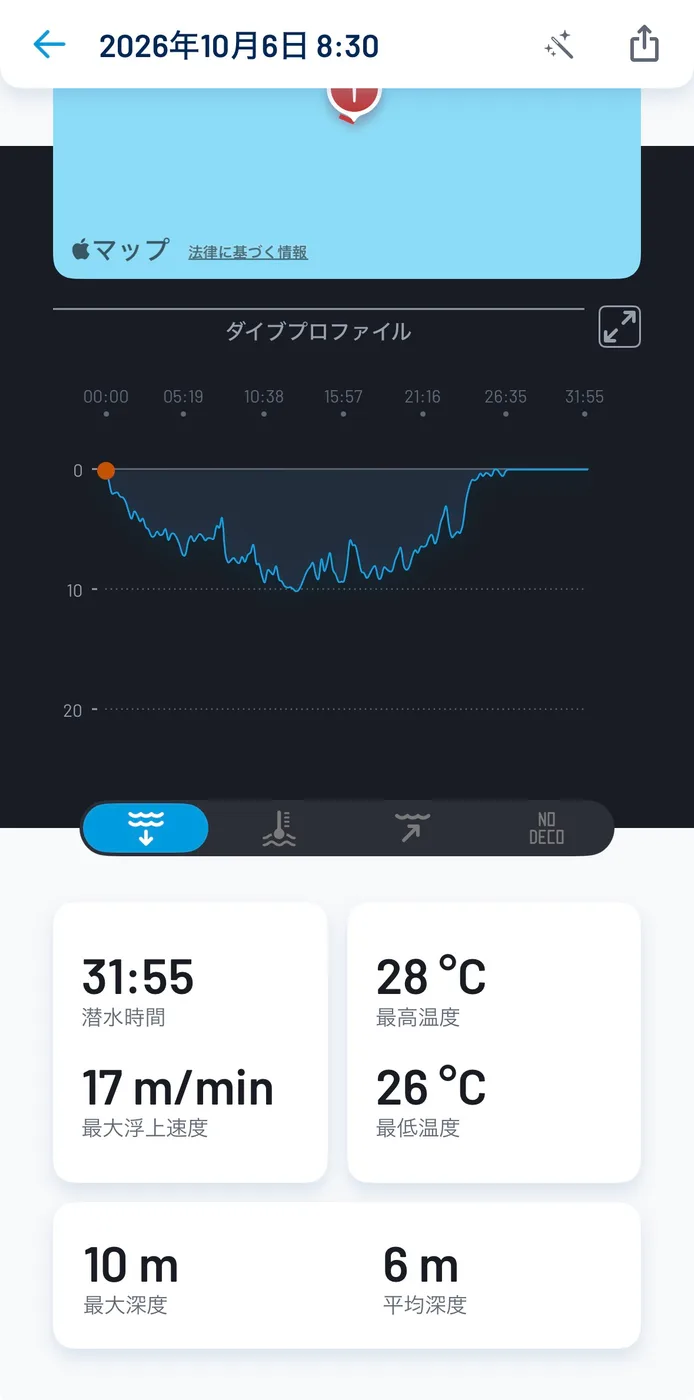
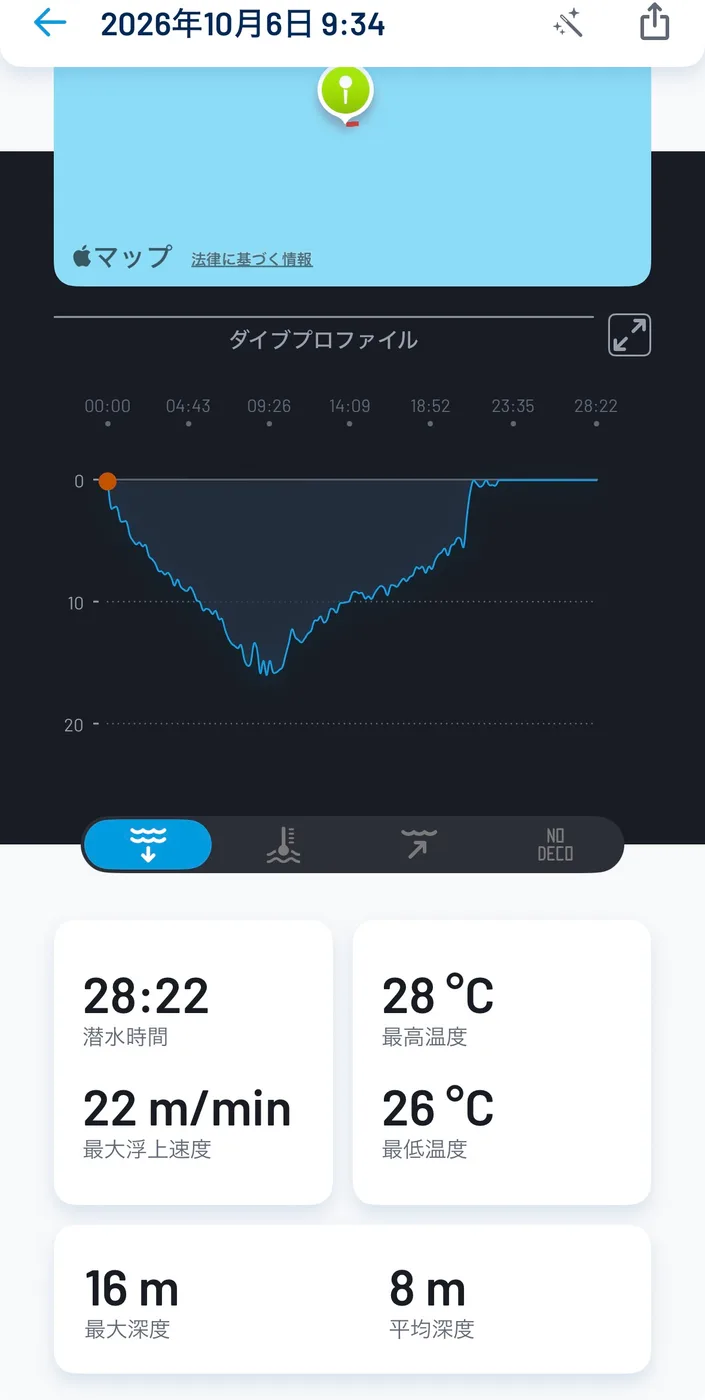
Dive logs with Apple Watch Ultra 3 and Oceanic+
I’d also been looking forward to seeing what data my Apple Watch Ultra 3 would record on a dive. I used the Oceanic+ app.
Here are the logs from all three dives on October 5. Looking back at the depth changes and dive times afterward was another fun way to remember the trip.
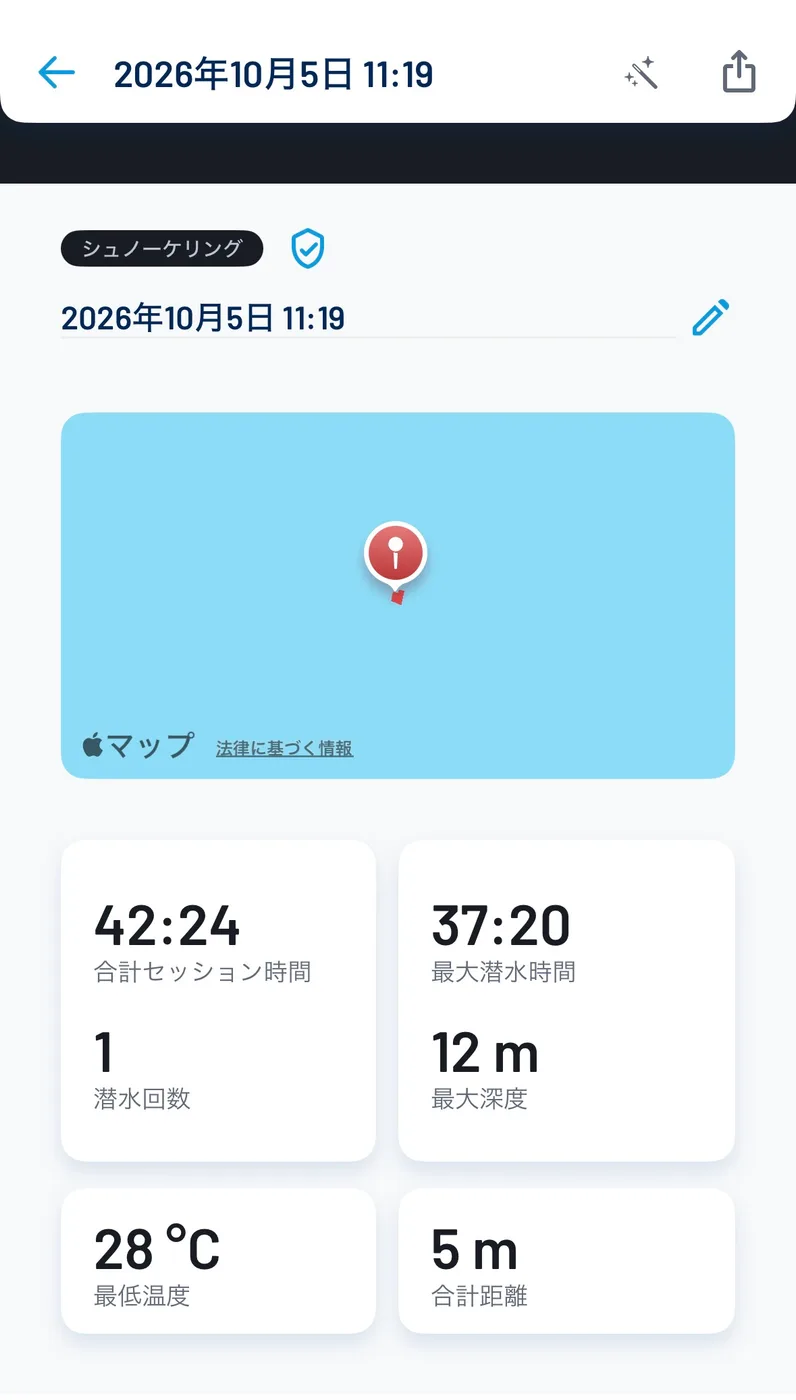
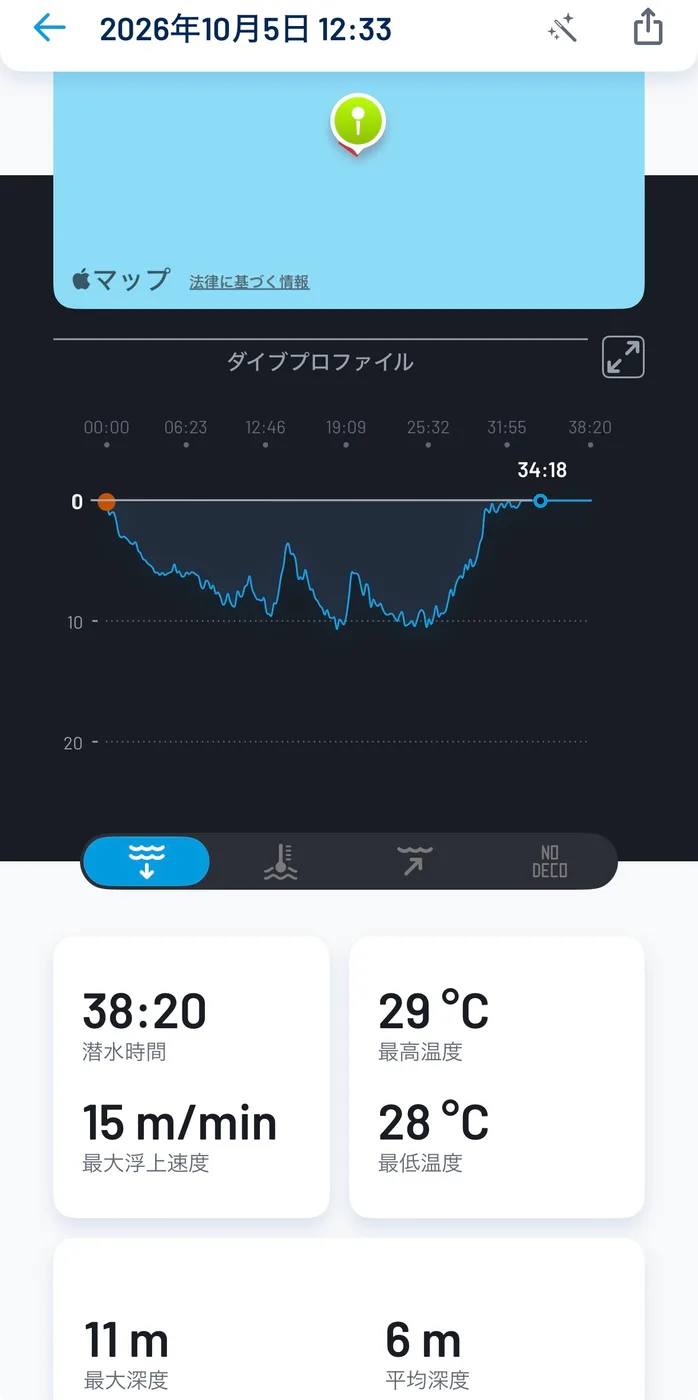
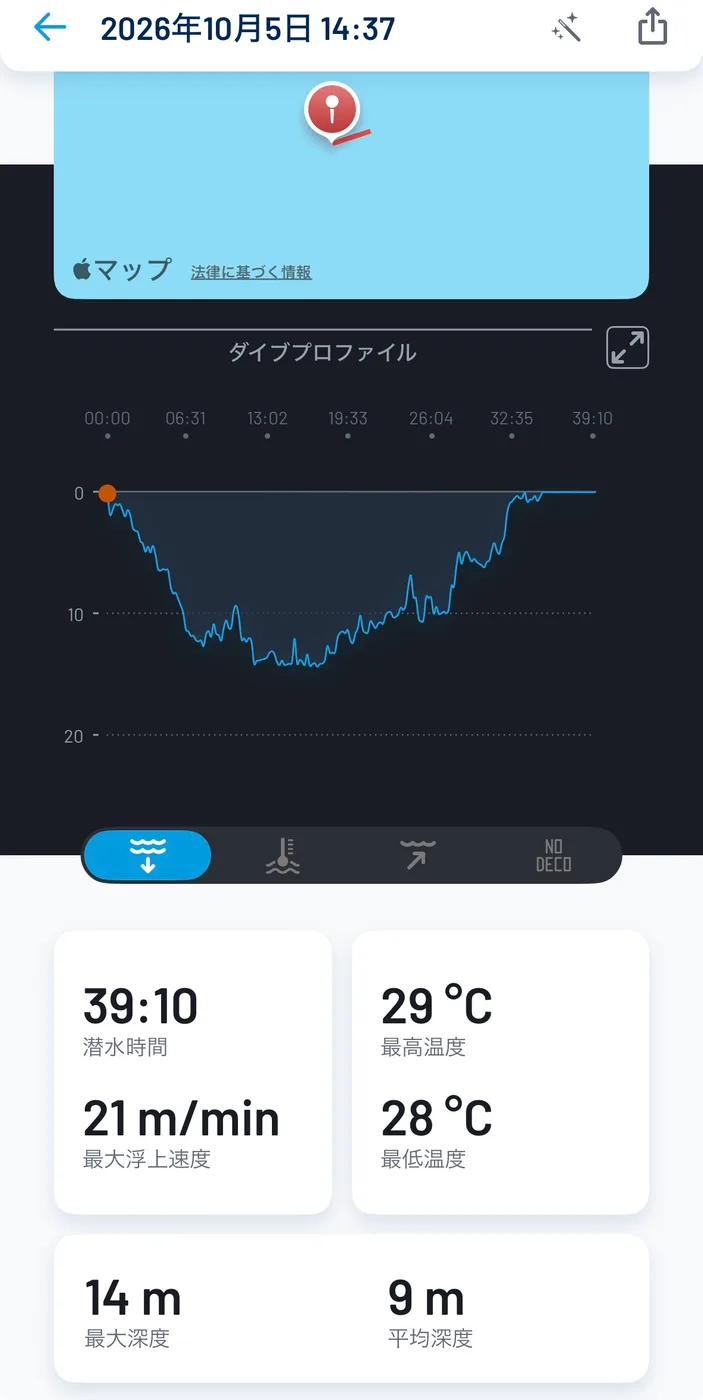
Not every Apple Watch is suitable for scuba diving. Check model compatibility, the app’s requirements, and depth limits before your trip. As Apple explains, the built-in Depth app isn’t a dive computer. Enjoying your logs and managing dive safety are separate things: stay within your certification and training, and follow your guide’s instructions and your equipment’s warnings.
Rain and a rough ride back
As soon as we surfaced from the third dive, the rain started pouring down. The boat ride back to the port took about 40 minutes, with enough jolting and rocking to feel like an amusement park ride.
There were moments when it was almost fun, but it was scary, too. A great time underwater doesn’t necessarily mean a calm boat ride.
We got back to the hotel a little before 5 p.m. After a shower and a short rest, we headed out for dinner.
October 5 Evening: Pork and Beef Shabu-Shabu
Dinner was at Kin Agu to Yamashiro Gyu no Shabu Shabu Ryukyu, the Kokusai-dori location.
OKAN had mentioned that the restaurant apparently had a connection to the sumo wrestler Hakuho and served Okinawan vegetables. That had me looking forward to it. Sure enough, there was a stand-up sign featuring Hakuho outside. Haha.
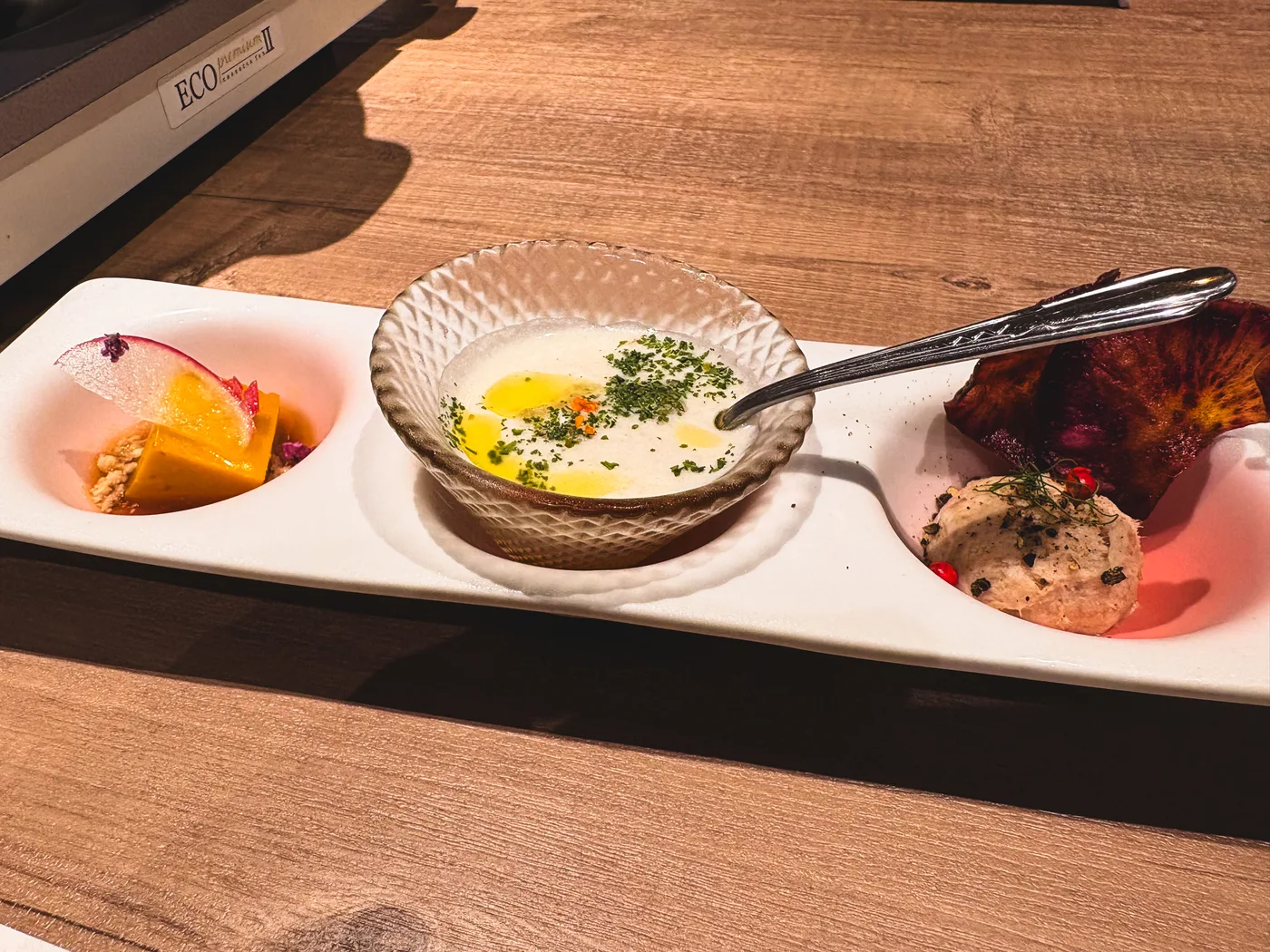
The Agu pork was served with dashi broth, and that broth was delicious. Wrapping the pork around sea grapes or pairing it with shikuwasa pepper was good, too. For the Yamashiro beef, I used ponzu.
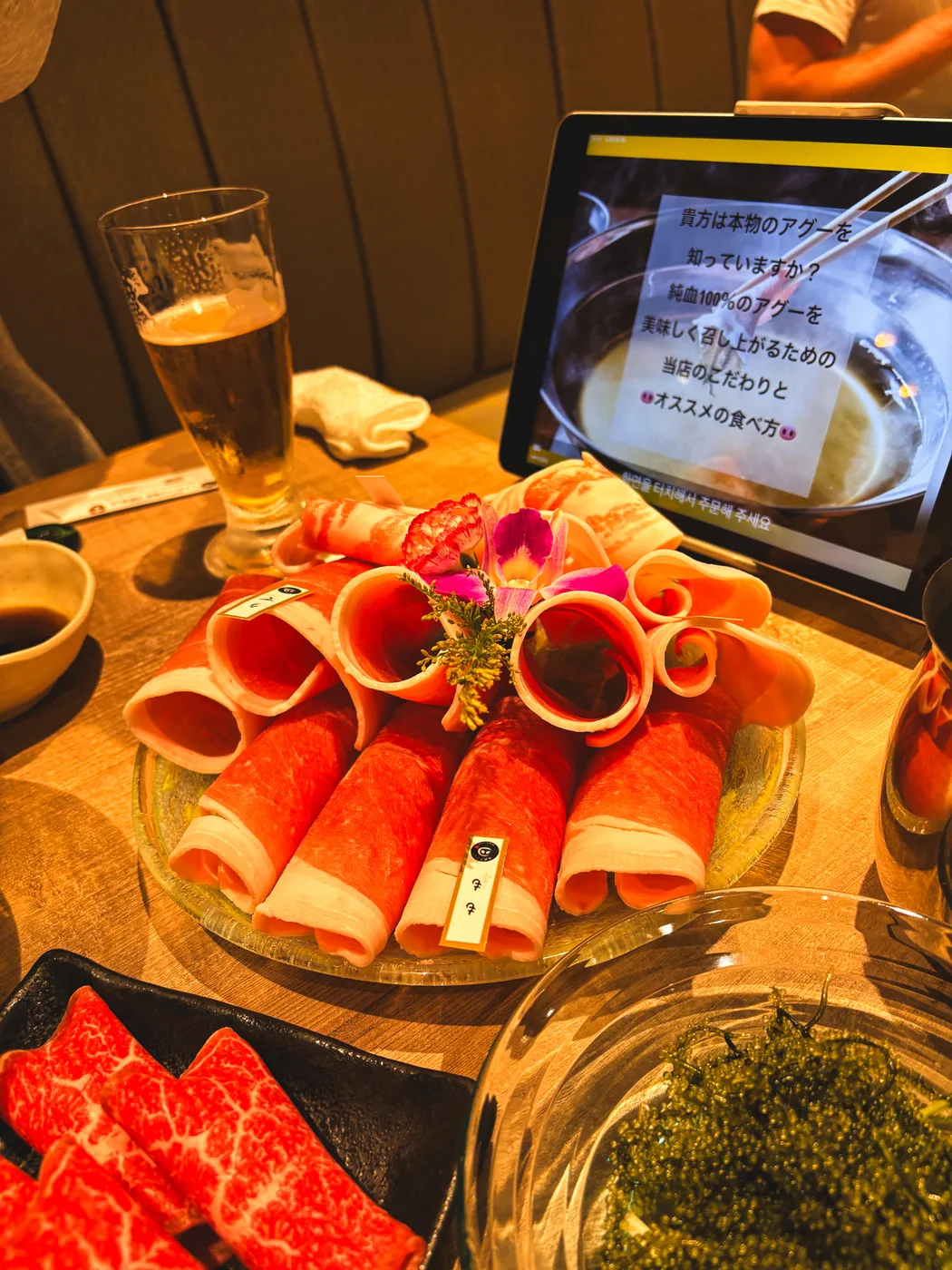
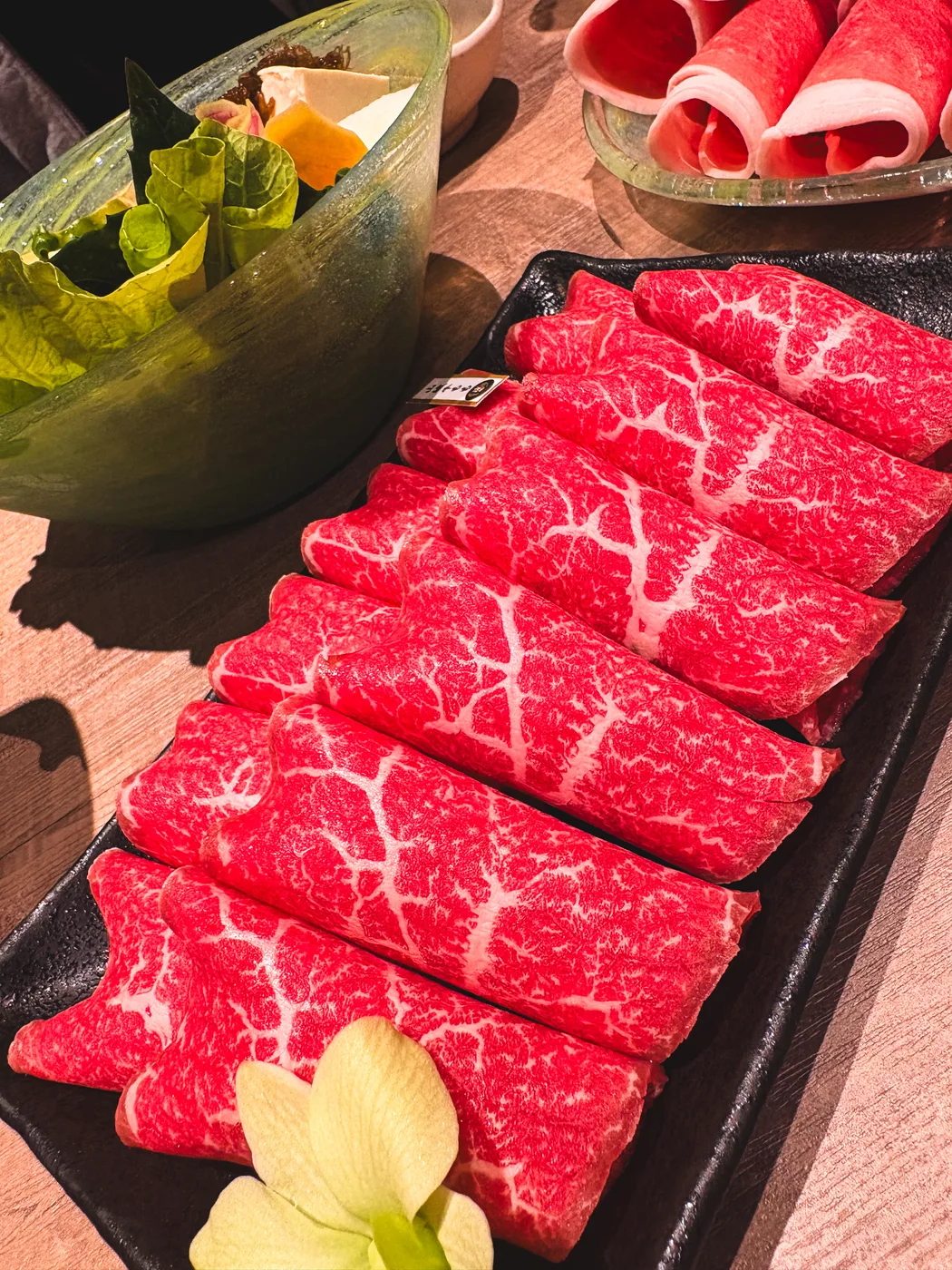
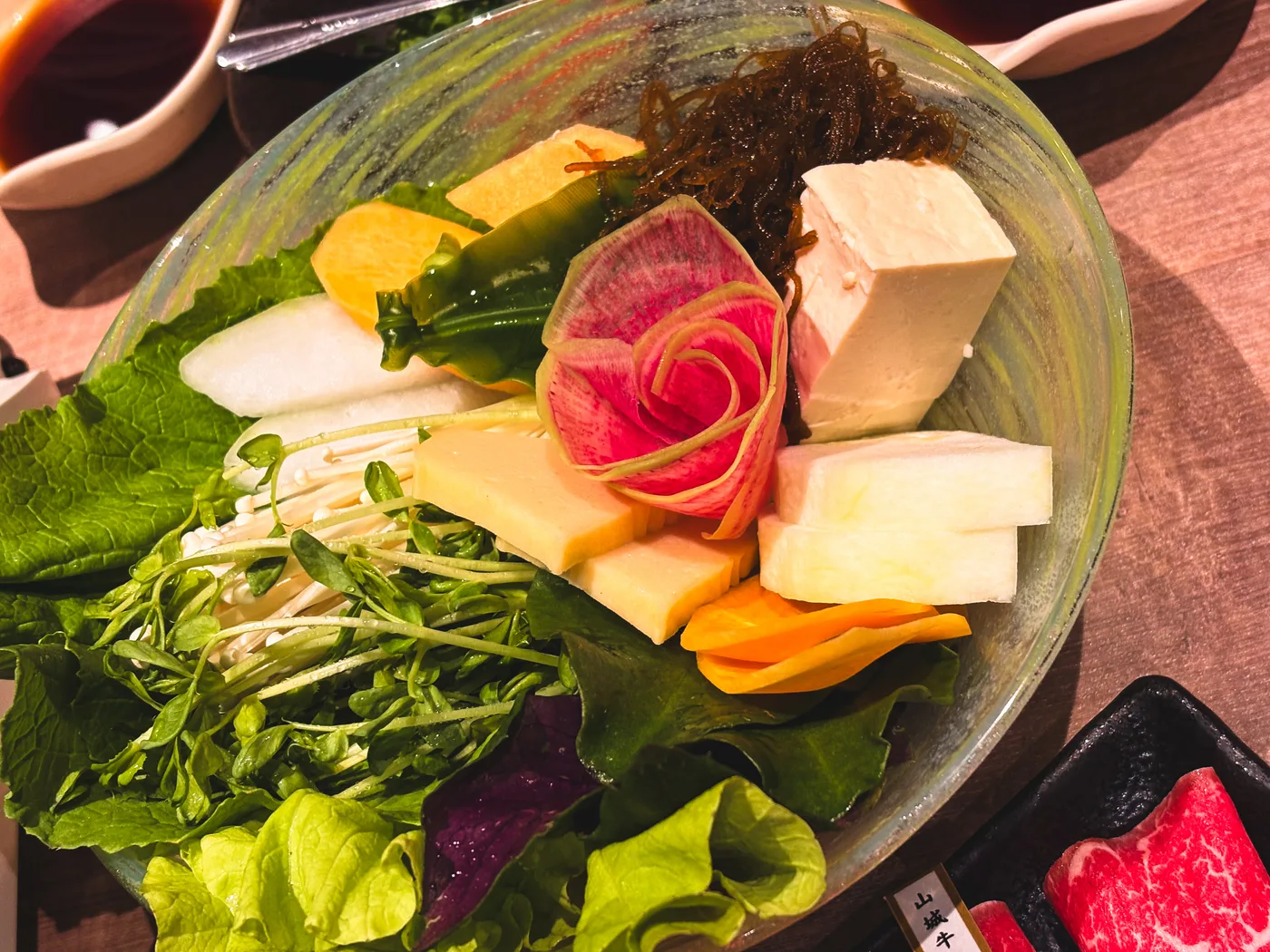
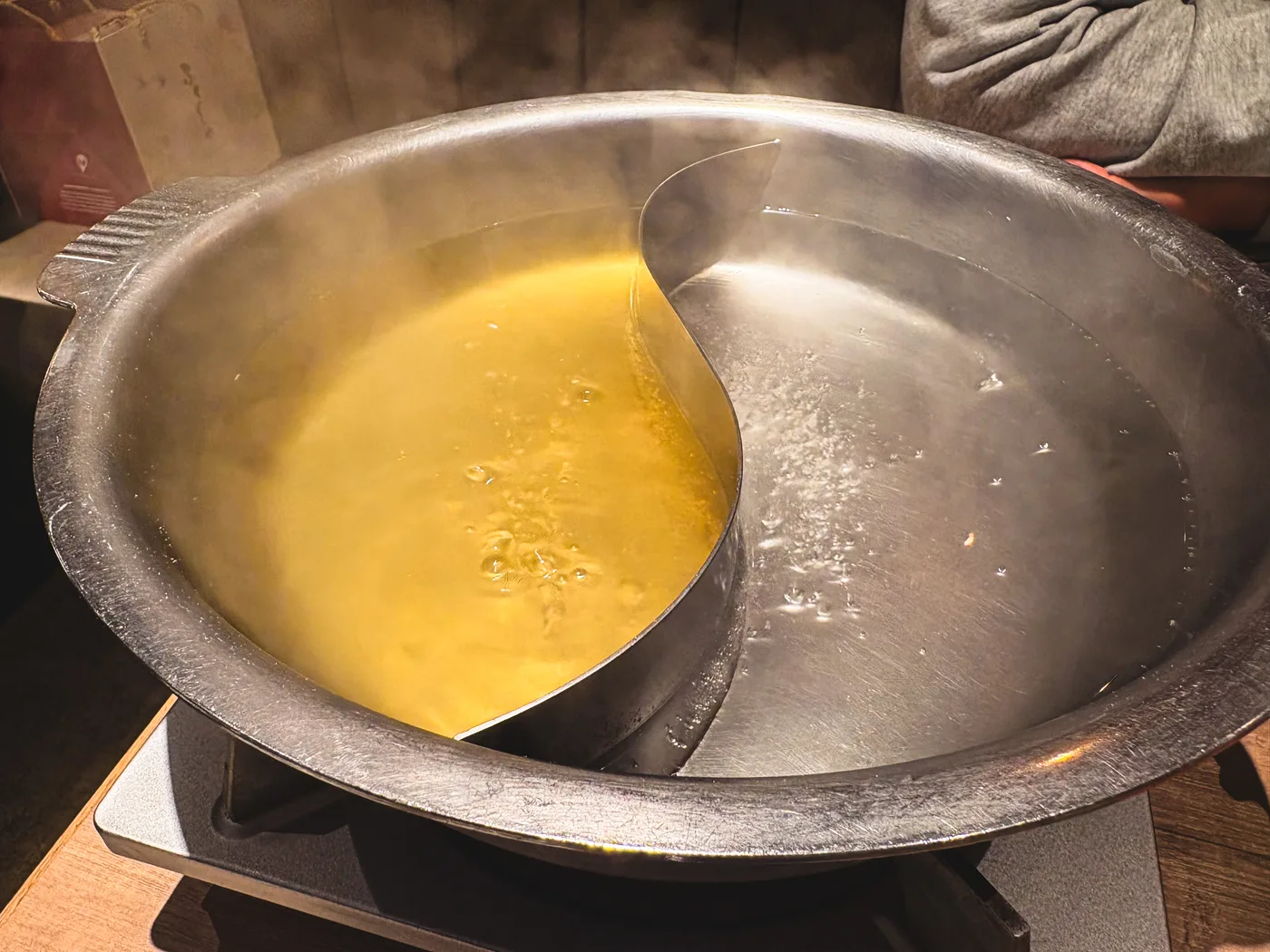
I hadn’t tried many Okinawan vegetables before, and their textures were interesting. The staff explained what they were. Naturally, I’ve forgotten all the names.
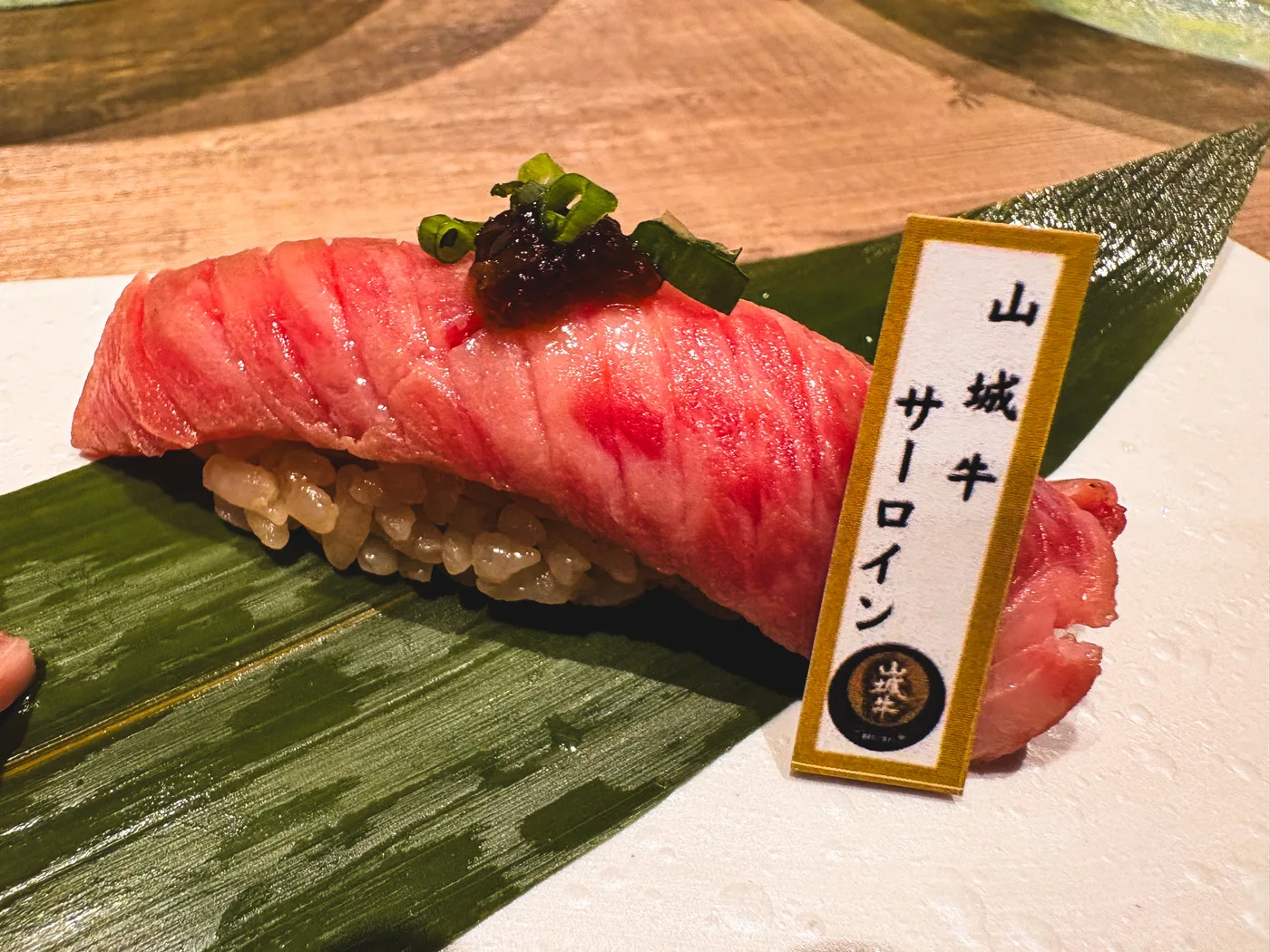
During our visit, the restaurant offered Yamashiro sirloin nigiri to diners who posted a Tabelog review. I promptly wrote one, and the nigiri I received was delicious. That was the offer at the time of our visit; it isn’t necessarily available all the time.
The broth was so good that I ordered rice and added it to the pot, making my own improvised rice porridge. It would’ve been even better if I’d had a raw egg to stir in.
Three dives had worn me out, and the next day’s pickup was at 7 a.m. I went straight to sleep.
October 6: Sea Turtles and a Rock Arch at Kamiyama Island
A roller-coaster boat ride
For our second day of diving, the plan was two morning dives and a return to the hotel before noon. We were heading to the waters around Kamiyama Island, about 30 minutes from the port.
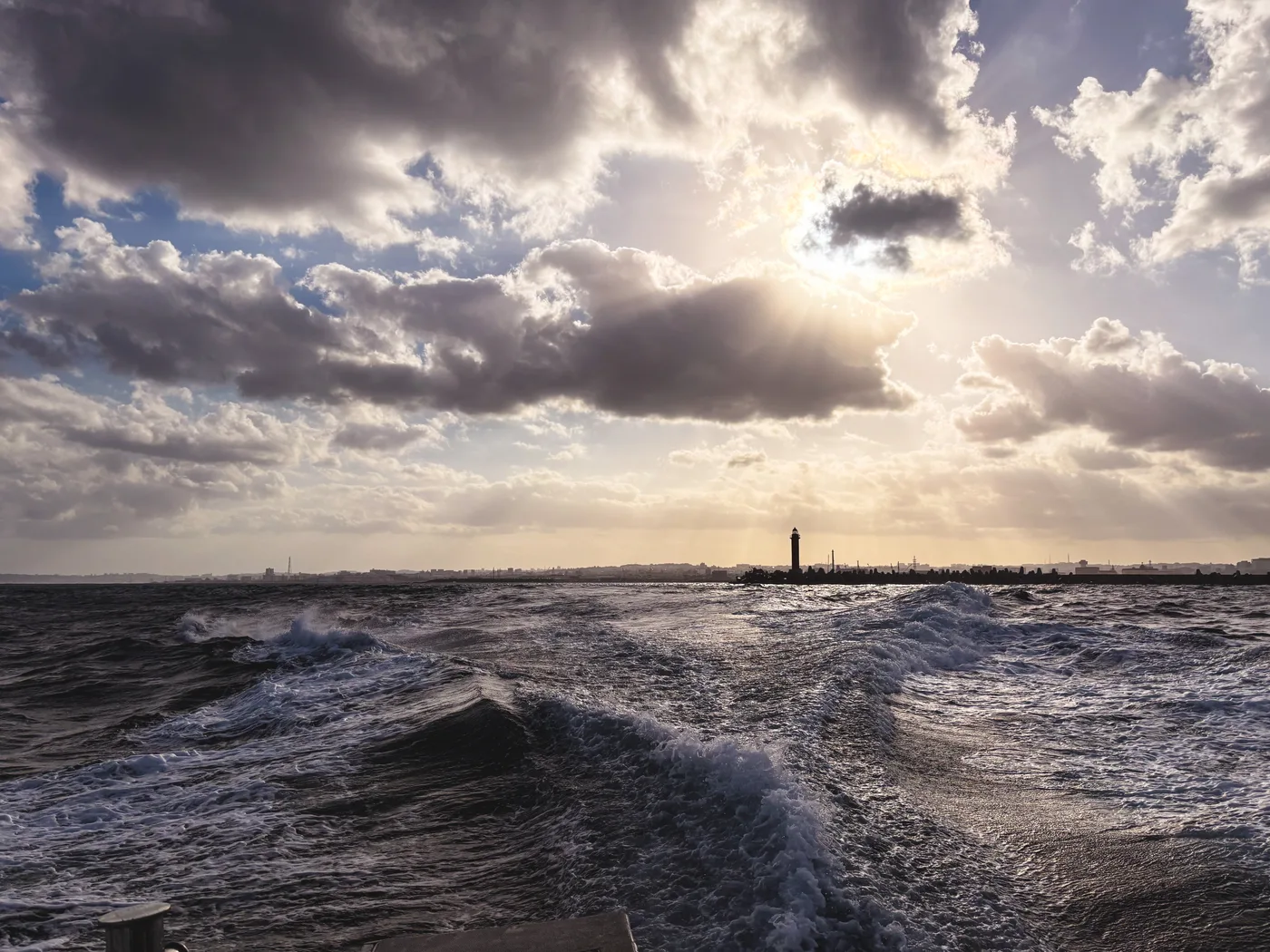
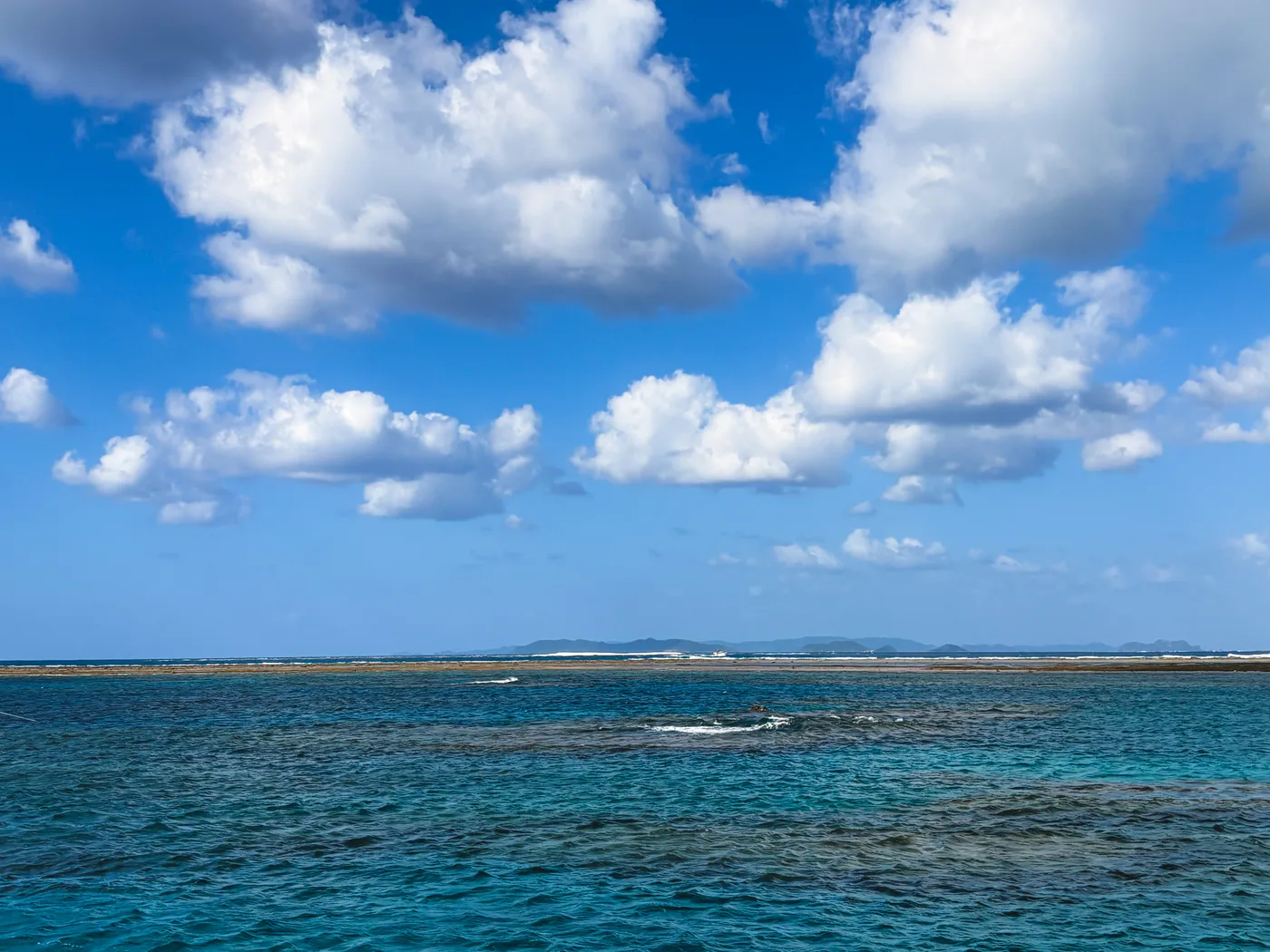
A strong north wind had made the sea rough. Once we left the harbor, some waves felt taller than the boat. The ride was like a roller coaster, and without something to hold on to, it felt as though I’d be thrown around.
Sleeping turtles, swimming turtles, and a rock arch
On the first dive, we watched a sleeping sea turtle and explored the coral formations. On the second, we swam through a rock arch. I enjoyed exploring places like that.
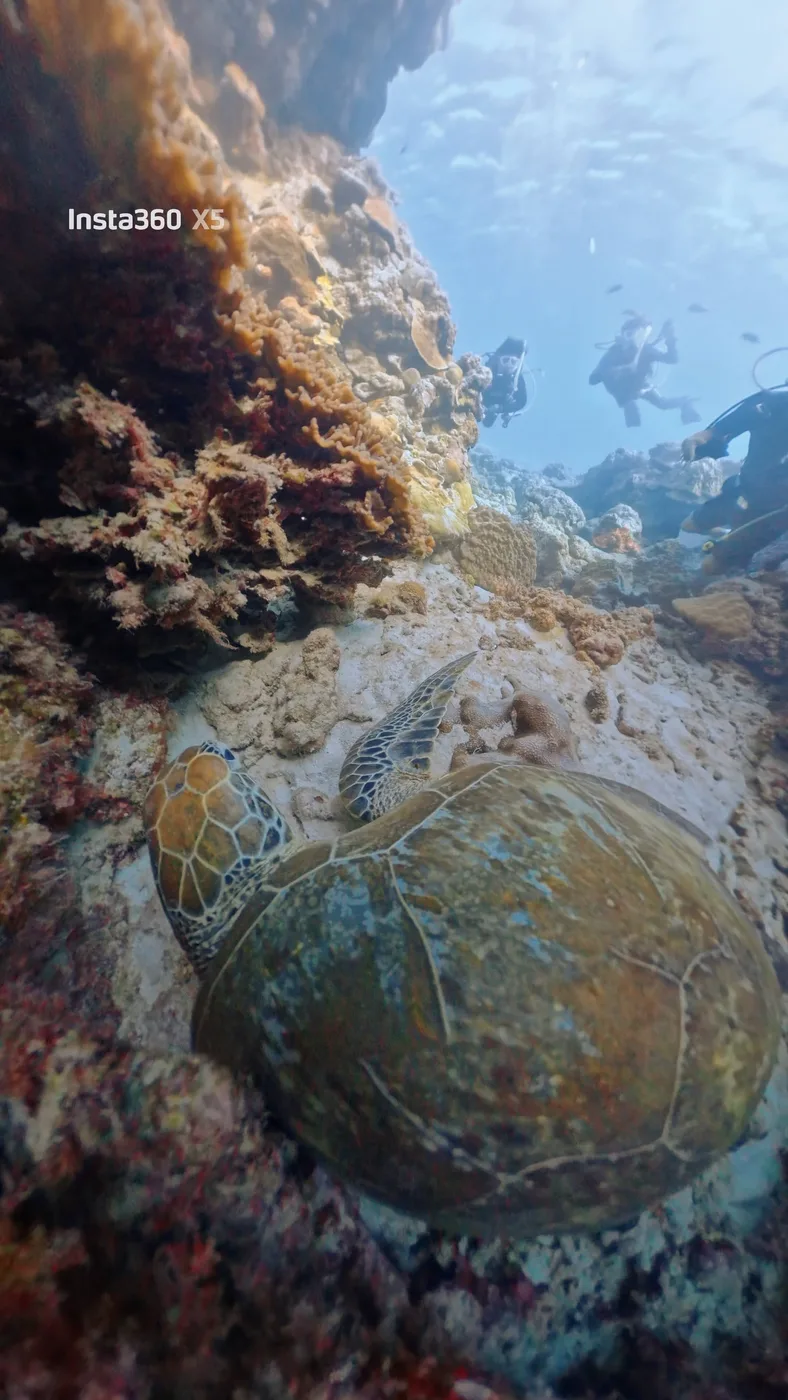
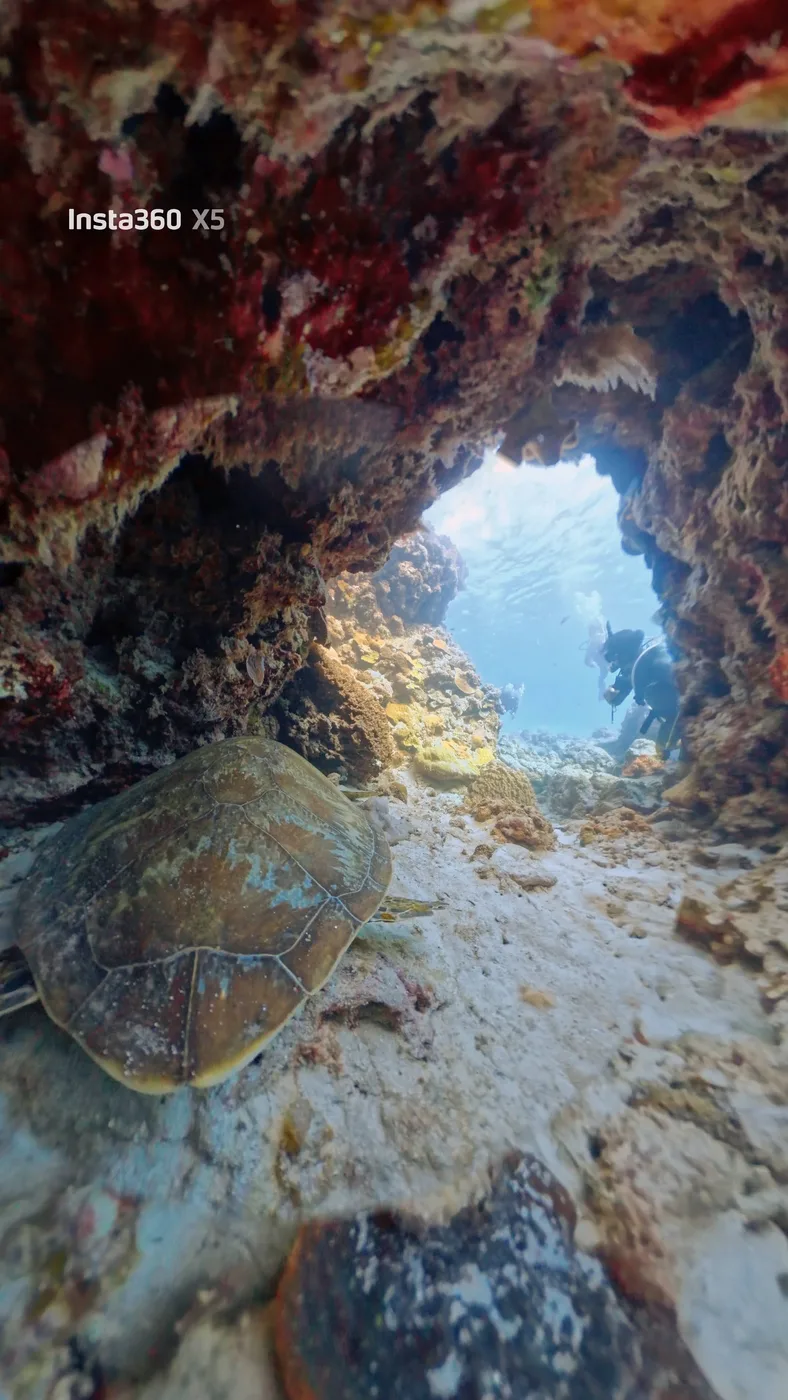
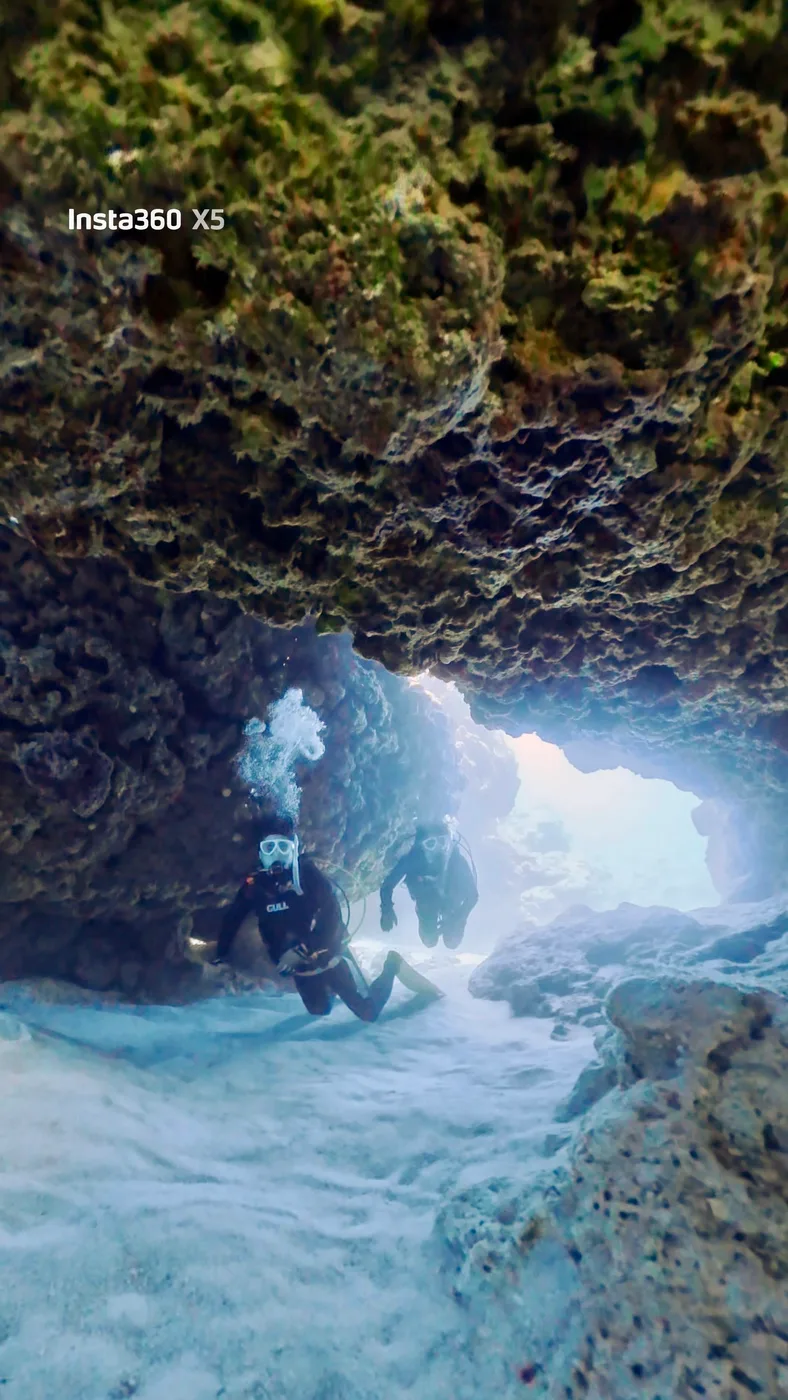
Seeing turtles swimming was a highlight. Just watching one swim through the same water I was in made me glad I’d come to Okinawa.
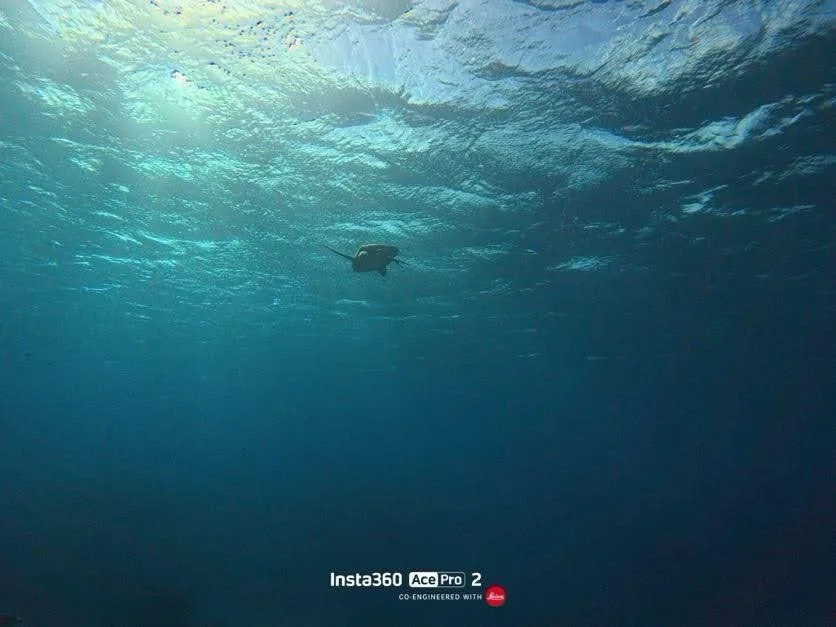
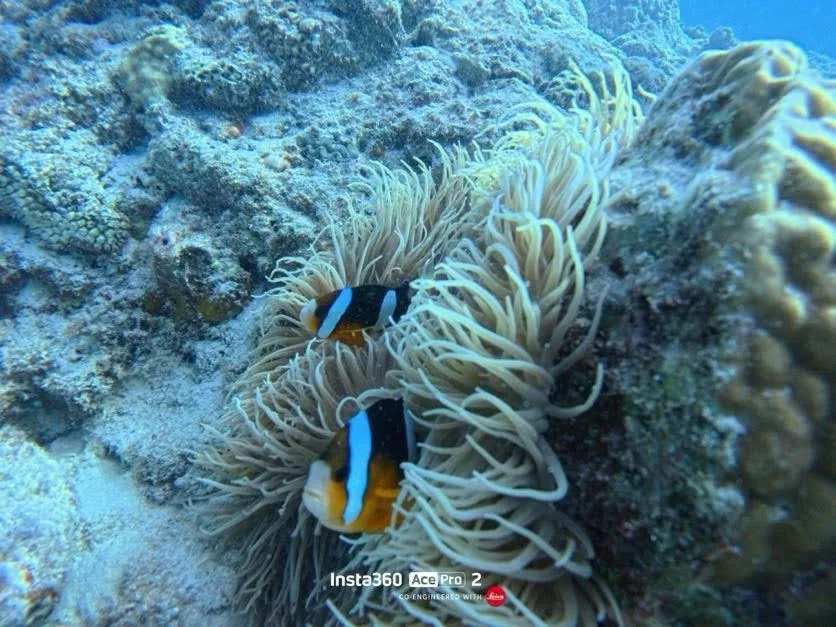
By now, diving felt much more familiar than it had the day before. I was starting to get a feel for adjusting the air in my BC, or buoyancy compensator, to manage my depth underwater.
Before diving, I’d also been given a chance to set up my gear. Turns out I’d completely forgotten how. Haha. After a gap since certification, even that part needed a refresher.
October 6 Afternoon: Steak, Churaumi Aquarium, and Bise
Back at the hotel, I rinsed off and gave my swimsuit a quick wash. We picked up a car through a car-sharing service and headed out to enjoy Okinawa on land.
Steak and lobster at American Village
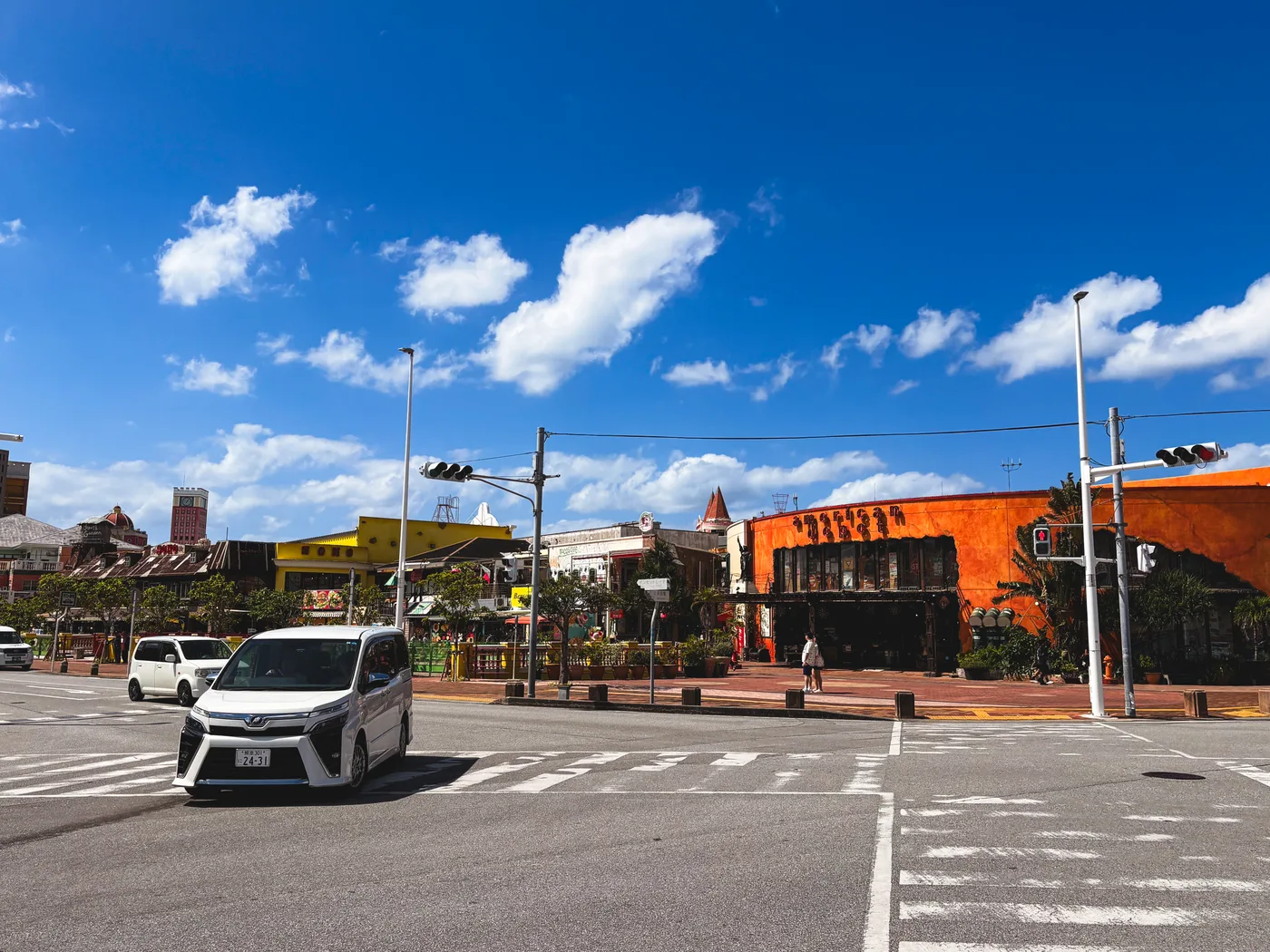
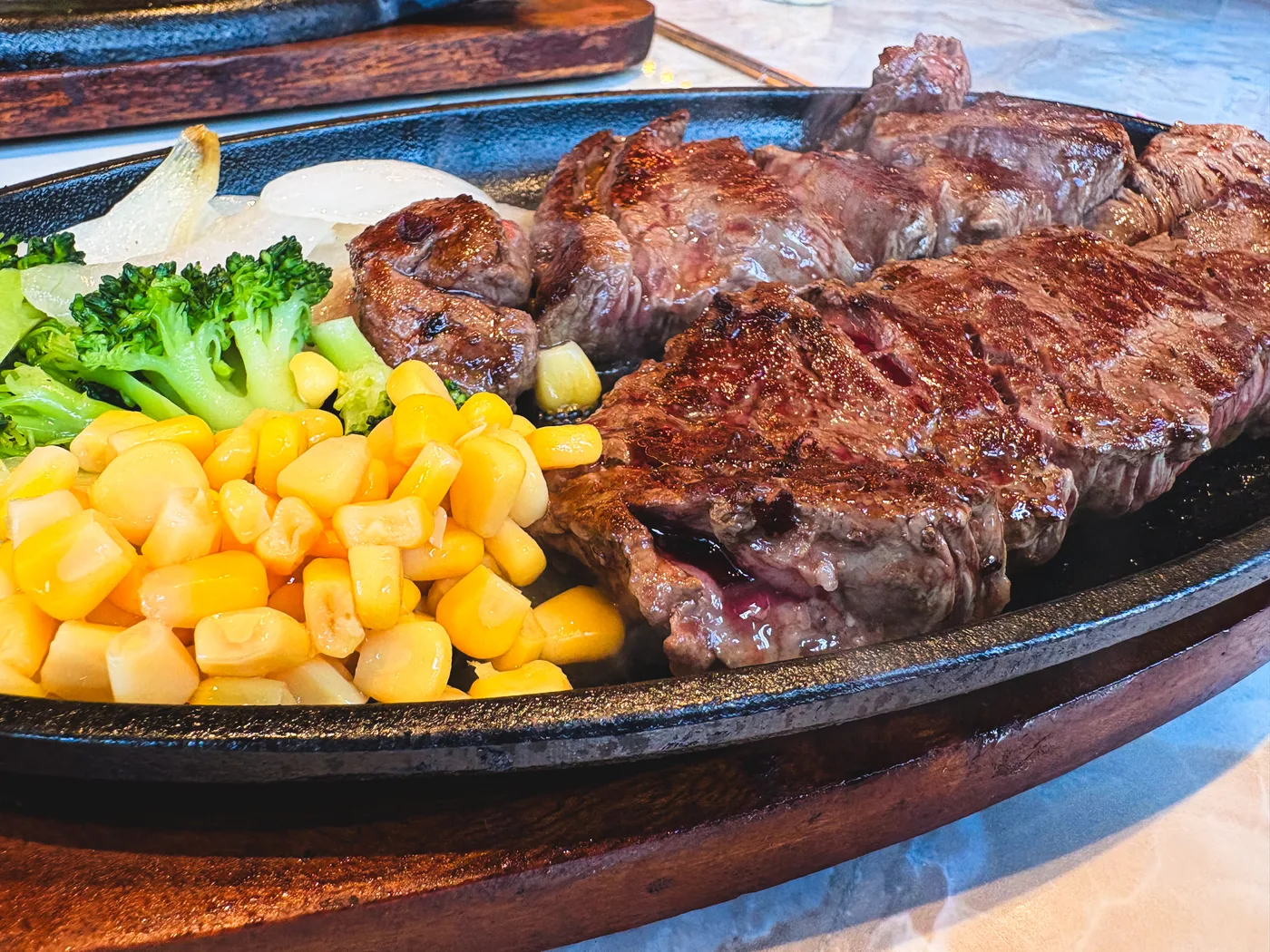
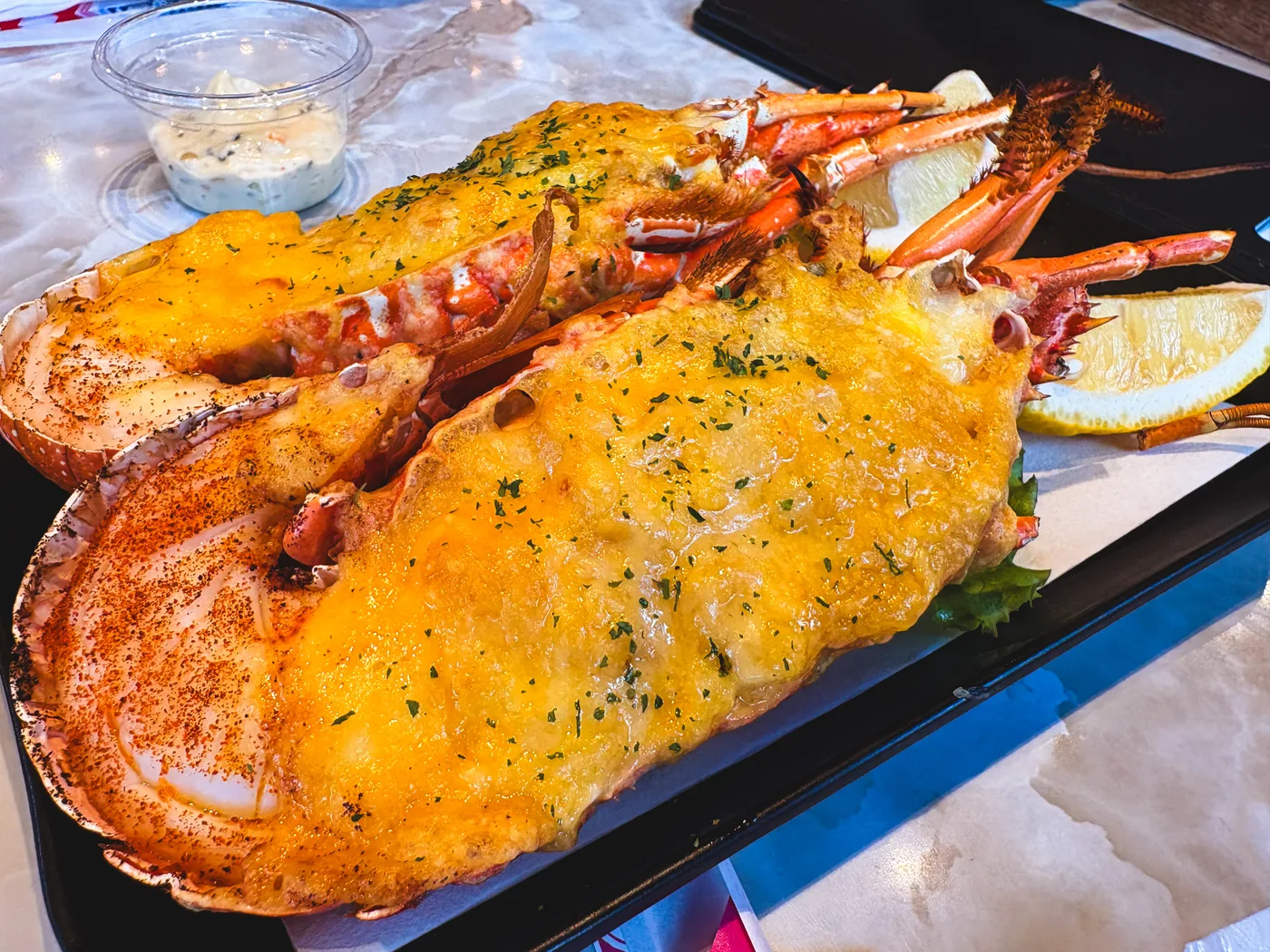
Our first stop was American Village in Chatan. Lunch was steak and lobster at Steak House 88, the Chatan American Village location.
A trip to Okinawa makes me want steak, too. Anyone else?
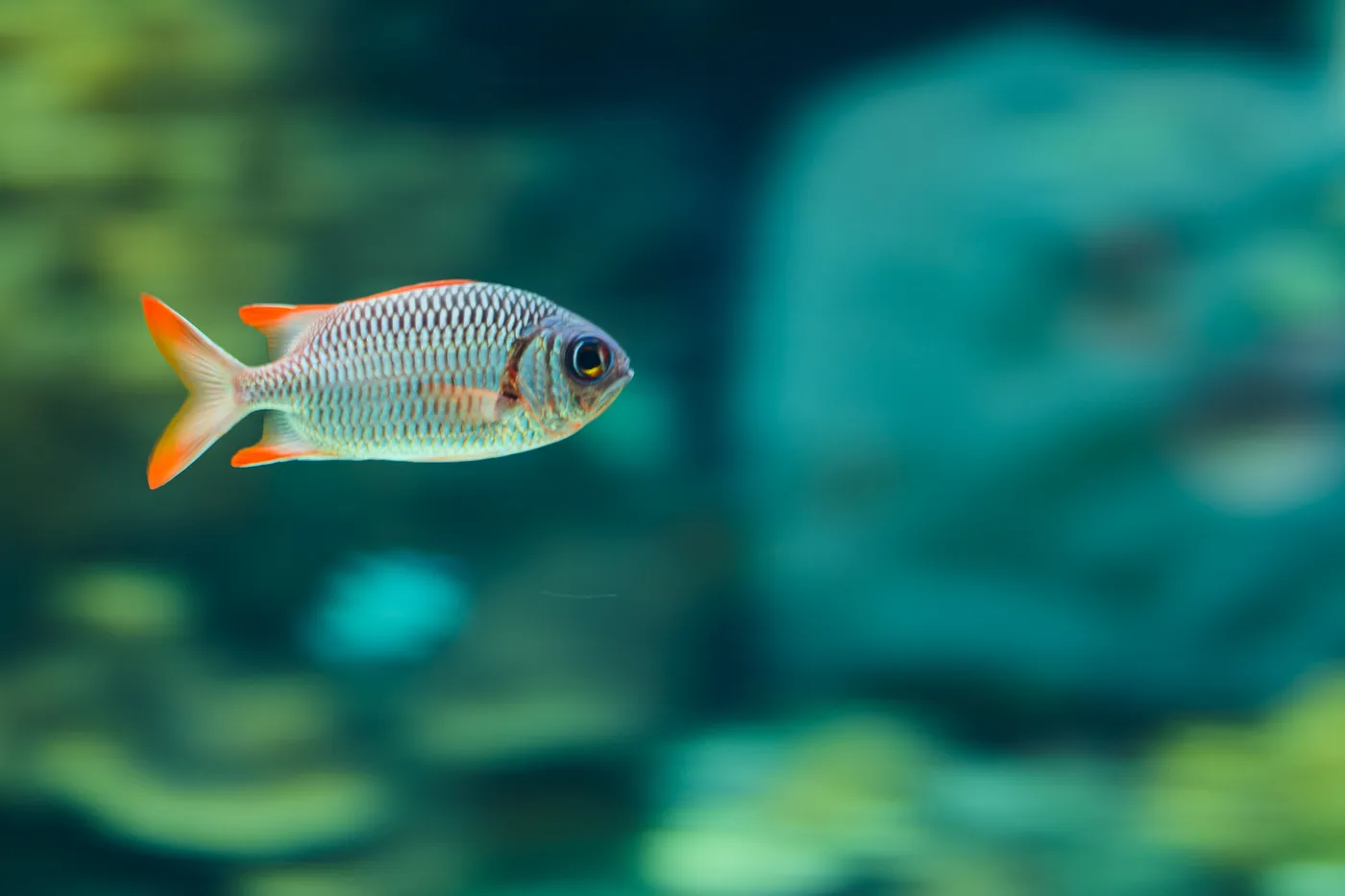
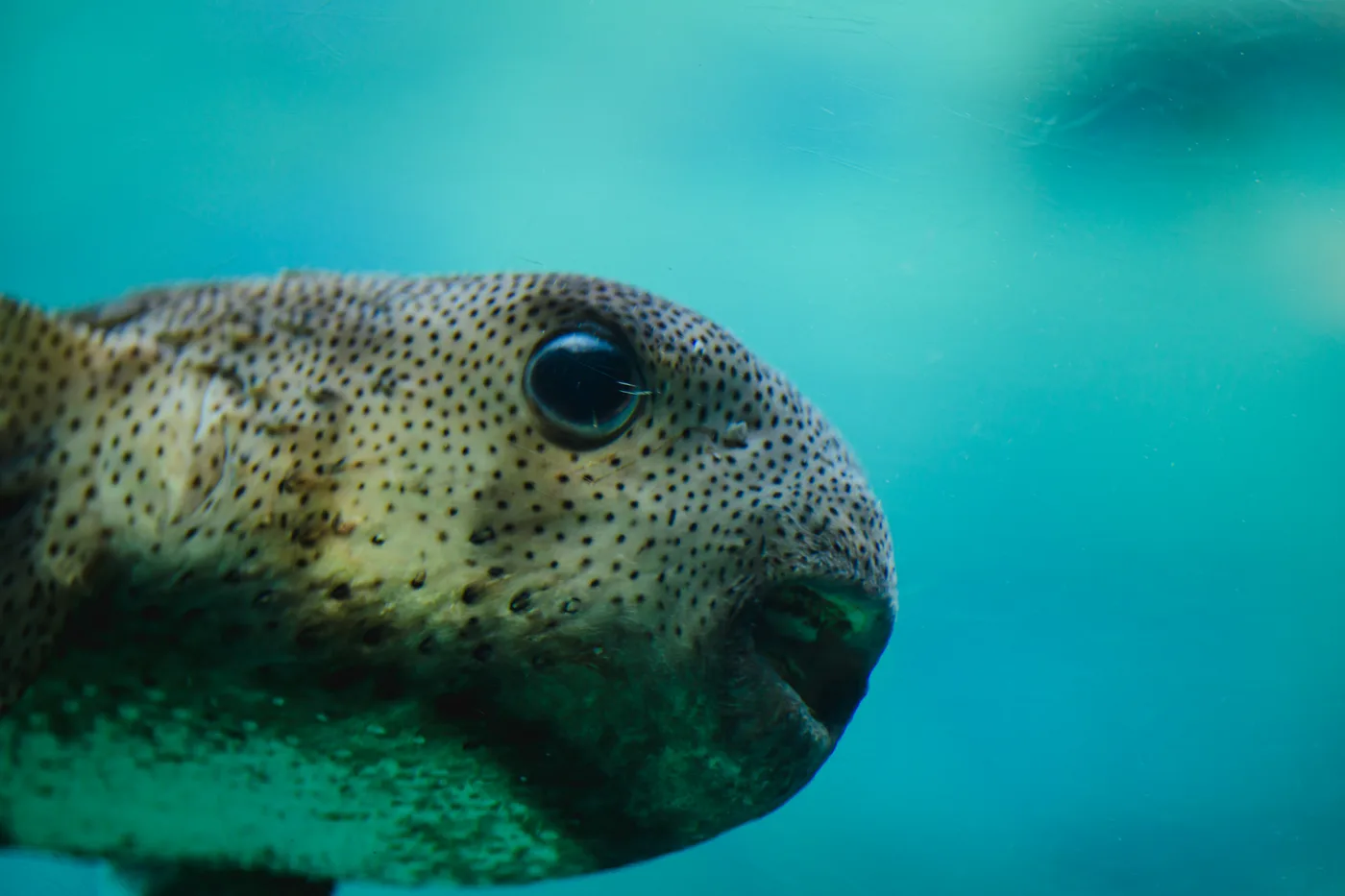
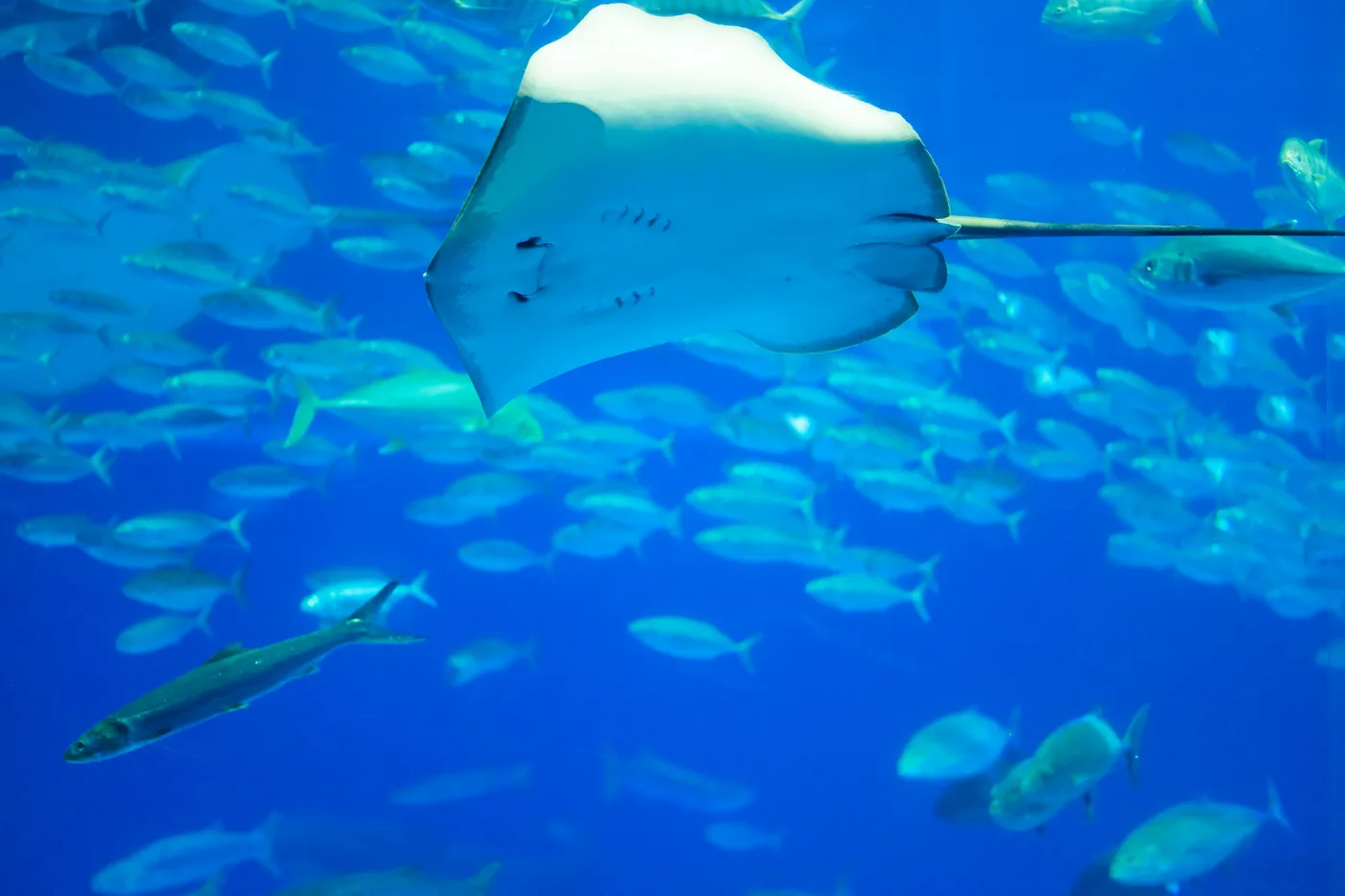
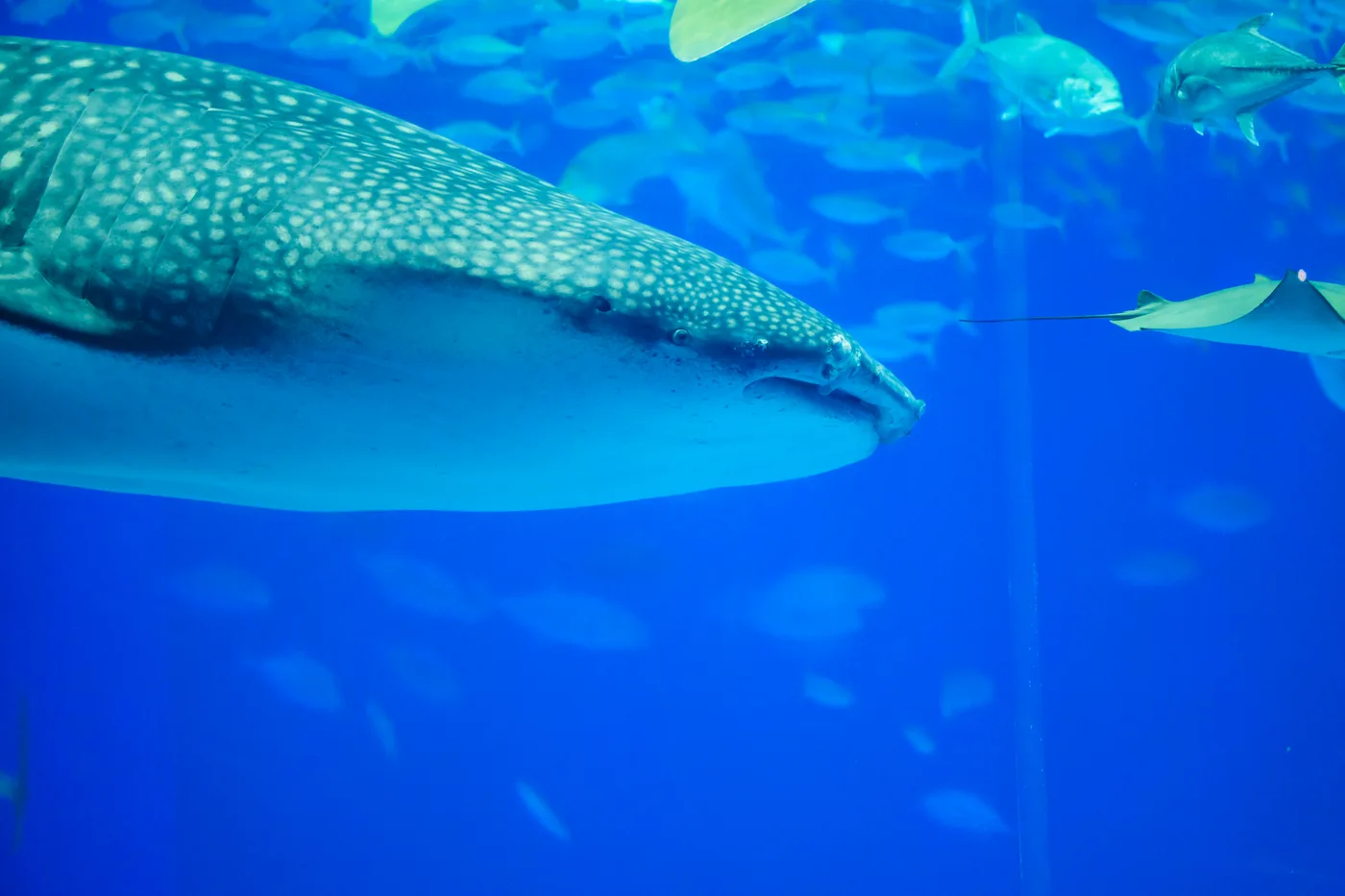
Churaumi Aquarium after seeing the real thing
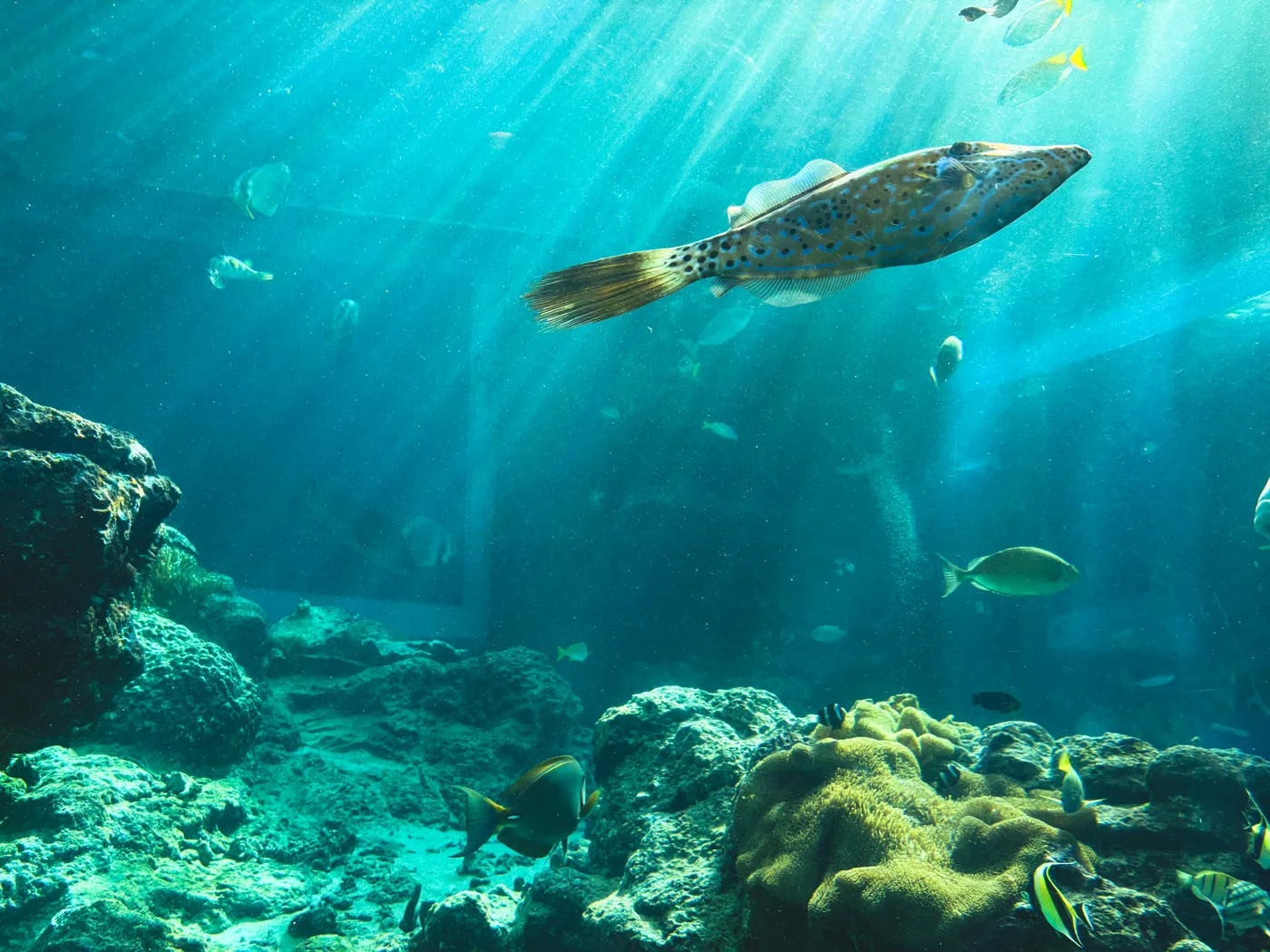
Next, we went to Okinawa Churaumi Aquarium.
Walking around together saying, “Didn’t we see that fish out there?” was fun. The tanks were interesting on their own, but connecting them with our memories of diving added something extra.
Waiting for a sunset in Bise
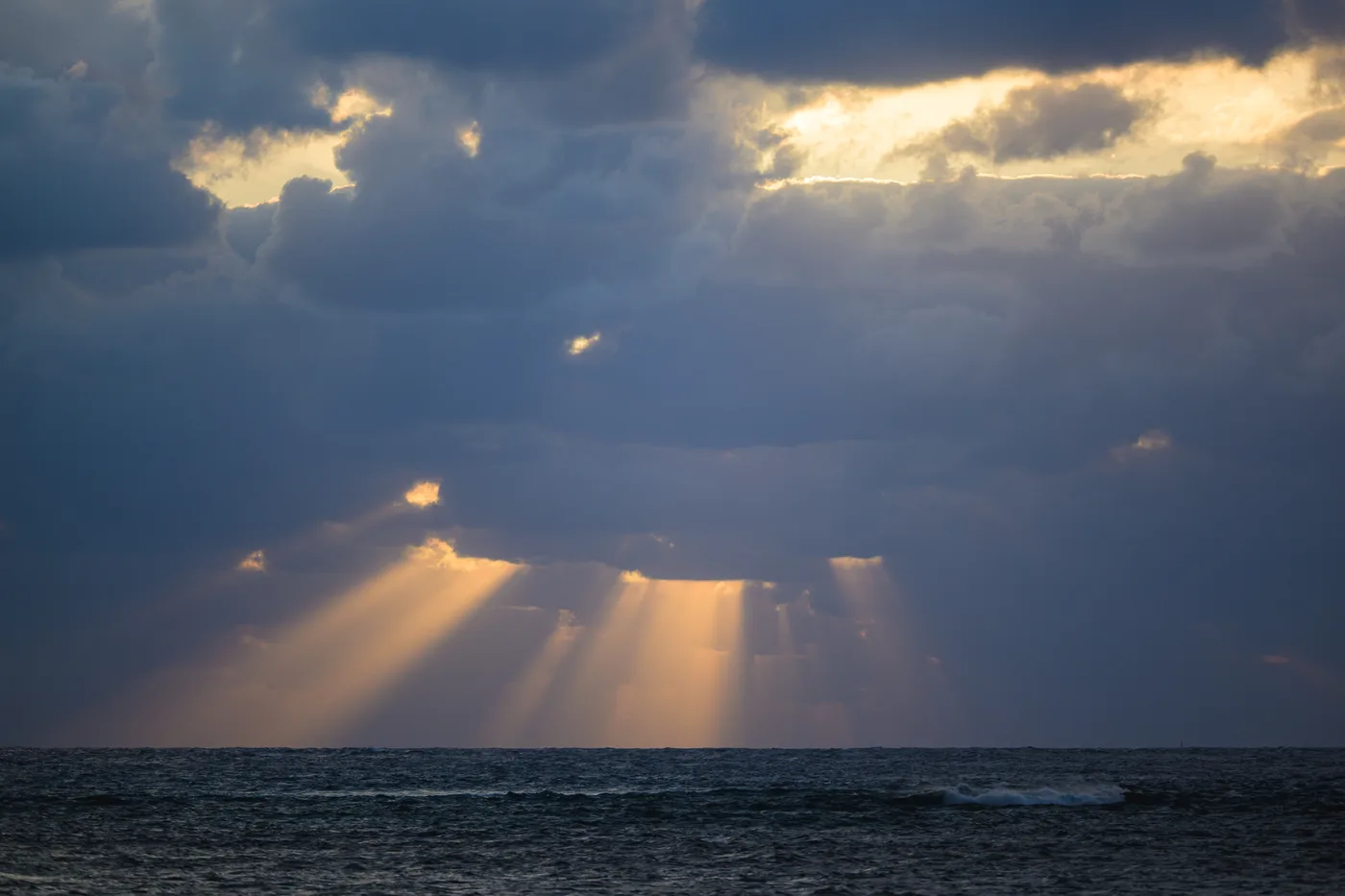
I’d hoped to photograph the sunset at the beach in Bise. Unfortunately, clouds moved in, and the sky didn’t turn the colors I’d been hoping for.
October 6 Evening: A Reservation Mix-Up, Tempura, and Sushi
Back in Naha, we headed to Uomaru, the Maejima location. I thought I’d booked a table. There was just one problem.
I’d reserved a different branch with the same name. The restaurant we were standing in front of didn’t have our reservation.
They said they could seat us in 40 minutes, so I made a new booking there and canceled the one at the other branch. Lesson learned: check the address, not just the restaurant name.
Tempura nearby while we waited
We were already hungry, so we spent the 40-minute wait at nearby Umi no Chinbora.
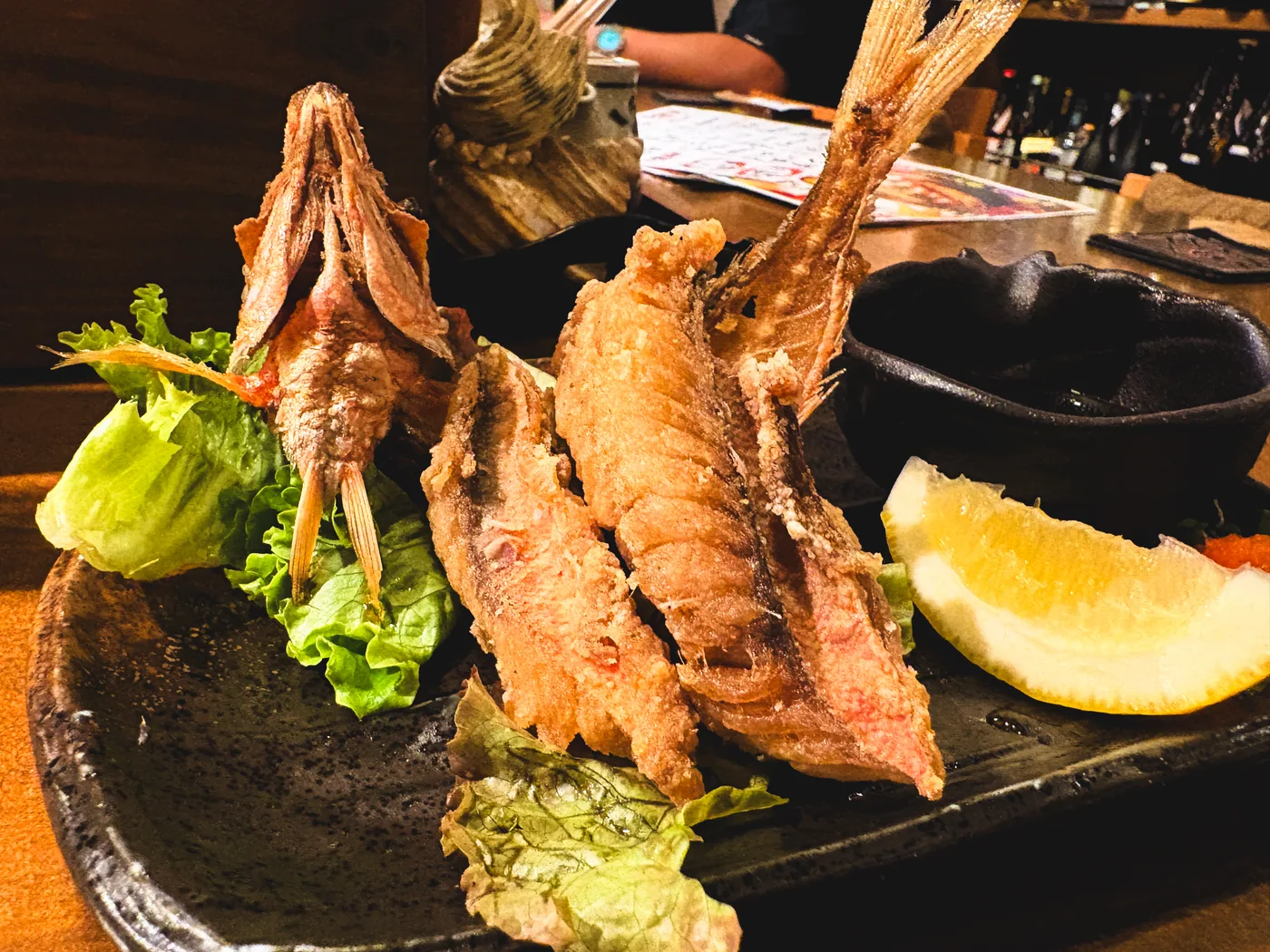
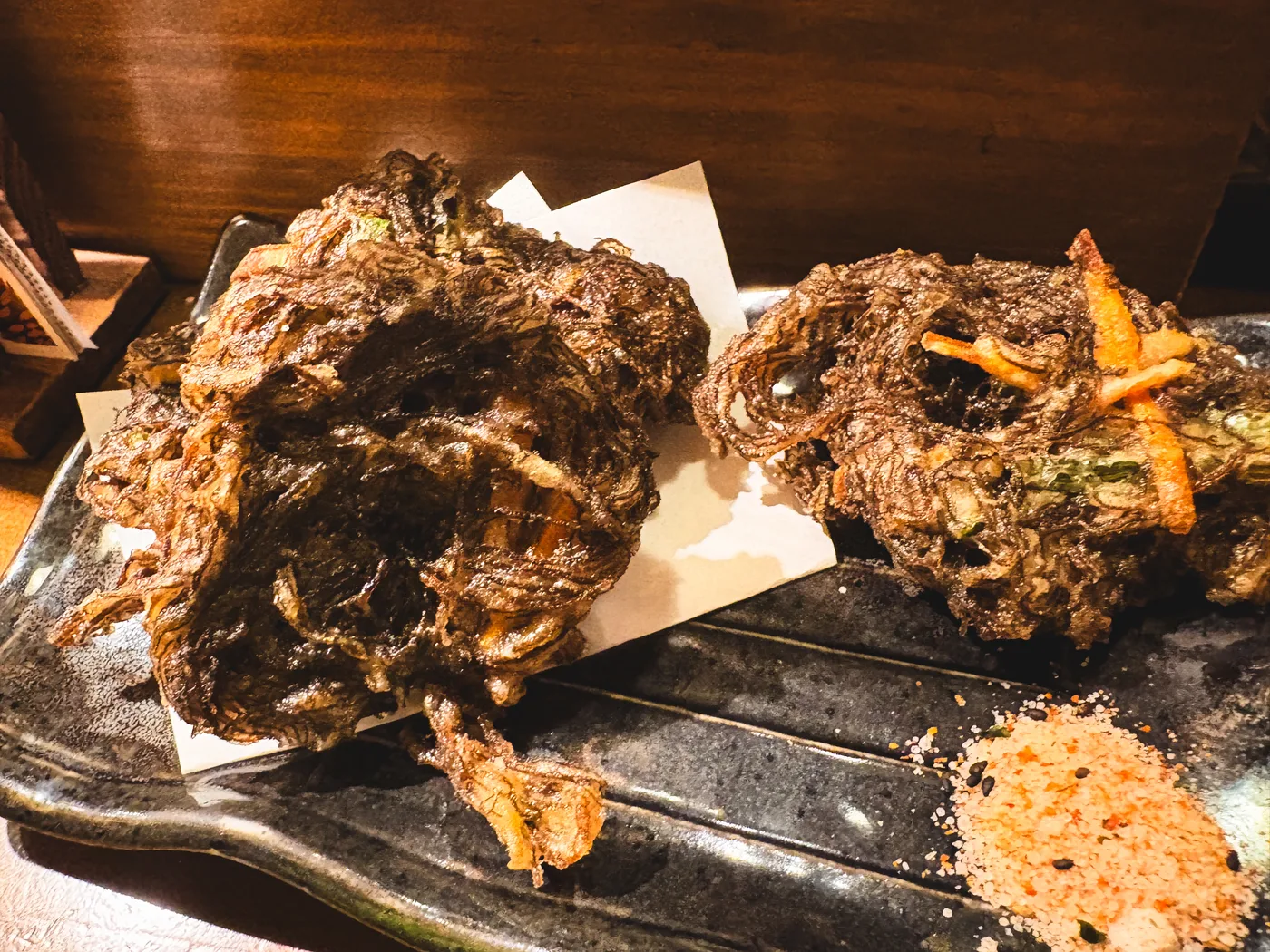
We had gurukun tempura and mozuku tempura. Both were delicious in their own right. Next time, I’d like to come back with enough time to settle in.
Sashimi and tuna sushi at Uomaru
When our table was ready, we went back to Uomaru for sashimi and sushi.
That tuna was delicious. Even after the tempura, I had no trouble making room for it.
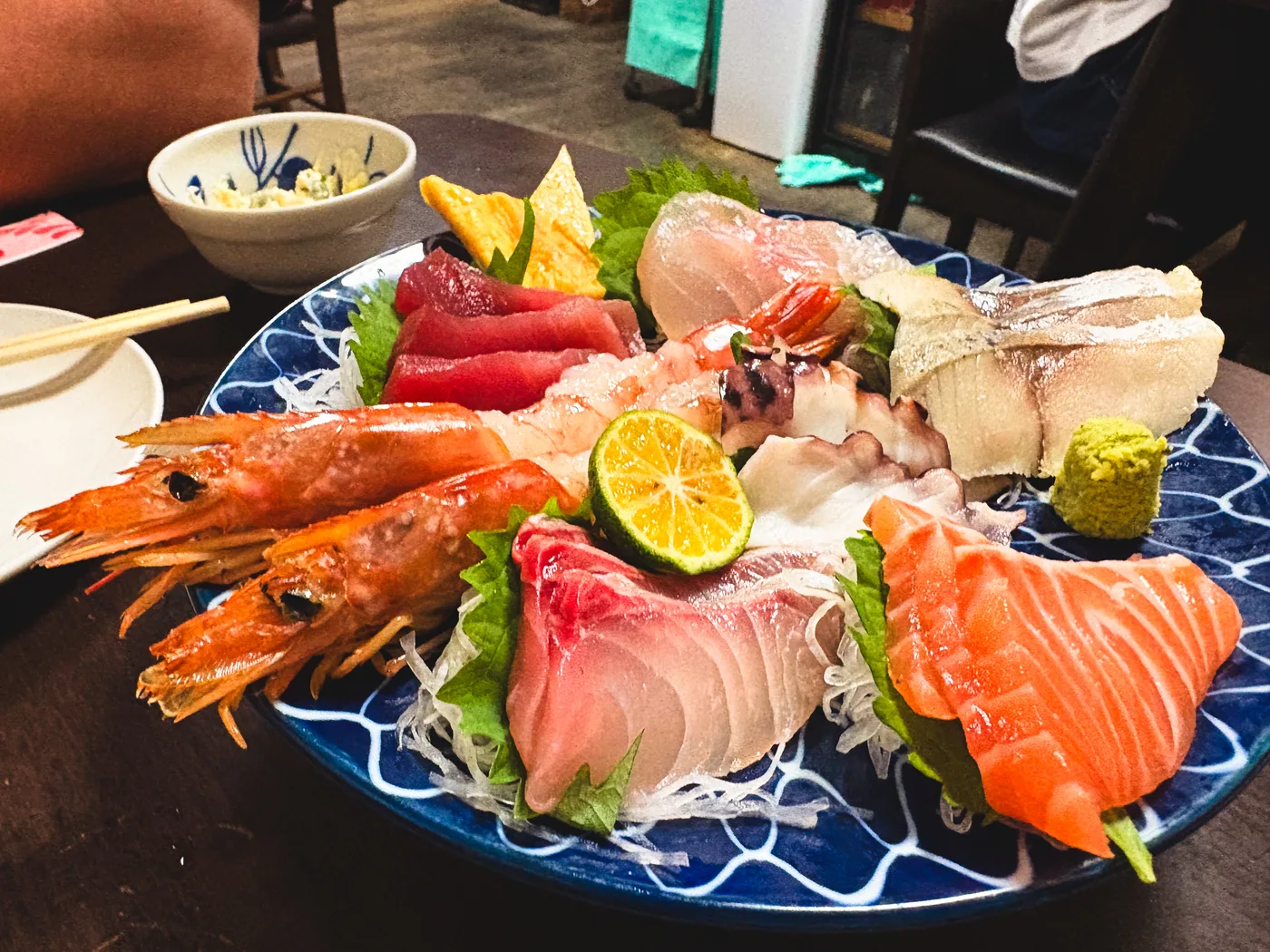
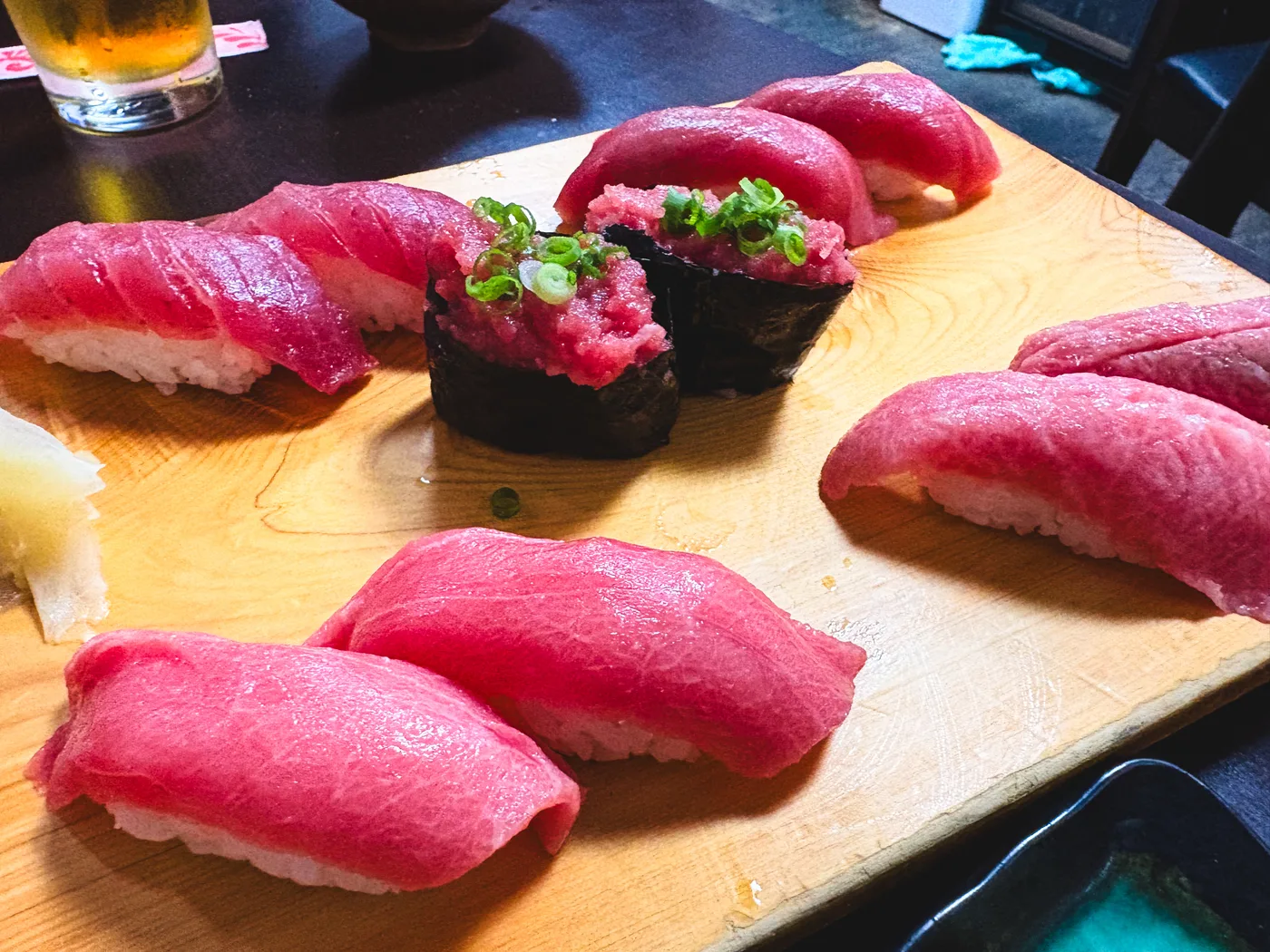
After dinner, we returned the car and headed to the hotel. Between diving, driving, and eating, it had been a packed day. I slept like a rock.
October 7: Tofu Soba Before Heading Home
On our last day, we got up and headed to Naha Airport. After buying souvenirs, we stopped for soba at Tenryu on the domestic terminal’s 4th floor before flying back to Haneda.
I ordered the yushi tofu soba set. The mild, comforting flavor was just right for the last meal of the trip.
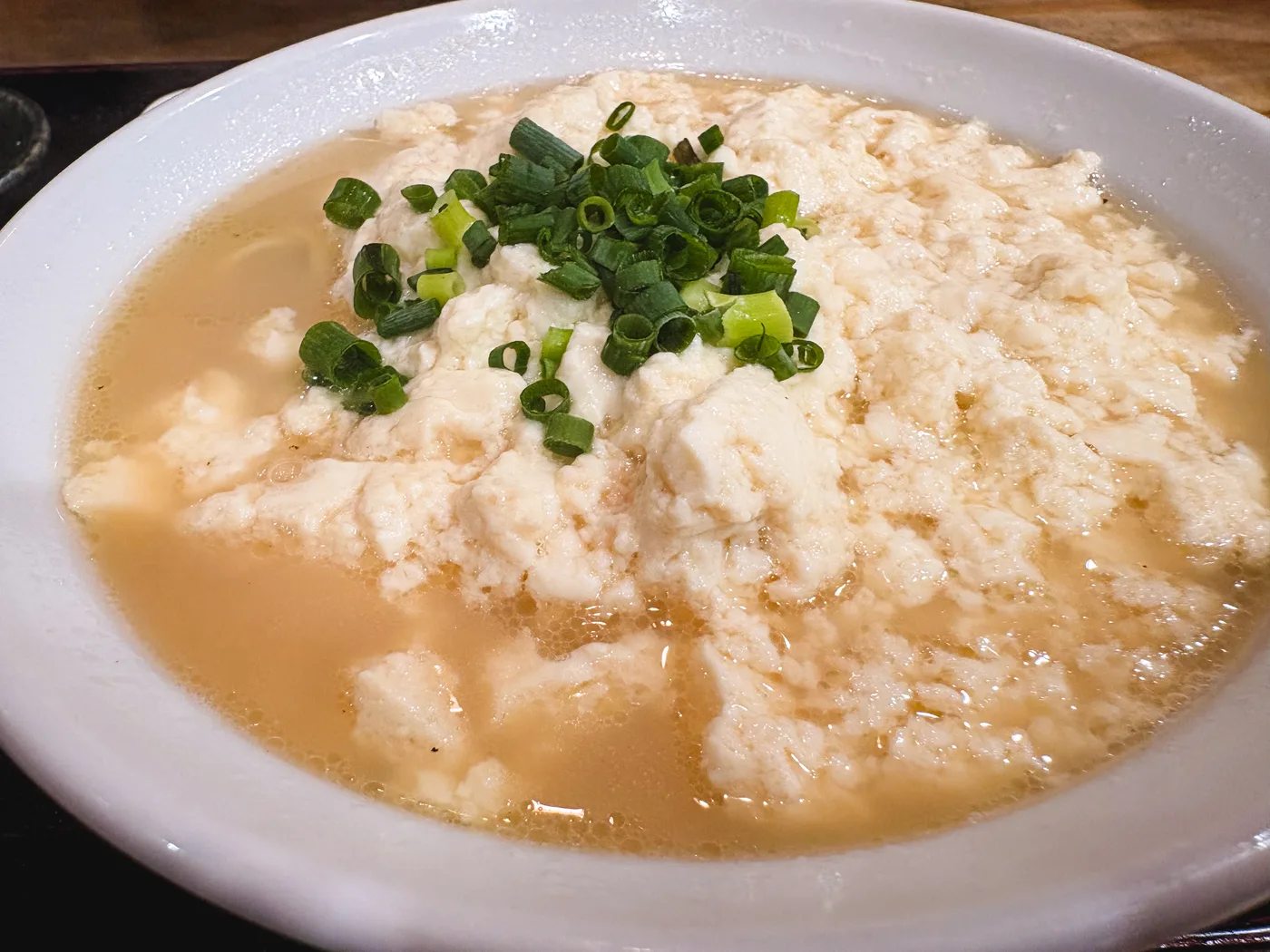
When planning your return flight, ask the dive shop beforehand how long you need to wait between your last dive and flying. Flying the next day isn’t automatically safe. Leave enough time based on your dives, your dive computer’s no-fly indication, and the shop’s instructions.
What I Learned as a Beginner and Why I Want to Go Back
It had been a while since my last dive, but I had such a good time.
The biggest change was feeling less afraid of breathing underwater and having more attention to spare for the scenery. Rippled sand, coral, fish, turtles, arches—the list of things I want to see underwater keeps growing.
Equalizing my ears, managing buoyancy, and setting up gear still don’t come naturally. I’m glad I told the guide about my worries and the gap since my last dive right at the start. If you’re a beginner heading to Okinawa, don’t hesitate to bring up anything you’re unsure about.
The boat rides were rough at times, too. Dive sites and schedules depend on that day’s sea conditions, and this trip reminded me that sticking to the original plan isn’t worth forcing things.
I’m grateful to everyone at Liberte Naha. Five dives, all the gear rented, and about 55,000 yen spent. With the underwater photos included, I was very happy with the experience.
The sea, the food in Naha, and the time chatting with my coworker made for a fun four-day, three-night trip. Next time, I’d like to get back in the water before I forget how everything works again.