A New RAV4 Road Trip Through Nara and Wakayama: Radar Cruise and iPhone 18 Pro
Thanks to Mitsui Car Shares, I got to drive the new RAV4 on a long road trip through Nara and Wakayama.
The main destination was the 11th Azure Travelers Study Session: Trip to Wakayama. I also planned to put radar cruise control to work, test how it handles following and stopping in traffic caused by an accident, and see how much it reduces highway driving effort and what kind of fuel economy I’d get.
All the photos were taken with an iPhone 18 Pro. After selling my Nikon Z8, I also wanted to see how easy it would be to photograph scenery and meals on the road. Along the way, I thought about variable aperture and shutter speed, plus what changes when there’s no telephoto lens.
I set out on the night of November 6, visiting Soni Highlands in Nara, Wakayama City, Kudoyama, and Shirahama, then stopping in Kyoto on the way home.
My takeaway: the RAV4 is easy to drive on the highway, and I’m about 80% satisfied with shooting on the iPhone 18 Pro. Neither was completely hands-off, though, so the trip became a good test of where assistance helps and where you still need to take control.
Table of Contents
- Adaptive cruise control has made highway driving much easier
- Photos taken with the iPhone 18 Pro. What’s changed since the Z8?
- Itinerary: November 6–8
- Touring Kudoyama and Shirahama
- Reflecting on driving and shooting
Adaptive cruise control has made highway driving much easier
I was interested in features that help with long-distance driving
I became interested in the RAV4 after seeing its long-distance driving support features on Toyota’s safety performance page.
What I especially wanted to try was Dynamic Radar Cruise Control with full-speed range following. It helps accelerate and decelerate to maintain distance from the car ahead — and a long drive seemed like the best way to test that.
In practice, it was hugely convenient to hand over much of the accelerator work while driving on the highway mainline. You still need to drive manually when leaving the mainline — at toll booths, entering service areas, or changing highways — but not having to keep your foot on the gas during cruise reduces fatigue significantly.
I remembered the scene in Char’s Counterattack where Amuro rests on autopilot while heading to the moon to pick up the ν Gundam. If you only consider the feeling of trusting the machine to drive, it’s a bit similar.
Of course, the real RAV4 is driver assistance, not autonomous driving. Drowsy driving is absolutely unacceptable. The driver must monitor surroundings and be ready to take over immediately. If you become sleepy, the proper approach is to stop in a safe place and rest, not to rely on assistance features to keep driving.
In accident-related traffic jams, it was convenient that the car followed traffic and came to a stop
I also hit an accident-related traffic jam along the way. I appreciated that the car ahead slowed appropriately and came to a full stop.
When I used it, restarting required either toggling the cruise control switch or pressing the accelerator. It’s not fully automatic, but it greatly reduced the stop-and-go effort.
I’m describing the follow-stop-restart behavior I experienced in the car I drove. The official site also lists “Toyota Teammate [Advanced Drive (Traffic Assistance)],” but that’s a manufacturer option. I didn’t check the rented car’s option list, so I can’t say for certain that that specific feature was used.
I haven’t tried it, but I’m curious about the Driver Abnormality Response System
I was also intrigued by the “Driver Abnormality Response System (with shoulder pullover function).”
According to Toyota, the system detects driver abnormalities, issues warnings, and notifies others with hazard lights while decelerating and stopping in the lane or on the shoulder to assist with rescue. The shoulder pullover function depends on grade and options.
Obviously I didn’t test it — I don’t want to be in a situation where I’d have to. Still, knowing such a feature exists is very striking.
I’ll be 50 next year. Considering aging, I’m glad more cars are adding driver-assist features. Support isn’t a license to push yourself, but I hope I can keep enjoying car trips longer by being mindful of my health and driving ability.
This trip’s fuel economy was about 18 km/L
Overall fuel economy was about 18 km/L. That’s the value observed during this use, not from a strict comparison test or full-tank measurement.
The Shin-Tōmei Expressway has long stretches with a 120 km/h limit, and driving faster there naturally lowers fuel economy. Even so, for an SUV in this class, that figure seems pretty good.
I thought cruising around 80 km/h might yield better fuel economy, but I haven’t compared under identical conditions, so that’s just speculation.
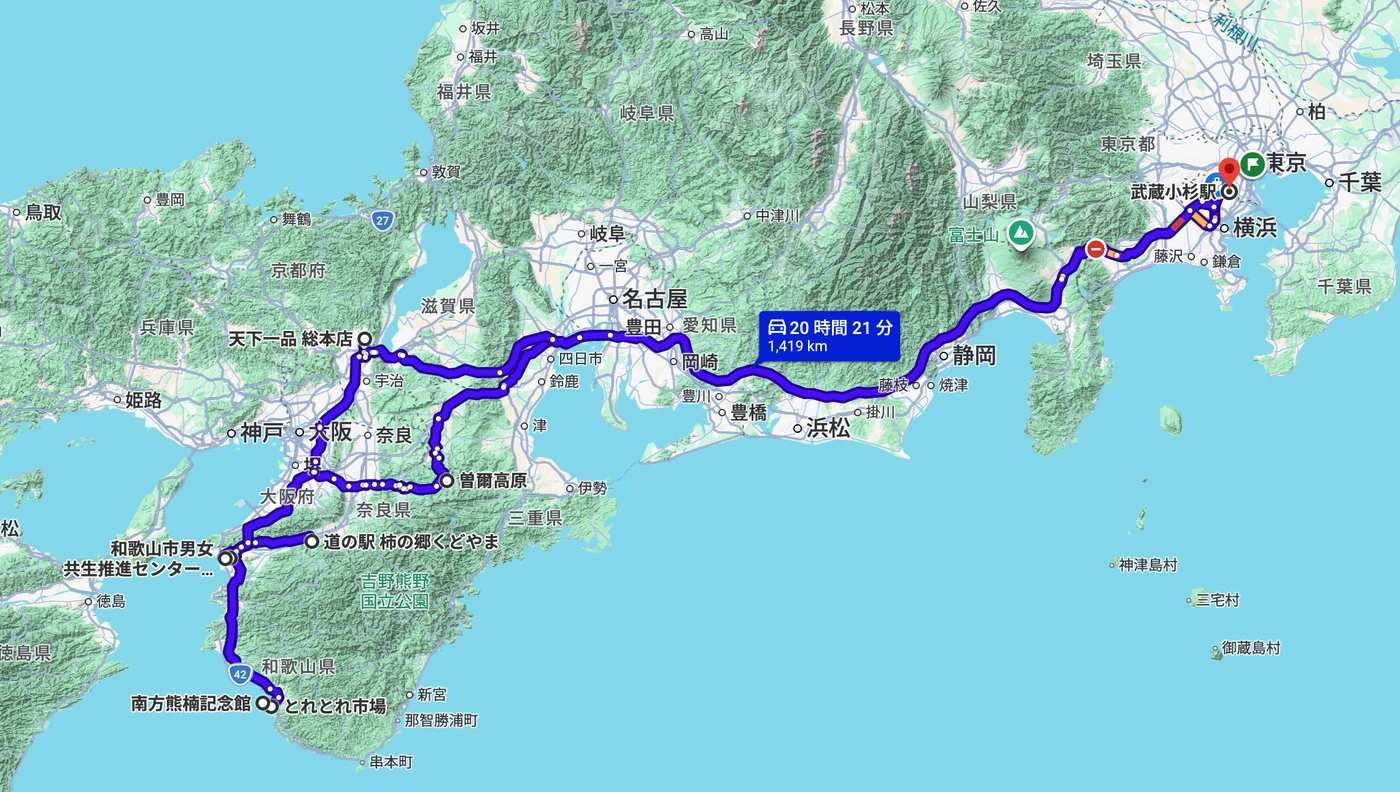
Here’s a map summarizing the route I drove. The distance and time shown on the map are the route display values, not the actual total distance traveled or total time including breaks.
Photos taken with the iPhone 18 Pro. What’s changed since the Z8?
Why I gave up the Z8
All photos in this article were taken with an iPhone 18 Pro. I sold my Nikon Z8.
There were two main reasons.
- Contact issues between lens and body increased when using heavy lenses.
- I’ve been busier and no longer have as much time to take photos as before.
About the contact issues, I wondered if the camera mount had become warped, but I couldn’t confirm the cause. This wasn’t a general Z8 problem—just an issue with the unit I had been using.
Around that time, the iPhone 18 Pro added the ability to change the main camera’s aperture (F-number) and shutter speed, and an external strobe for iPhone—GODOX A2—became available. I figured that would be sufficient for a while.
Note that aperture adjustment and portrait depth-of-field control are separate features. Variable aperture is available on the main camera only; you can’t change aperture the same way on the ultra-wide or telephoto lenses.
On the plus side, you can get close to food or small items without a telephoto, and it’s quick to capture scenes you spot while traveling. Because you don’t need to swap lenses or check many settings like on a camera body, I ended up taking more photos on the go.
Things I could do with the Z8 that are now difficult with my current shooting style
These were the points that stood out when I actually used it on the trip.
- I can’t use my familiar telephoto lenses. The iPhone has telephoto capability, but it’s not the same as shooting with a telephoto lens on the Z8.
- Available adjustments vary by camera app. It’s frustrating when some apps don’t allow setting things like ISO.
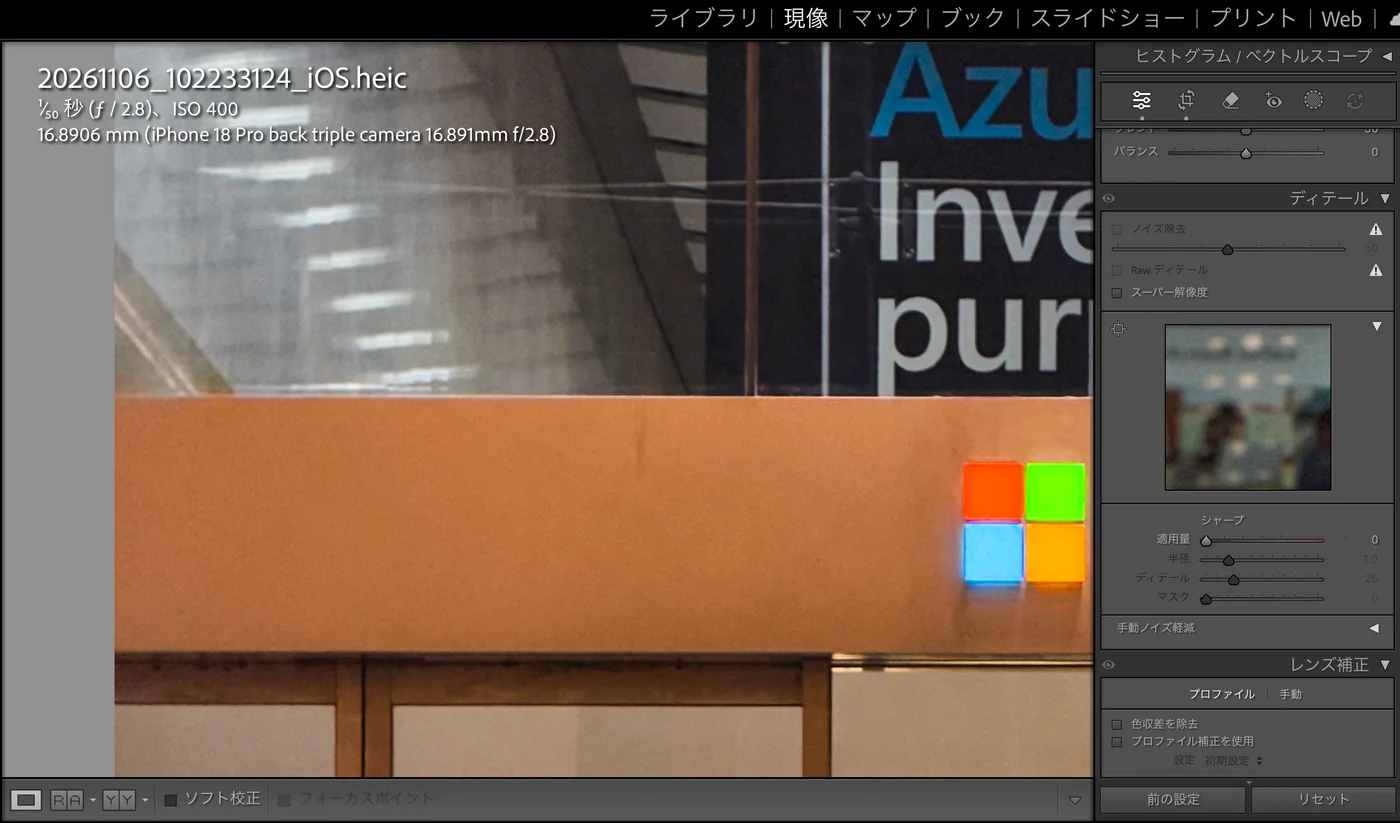
- Zoomed-in noise is noticeable. In my Lightroom setup, AI noise reduction couldn’t be applied to some of these HEIC photos. I wondered if converting to JPEG would help, but I haven’t tried that yet.
- Changing settings takes time. On a camera you can make some adjustments in about a second by muscle memory; on the iPhone, switching app screens makes it feel closer to 15 seconds.
That last item is based on my subjective feeling, not measurements. It will vary with apps and familiarity, but when you want to quickly capture something right in front of you, the difference is significant.
Even so, I’m about 80% satisfied with how things are now
It may sound like I’m only listing complaints, but overall I’m about 80% satisfied.
Until now I’d mostly used telephoto lenses, so shooting things up close feels refreshing. I’ve started enjoying photographing food, small items, and little things that catch my eye while traveling in a new way.
I tried various gear this time, including the A2, but I didn’t record for each photo whether a strobe was used. The A2’s flash is controlled via the dedicated Godox Camera app, so you can’t necessarily use any camera app you prefer.
Lighting meal photos with the A2 would be fun, but firing flashes all over a restaurant would bother other customers. If you do it, check with the restaurant and be careful about location and timing. That said, on a trip I’d probably prioritize eating normally over setting up flash, lol.
Itinerary: November 6–8
November 6: Finished helping and headed out at night
That day I was helping with 63rd Tokyo Jazug Night and handling the entrance at the Shinagawa venue.
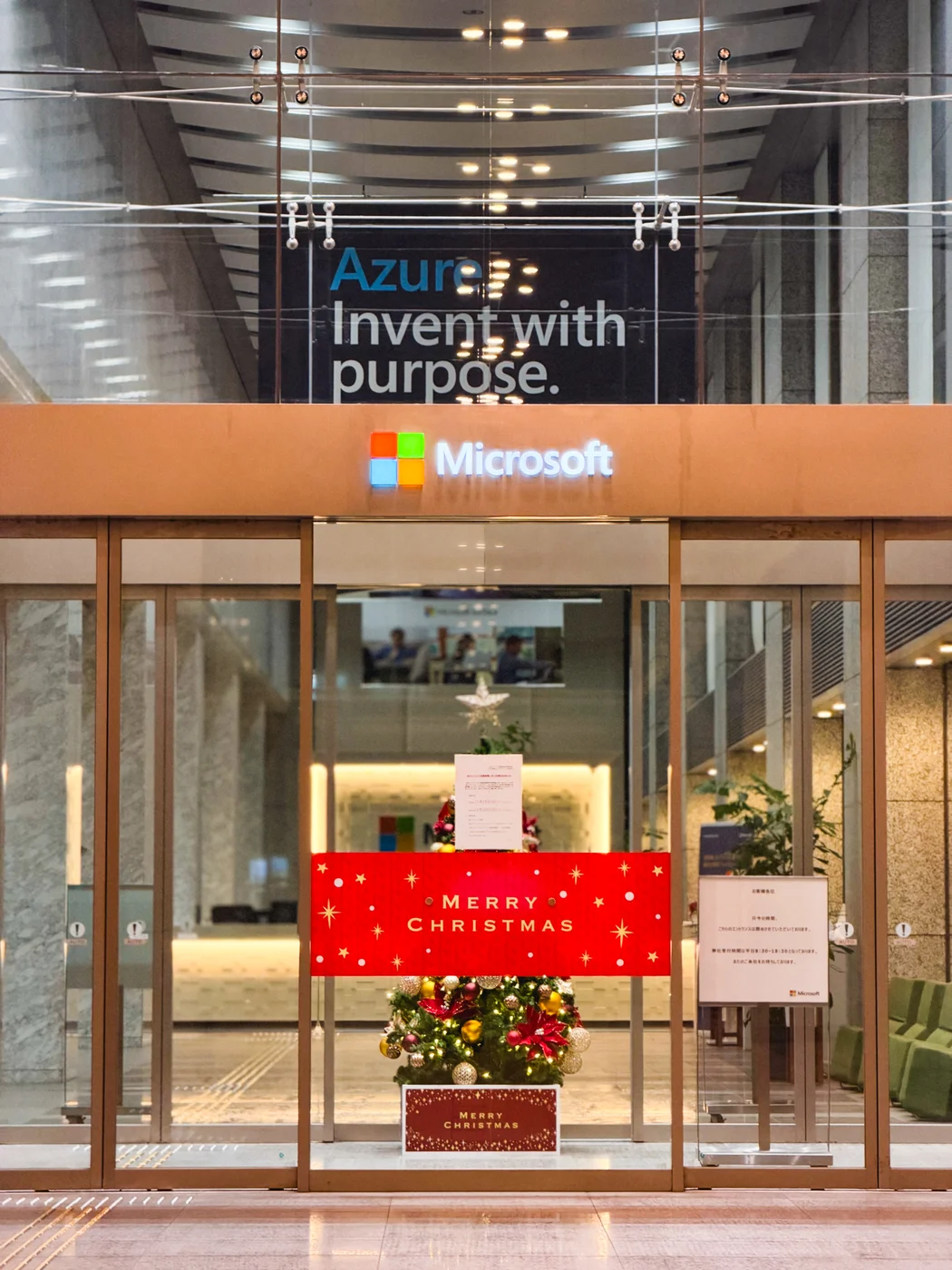
Since we left after this help was finished, we left the house around 11 p.m. Using the RAV4’s features, we stopped at service areas and took plenty of breaks along the way.
Service areas are fun because the souvenirs vary by location. Around Nagoya, you can even find Sugakiya’s bagged noodles.
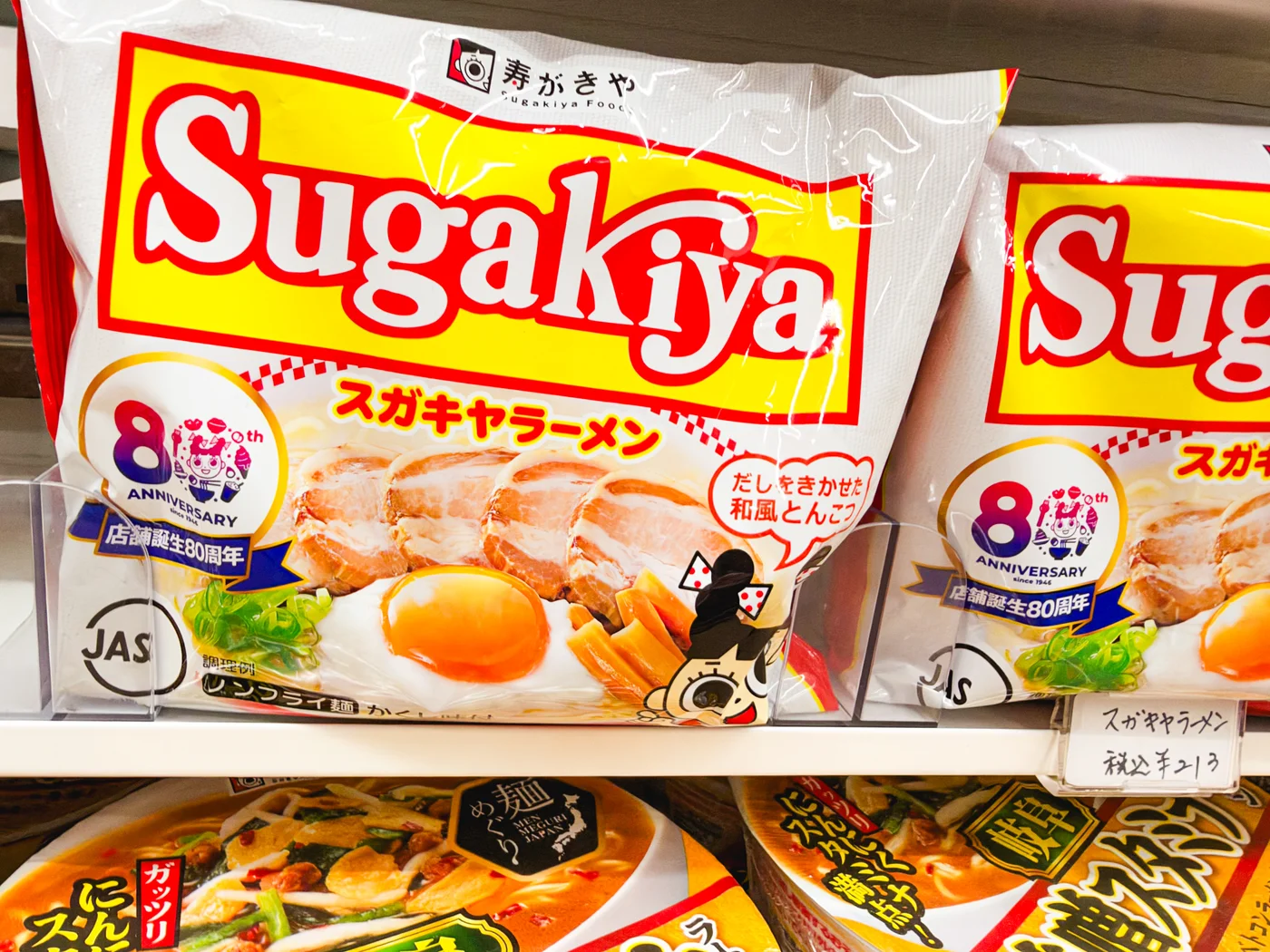
If I headed straight to Wakayama I’d arrive a bit early, so I took a detour to visit Soni Highlands in Nara Prefecture.
November 7: From Soni Highlands to Wakayama
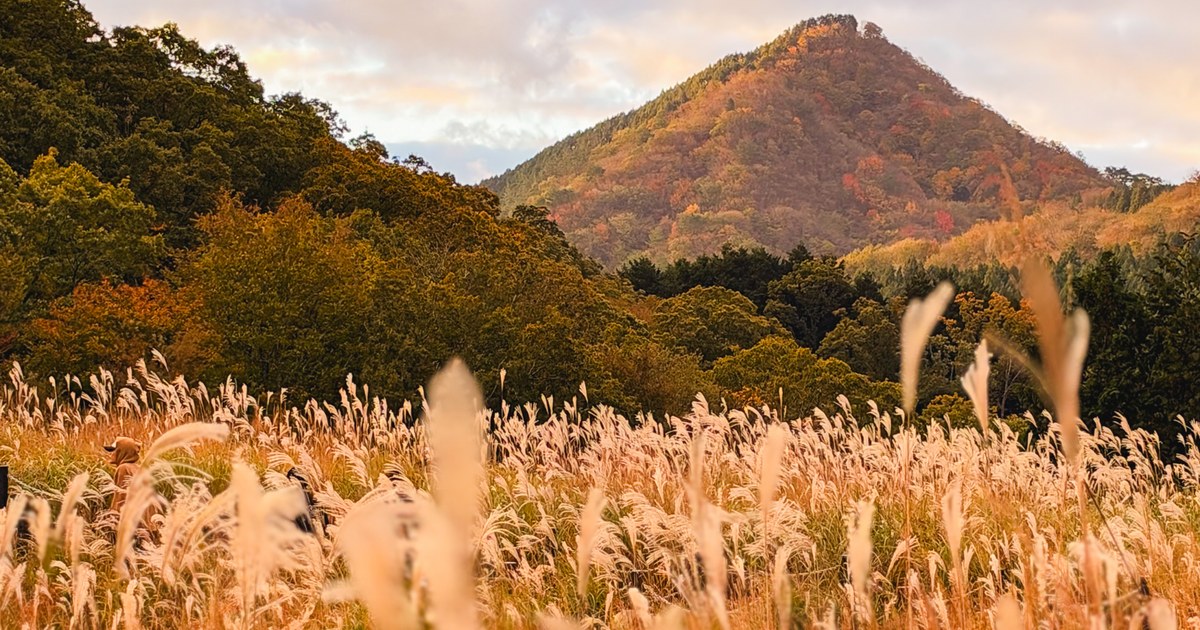
Autumn leaves and pampas grass on a morning at Soni Highlands
We arrived at Soni Highlands. The autumn leaves and pampas grass were beautiful.
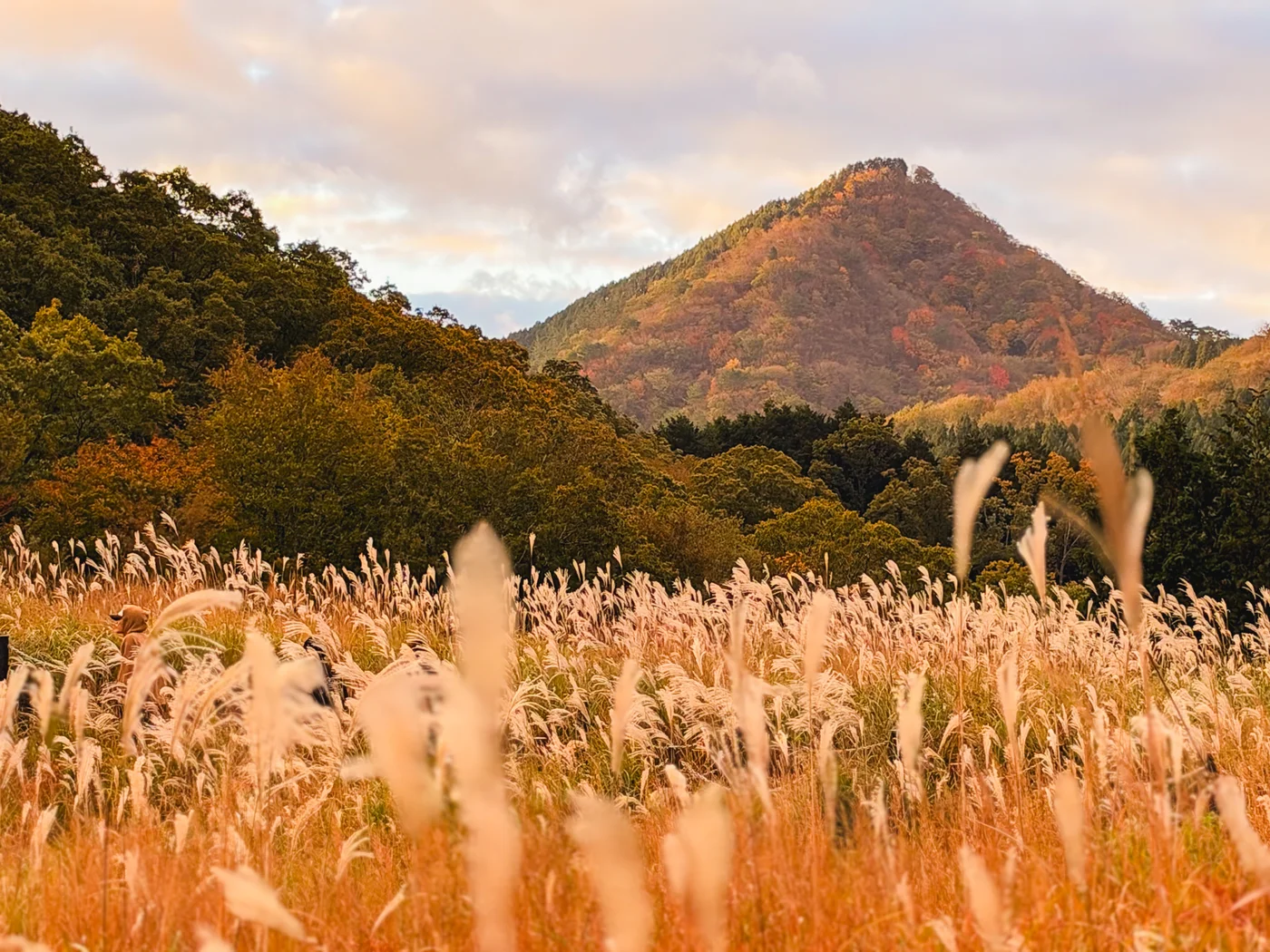
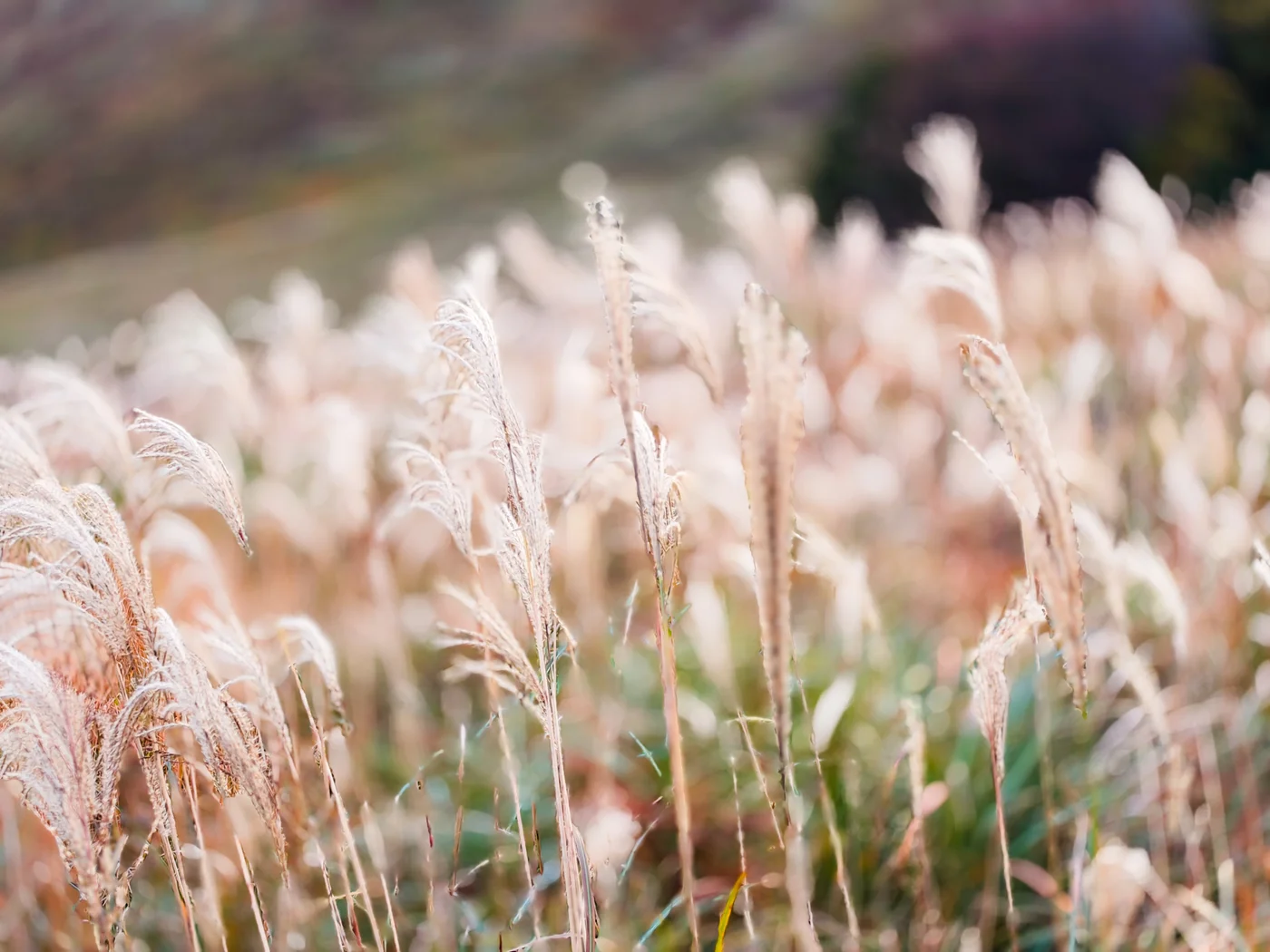
There’s a mountain range to the east, so sunrise light came a bit later than I expected, and I was struck by how many wild deer were around.
After a short nap I continued to Wakayama. I spotted a tonkatsu restaurant that looked great, but it was too early and it hadn’t opened yet.
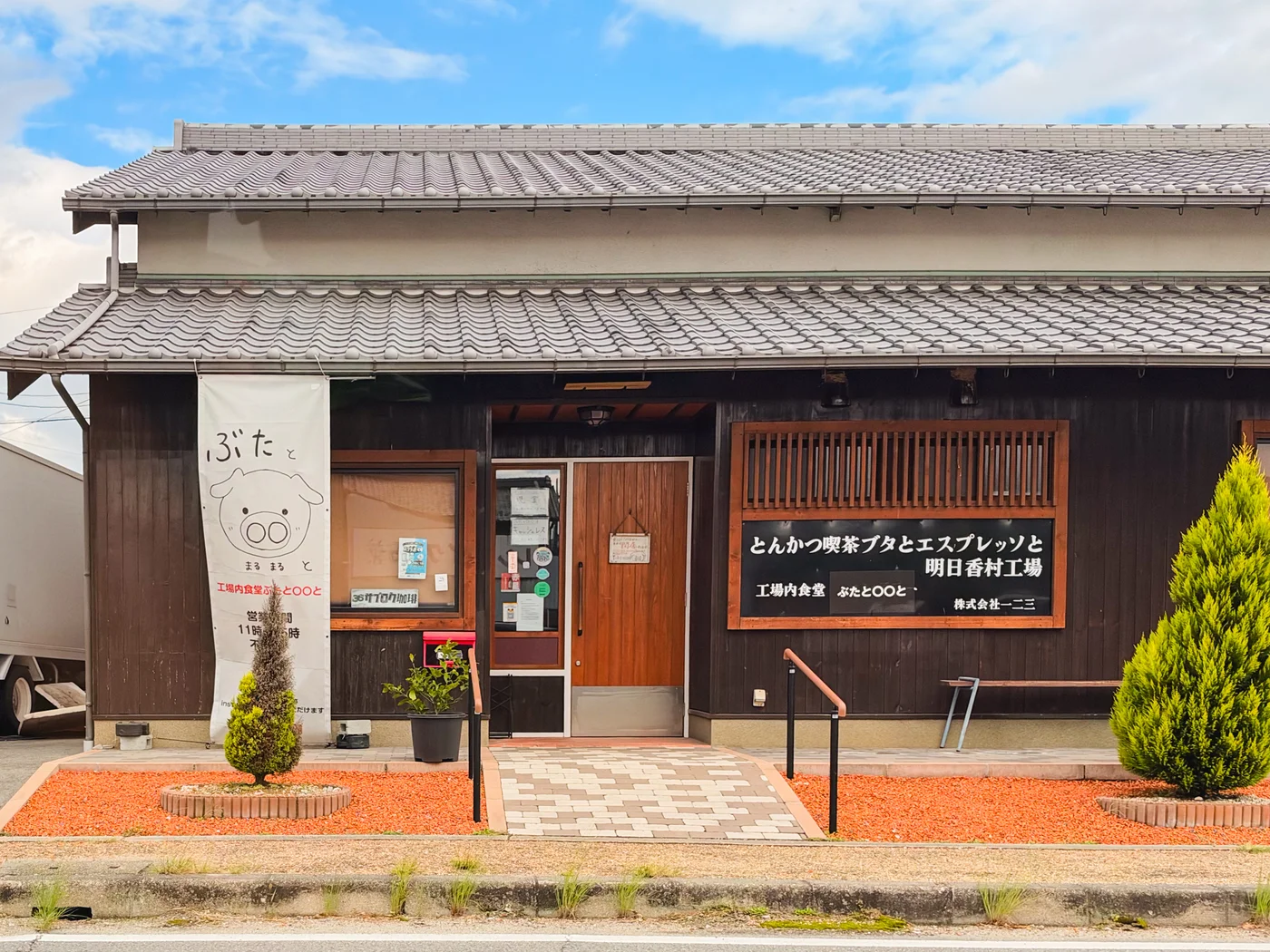
Because of that, I kept thinking “I want tonkatsu,” but I didn’t actually get to eat it until the following week. Restaurants you miss on a trip tend to stick in your mind, lol.
Arrived in Wakayama. For details about the study group, see Mr. Hara’s blog
I took naps along the way and arrived at the venue just after 10 a.m.
The purpose of this trip was to attend 11th Azure Travelers Study Session: Trip to Wakayama. I didn’t do much personally, so rather than describing the study session in detail, I’ll point you to Mr. Hara’s report on the study session — check that if you want a sense of the event’s atmosphere.
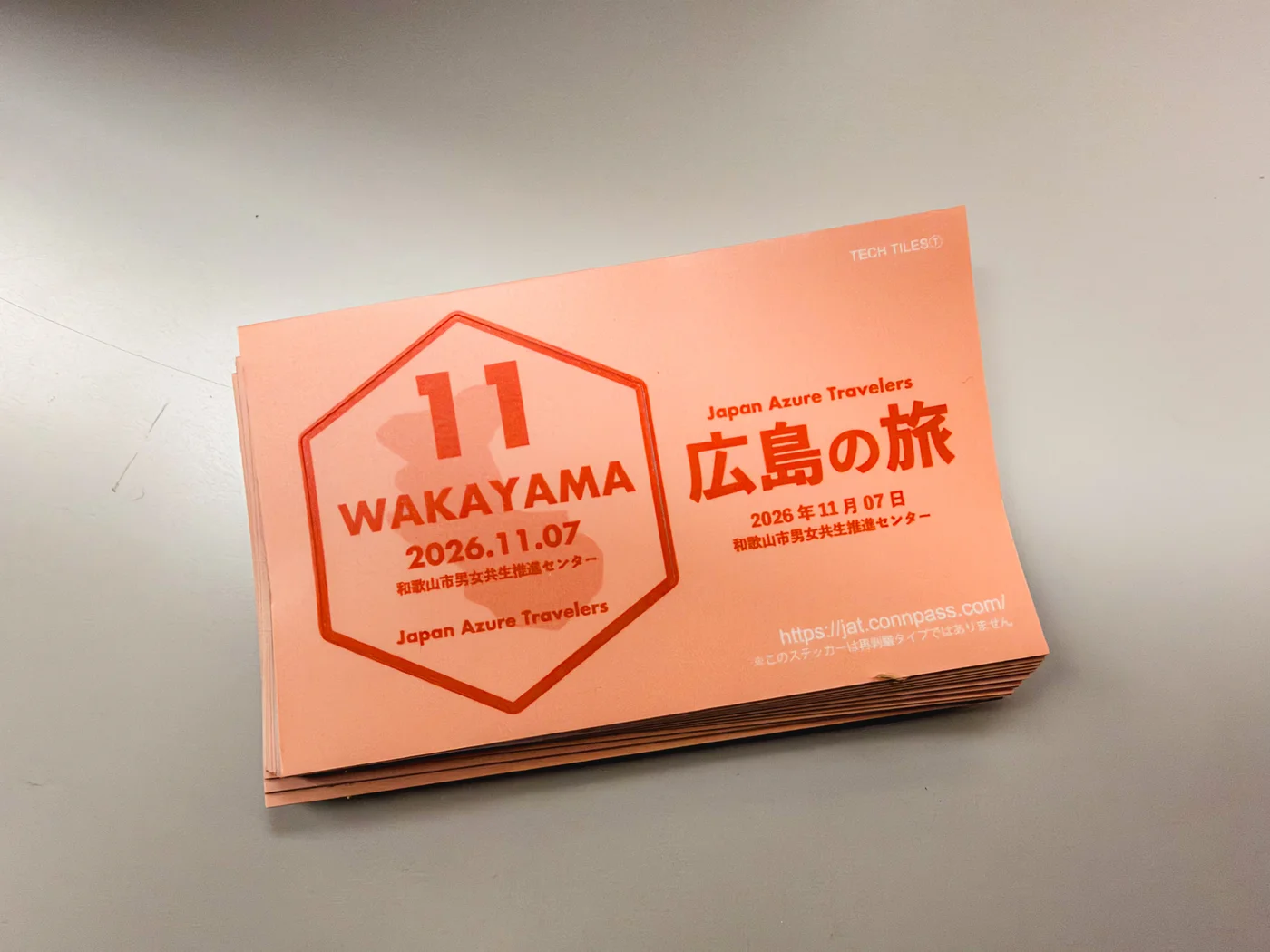
My regret: I didn’t check the stickers properly when they arrived. The sticker itself was for Wakayama, but the backing paper still said Hiroshima, so I couldn’t fix it beforehand. Sorry about that.
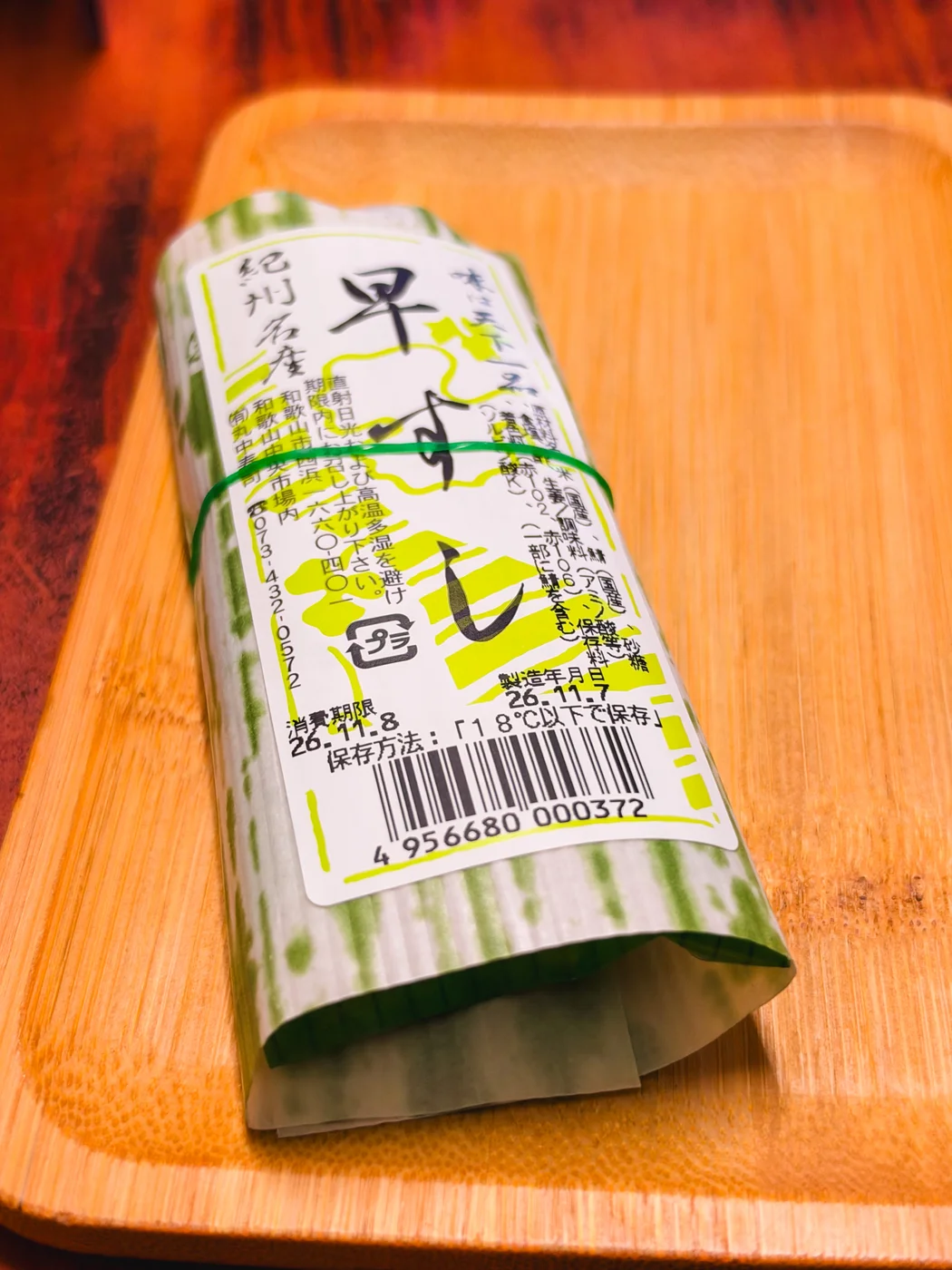
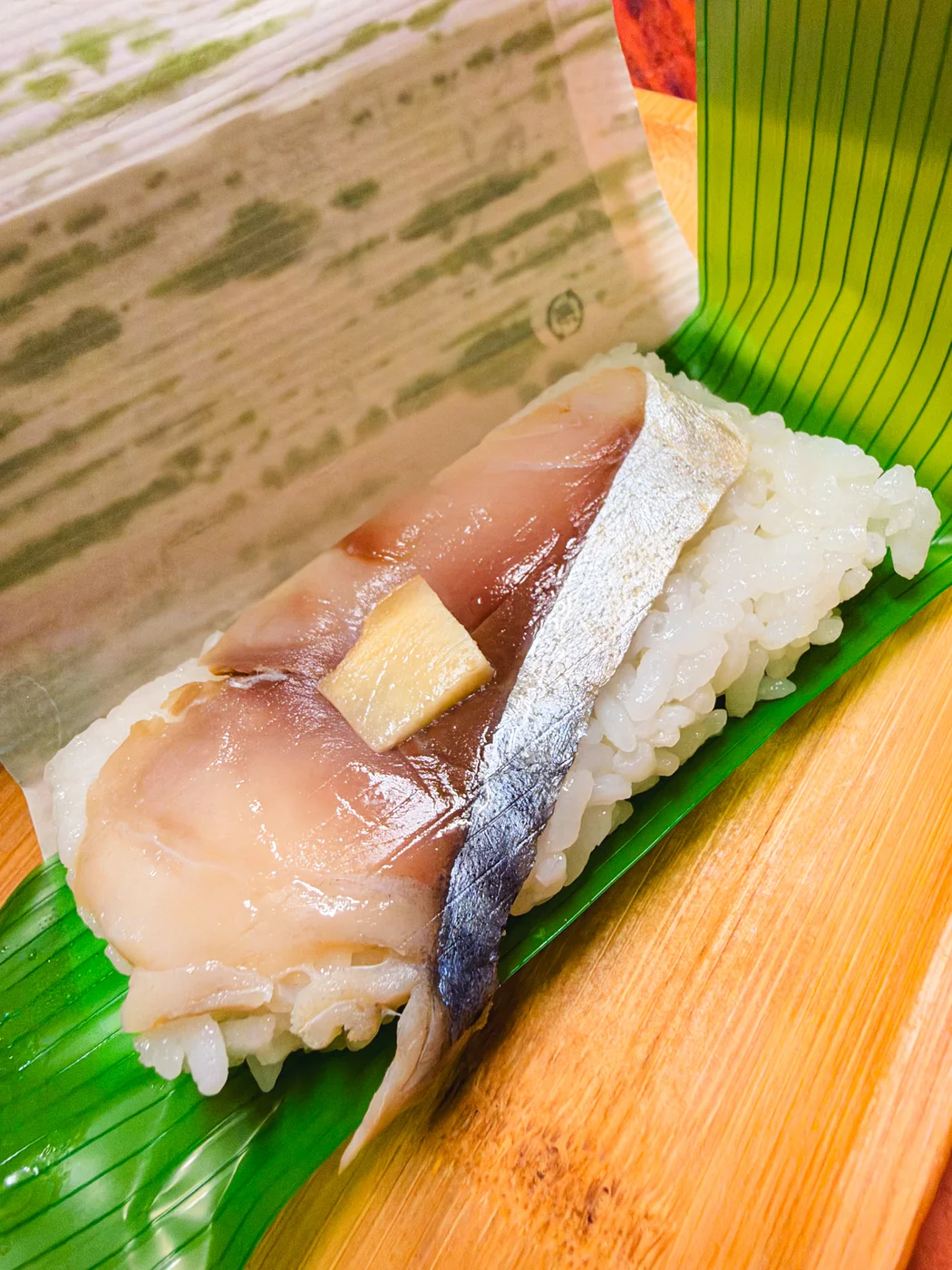
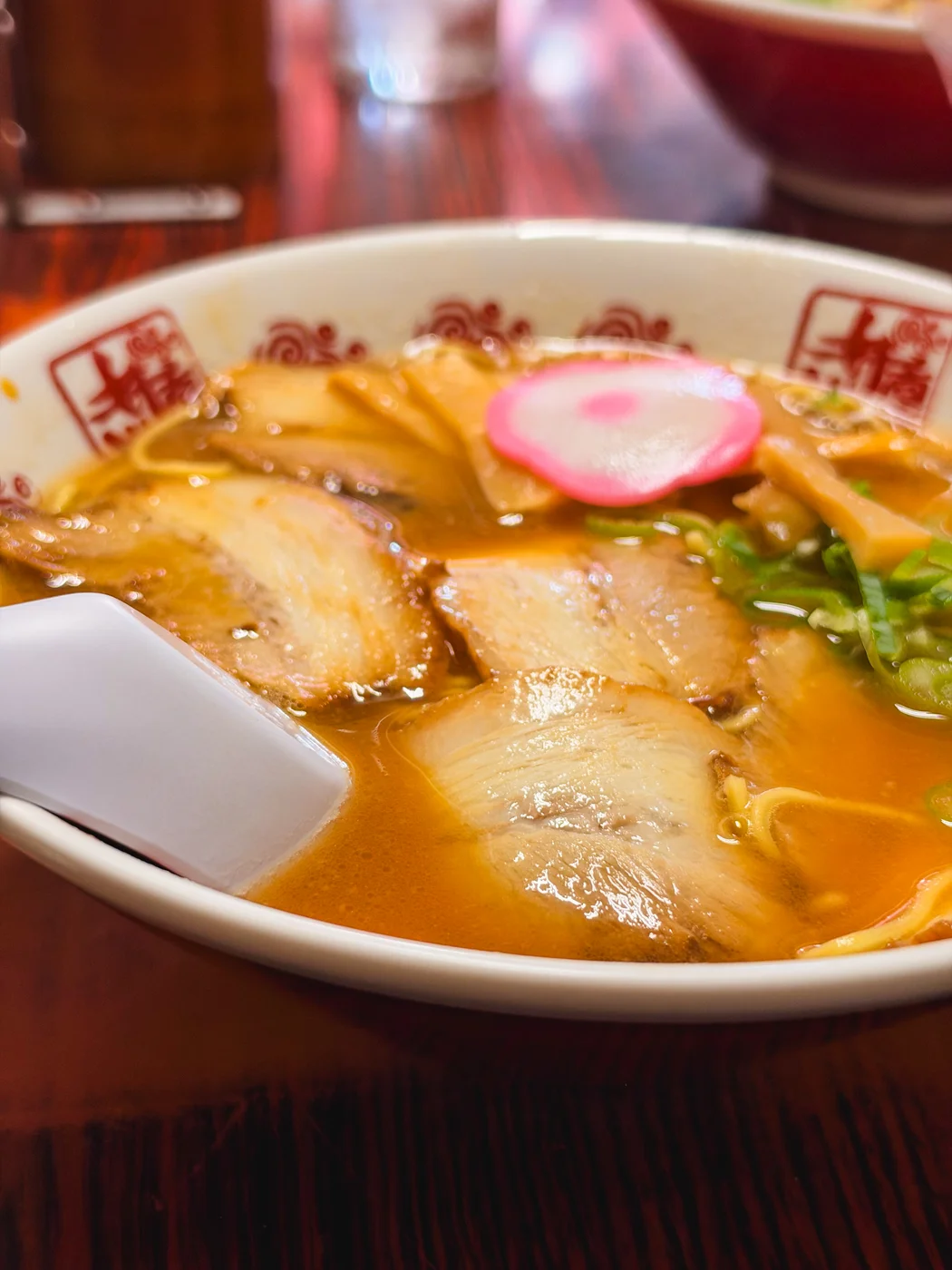
At the long-awaited Ide Shoten: ramen and hayazushi
For lunch I went to Ide Shoten. Both the ramen and the hayazushi were delicious.
I’d wanted to visit here on a previous trip to Wakayama but couldn’t because of the schedule. This time I finally made it.
Leave your car at the hotel and walk while enjoying views of Wakayama Castle
During a break in the study sessions, I was looking for a hotel to stay at that night. I couldn’t find any availability.
In the end, I booked Dormy Inn PREMIUM Wakayama. I thought, “That’s pricey,” but I’d been moving around with short naps and wanted a proper bed tonight. I gave up on the price and booked it—and the room had a huge bed, lol.
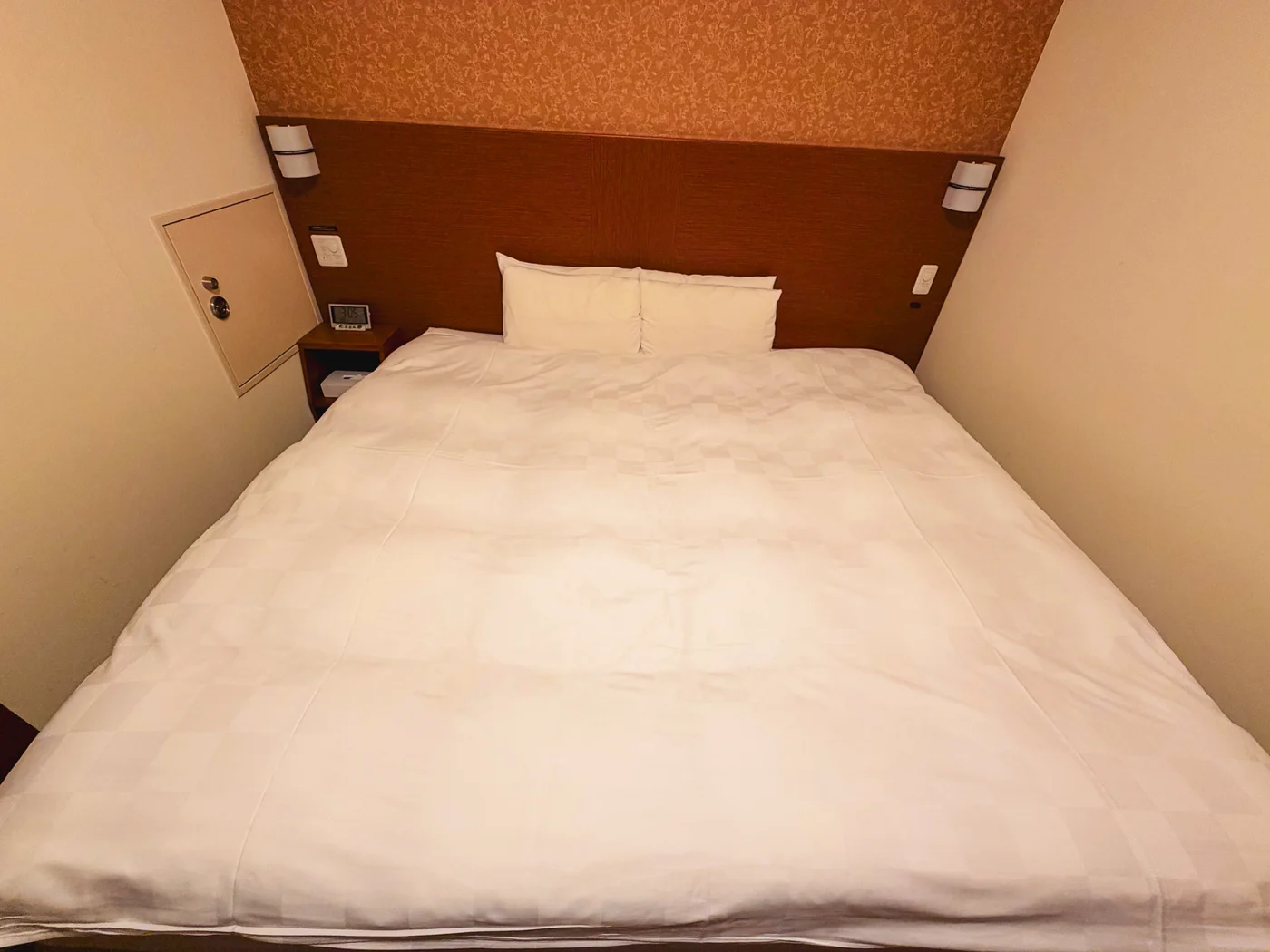
Photos with many parallel lines are tough. If you shoot casually, you can lose track of which lines should be parallel and the image feels unsettled. This is one of those shots.
I left my car at the hotel and headed back to the venue. The bus timing didn’t work out, so I ended up walking about 2 km.
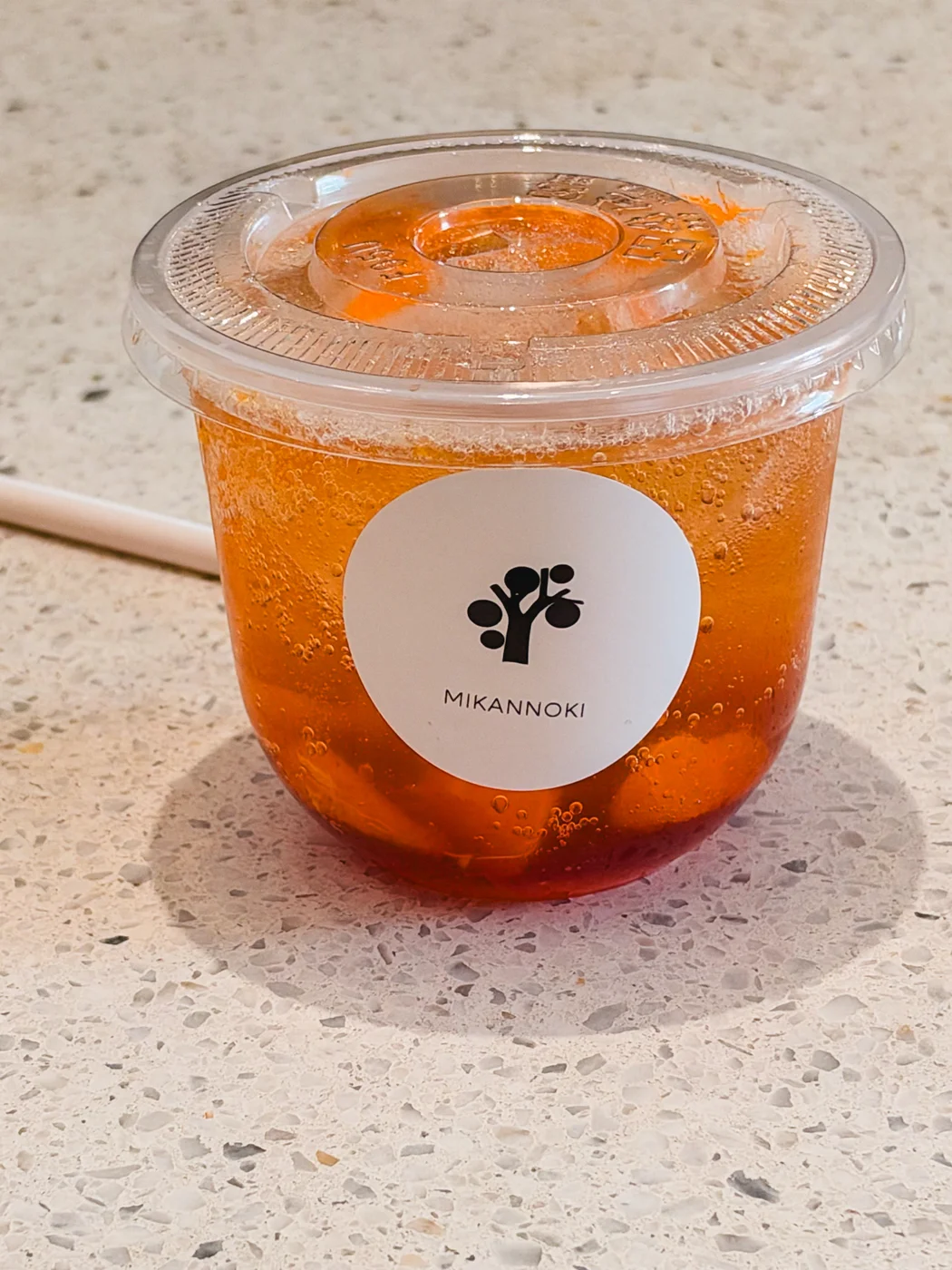
On the way I stopped at Mikan no Ki, Wakayama Castle-mae branch and got a Valencia Citrus Tea to go. It was really delicious.
I also took a quick look at Wakayama Castle. The bridge corridor is really distinctive.
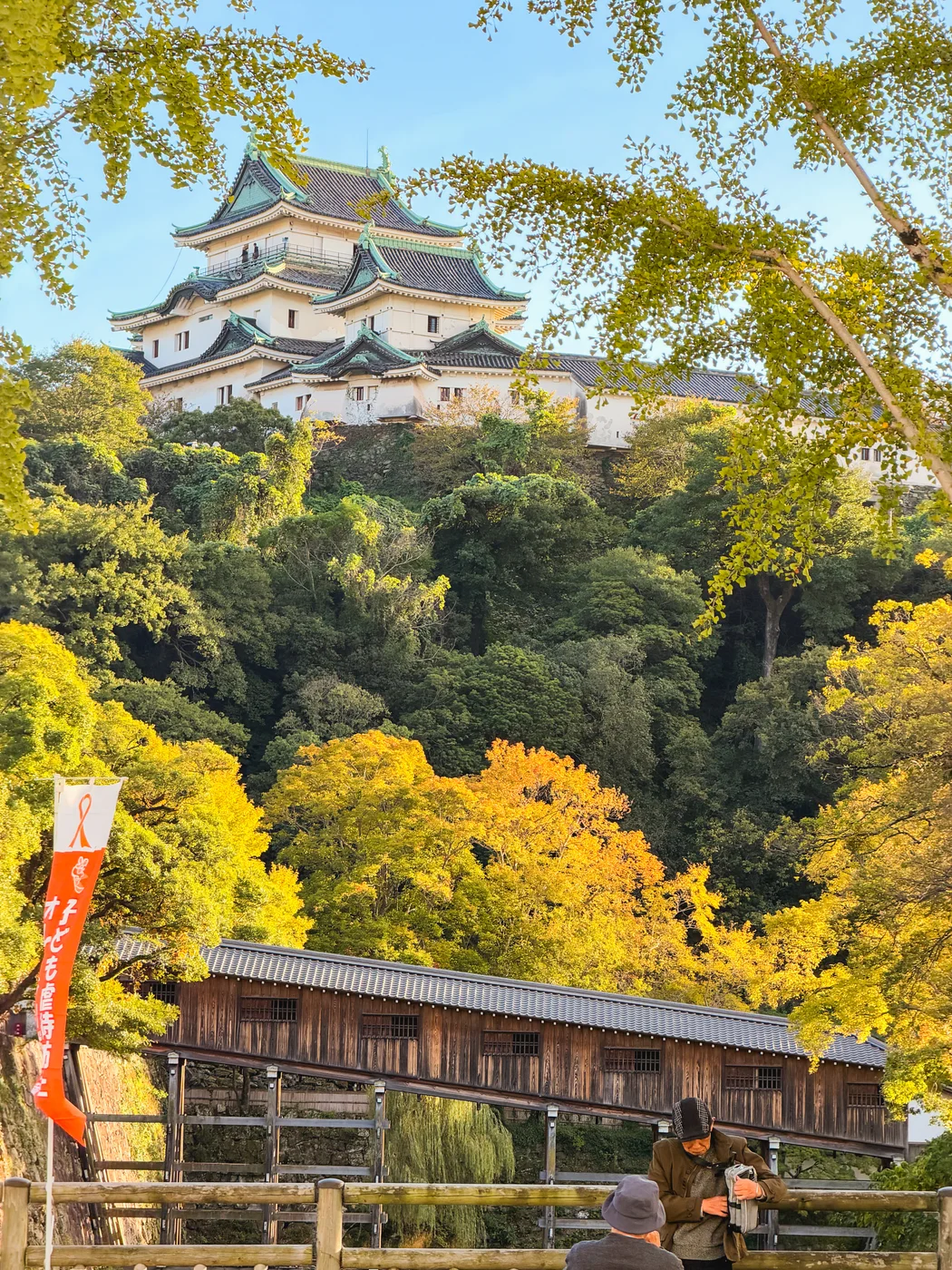
I photographed the castle from across the road with the telephoto lens on my iPhone. There was a person in the foreground, but it was a bit cold and I didn’t wait for them to move. Little things like that give travel photos their character.
I got too drunk on KID sake before the networking event
After the study session ended, there was some time before the social gathering, so I went to Mikazuki Brewery.
Google Maps said it opened at 5 PM, but it didn’t look open, so I couldn’t get in that day. Was it closed? I haven’t been able to confirm the actual business situation.
So I went to Nanoya nearby.
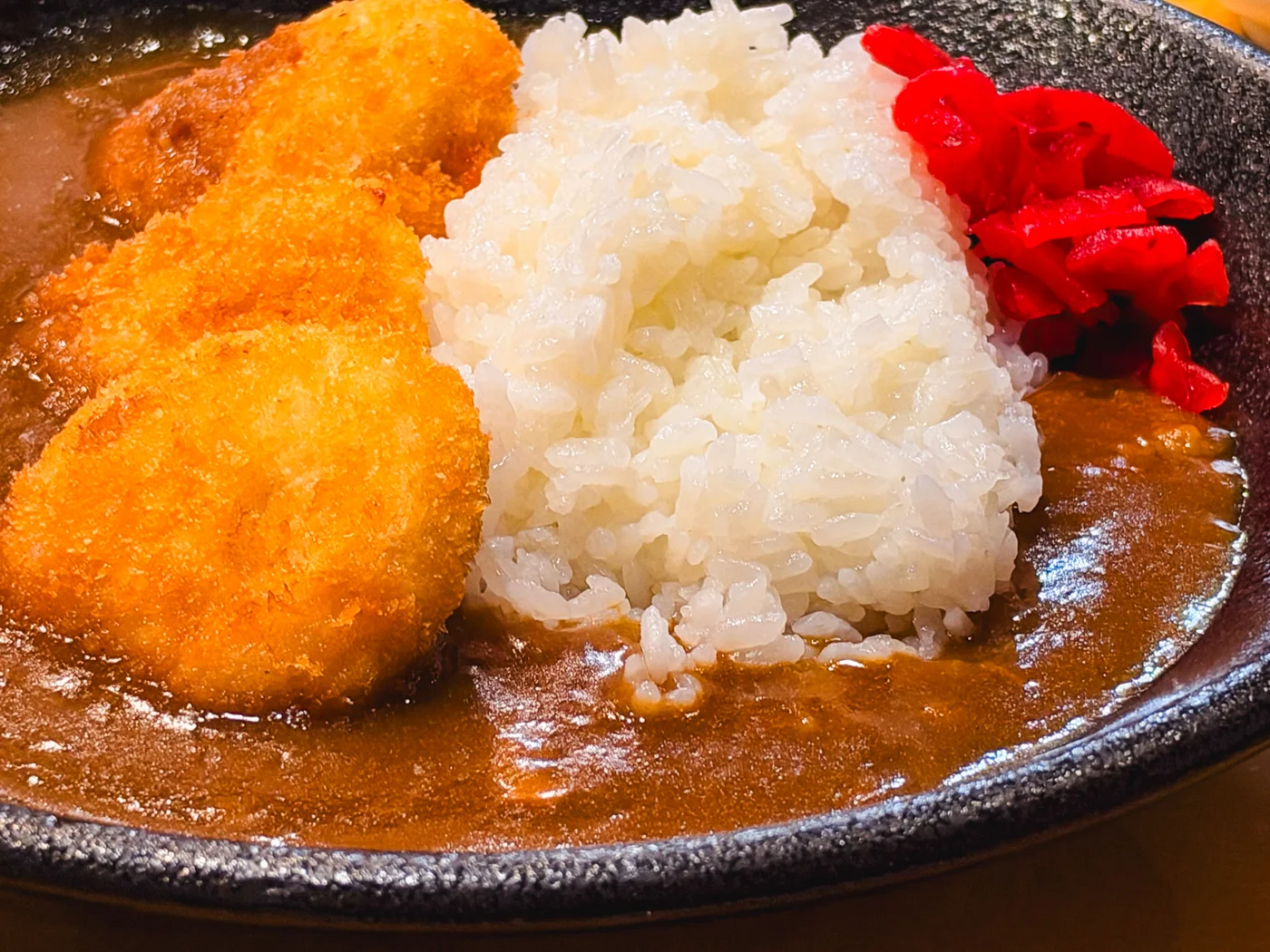
They had plenty of Wakayama craft beer and Japanese sake, including KID. Everything was delicious, and especially the KID with the red label. It was so good I got too drunk before the networking event.
I even ate curry in my drunken state, lol.
Networking event was at Taiheiyo Sakaba Kino, Wakayama branch.
When organizing a social gathering, I sometimes don’t list the venue on connpass. This time I wasn’t the organizer and the venue was listed, but I’m not criticizing that approach.
For me, it’s about avoiding people who didn’t attend the study session showing up just for the social gathering. One option is not to disclose the venue and tell attendees during the study session on the day.
On the other hand, it’s inconvenient for participants if they don’t know where to meet. That’s important, so if you need to make sure everyone gets the information, giving the directions on the day is fine. Different organizers will have different methods.
At the end I had a craft beer at Nomcraft Wakayama, but I was so drunk from the KID sake beforehand that I don’t remember it at all. The photo was out of focus, so it was scrapped.
For some reason, before returning to the hotel I stopped at a convenience store and bought meat sauce spaghetti. But I lay face down on the bed before eating and fell asleep, lol.
That day’s car use ended when I left the car at the hotel. I didn’t drive after drinking.
Touring Kudoyama and Shirahama
From a Dormy Inn hot-spring soak to Kudoyama
That day I planned to have breakfast with Mr. Hara and then go to Kudoyama.
The first thing I did after waking was soak in the hot spring bath. Since I paid a lot to stay at Dormy Inn, I made sure to use it.
I had drunk too much the night before, so I needed to be careful about driving the next day. Sleeping doesn’t guarantee the alcohol is gone, so the basic rule is not to drive if you still have alcohol in your system or if you feel unwell.
We met up and wondered about breakfast. Since we planned to park at the roadside station for the Kudoyama walk, we figured we might find something to eat there and headed for Kaki-no-Sato Kudoyama roadside station.
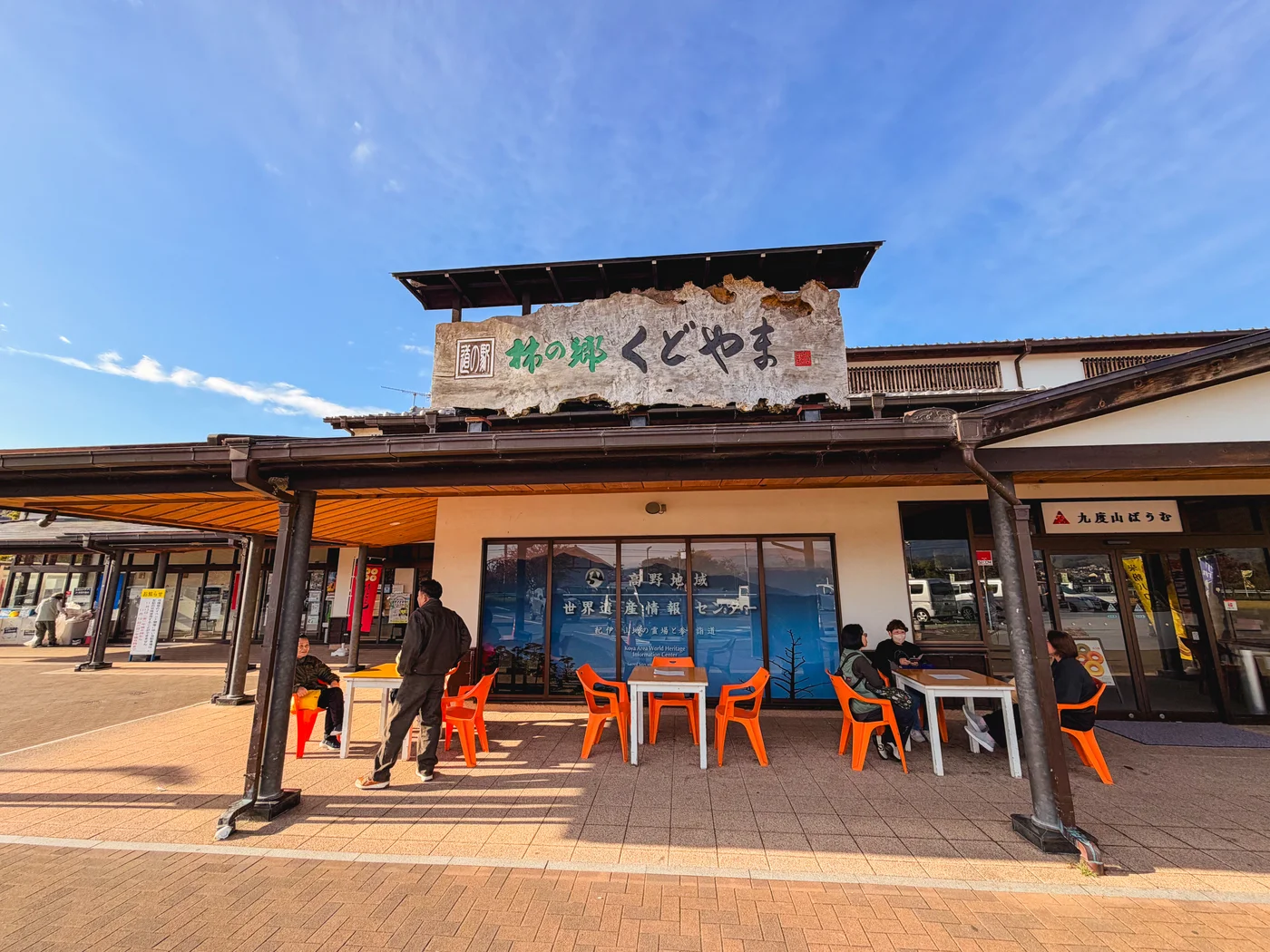
When we arrived we couldn’t find a place that felt right for breakfast, so we decided to try the local specialty, persimmon-leaf sushi. That doesn’t mean the roadside station has no dining options — it was just our choice at the time.
Persimmon-leaf sushi at Kuwaraku
We went to Kaki no Ha Sushi Kuwaraku.
We dropped in casually that day, so only the mackerel option was available, but if you reserve in advance you can try other varieties. The shop also recommends reservations during busy periods.
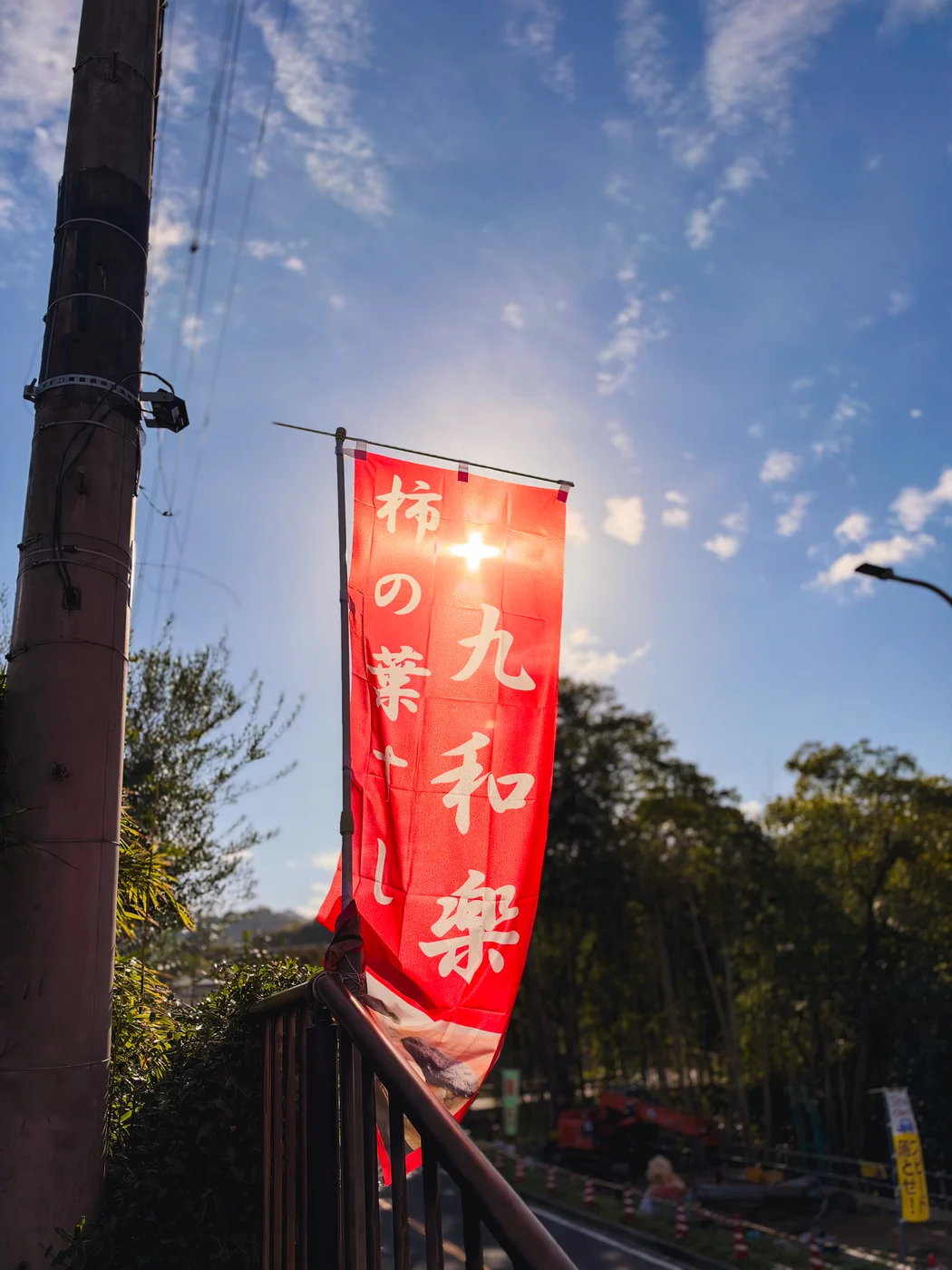
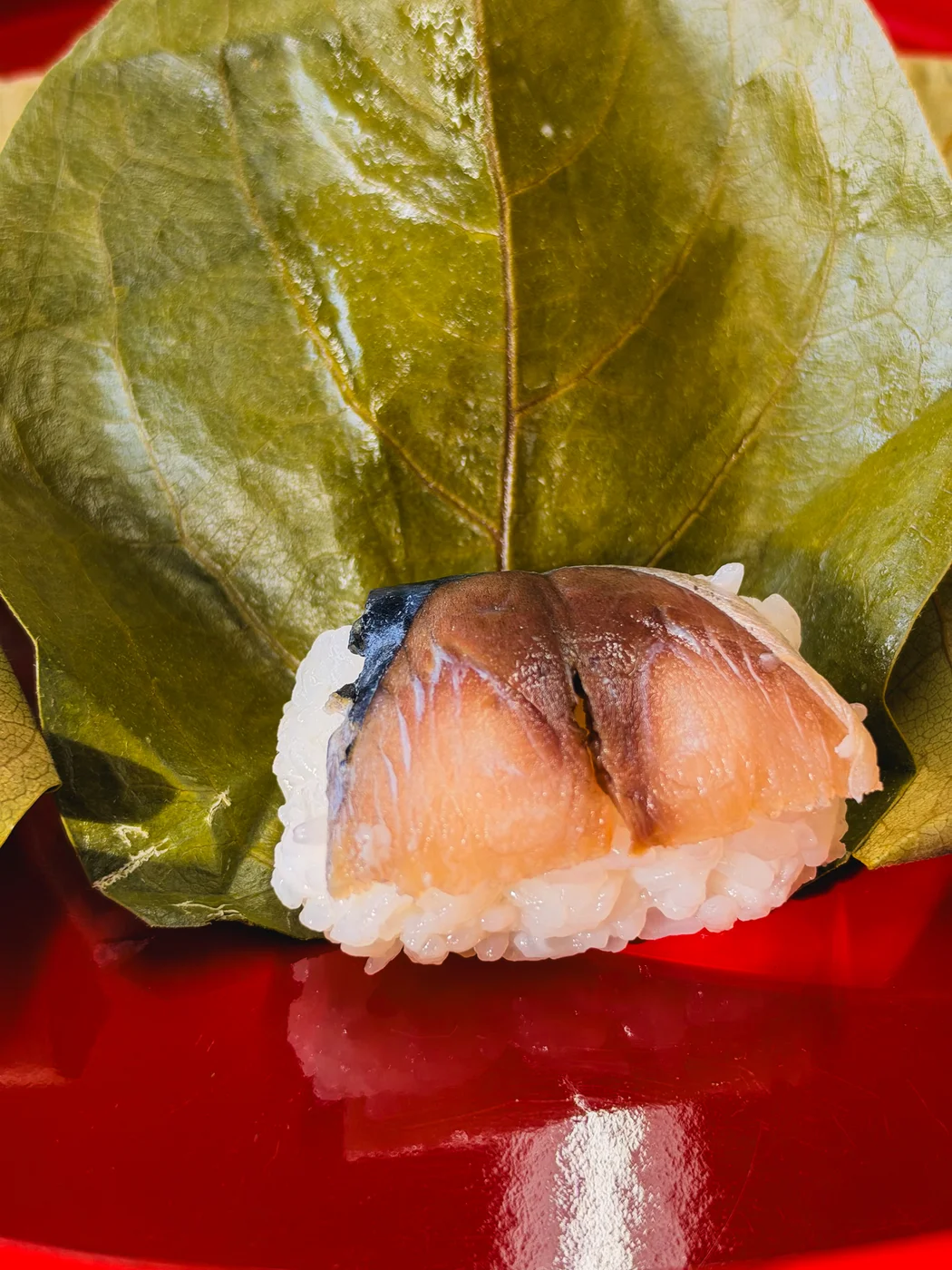
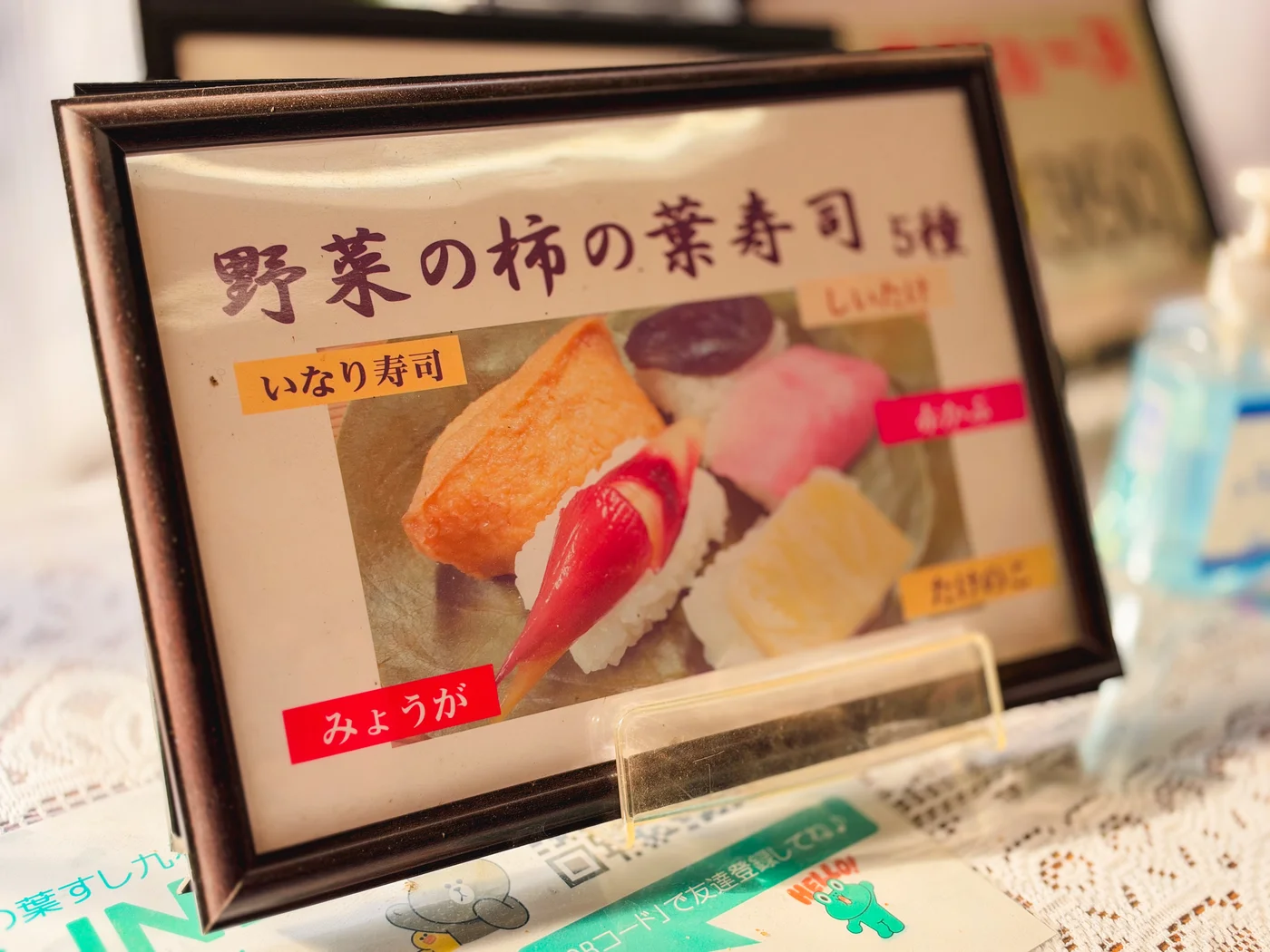
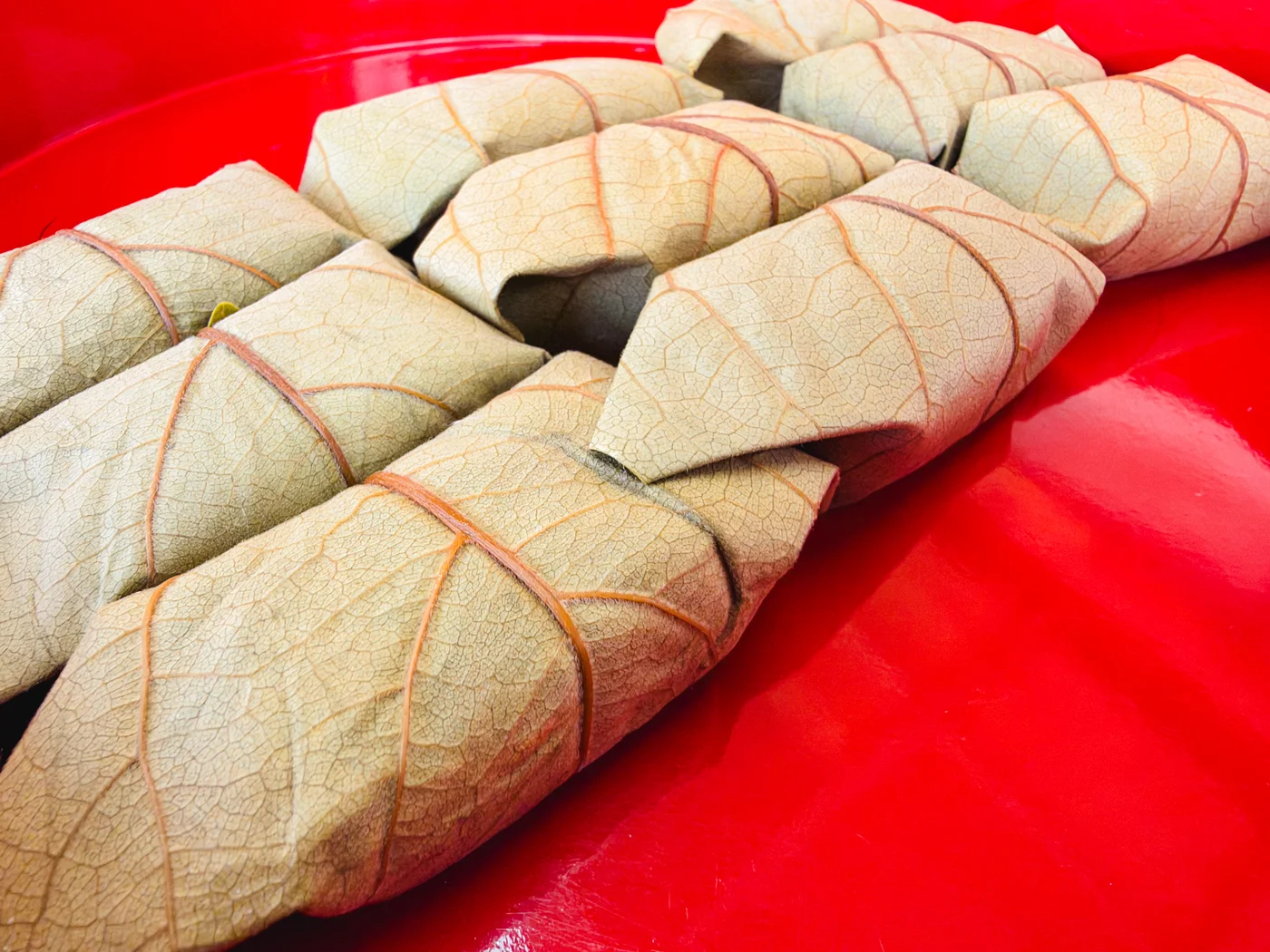
When I photograph sushi I compose the shot to include the reflection on the dish. It’s a different kind of fun from when I always used telephoto lenses — I enjoy shooting what’s right in front of me.
Stories about the Sanada family and the roadside station bustling with persimmons
Kudoyama is where Sanada Masayuki and Nobushige (Yukimura) were ordered to live in seclusion after the Battle of Sekigahara. I also visited Kudoyama Sanada Museum.
I tend to like Takeda Shingen among Sengoku warlords, and I associated the Sanada family more with Yukimura’s grandfather’s generation. Honestly, the Taiga drama “Sanada Maru” was where I really learned about Yukimura.
The temporary exhibition was “Thorough Comparison! The Sanada Brothers.” It included displays that made me rethink things I thought I knew — such as the brothers’ names and the succession process — and I found it quite enjoyable.
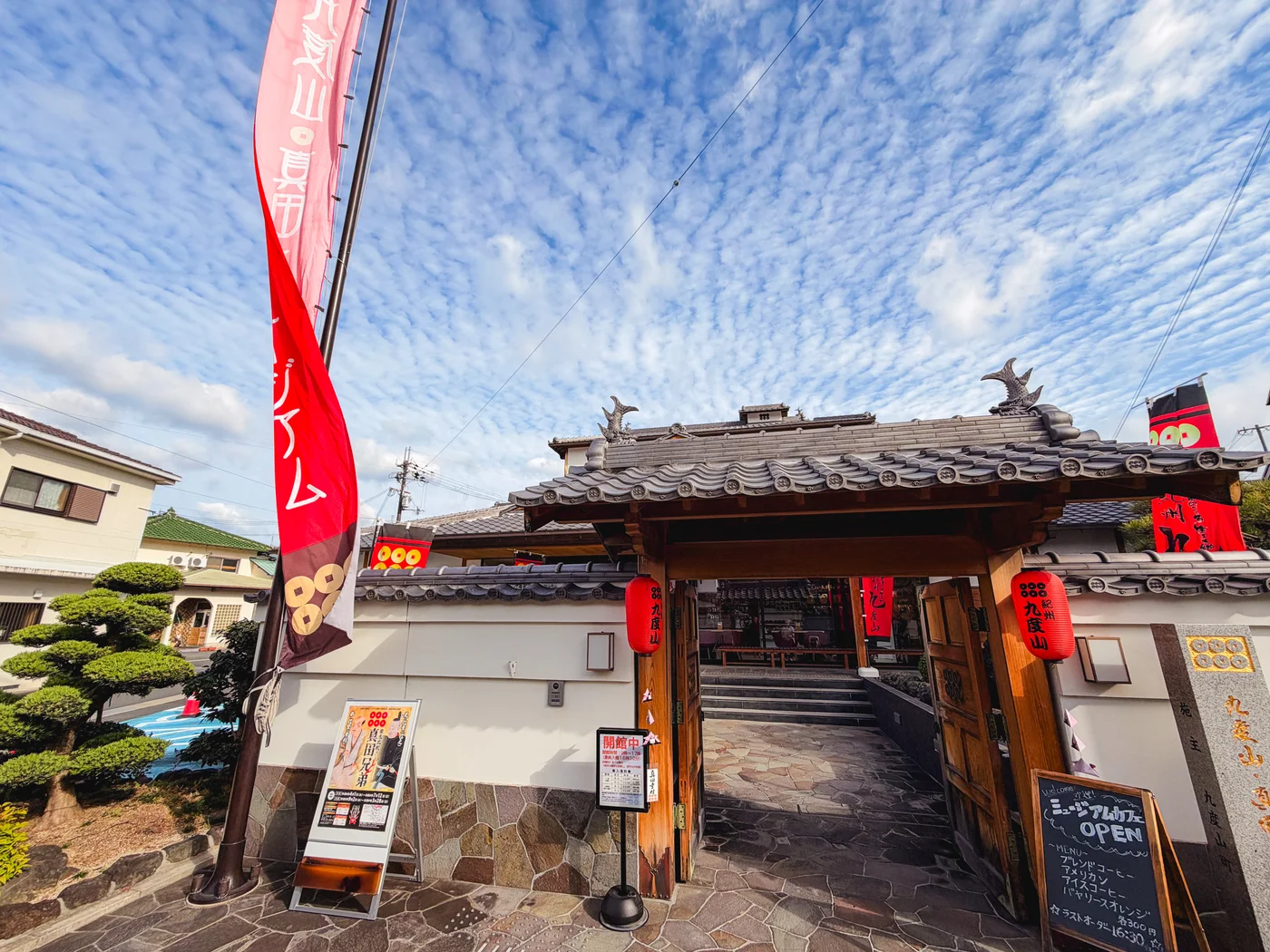
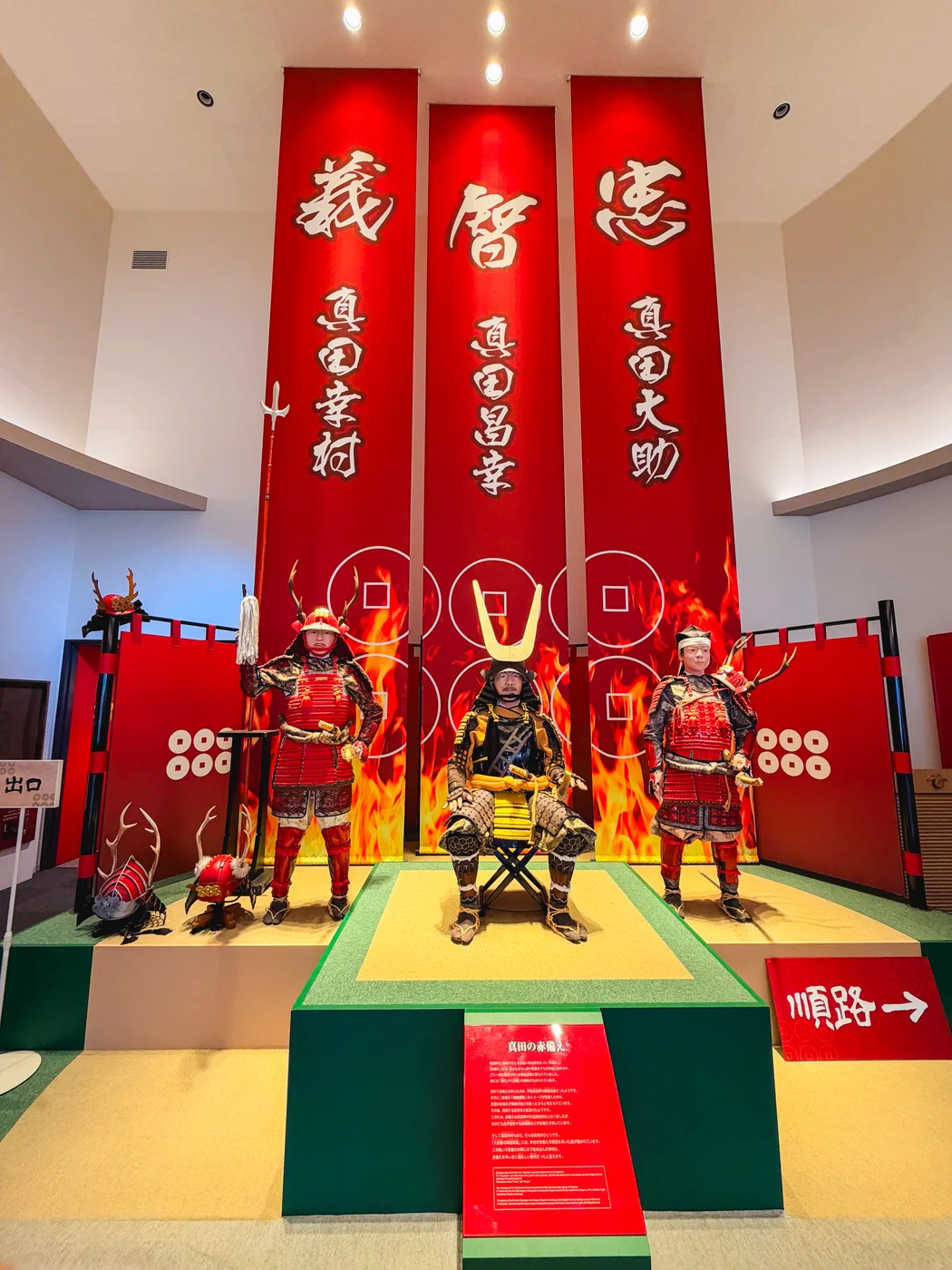
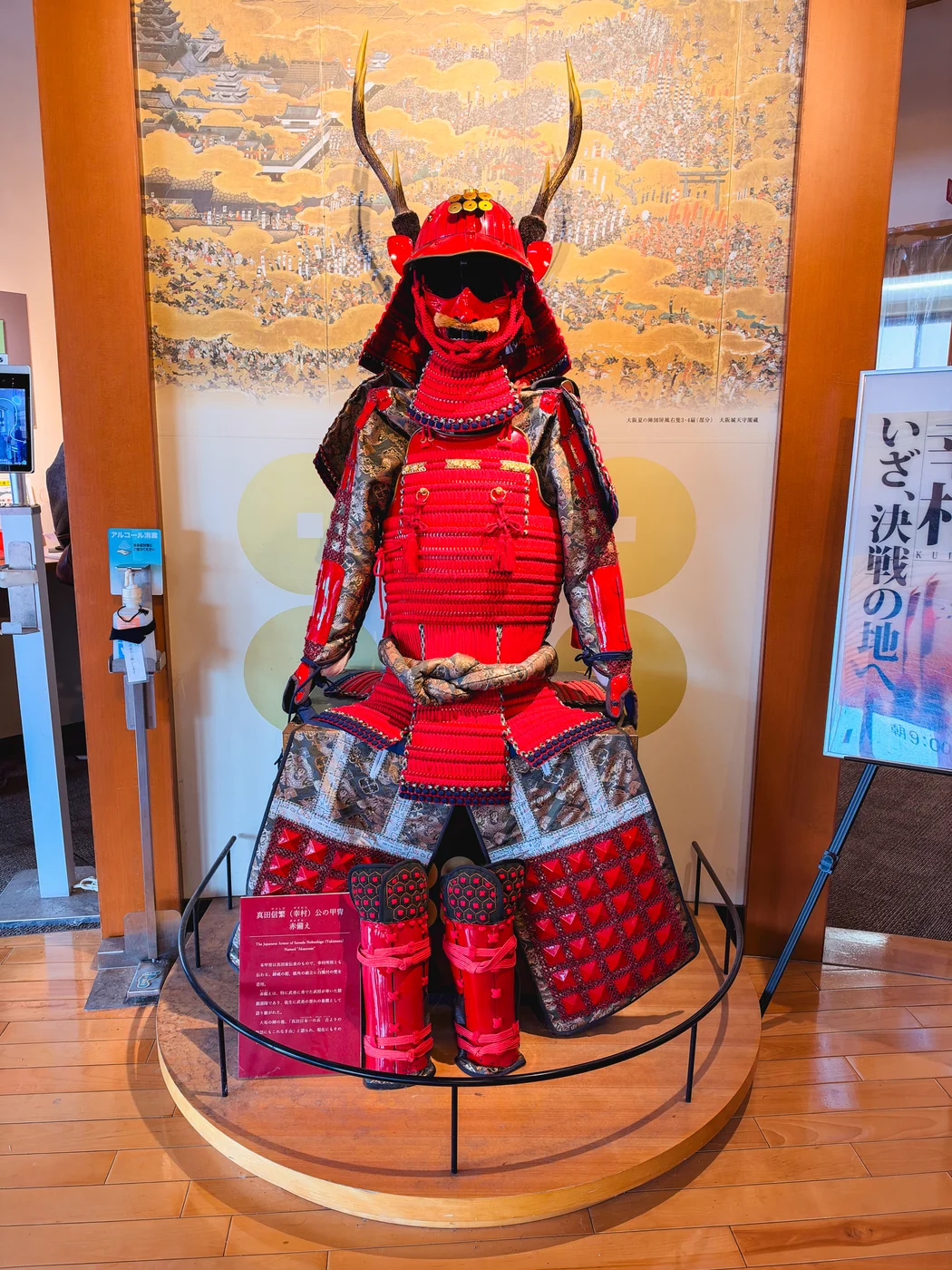
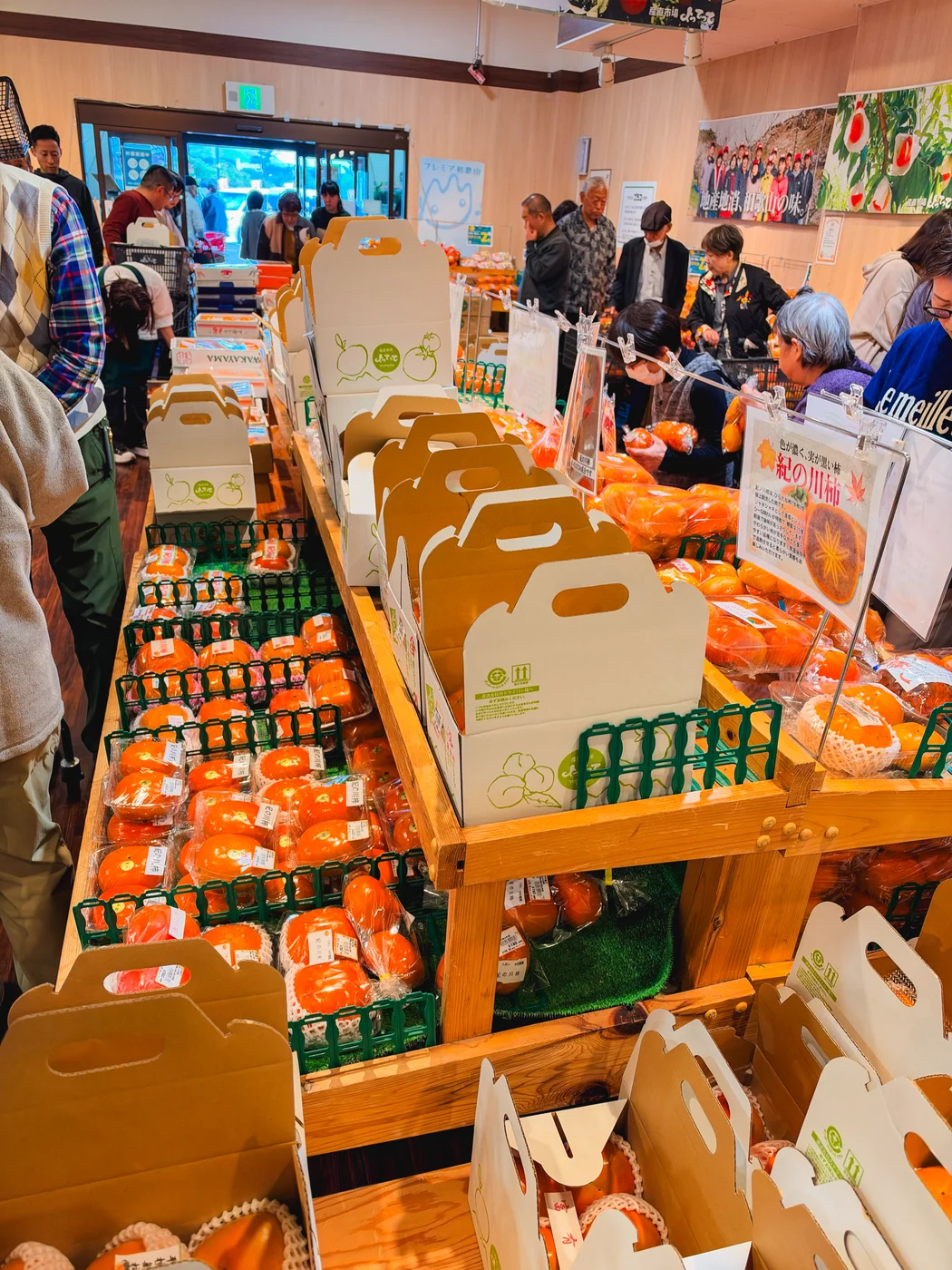
The roadside station’s direct-sales shop sold large quantities of persimmons, and the parking lot filled up with people who came to buy them.
Information about Kudoyama and the Sanada-related sites in Osaka that Mr. Hara visited separately is also on Mr. Hara’s sightseeing report. Check that out as well.
If you’re driving to historical sites and the coast, compare Three Days Exploring the San’in Region and Trip to the Tottori Sand Dunes.
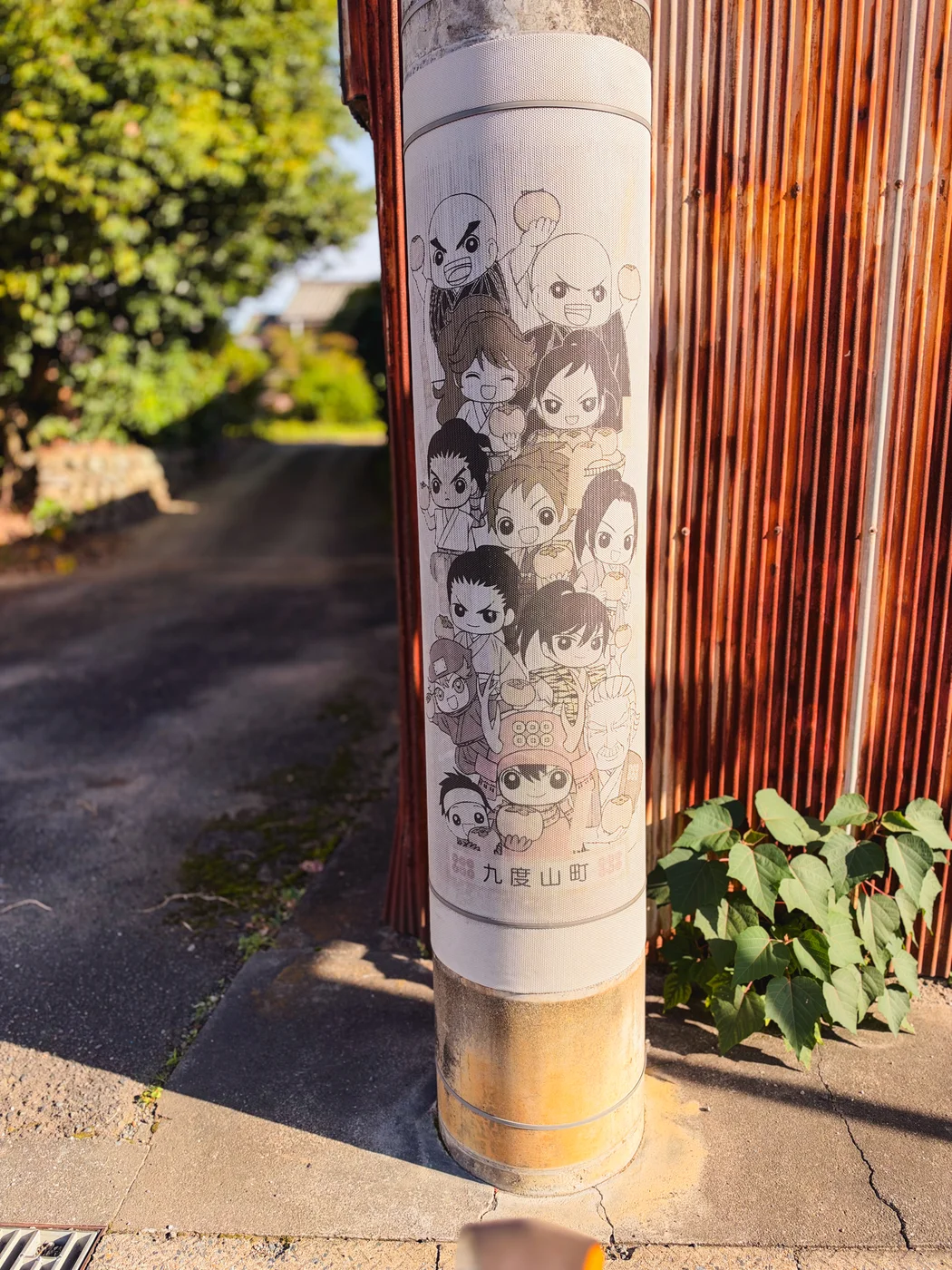
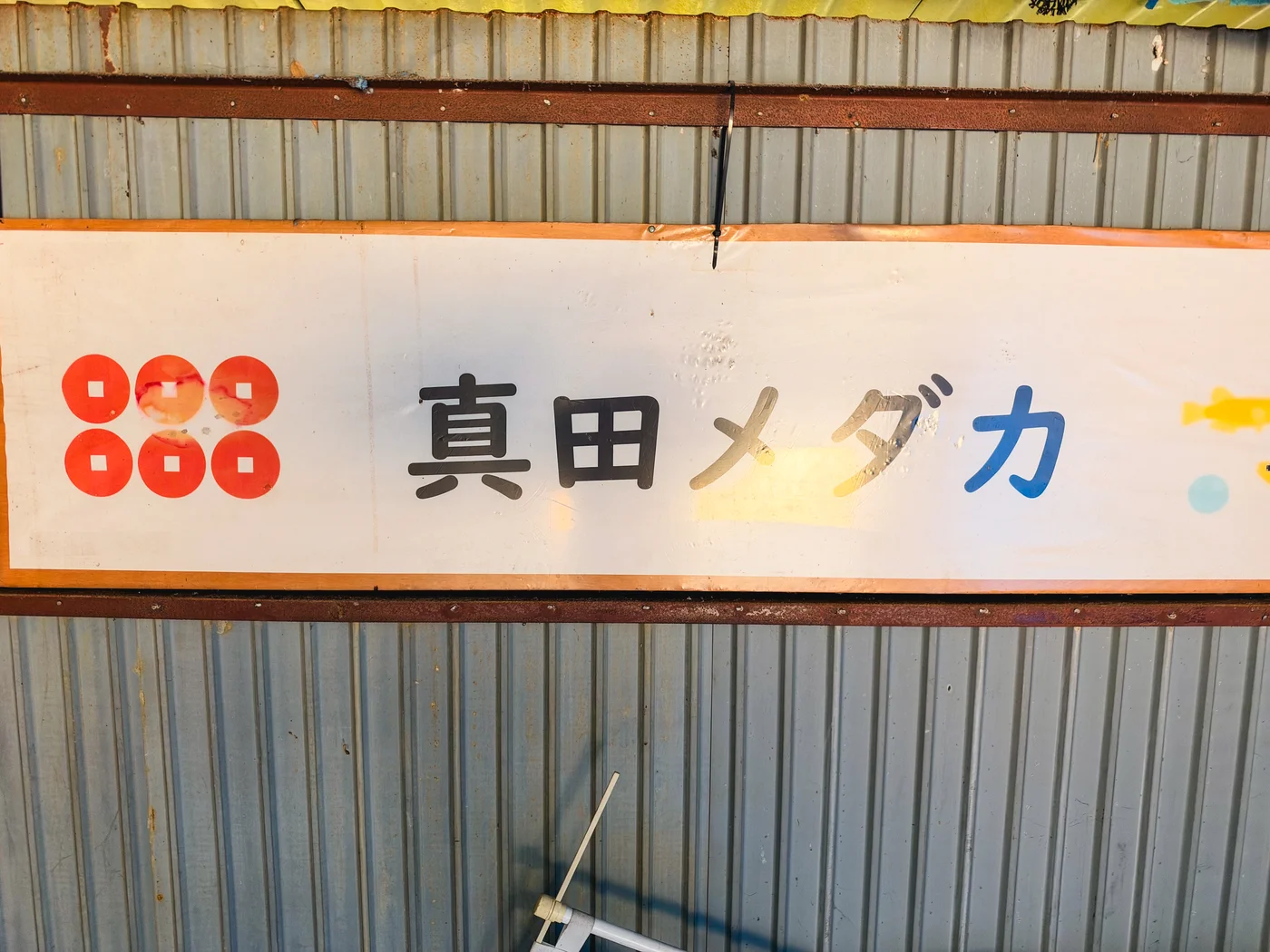
Sanada medaka and Sanada utility poles
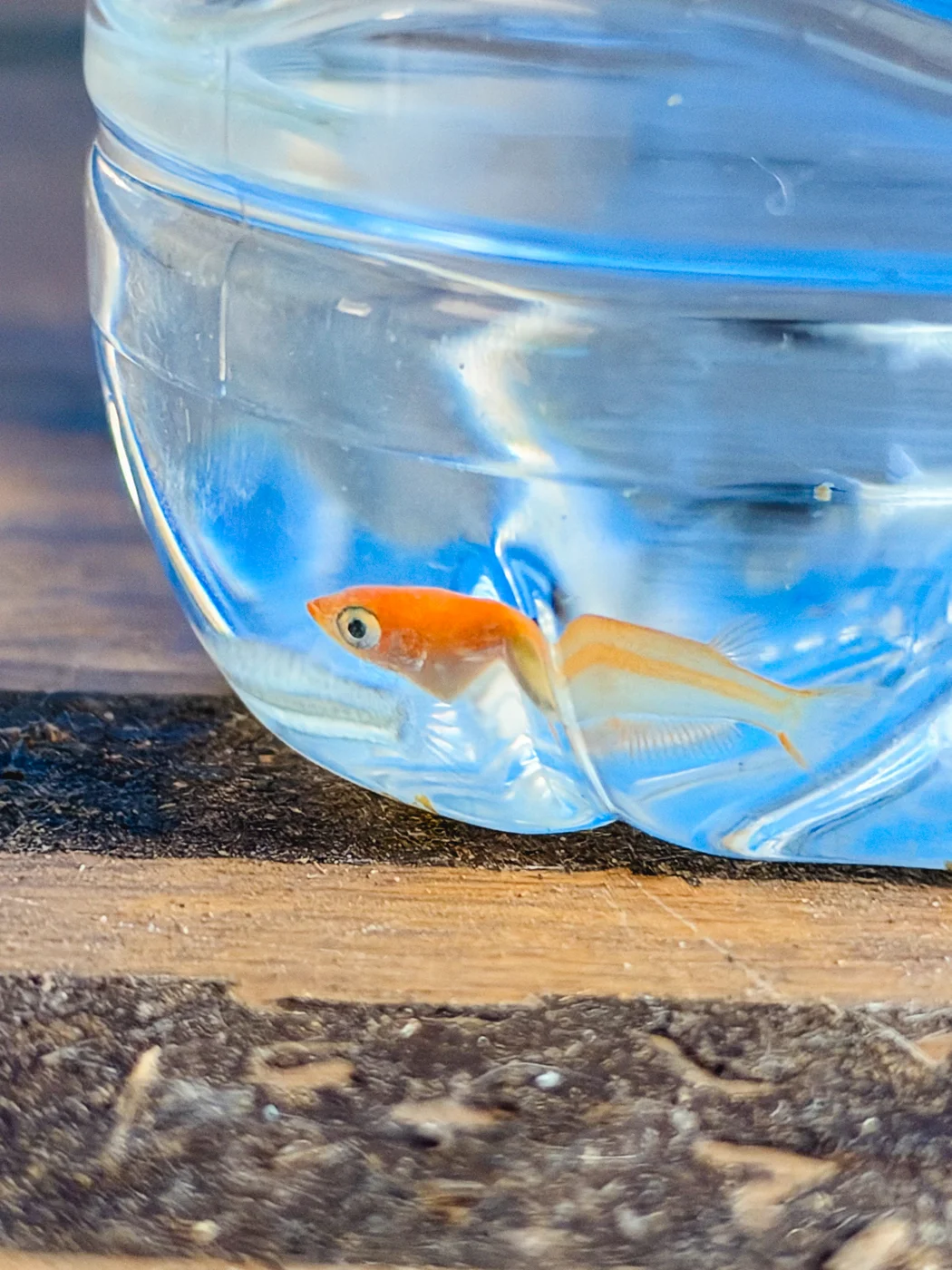
While walking around I saw something called “Sanada medaka” for sale. It was my first time seeing medaka sold in PET bottles.
And when I took a close-up, those medaka really have big eyes!
For lunch, we went to the Toretore Market in Shirahama
After Kudoyama, we headed to Toretore Market in Shirahama for lunch.
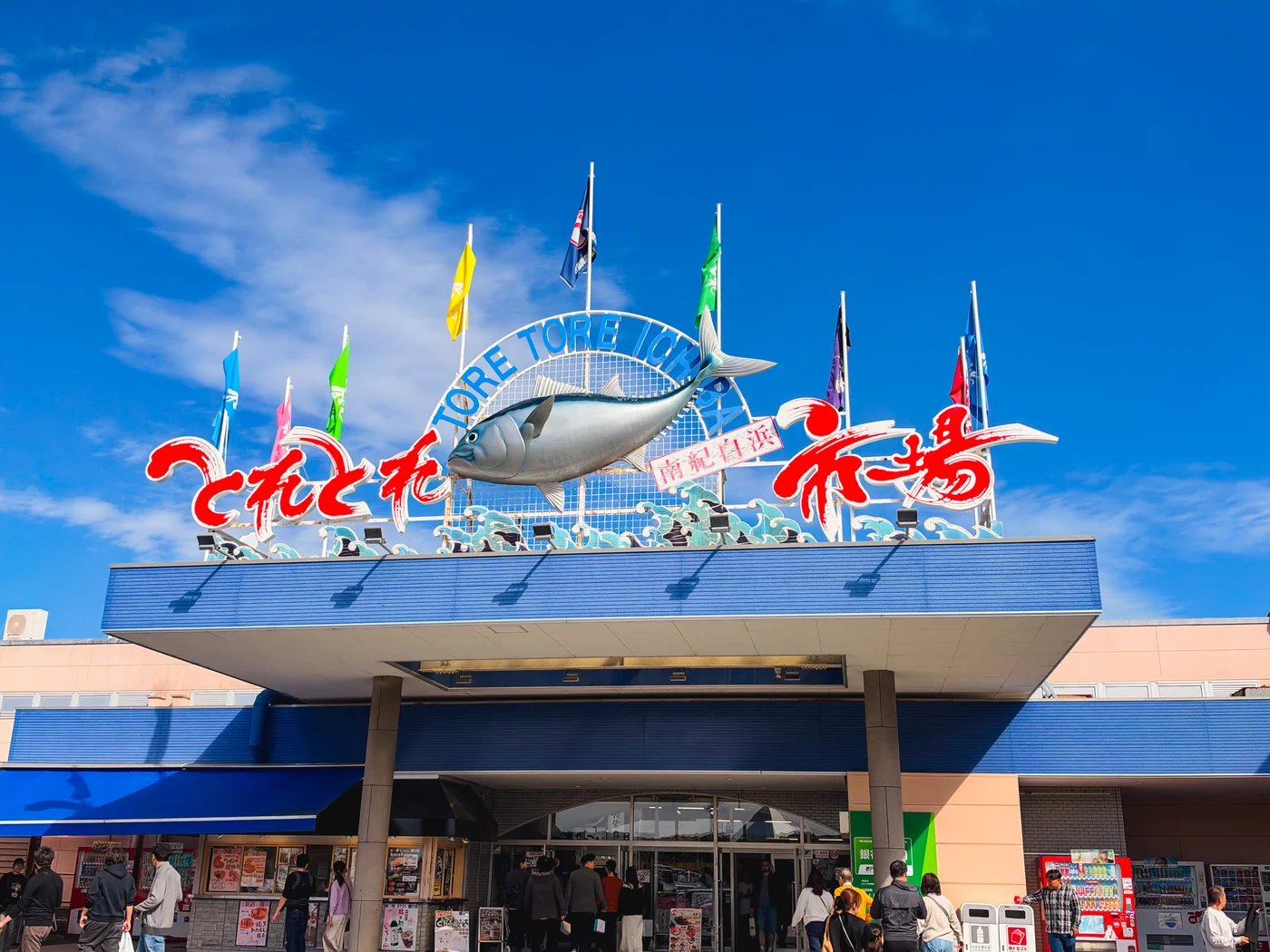
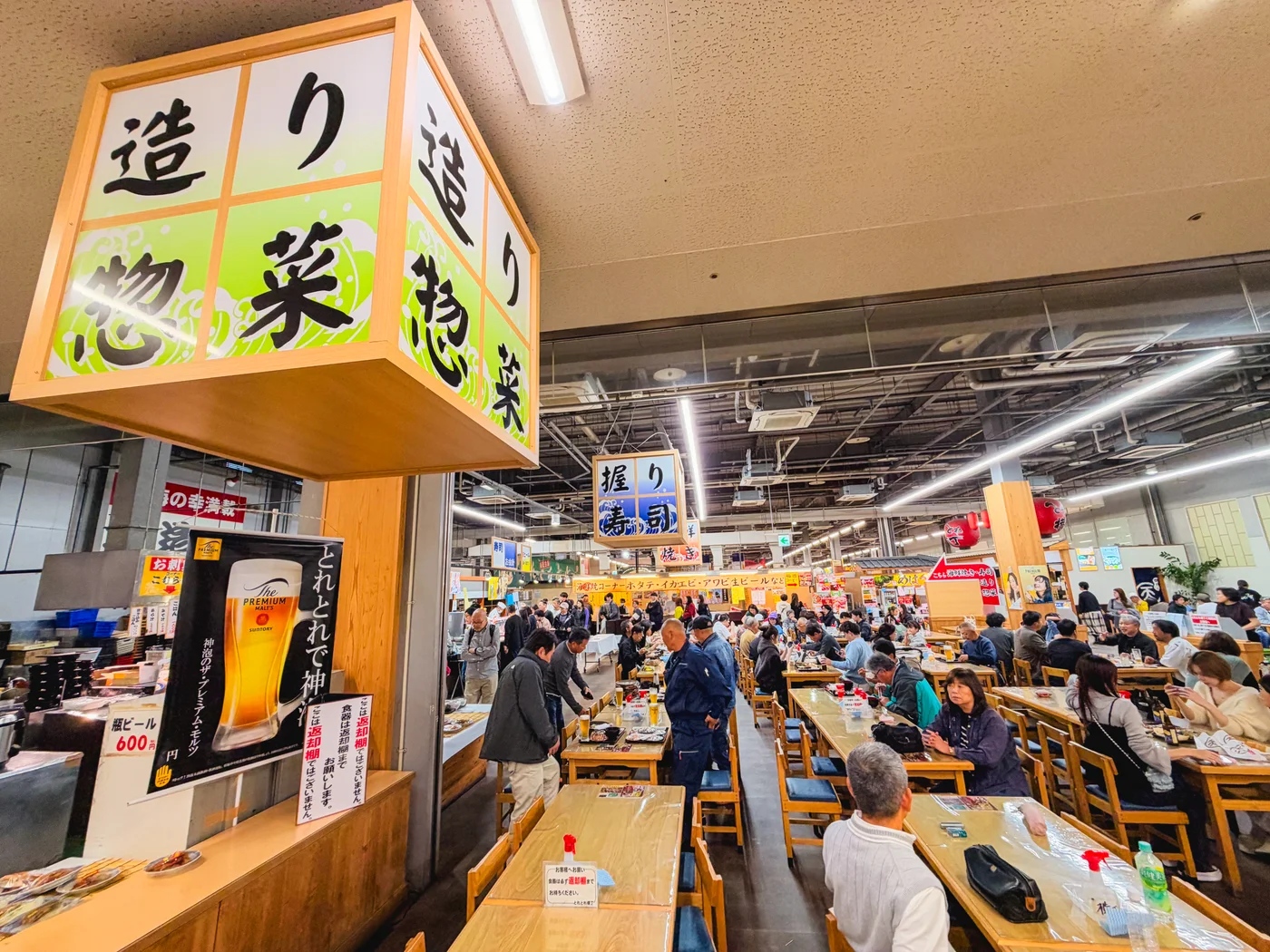
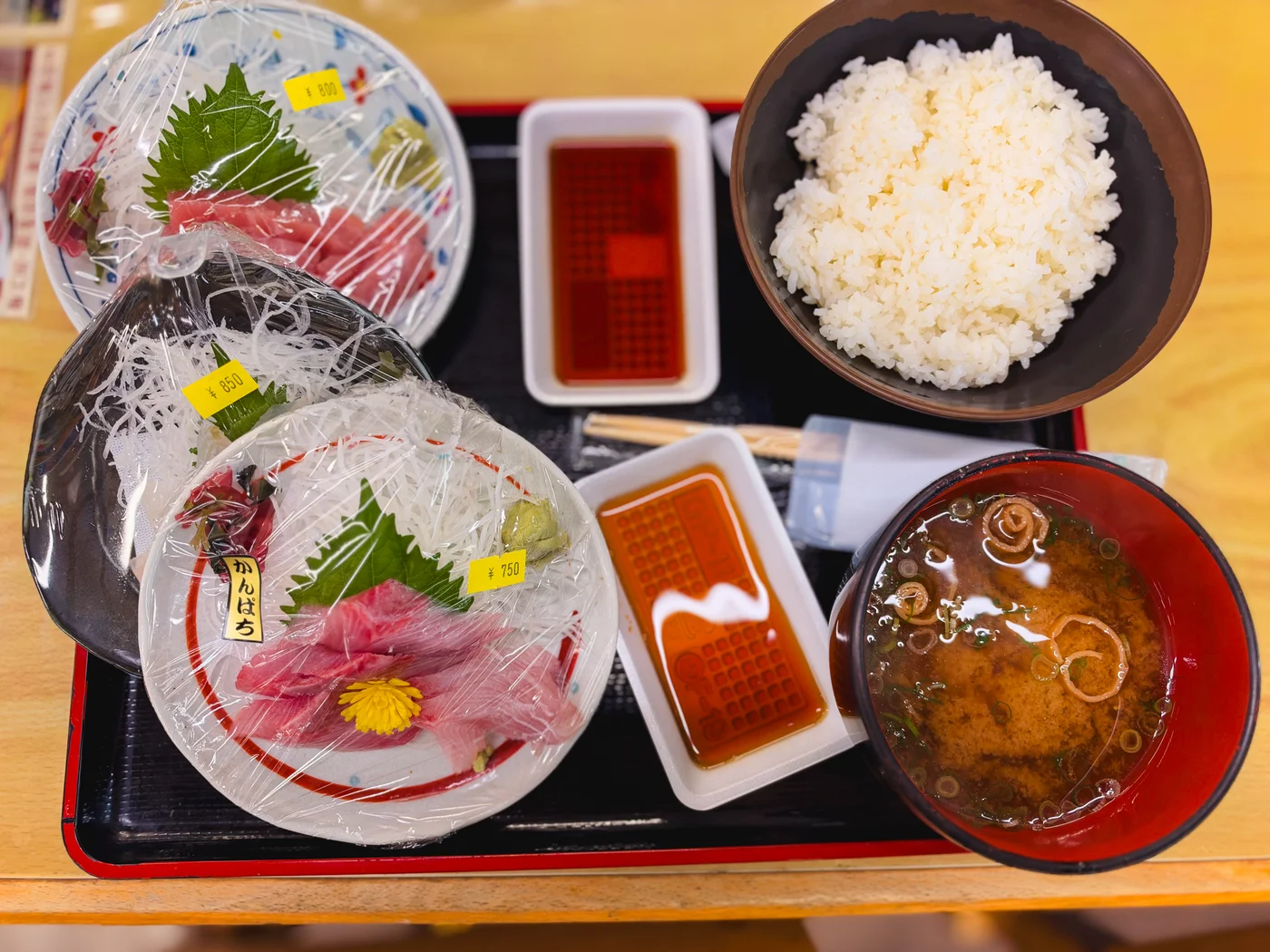
The donburi area had a long line, but the sashimi section was relatively empty, so I picked the fish I wanted and had it with rice.
I chose tuna, yellowtail, and flounder. Sea bream and grunt looked good too, so I had a hard time deciding.
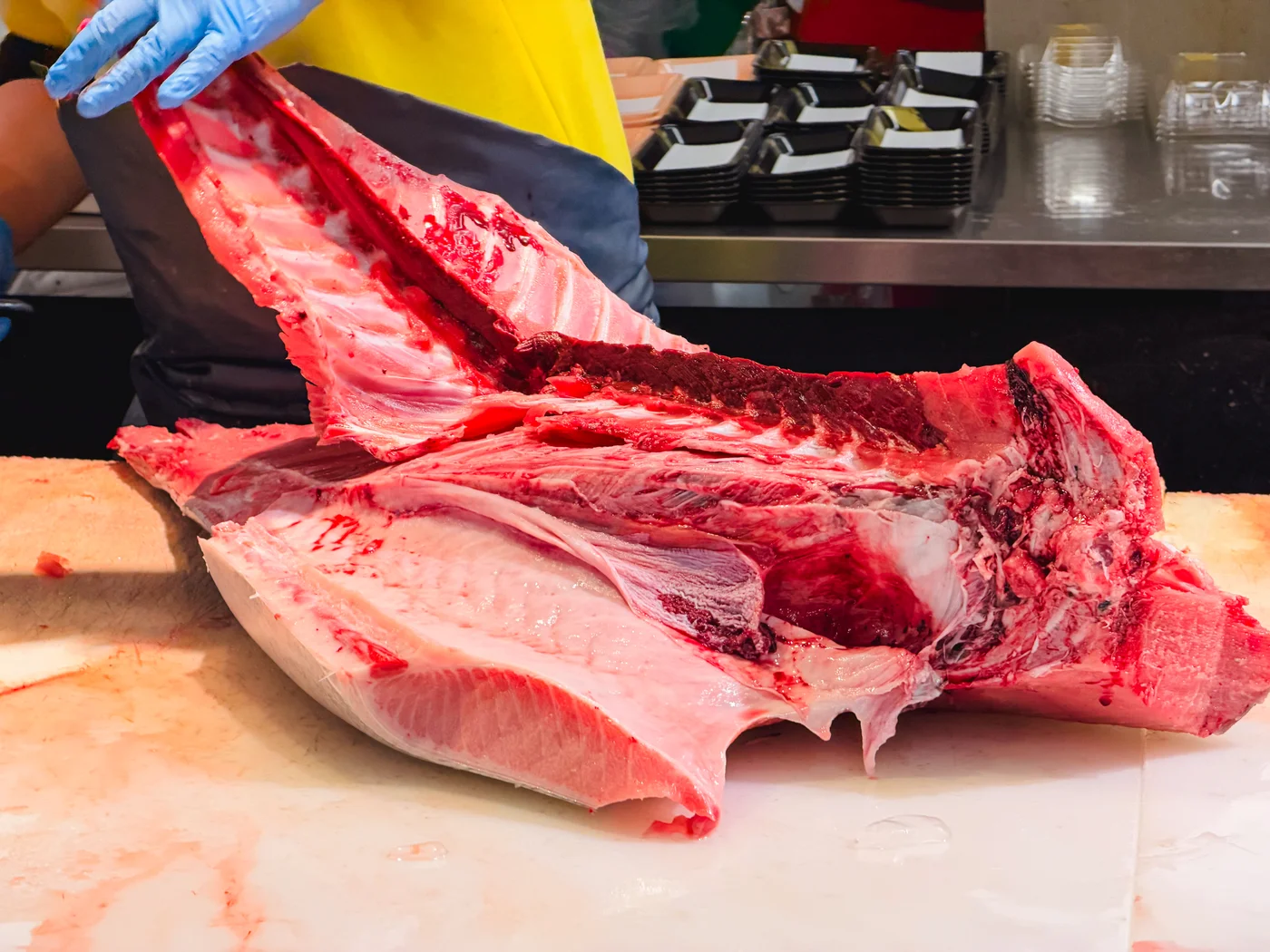
There was a tuna-cutting demonstration, but I arrived after most of the fish had already been carved. Despite being a fish, it looked surprisingly meaty.
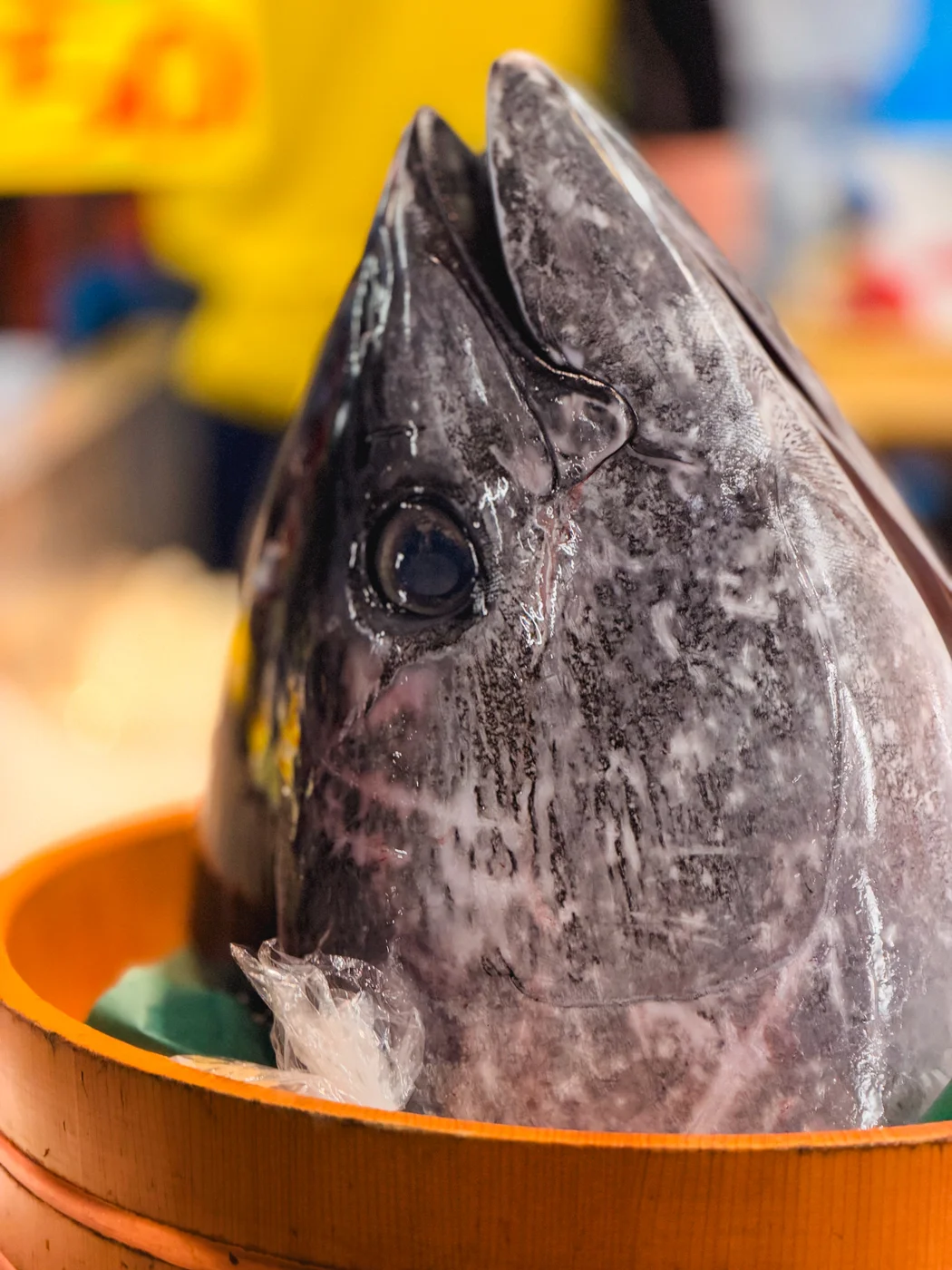
We bought souvenirs and had a mandarin ice bar. Wandering around markets like that was a lot of fun.
The pyramid-like roof caught my eye
From the parking lot I noticed a pyramid-like structure. Curious, I went closer and found a lodging called Blanchette Nanki Shirahama.
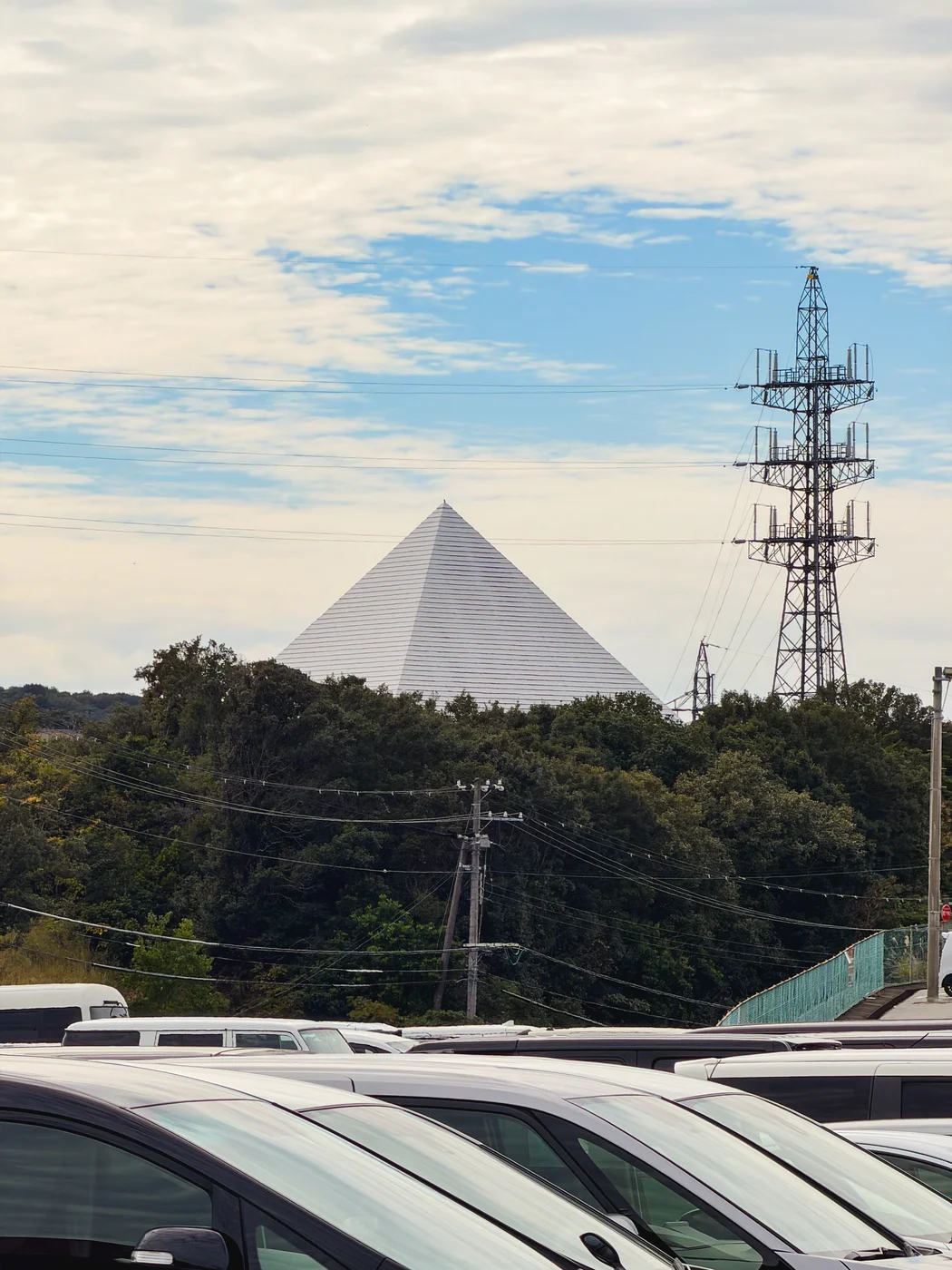
I didn’t stay there, but when I find something like that I can’t help taking a detour.
Near the Minakata Kumagusu Memorial Museum: the sea and mackerel clouds
After that we decided to go somewhere with a better view and went to Banshozan Park, home to Minakata Kumagusu Memorial Museum. This time we skipped the memorial hall exhibits and went to the observation deck.
There used to be a manga about Minakata Kumagusu. I remember reading it, but only vaguely recall what he did.
On checking again, Minakata Kumagusu was a researcher of natural history and folklore, best known for his work on fungi and slime molds. My memory that “he discovered viruses and made medicines” was incorrect — I remembered it far too loosely (lol).
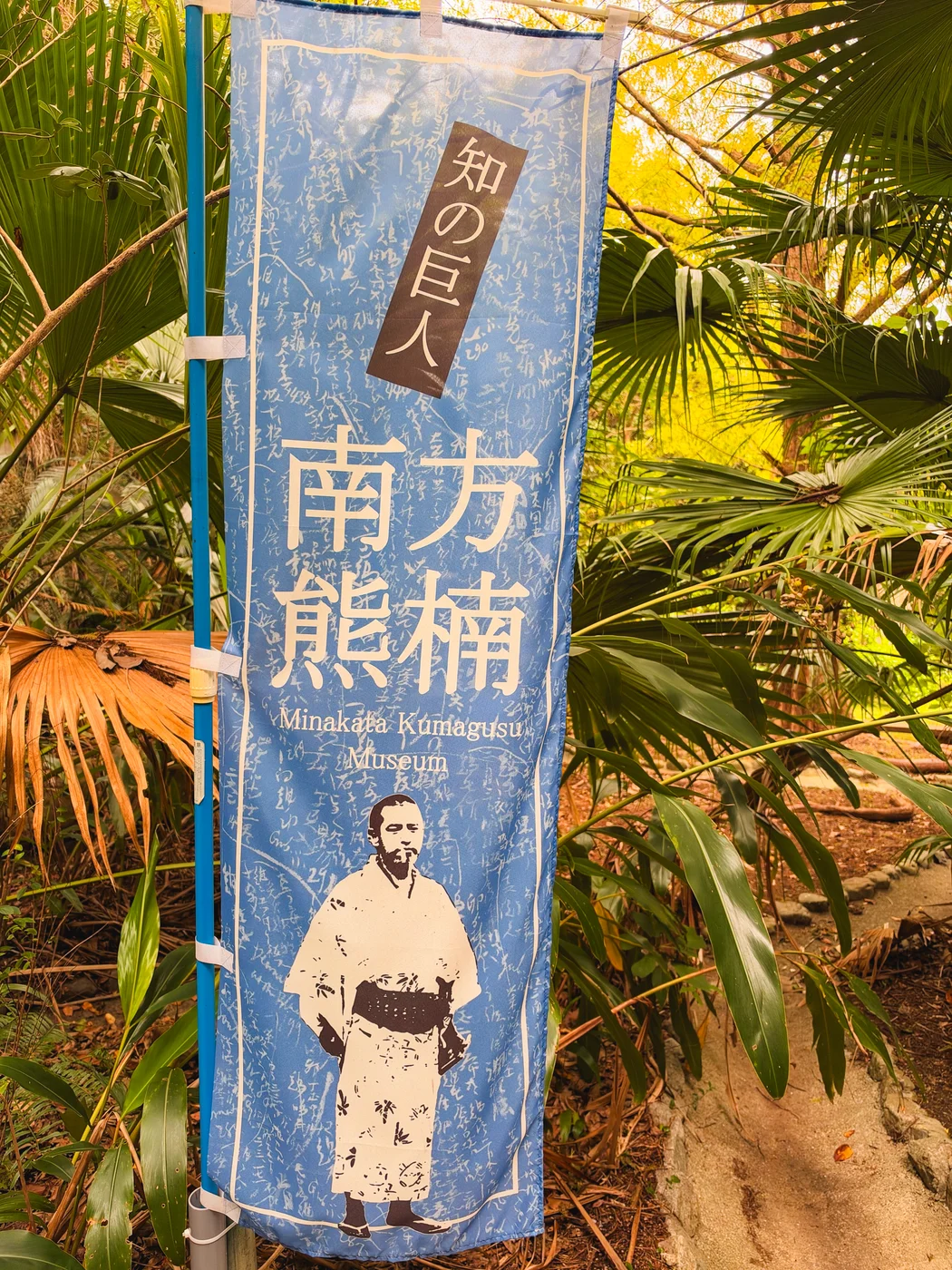
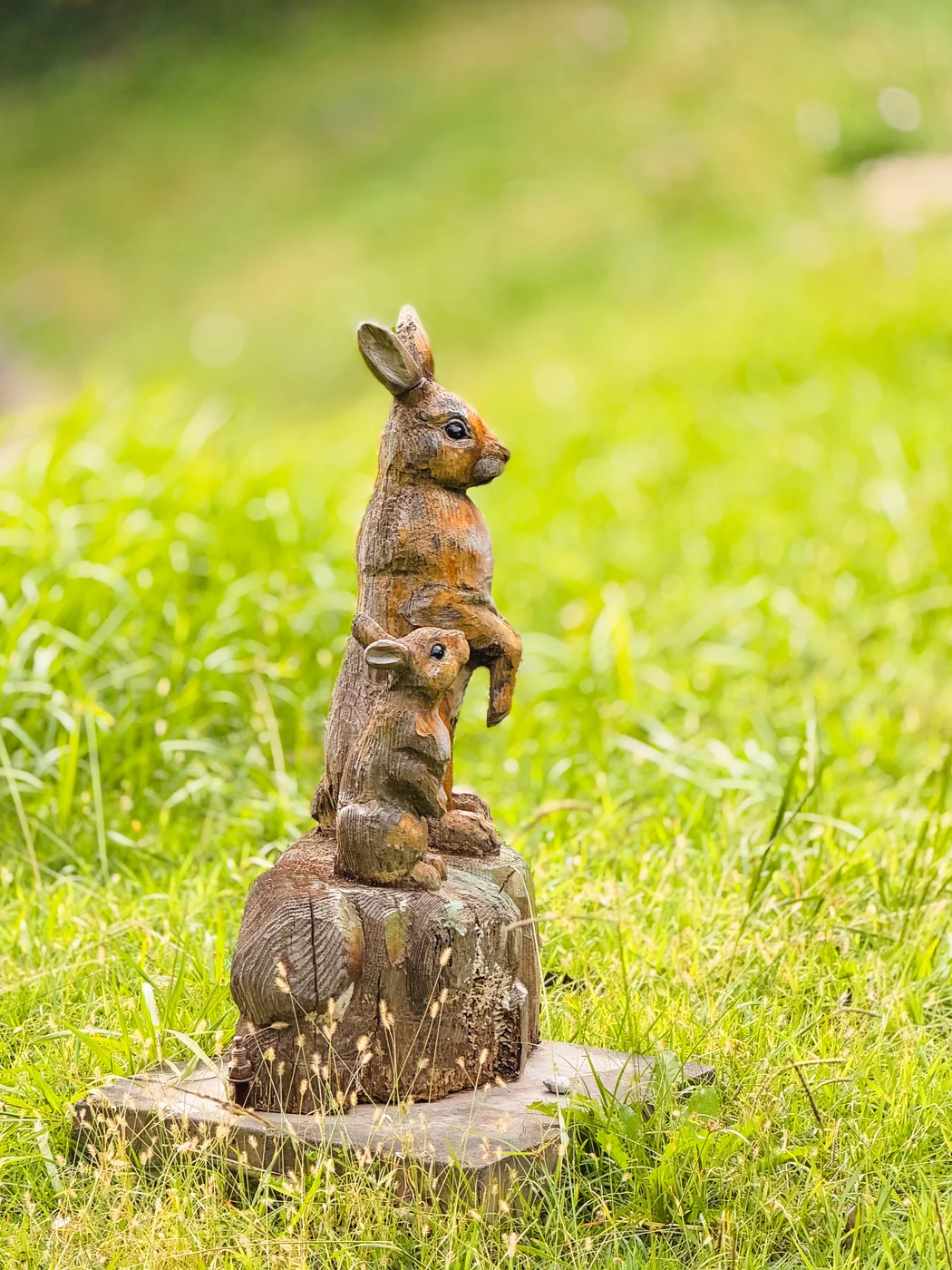
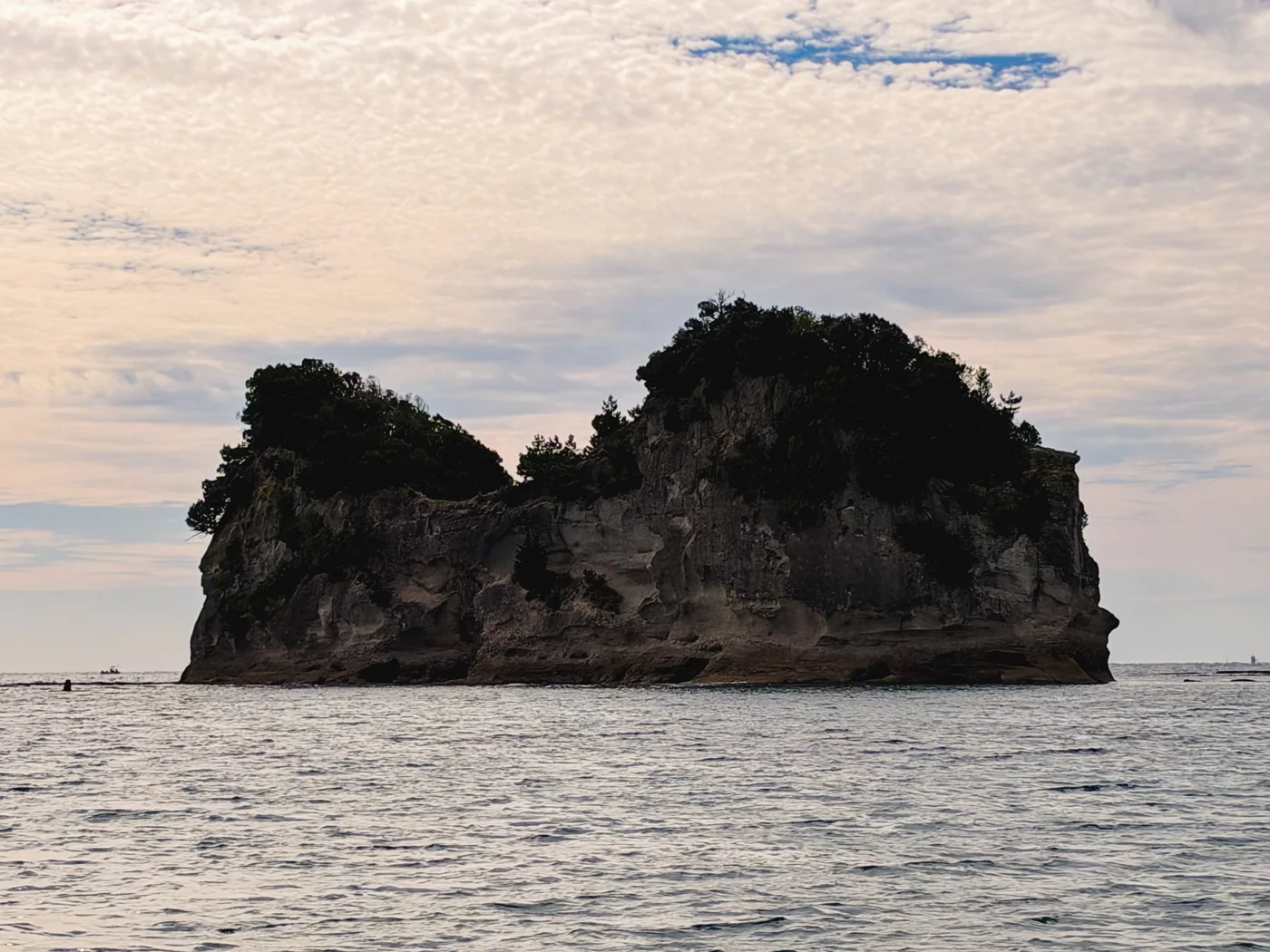
That day the mackerel sky was striking. After I returned from Wakayama, people in Kanto even said, “Those mackerel clouds the other day were amazing.”
I realized we were looking at the same kind of cloud from far apart. I didn’t check whether the same clouds appeared nationwide, but the sky really does connect us, haha.
On the way back: Tenkaippin, souvenirs in Shizuoka
We split up at Wakayama Station and I went to the head store in Kyoto
I parted ways with Mr. Hara at Wakayama Station and headed home.
I wanted an early dinner around Kyoto, so I stopped by Tenkaippin Main Store.
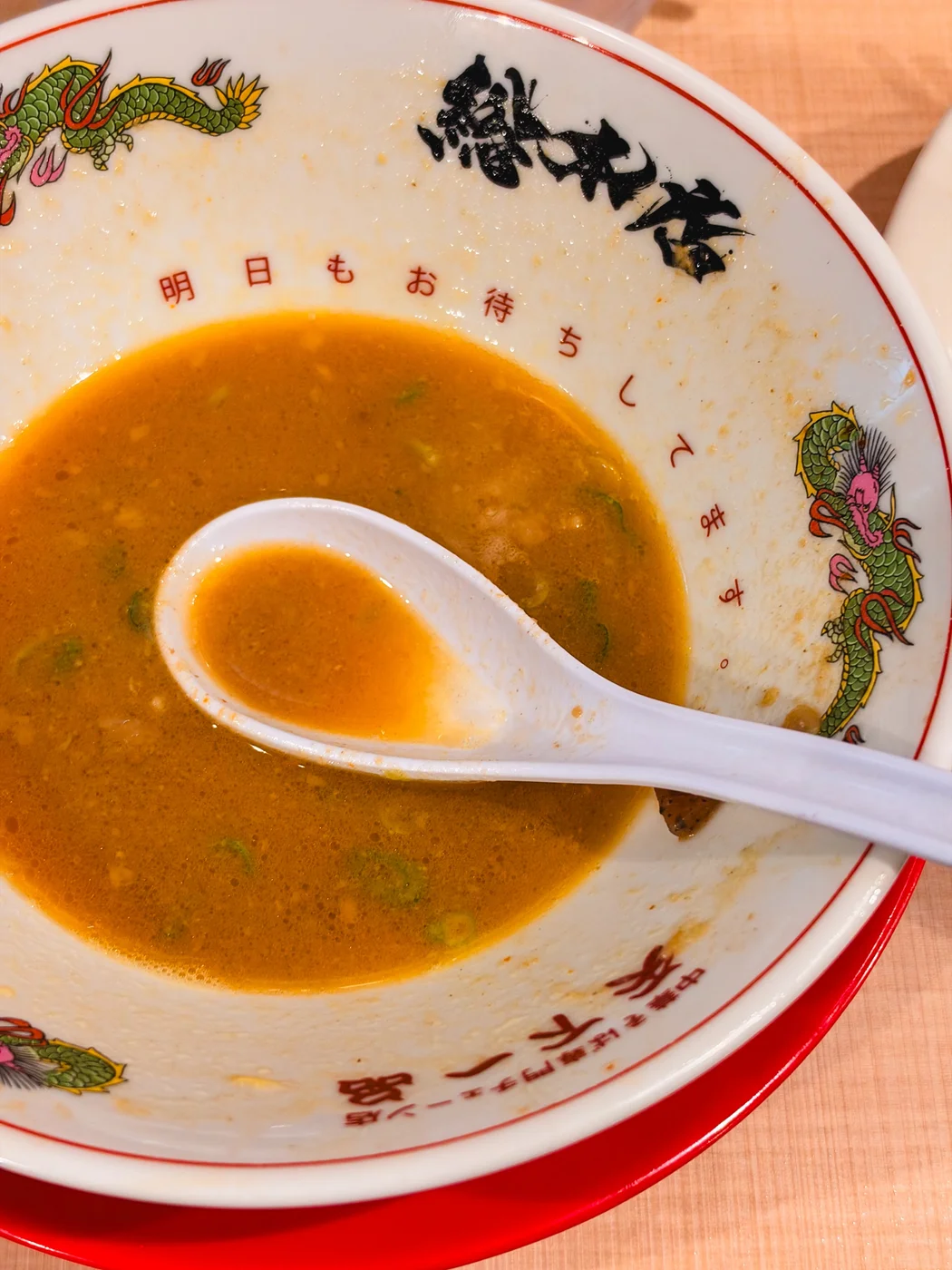
I had the main store’s specialty: beef tendon ramen. Naturally, it was delicious.
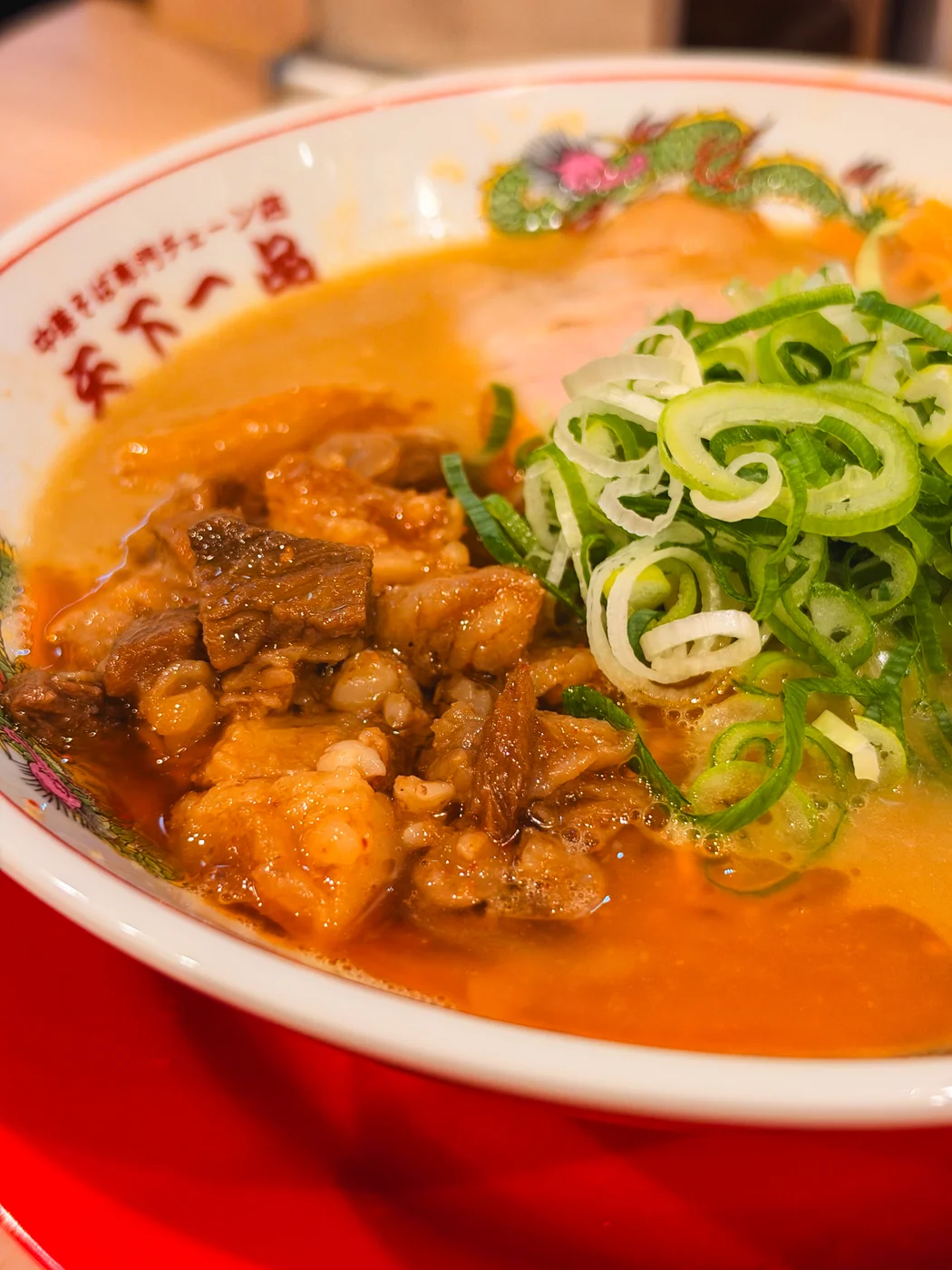
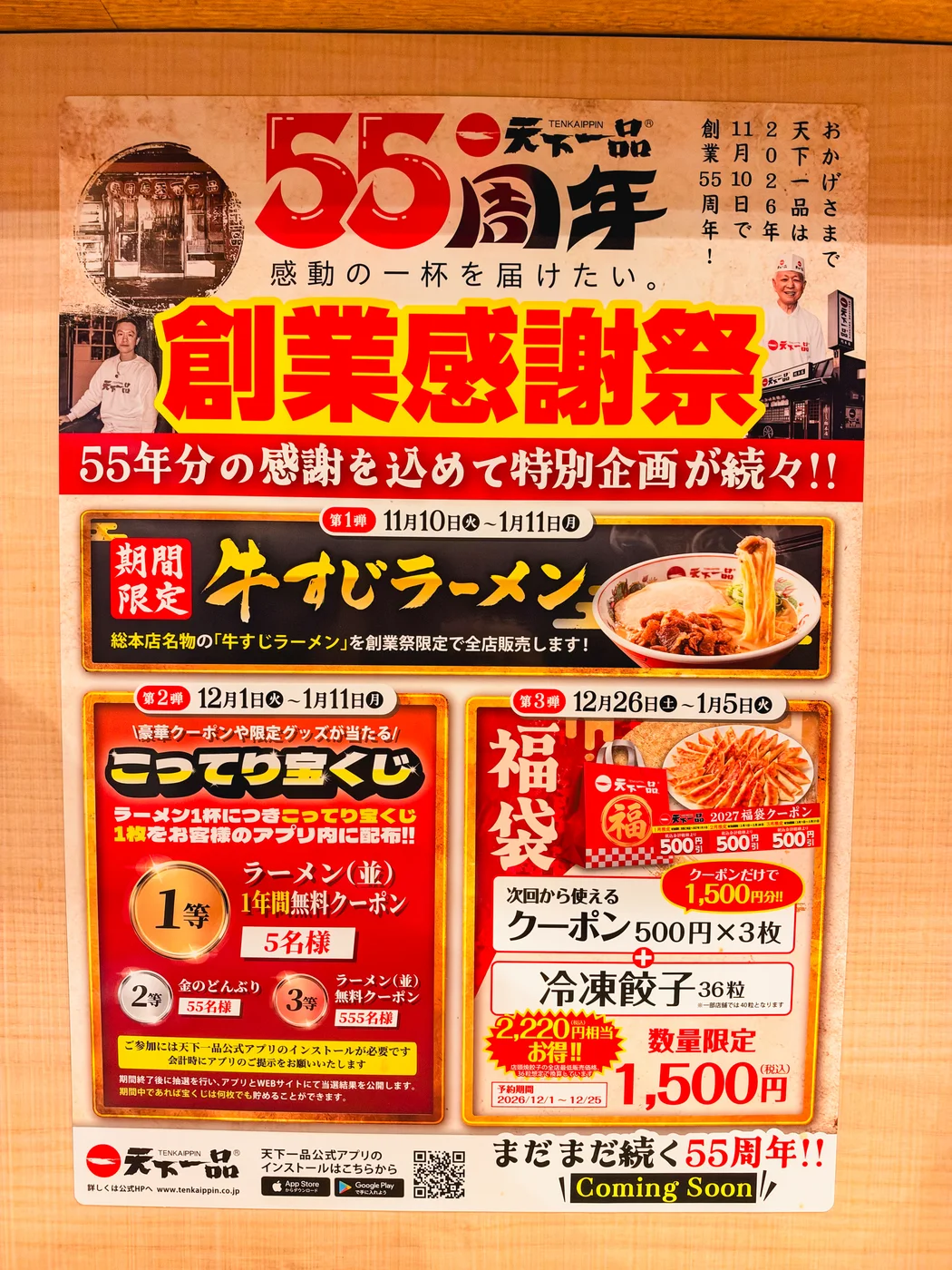
There was also a notice in the restaurant about the 55th-anniversary Thanksgiving Festival. According to Official Announcement, the main store’s signature beef tendon ramen would be sold as a limited-time item at stores nationwide from November 10 through January 11 of the following year. My visit on November 8 was before that campaign began.
Shizuoka service areas: Gundam and hamburger-steak souvenirs
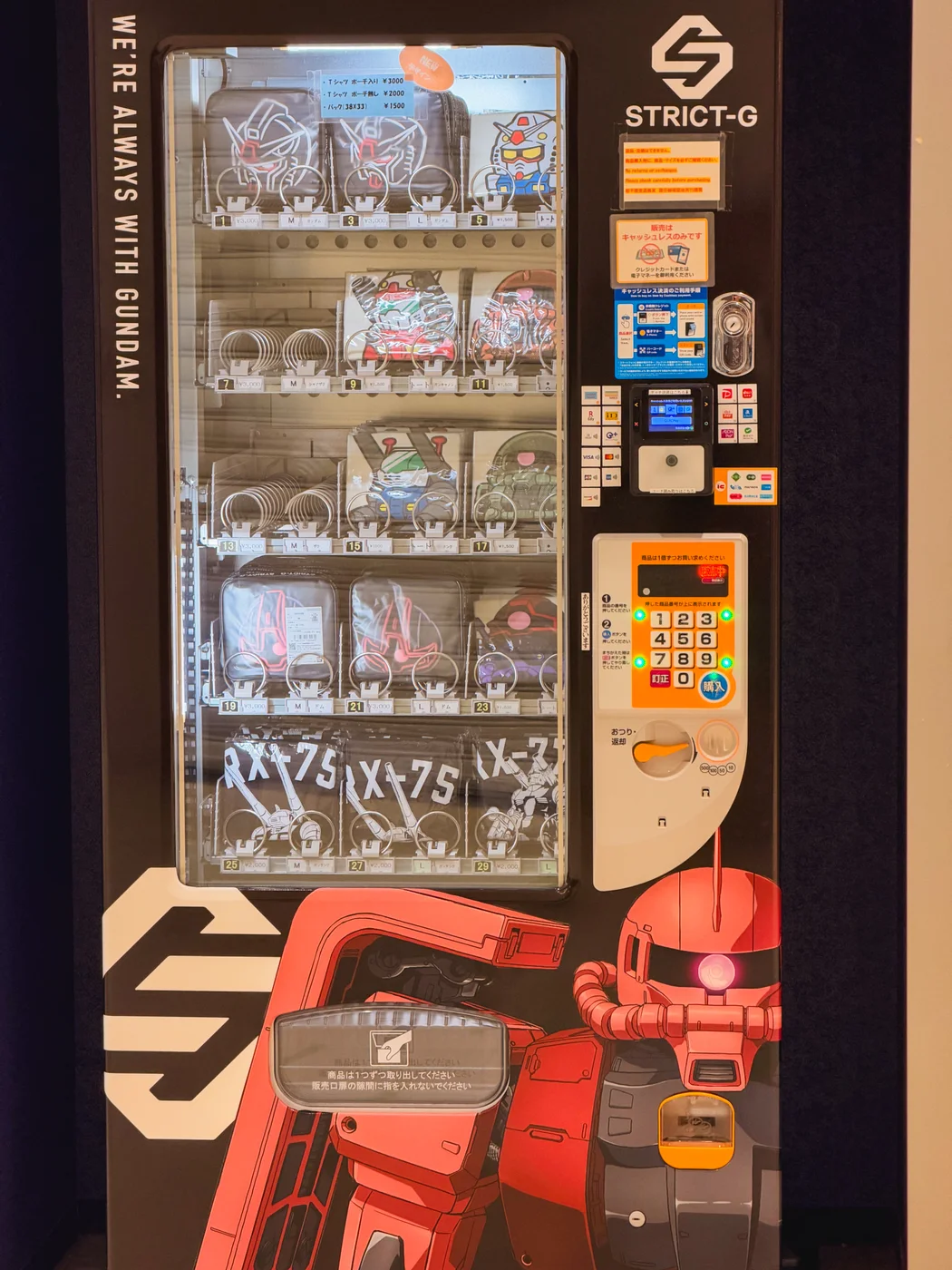
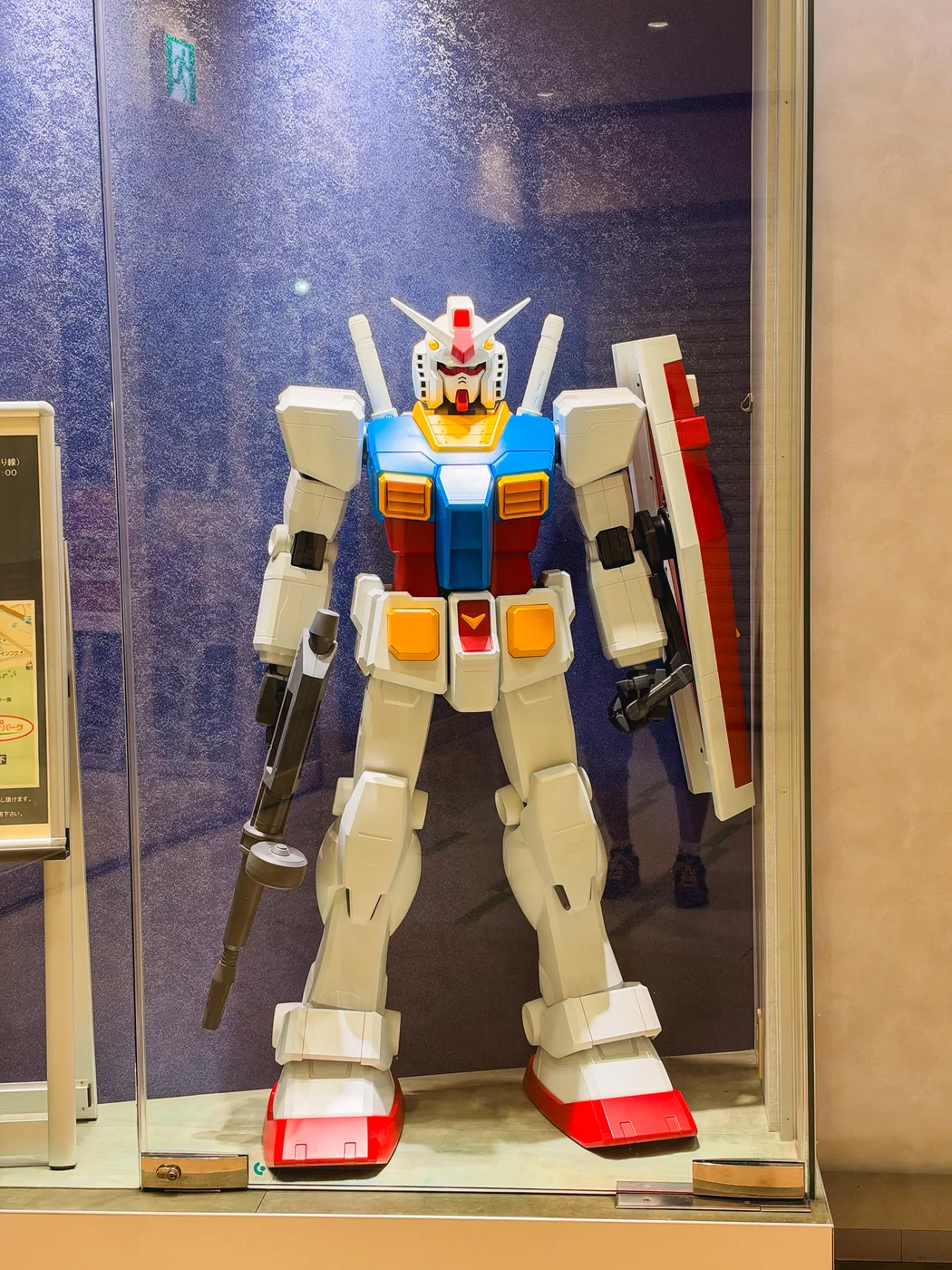
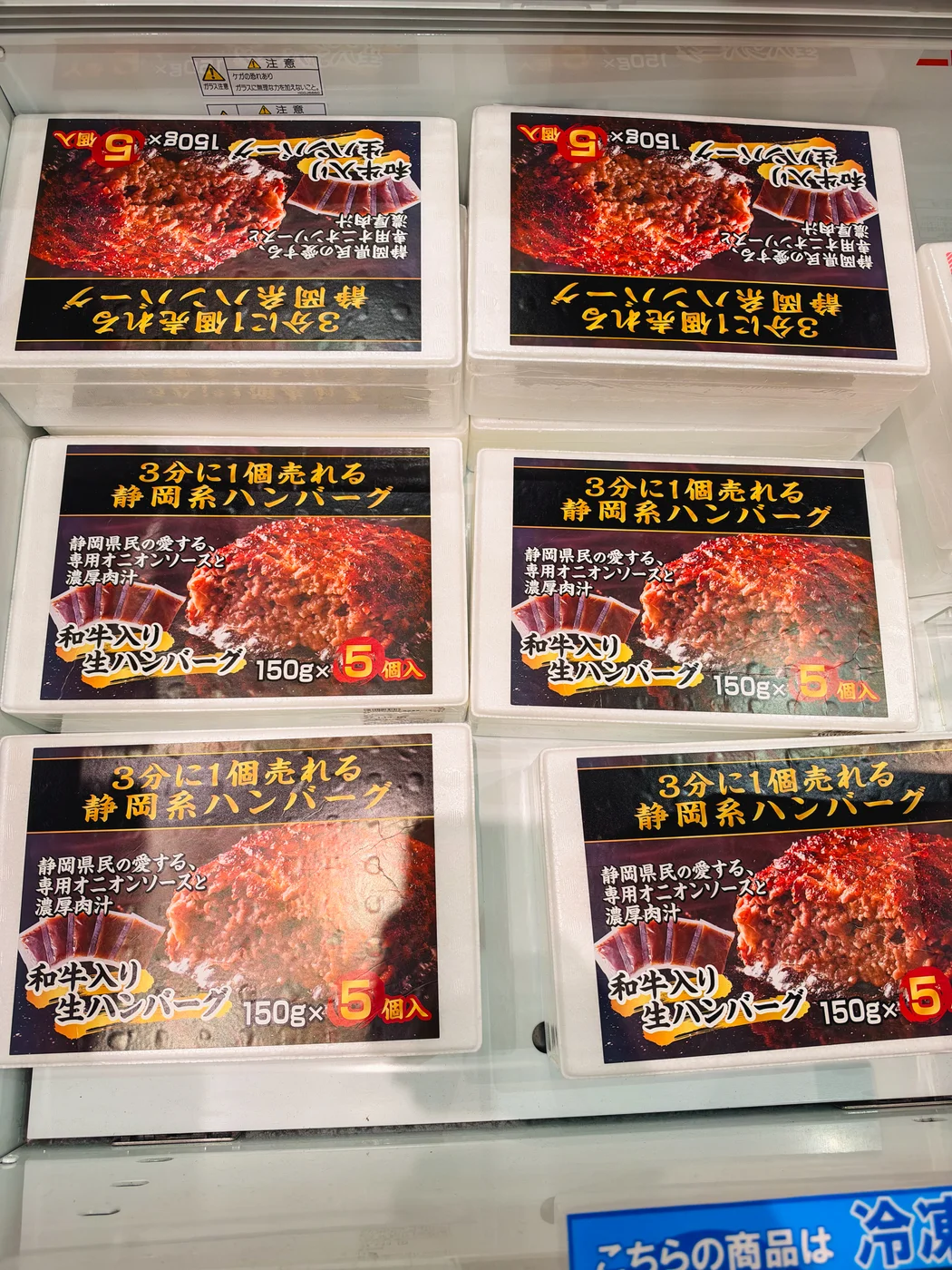
On the way back, we took breaks at service areas. In Shizuoka there were Gundam-related items and hamburger-steak souvenirs — it was fun just to look around.
Reflecting on driving and shooting
The long drive in the new RAV4 and sightseeing in Nara and Wakayama were a lot of fun.
The RAV4’s assistance with acceleration and deceleration on the highway made long-distance travel much easier. You can’t fully hand over driving, of course, but the balance between what I decide and control and what the car helps with worked really well.
My photos can’t do everything I used to achieve with the Z8 and telephoto lenses. Still, shooting meals and small subjects with the iPhone 18 Pro brings a different kind of enjoyment. Given how I spend my time now, I think it’s fine to travel lighter for a while.
When your car and camera change, the way you enjoy travel shifts a bit. That’s what I felt over these three days.