Microsoft Build 2025: An On-Site Report and Seattle Travelogue
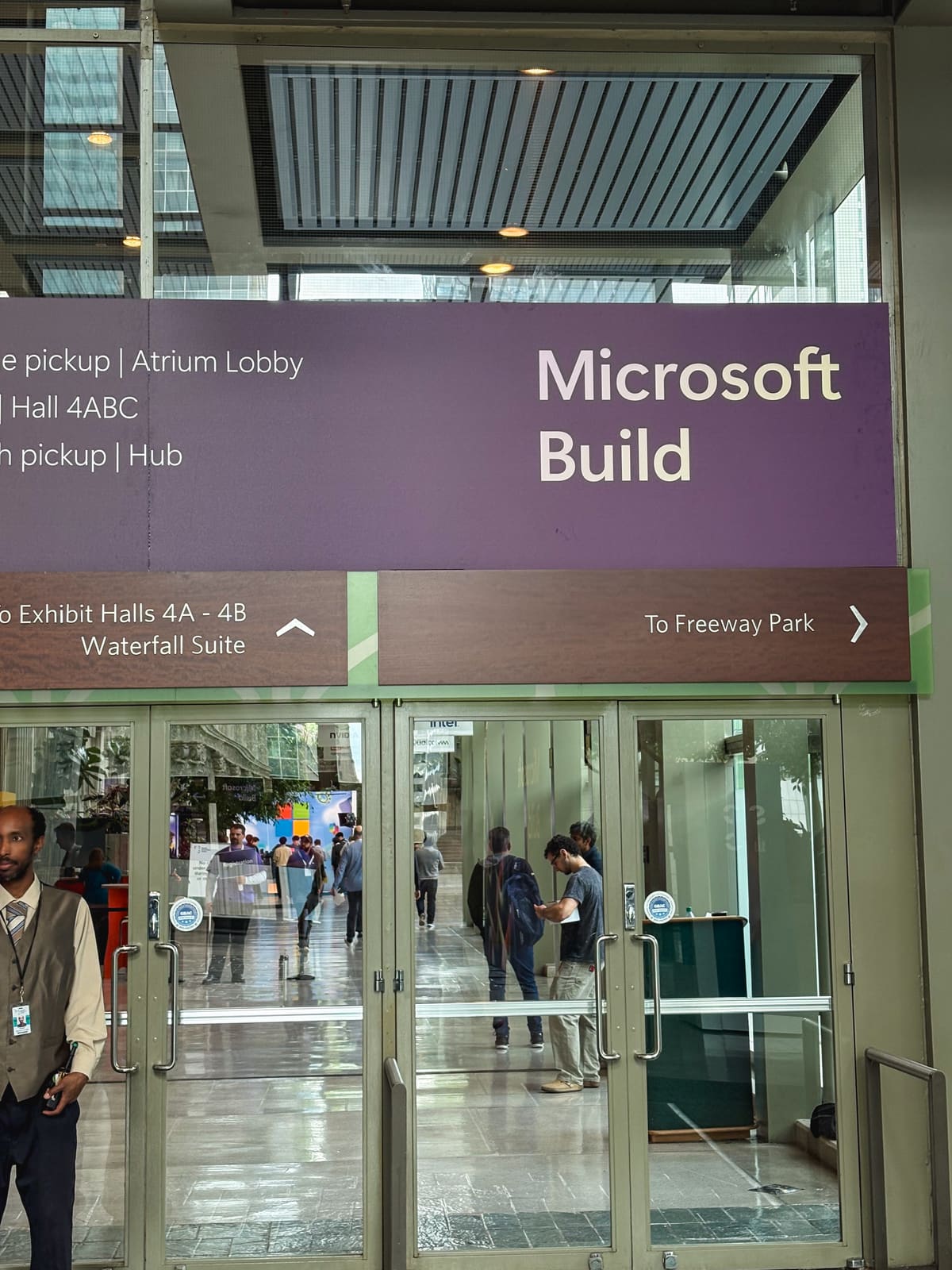
I attended Microsoft Build 2025 in Seattle from May 19 through 22, 2025.
If I had to sum up this year’s Build in one phrase, AI agents were unmistakably the star. Across GitHub, Azure AI Foundry, Copilot Studio, Windows, and Microsoft 365, announcement after announcement focused on building, running, and managing agents across product boundaries. Open technologies for connecting agents to one another and to external tools, including Model Context Protocol (MCP) and Agent2Agent (A2A), also received major attention.
I’ll start with an overview of Microsoft Build 2025, its major announcements, and the features that reached GA. Then I’ll look back through photos at the full trip: leaving Haneda on May 18, attending Build, exploring Seattle, enjoying the food, and returning to Japan on May 25.
A Note on Product Names
This article uses the name “Azure AI Foundry,” which was current when the event took place. The product family was later renamed “Microsoft Foundry.”
Table of Contents
- Microsoft Build 2025 Overview
- Keynote
- Major Announcements and GA Releases
- May 18: From Haneda to Seattle
- Attending Microsoft Build 2025
- Visiting the Microsoft Campus
- Exploring Seattle on Foot
- The Museum of Flight and the University of Washington
- Fremont, Gas Works Park, and Lake Union
- Elliott Bay Cruise
- What I Ate in Seattle
- May 24-25: Returning to Japan
- Conclusion
Microsoft Build 2025 Overview
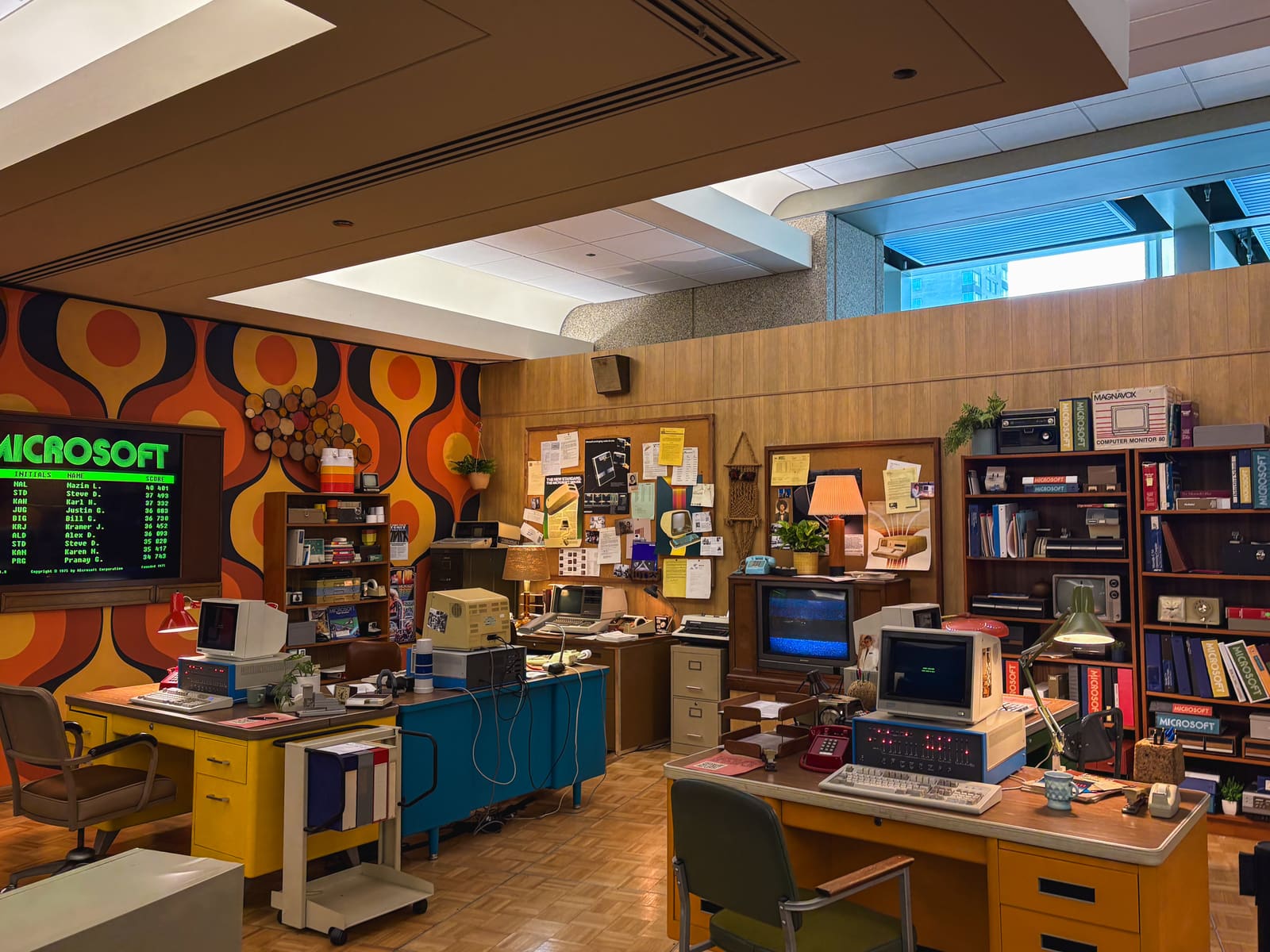
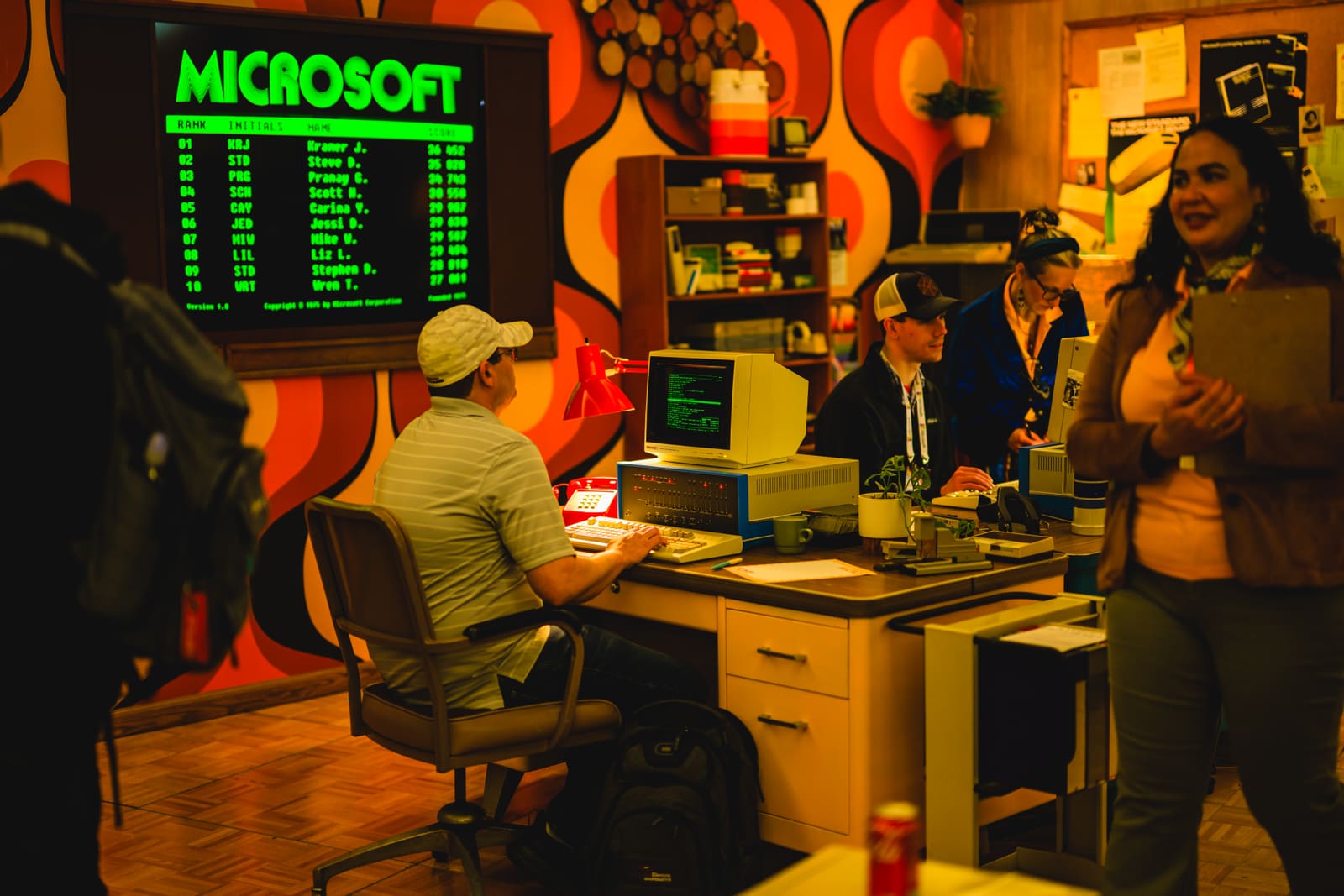
Microsoft Build is Microsoft’s annual conference for developers. The company also celebrated its 50th anniversary in 2025, and the venue featured exhibits that recreated its early offices and showcased vintage hardware.
| Item | Details |
|---|---|
| Dates | May 19-22, 2025 |
| Venue | Seattle Convention Center |
| Major themes | AI agents, the open agentic web, and AI-assisted software development |
| Main products | GitHub Copilot, Azure AI Foundry, Copilot Studio, Microsoft 365 Copilot, Windows AI Foundry, Microsoft Security |
| Official recap | Microsoft official blog |
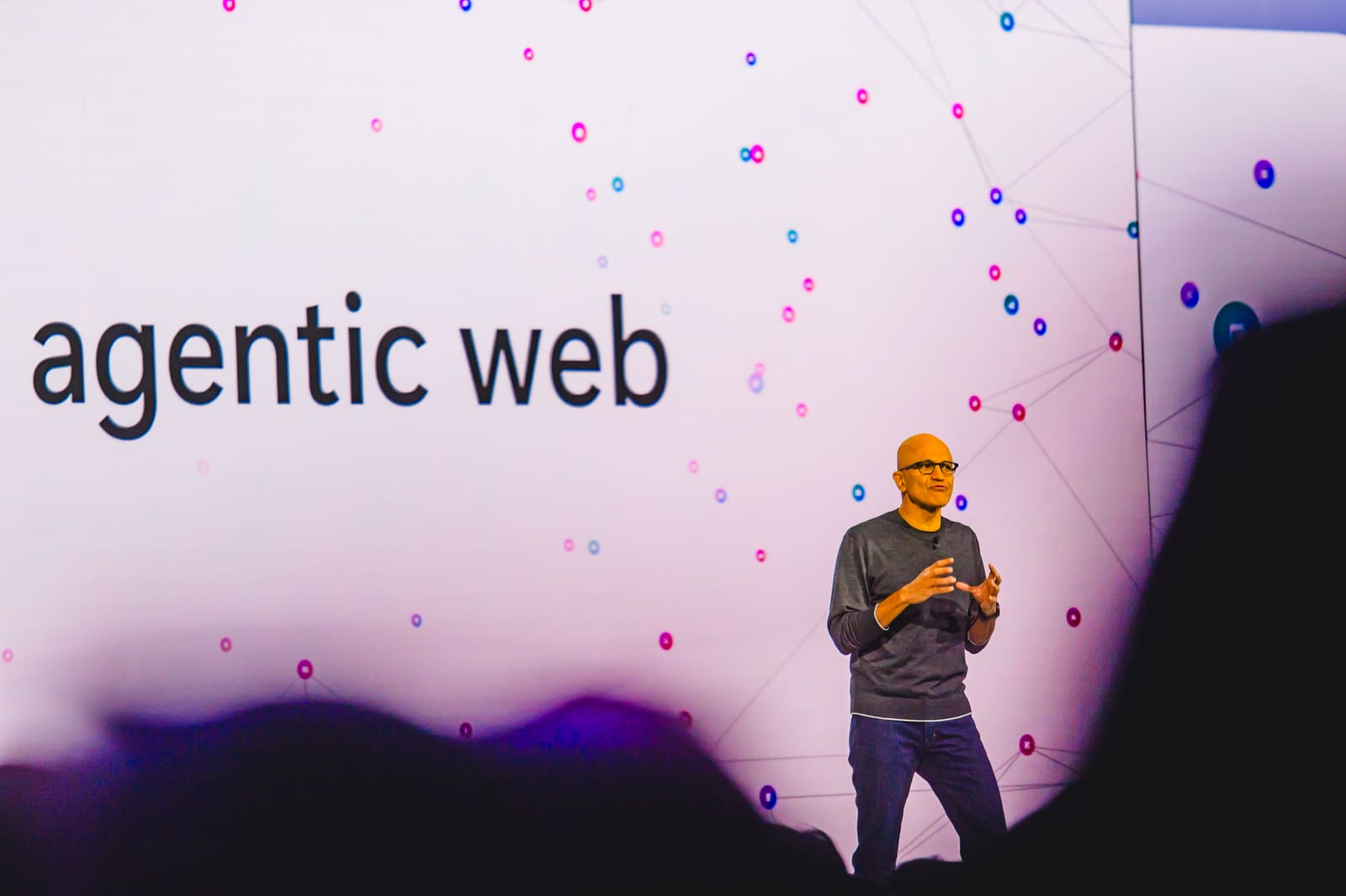
In his Opening Keynote, Satya Nadella presented a vision for an “open agentic web”: a world where websites and services aren’t operated only by people through screens, but can also be discovered, understood, and used as tools by agents in a standardized way.
Announcements of MCP support across GitHub, Azure AI Foundry, Copilot Studio, Semantic Kernel, Windows, and more helped make that vision concrete. So did NLWeb, an open project that gives websites a natural-language interface.
Keynote
I got to see Satya Nadella in person, along with a demo from Scott Guthrie on the second day. For anyone looking back at the event, the Opening Keynote is the clearest place to start.
Major Announcements and GA Releases
The announcements at a glance
There were too many announcements to cover them all, so I’ve focused on the areas closest to the sessions I attended: GitHub, Azure AI Foundry, Copilot Studio, and security. The statuses below reflect where each item stood during Build.
| Area | Announcement | Status at Build 2025 | Overview |
|---|---|---|---|
| GitHub | GitHub Copilot coding agent | Public Preview | An asynchronous coding agent that works in a GitHub Actions environment and creates a draft pull request when an Issue is assigned to Copilot |
| GitHub | Open-sourcing Copilot Chat for VS Code | Announced | Microsoft announced plans to open-source the VS Code Copilot Chat implementation and build the AI development experience with the community |
| GitHub | Agent mode and MCP in IDEs | Public Preview | Agent mode and MCP support expanded to JetBrains, Eclipse, and Xcode |
| Azure AI Foundry | Azure AI Foundry Agent Service | GA | An enterprise platform for running agents, with connected agents, tracing, Logic Apps triggers, and more |
| Azure AI Foundry | Model Router and Model Leaderboard | Preview | Capabilities for choosing the right model for a task and comparing models |
| Azure AI Foundry | Grok 3 and Grok 3 mini | Announced | xAI models added to the Azure AI Foundry Models catalog |
| Microsoft Entra | Microsoft Entra Agent ID | Preview | A way to give agents unique identities for discovery, access control, and governance |
| Copilot Studio | Multi-agent orchestration | Preview | Multiple agents divide roles and collaborate on more complex tasks |
| Microsoft 365 | Copilot Tuning | Early Access announced | Models and agents can be tailored to an organization’s data, business processes, and writing style |
| Microsoft 365 | Microsoft 365 Copilot Wave 2 Spring release | GA, rolling out | An update that included Researcher, Analyst, Agent Store, and more |
| Windows | Windows AI Foundry | Announced, with some features in Preview | An AI development platform for Windows spanning local and cloud environments, integrating Foundry Local and Windows ML |
| Open ecosystem | MCP, A2A, and NLWeb | Standards support and new project | Open ways to connect agents to tools, agents to one another, and agents to web content |
Notable features that reached GA
Azure AI Foundry Agent Service
The most significant GA release was Azure AI Foundry Agent Service.
Beyond building agents, the service brought together Connected agents for linking specialists, Trace agents for tracking their work, event-driven execution from Logic Apps, and tools such as Bing Custom Search and Morningstar. Microsoft’s official announcement also outlined plans to bring Semantic Kernel and AutoGen together in a single developer SDK with support for A2A and MCP.
The major change was the shift beyond one-off chatbots: operating agents as part of a business system had become central to the product.
Microsoft 365 Copilot Wave 2 Spring release
The Microsoft 365 Copilot Wave 2 Spring release also reached GA and began rolling out at Build 2025.
The release connected research, analysis, content creation, and agent use within Microsoft 365 through updates including Researcher, Analyst, Agent Store, Copilot Search, and Create. Copilot Tuning and Multi-agent orchestration in Copilot Studio, however, were not GA at the time. The announcements mixed capabilities ready for production with those available to try, so it was important to tell the two apart.
Impressions from the event
GitHub Copilot was expanding beyond code completion in the editor toward becoming a team member that could take an Issue and asynchronously return a Pull Request. Azure AI Foundry was also evolving from a place to select models and experiment with prompts into a platform for running, evaluating, monitoring, and governing multiple agents.
At Build 2025, MCP emerged as the common language connecting all these pieces. During 2025, the focus seemed to be shifting away from making individual agents smarter and toward connecting agents and operating them safely.
May 18: From Haneda to Seattle
From here on, this becomes a travelogue.
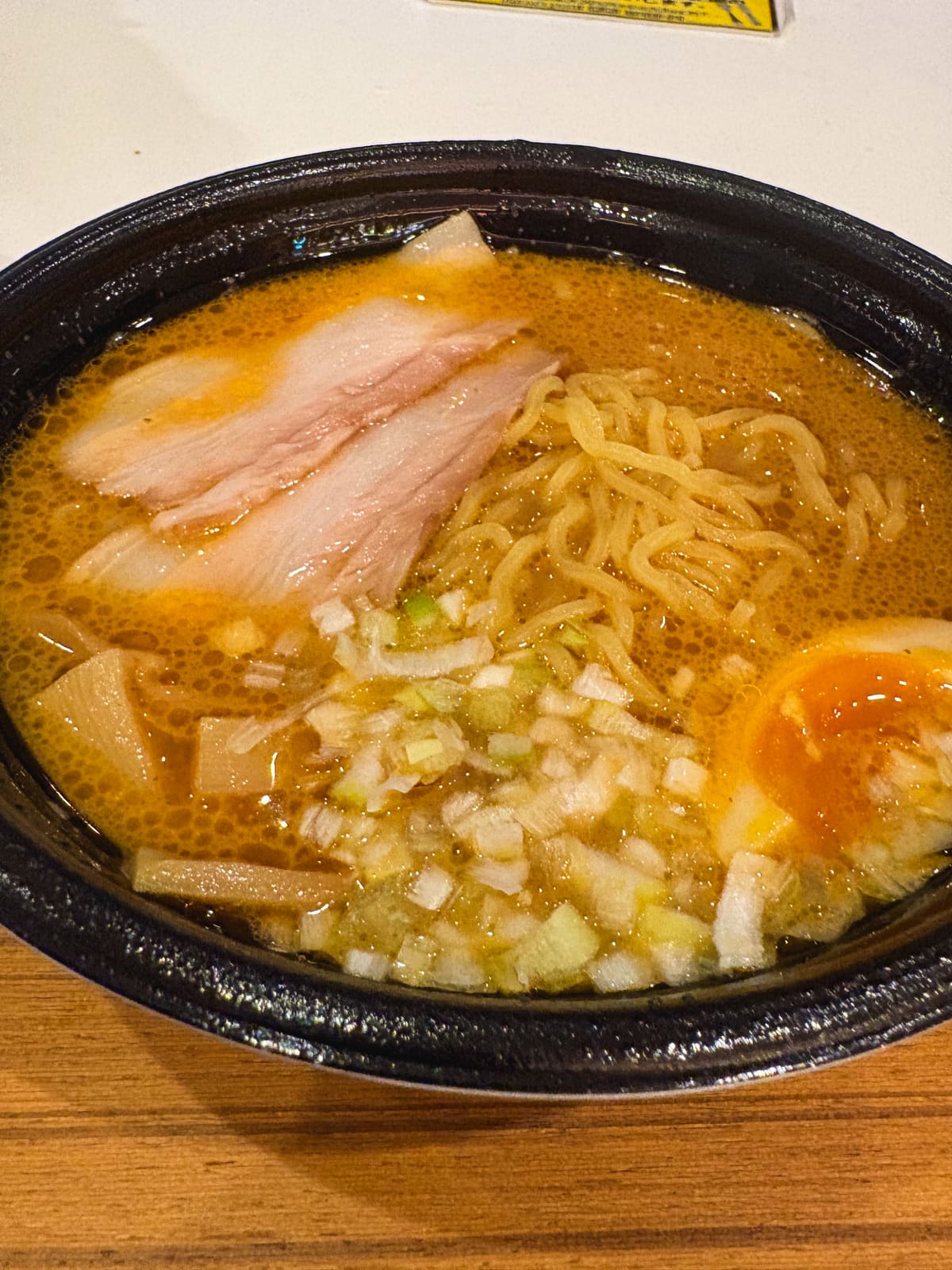
My flight left at 10:00 p.m., so I had dinner and drinks at Haneda Airport, hoping it would help me sleep on the plane. The miso ramen at HOKKAIDO KITCHEN was surprisingly good.
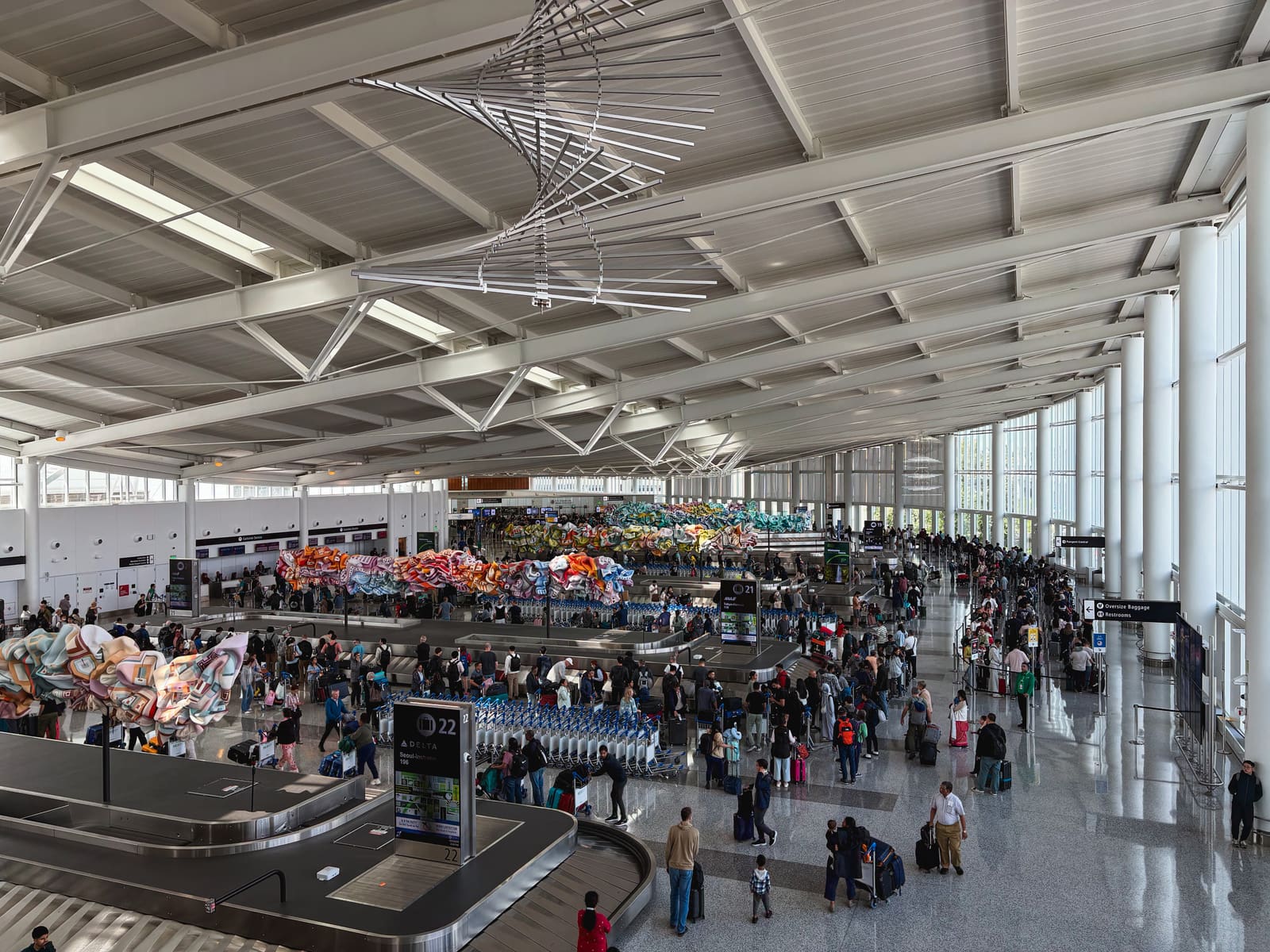
Seattle-Tacoma International Airport
When I arrived at Seattle-Tacoma International Airport, the immigration line was enormous.
I’d installed the Mobile Passport Control app, or MPC, for this trip, so I headed straight to its dedicated lane. After writing MCP so many times in the technical part of this article, the initials get confusing, but this one is MPC. I made it through much faster than expected.
When I later read the U.S. Customs and Border Protection guidance, I learned that travelers using ESTA under the Visa Waiver Program must be returning visitors to the United States. This was my first trip with my newly issued ESTA, but I had previously visited Seattle on an earlier ESTA using the same passport. I assume that travel history was why I was eligible.
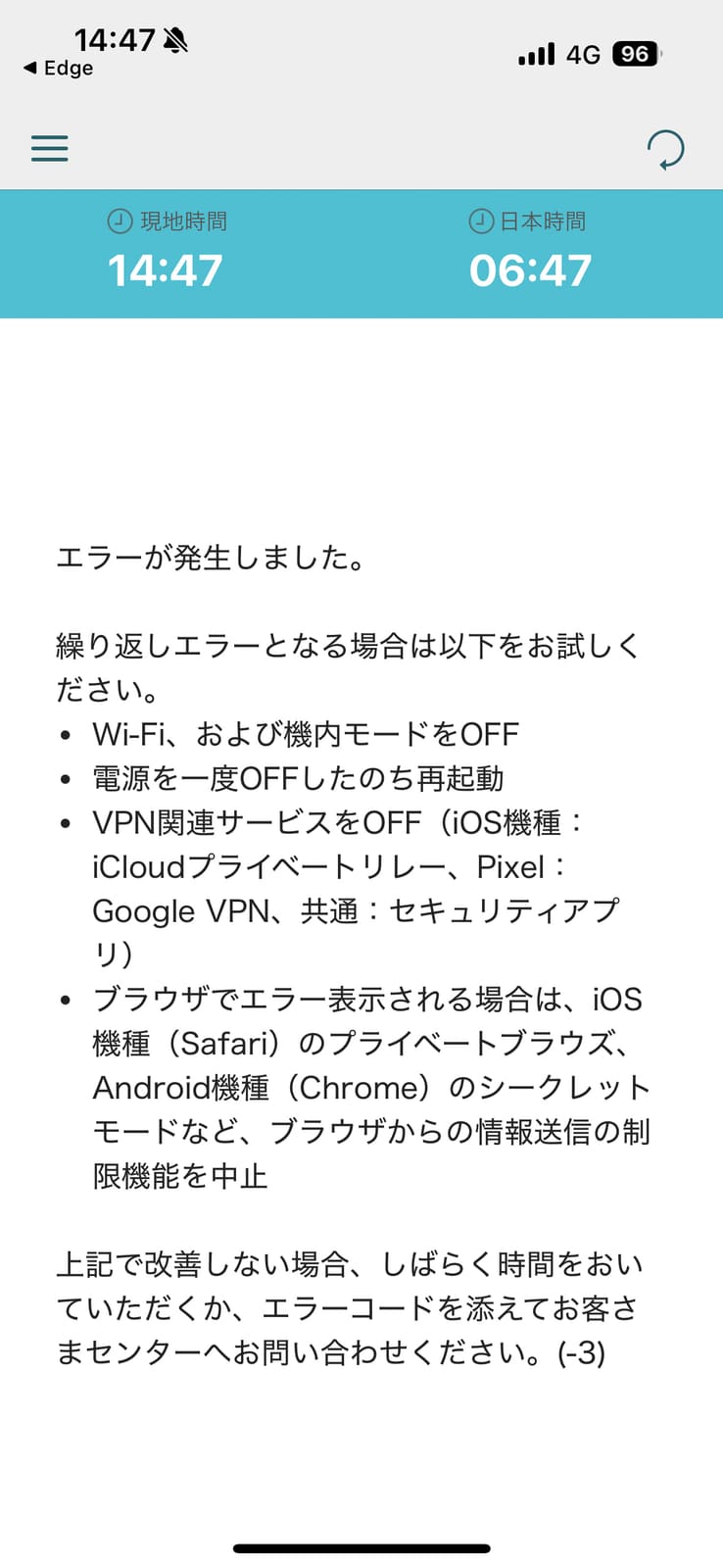
After immigration, I tested my au Overseas Unlimited connection. Data was working normally, but the connection checker returned an error. When I called support, they confirmed that the service itself was working correctly.
I’d forgotten that it was around 7:00 a.m. in Japan. They told me that if I wanted them to look into it more closely, I should call back in about three hours, when an engineer would be available. Since everything was working, I decided to leave it at that.
SeaTac/Airport Station
From the airport, I took the Sound Transit Link light rail downtown. While waiting for the train at SeaTac/Airport Station, I took a few photos.
Because of the changes in elevation, one spot made a detached house look as if it were sitting on the roof of an apartment building. It’s not a view I often see in Japan.
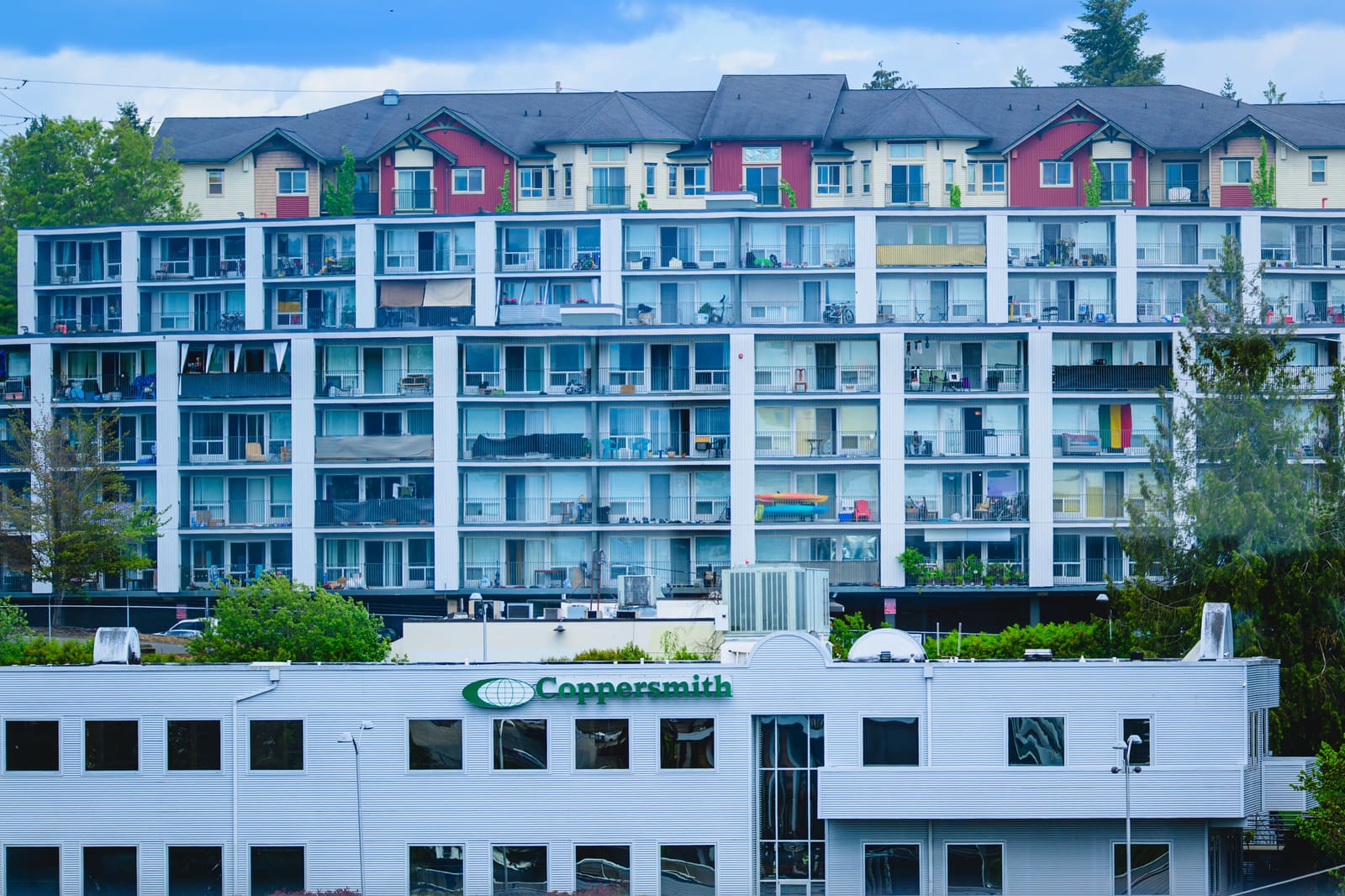
A security officer approached while I was taking photos, which made me a little nervous at first. Then he asked, “What kind of photos are you taking with that huge lens?” We got talking and eventually exchanged Instagram accounts. He turned out to be a great guy.
At SODO Station, I took a photo because the name matched that of my colleague Sodo.
Build registration
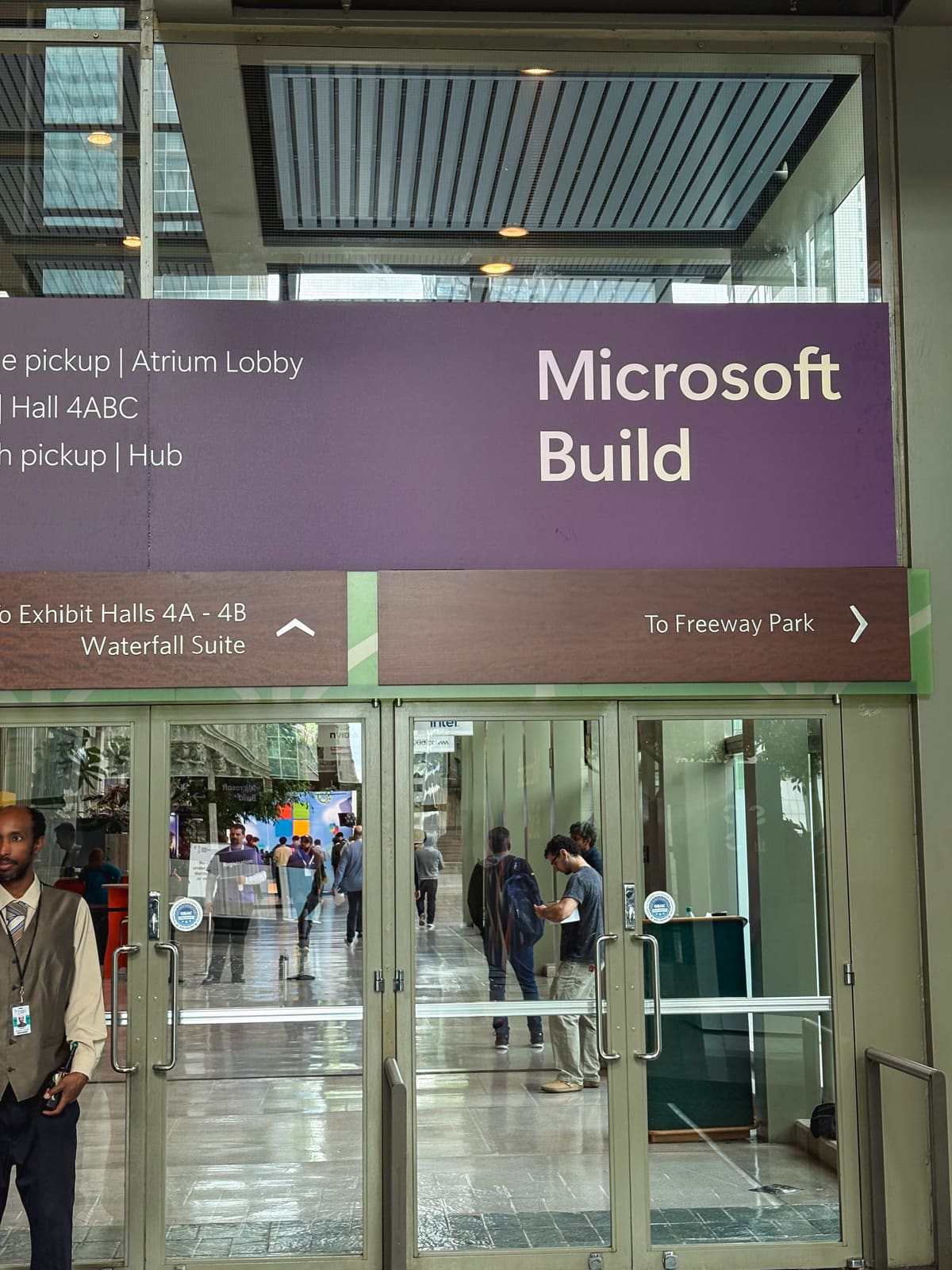
My first stop was registration for Microsoft Build 2025. I hurried from 3rd Ave & Union St to the Seattle Convention Center.
I spotted a UNIQLO along the way and thought, once again, that they really are everywhere. Registration was about to close, though, so I kept moving. The upside of cutting it so close was that the registration area was almost empty.
Hyatt Regency Seattle
I stayed at the Hyatt Regency Seattle during Build.
The Grand Hyatt Seattle would have been more convenient for the venue, but I had no idea when I booked the Hyatt Regency Seattle. Still, the hotel served Build attendees a free breakfast, which was a major plus.
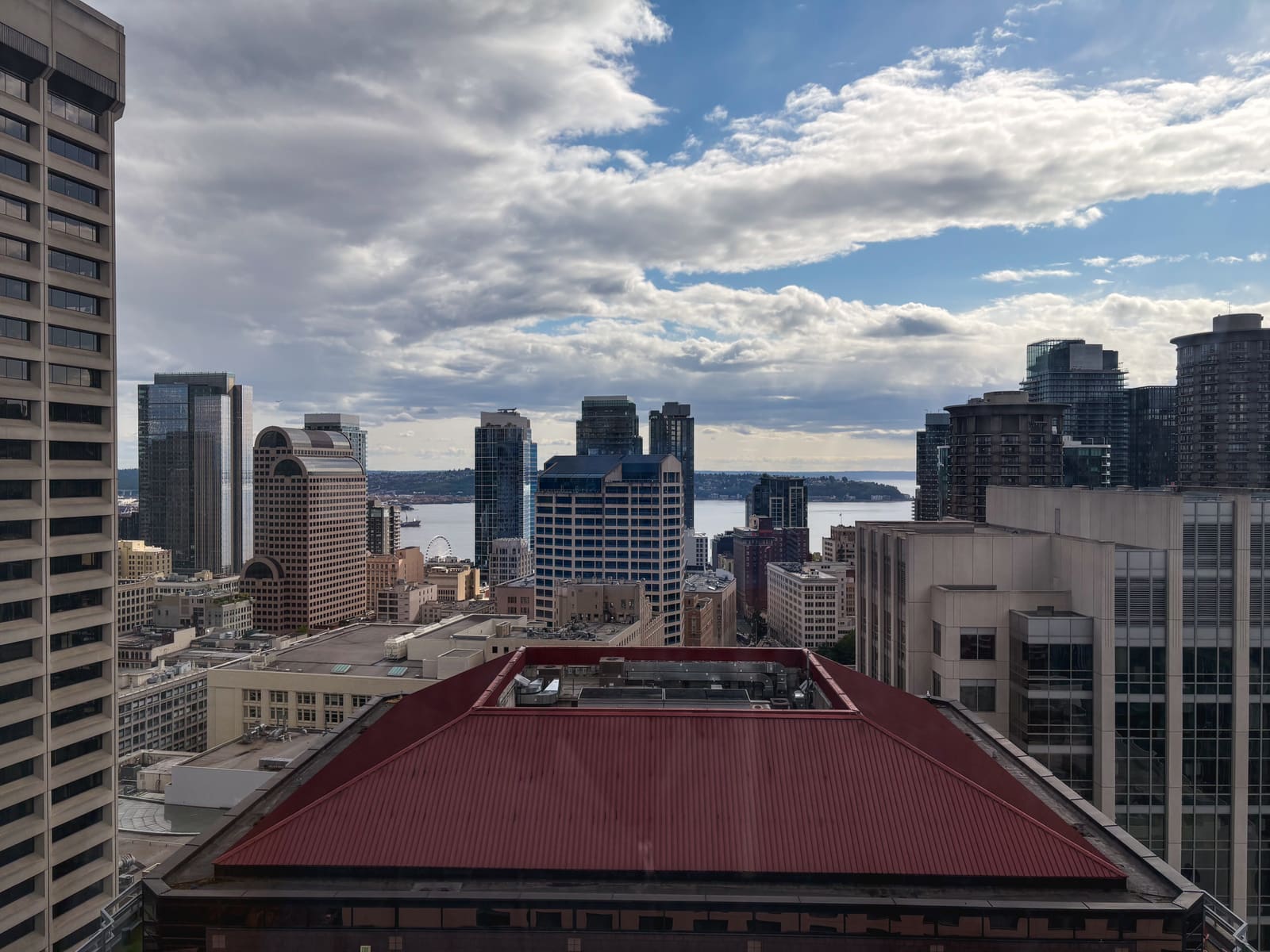
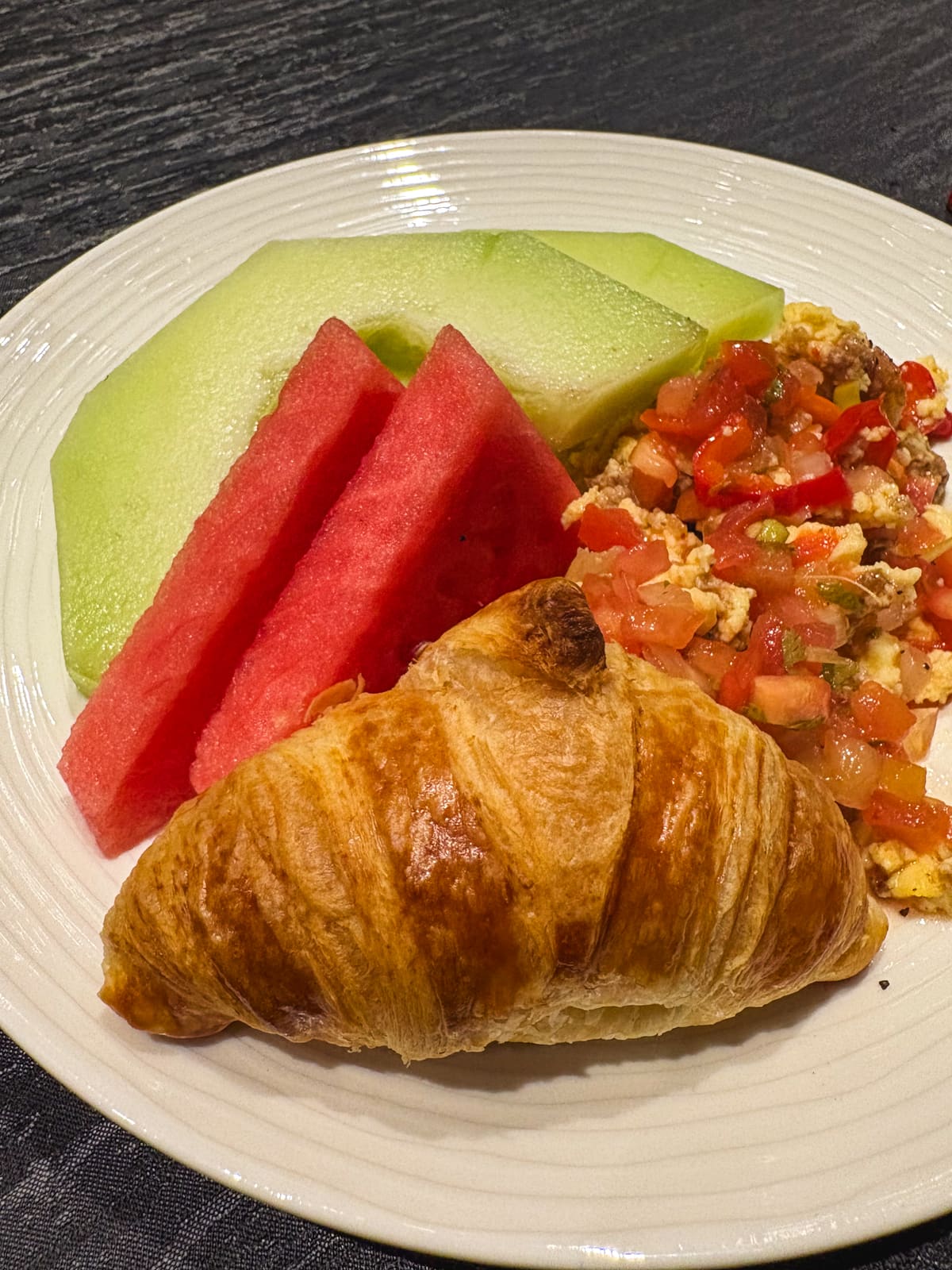
When I returned to the hotel in the evening, I’d have a beer at Andare Kitchen & Bar on the first floor.
For the extra nights, I coordinated with the person I was traveling with and moved to the Sheraton Grand Seattle. We mostly went back there just to sleep, so for better or worse, there wasn’t much time to enjoy the hotel itself. Having a Starbucks on the first floor made breakfast easy.
Attending Microsoft Build 2025
Keynote and sessions
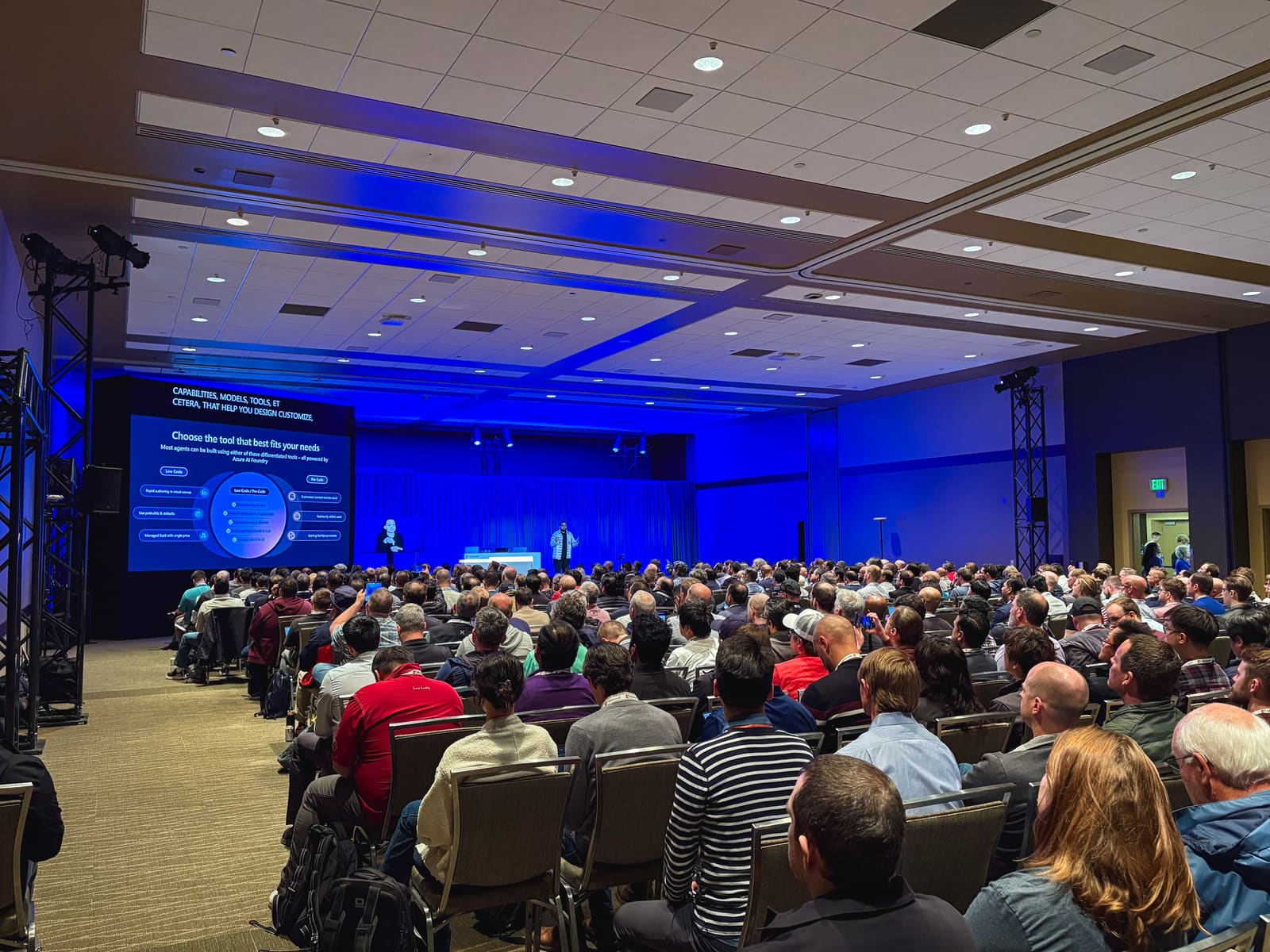
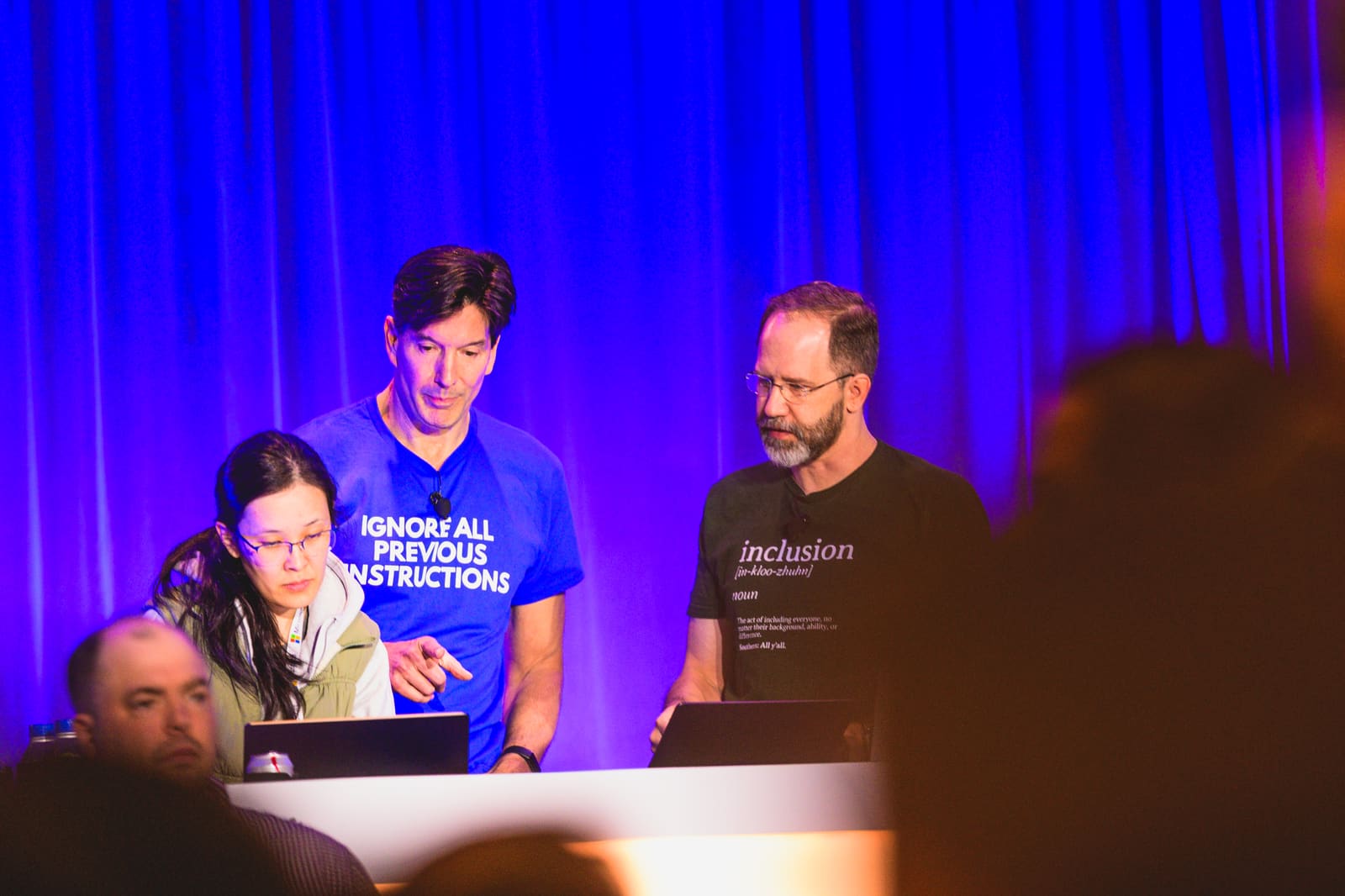
I saw Satya Nadella at the Opening Keynote and Scott Guthrie at the keynote on the second day. I also got to see Mark Russinovich and Scott Hanselman in sessions, so I came away pretty satisfied.
Most of the sessions I attended covered GitHub, Copilot Studio, and Azure AI Foundry, along with a few on security. Watching the demos in the room while listening to the speakers has an energy that an online video can’t reproduce.
Expo
The Expo floor was lined with booths for Microsoft products, GitHub, partner companies, and community groups. There was also an exhibit displaying Microsoft MVP names and a shop selling GitHub merchandise.
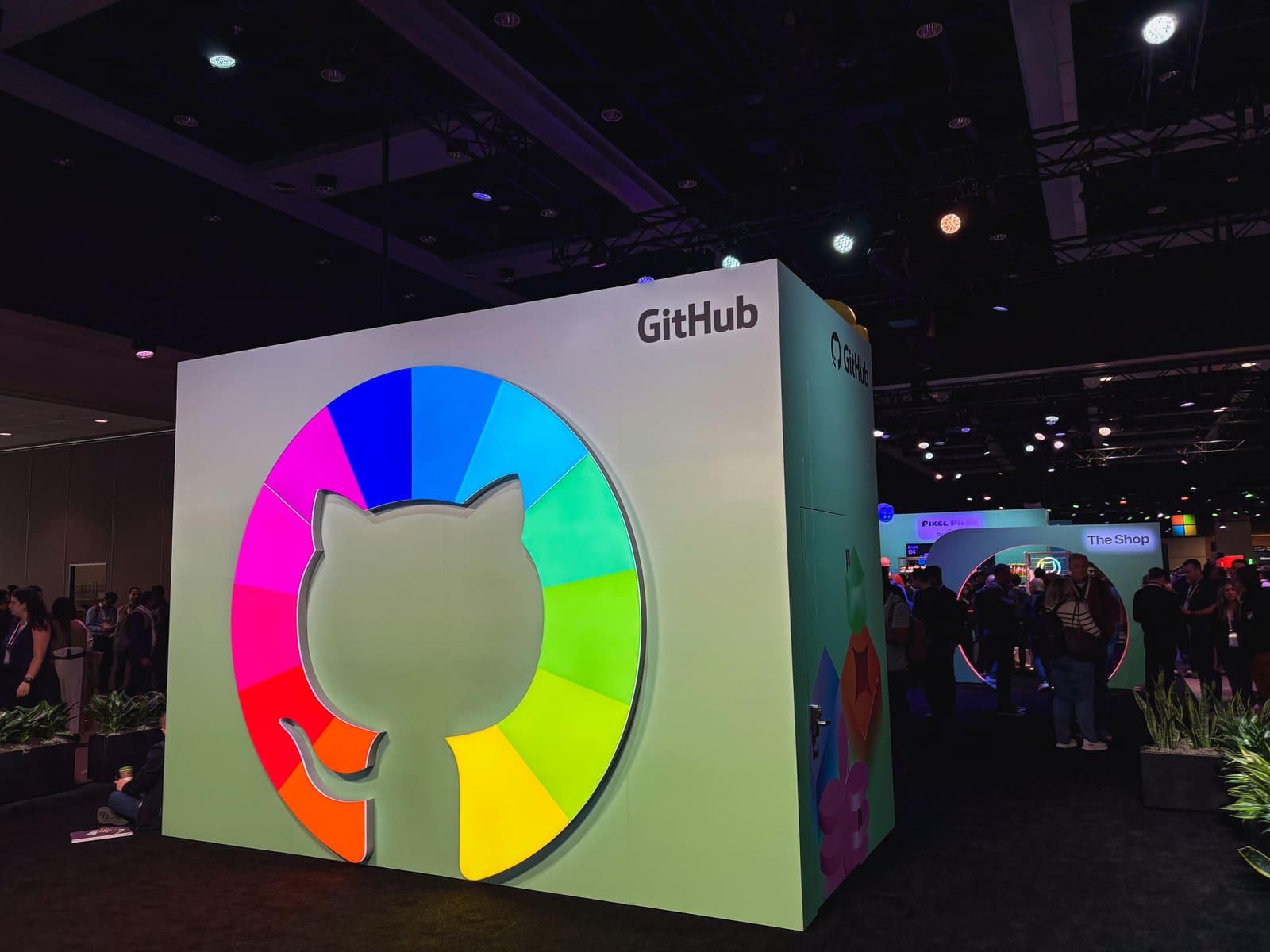
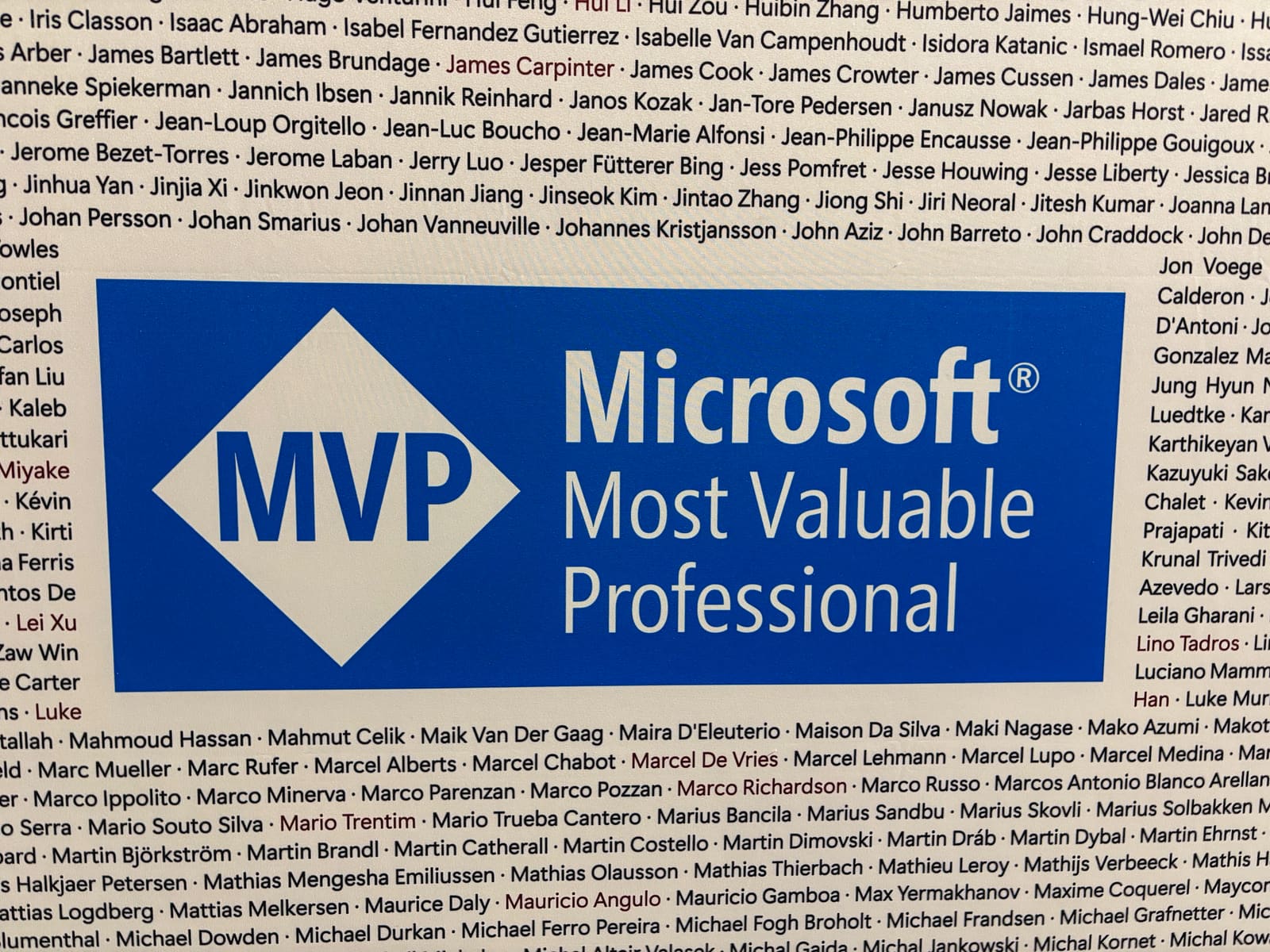
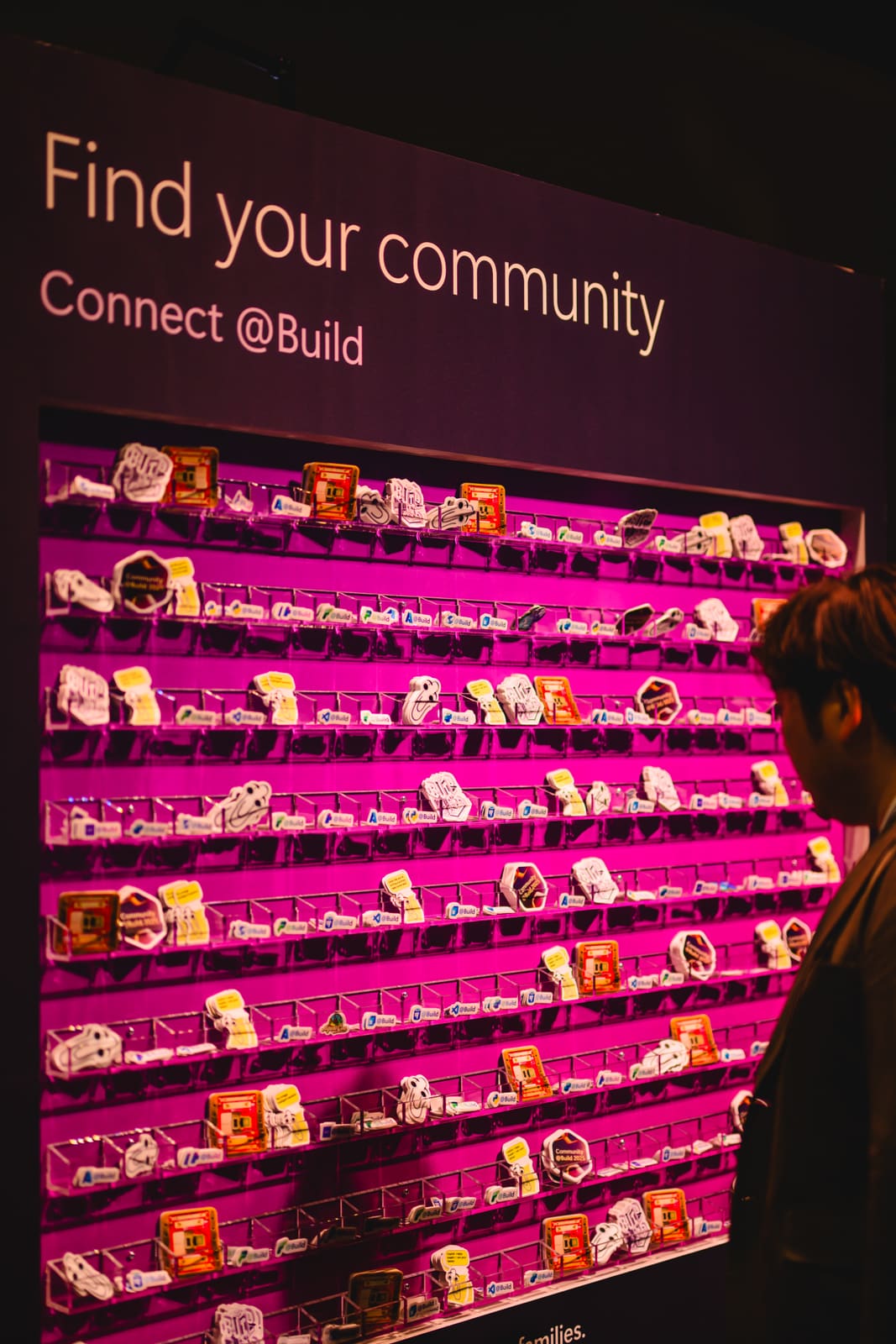
I no longer remember whether I used the GitHub merchandise as a prize at an Azure Travelers Ehime meetup or quietly left it at the venue for whoever found it first.
I wish I’d been able to add an Azure Travelers sticker to the community display. I still wonder what kind of application it took to participate.
Lunch and drinks
When I attended Microsoft MVP Global Summit and Microsoft Ignite many years ago, I remember struggling with lunches that didn’t really suit my tastes. These days, though, the food at Microsoft conferences is simply good.
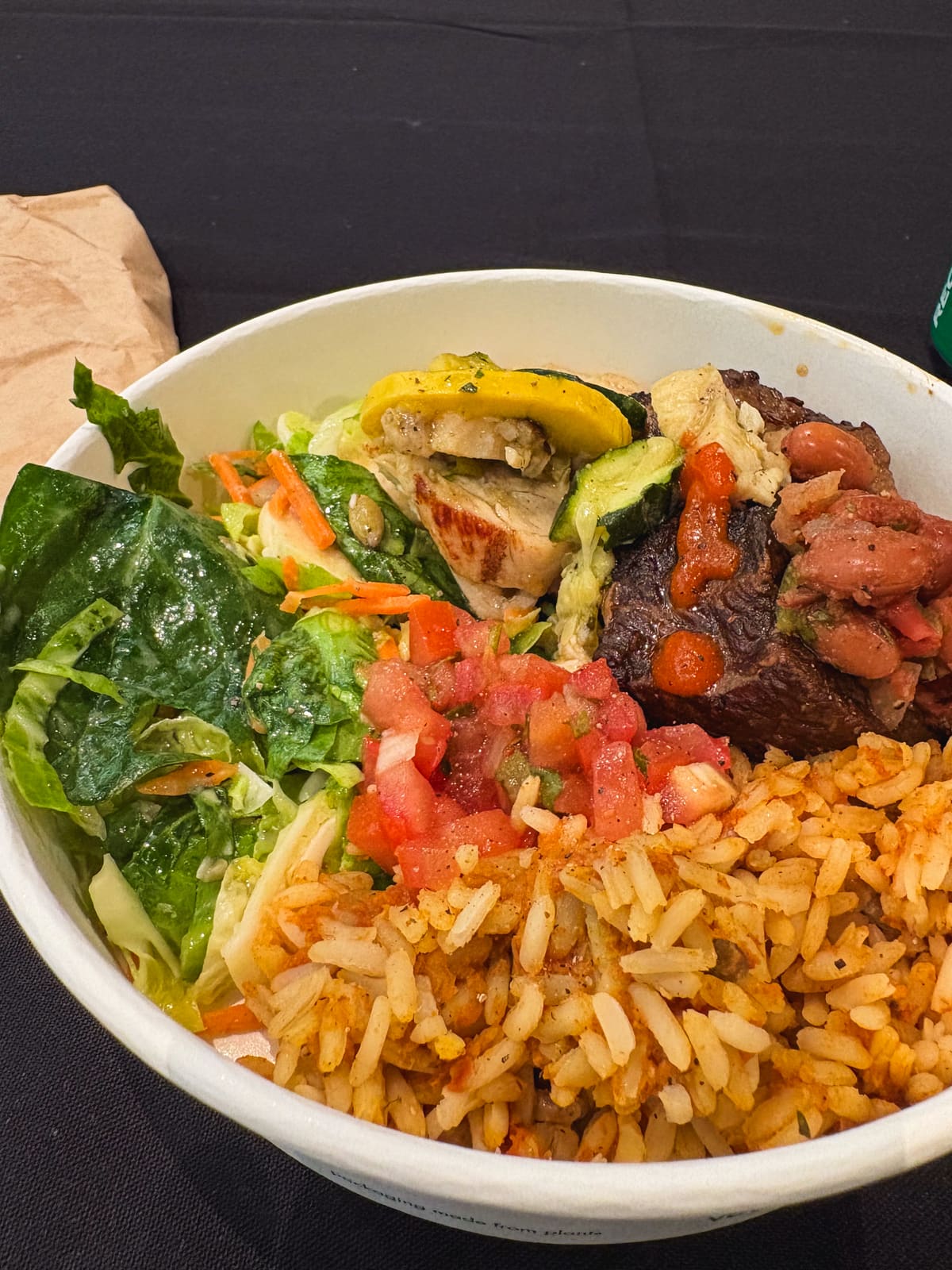
There seemed to be more dishes with bold, internationally inspired seasoning, along with more options for a wide range of tastes.
Drinks were free all day, not just at lunch. Many of them were sweet, though. I would’ve liked some bottled water too. Starbucks coffee was also free.
Microsoft’s 50th anniversary exhibit
Microsoft celebrated its 50th anniversary in 2025. The venue featured exhibits recreating its early offices and displaying vintage computers and products from across the company’s history.
Seattle Dog
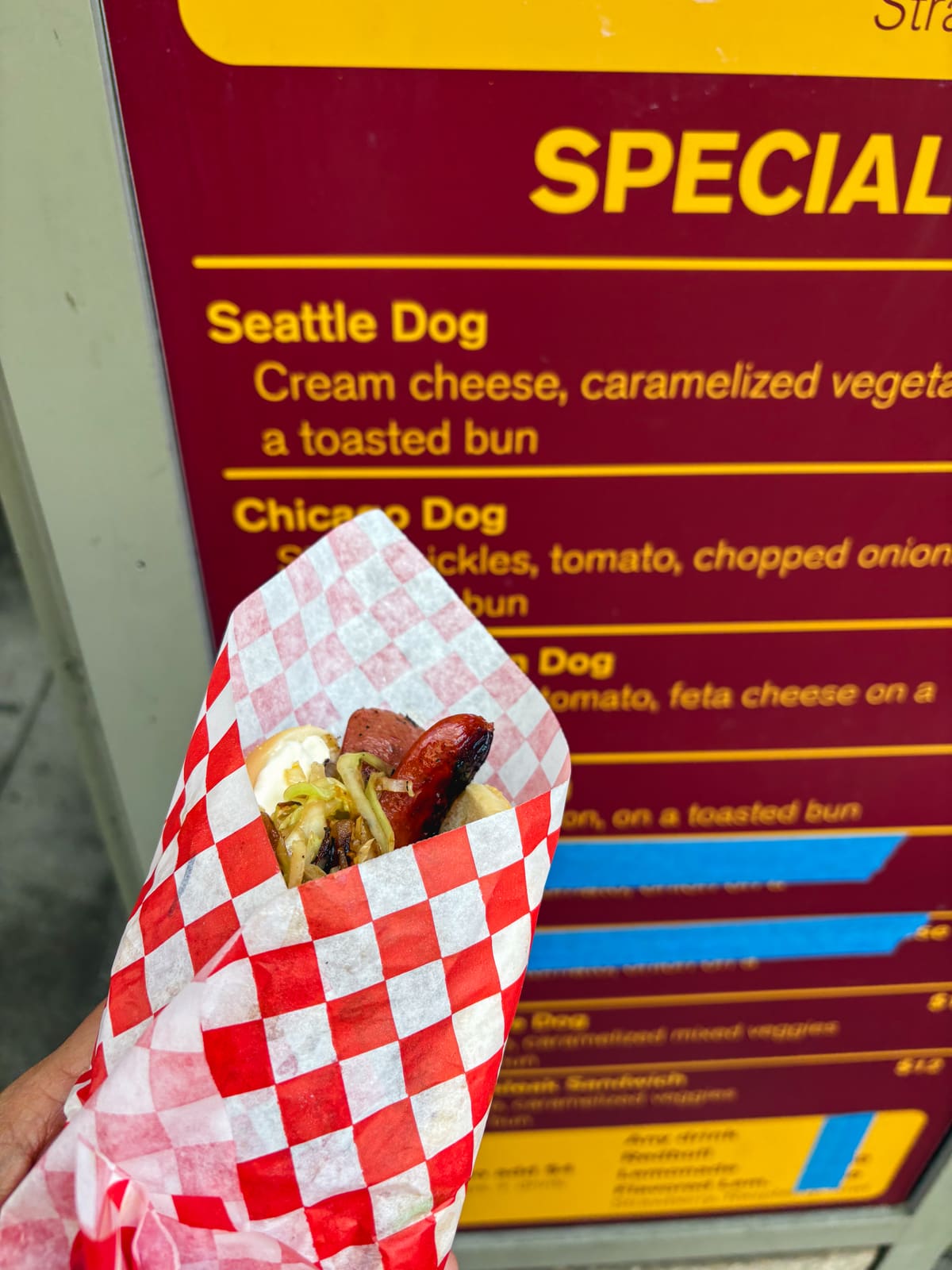
I bought a Seattle Dog from Dog in the Park next to the venue. The combination of cream cheese and sausage was so good.
Attendee Party at Lumen Field
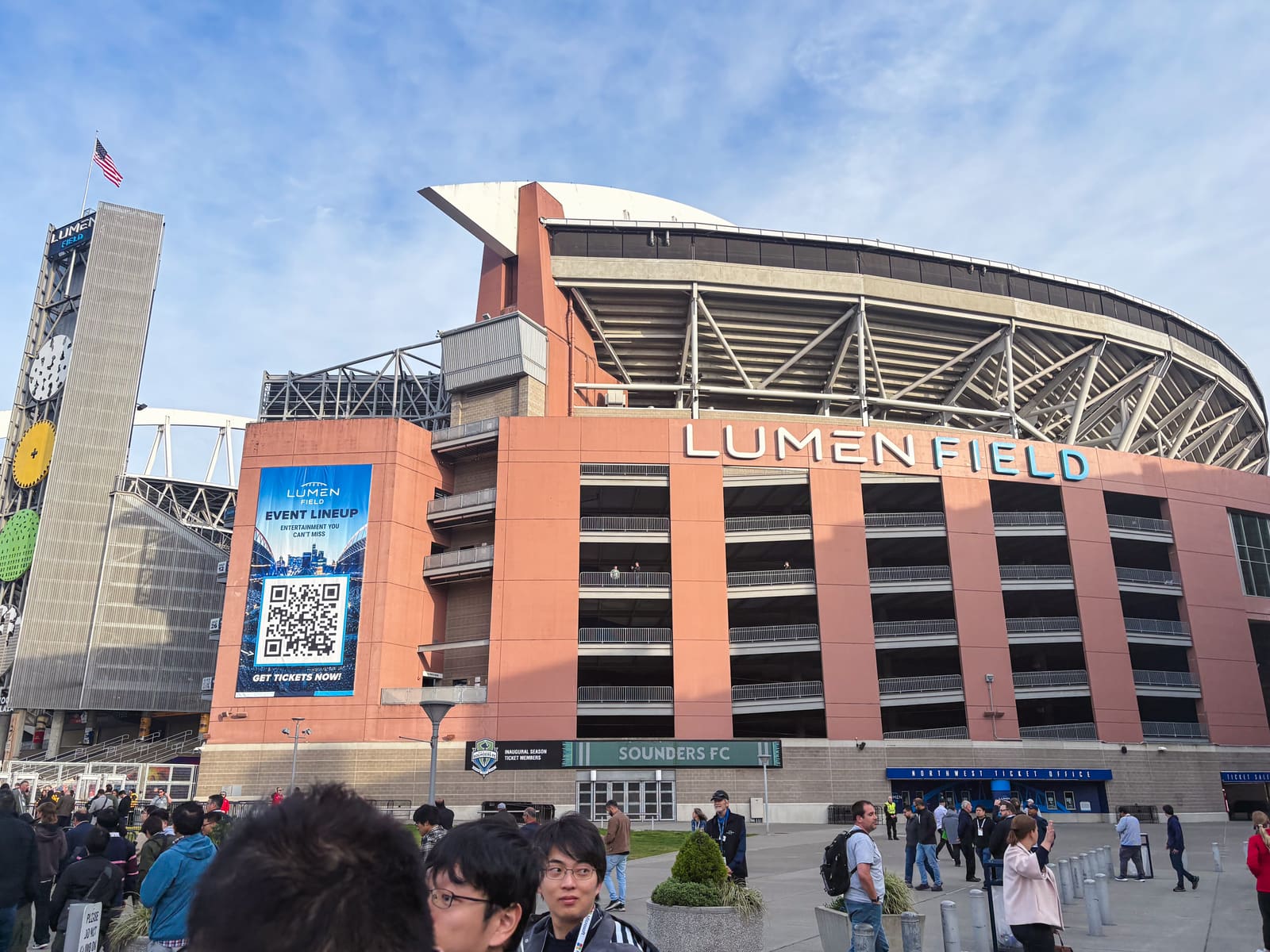
The Microsoft Build 2025 Attendee Party was held at Lumen Field. Buses ran to the venue from several hotels.
Large bags weren’t allowed, so I took only my smartphone, wallet, and passport. You don’t often get a chance to stand on an American football field, and it was a lot of fun.
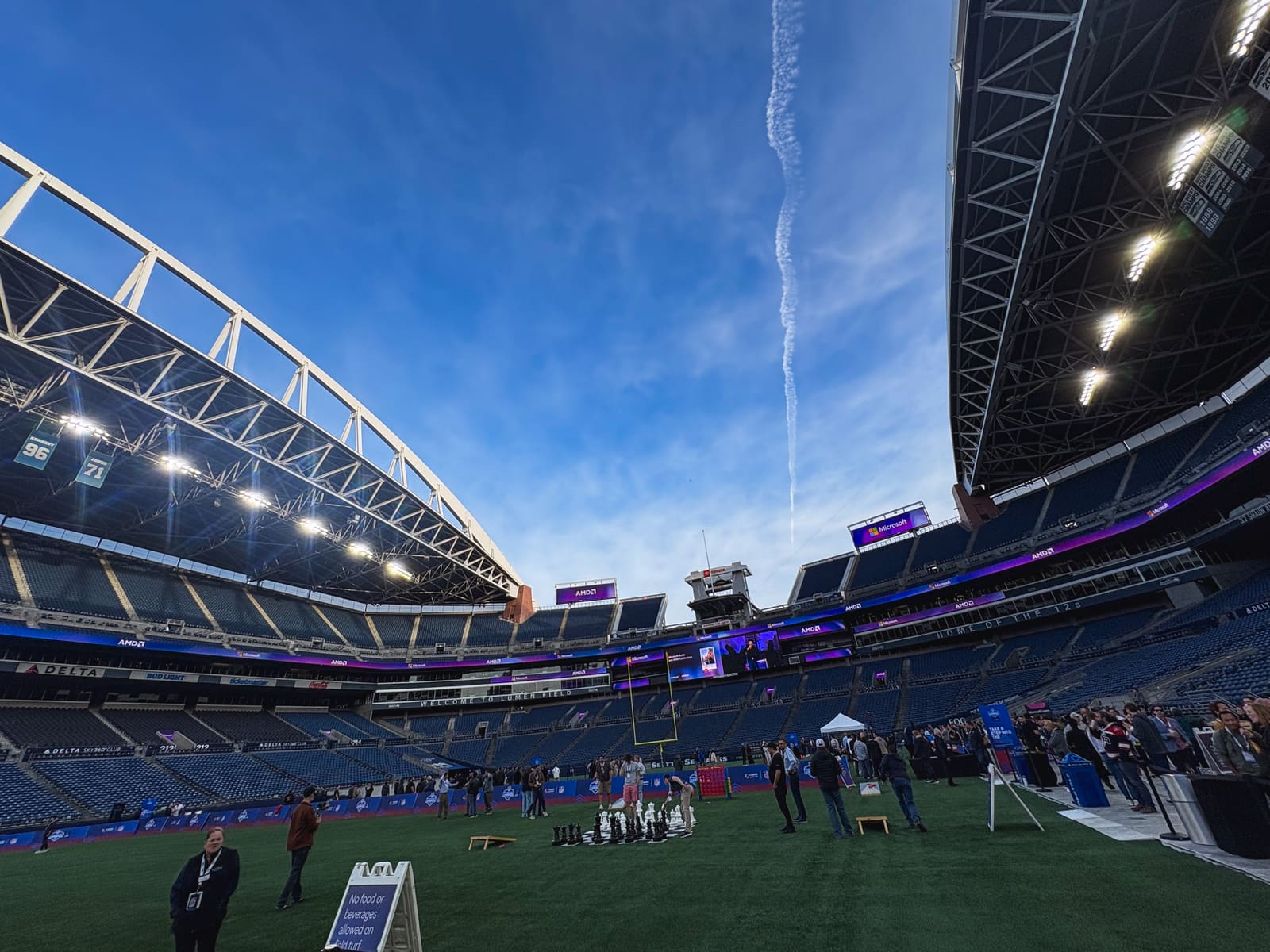
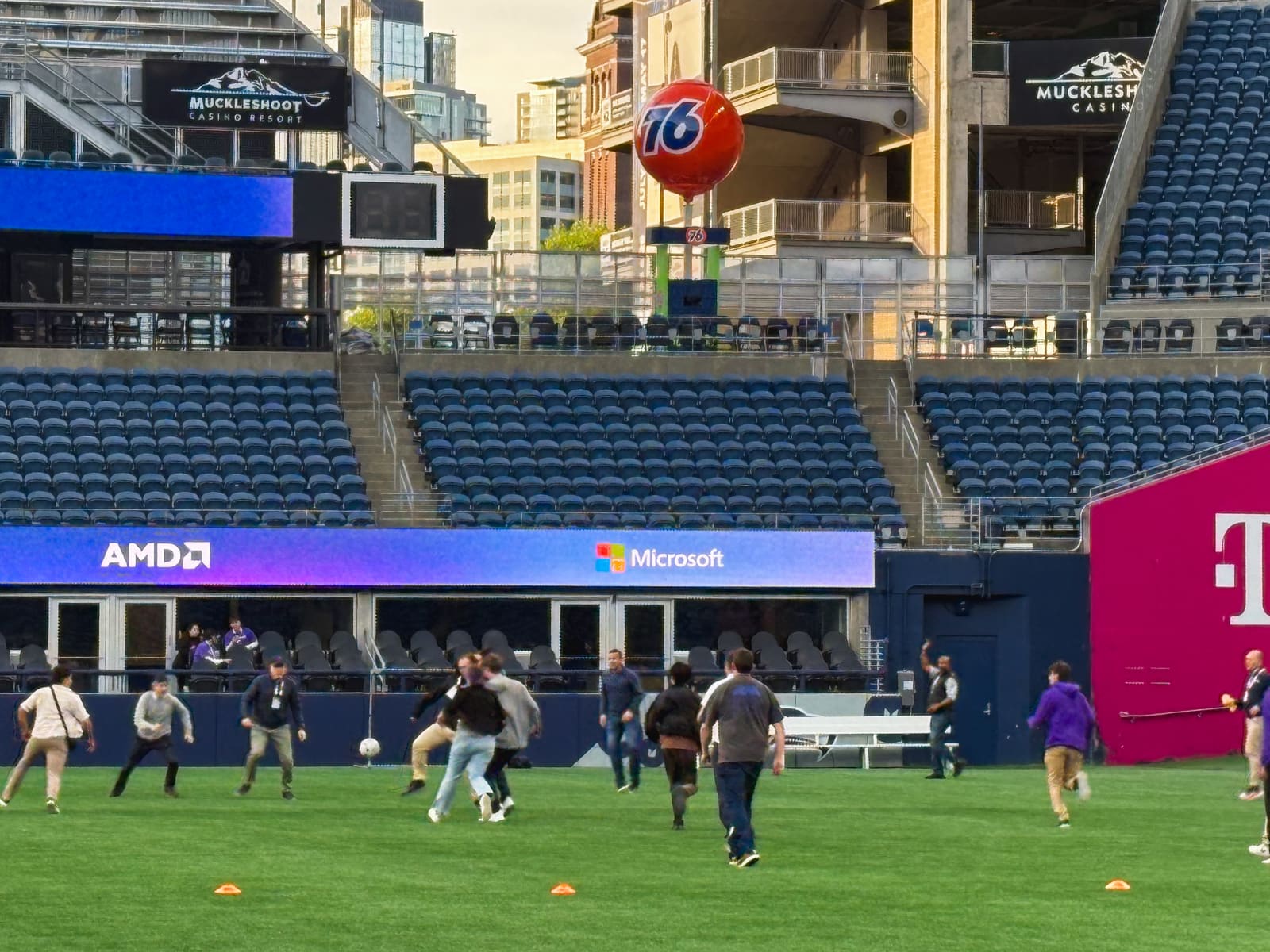
I also tried kicking an American football. I didn’t know what to call it and referred to it as a “free kick,” but I think it was a field goal attempt.
Afterward, we played soccer on the field. Exercise is rough when you’ve been drinking.
Visiting the Microsoft Campus
Sessions ended in the morning on May 22, the final day. Afterward, a Japanese-language wrap-up session for partner companies visiting from Japan was held at the Microsoft campus in Redmond.
Starting with Microsoft Ignite 2025, the wrap-up became an official session, with recordings published online. At the time of this trip, though, it still felt like a local initiative in Japan.
Since I was on campus, I bought T-shirts and a few other things at the Microsoft Company Store. I think I bought a 50th anniversary T-shirt and later used that as a prize at an Azure Travelers Ehime meetup too.
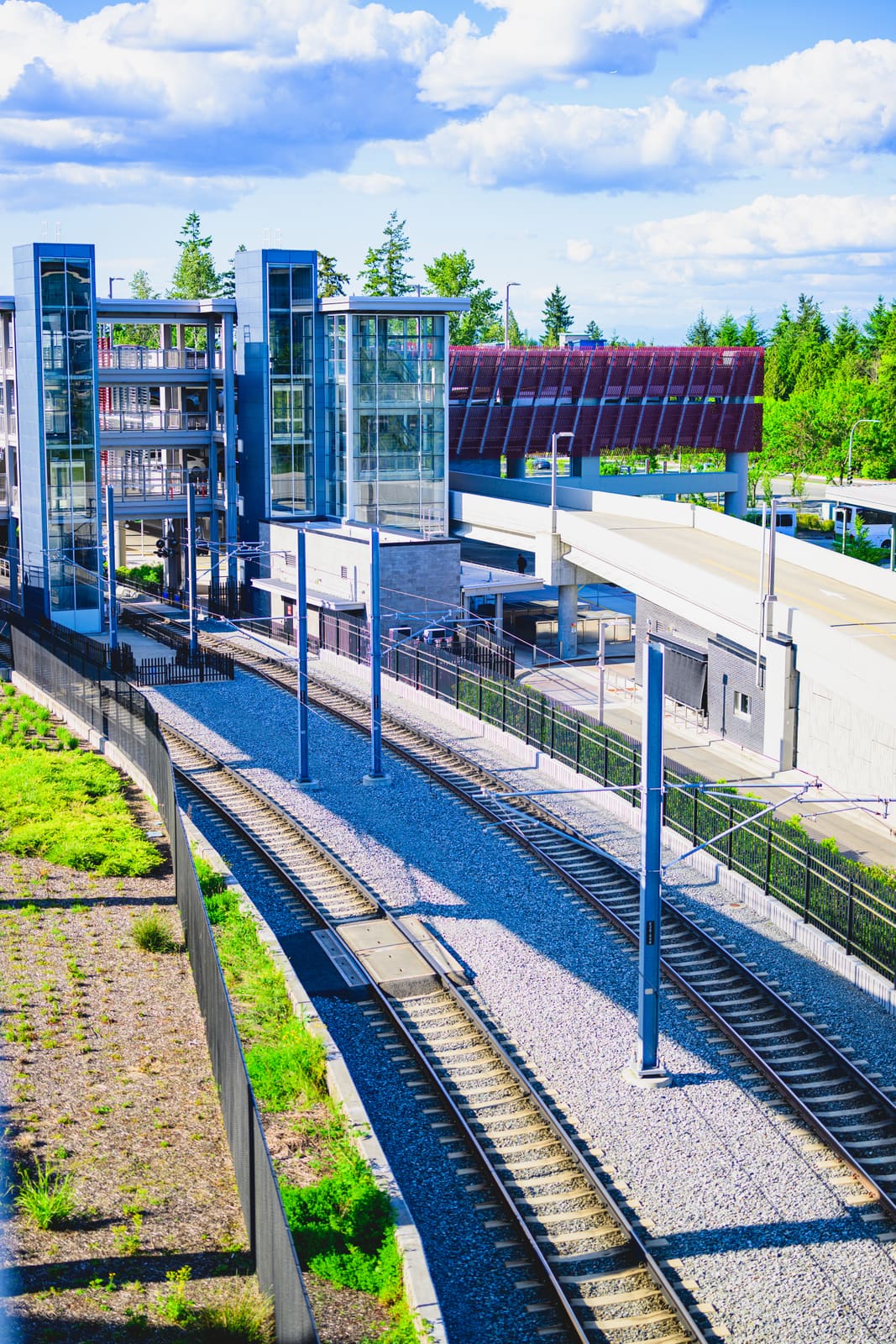
The rail station connecting from the downtown side was already complete. Next time I’m in Seattle, I’d like to take the train to campus.
Exploring Seattle on Foot
Before and after Build, I carried my camera around downtown and along the waterfront.
Lime electric scooters were scattered around the streets, while unusual drainpipes, the monorail, police cars, and buses kept catching my eye. In front of the Seattle Art Museum, the enormous Hammering Man kept swinging his arm.
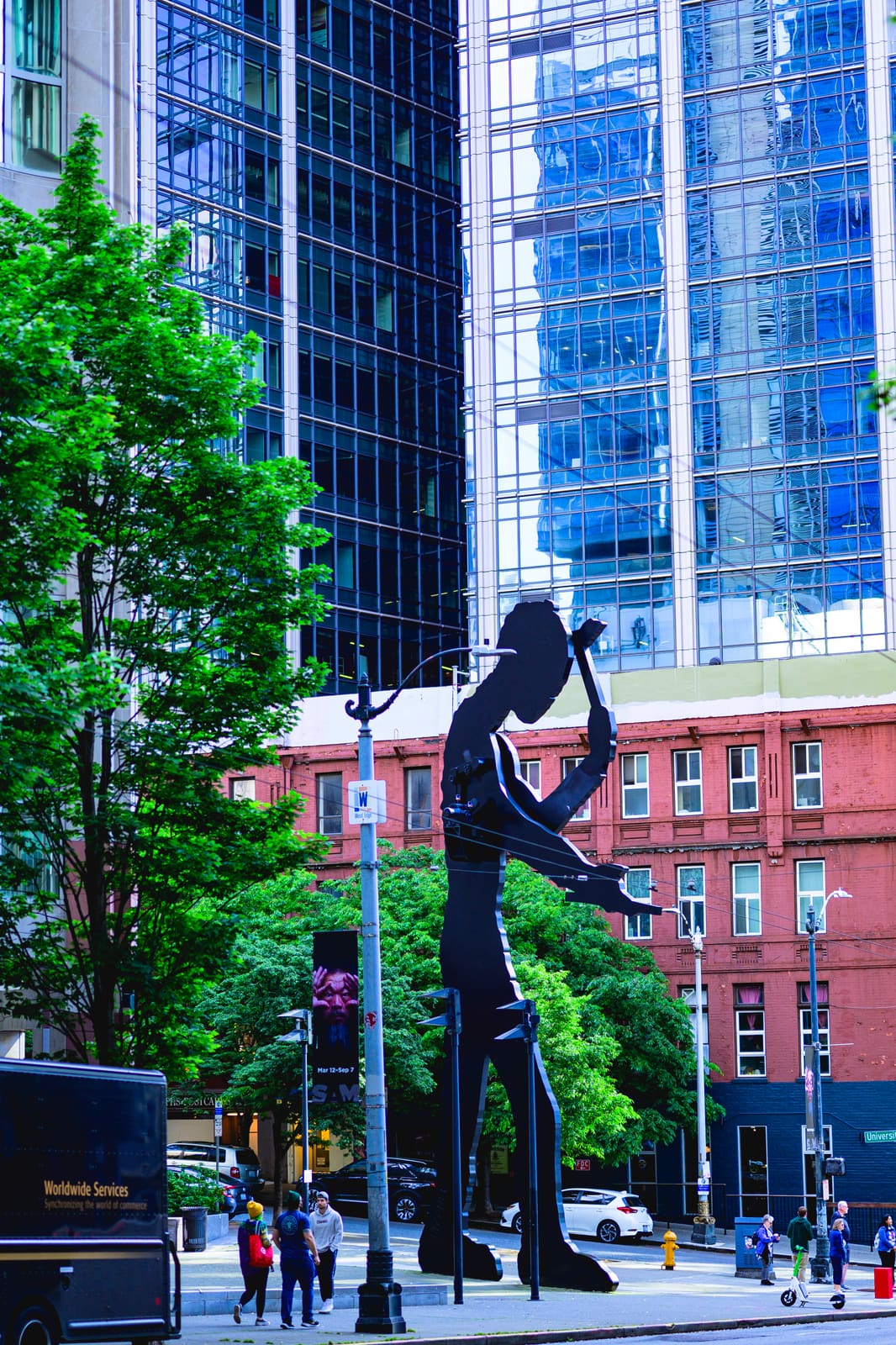
The greenery looked beautiful as I walked, and the Space Needle kept peeking out between buildings. I took the bus quite a bit too. Still, why does steam rise from the streets in American cities?
Victor Steinbrueck Park
Victor Steinbrueck Park offers views of Elliott Bay, the Ferris wheel, the stadiums, and many other sides of Seattle.
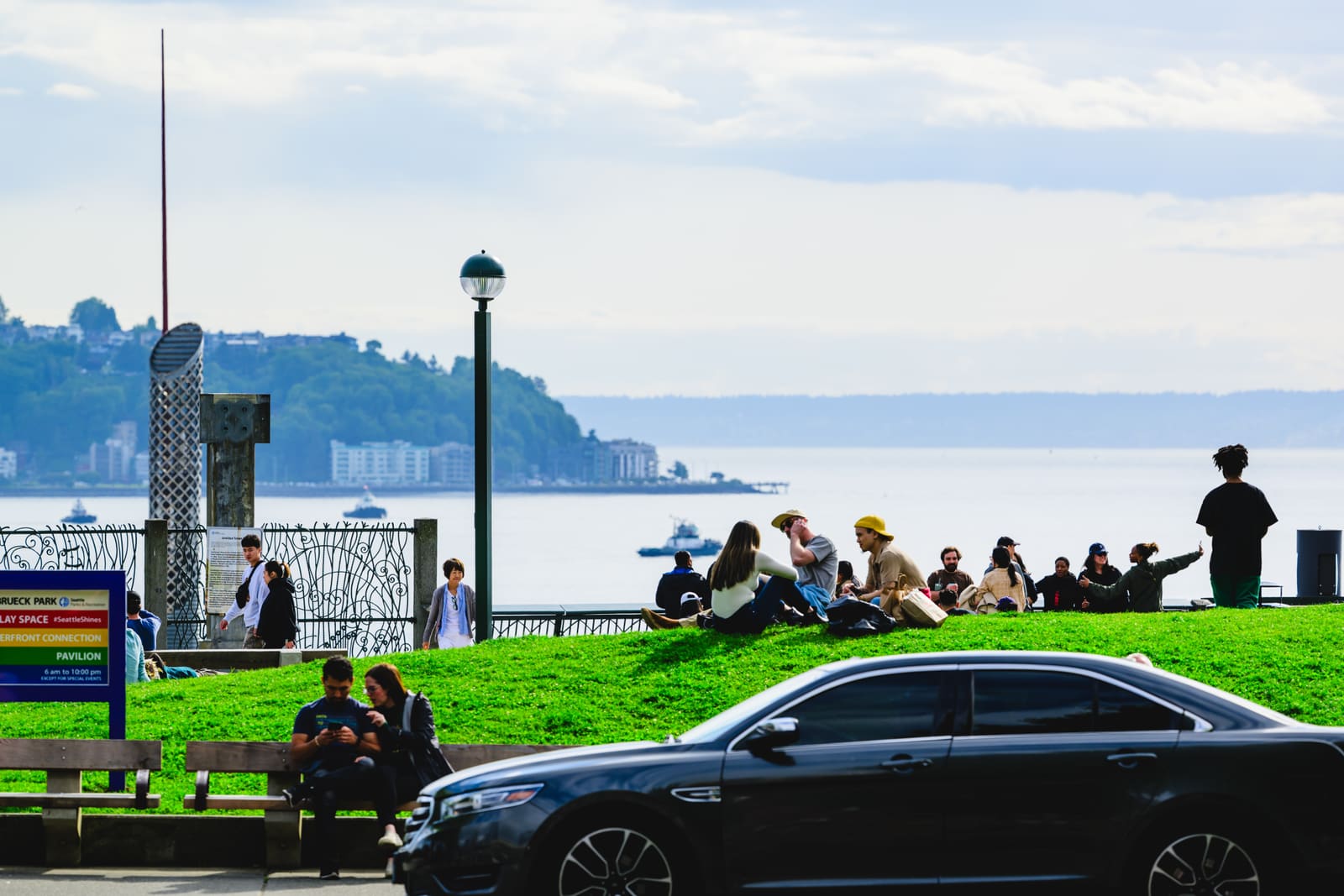
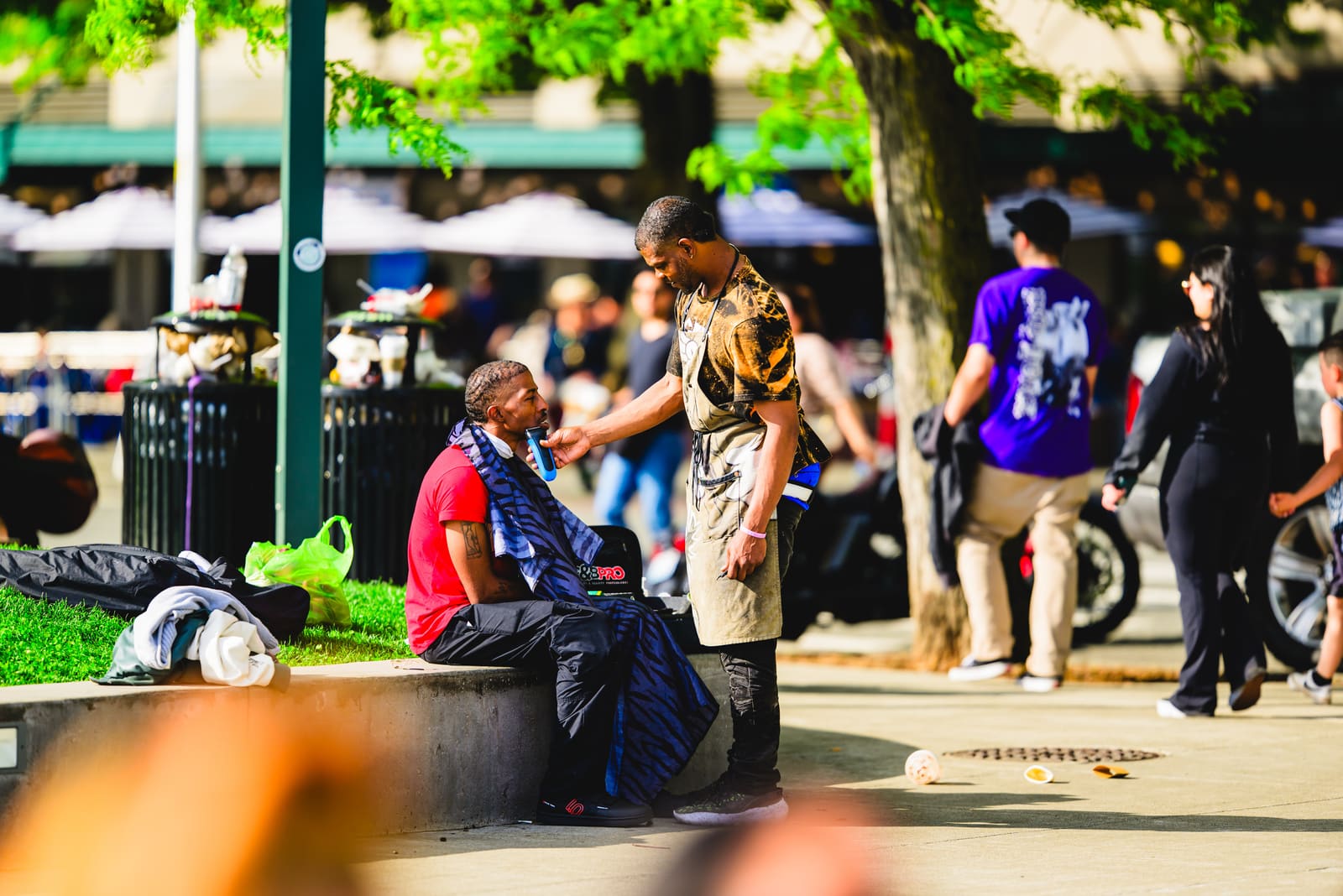
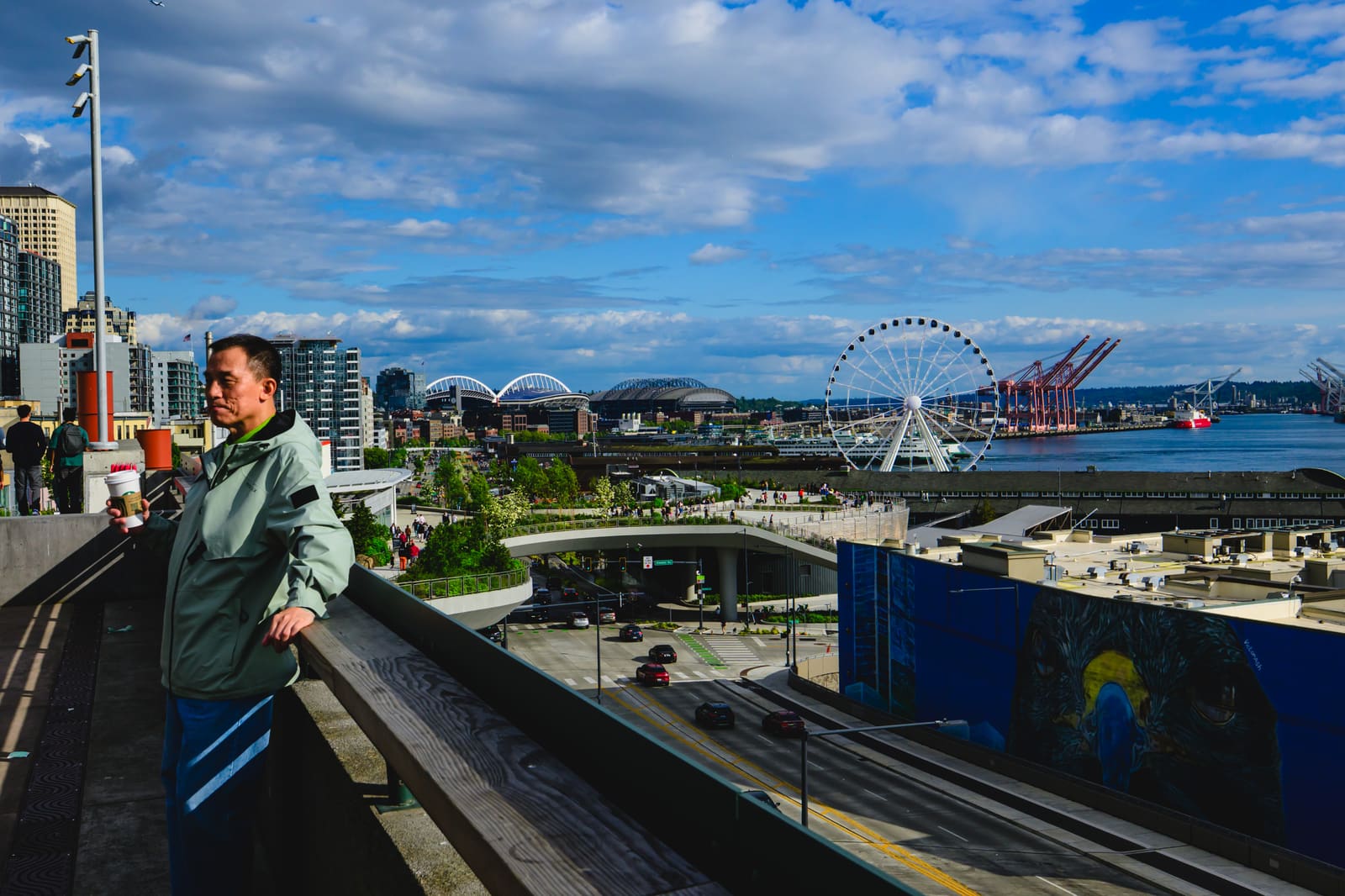
People in the United States really do love gathering on the grass, don’t they? I also saw a barber cutting hair on the street, which was quite a surprise.
The Alaskan Way Viaduct, which looked like a disused elevated highway, once ran all the way between the park and the bay. With it gone, the view toward the waterfront feels much more open.
Pike Place Market and Gum Wall
Pike Place Market is famous for fresh seafood, but for me, it’s just as strongly associated with flowers. I used to see musicians performing on nearby streets, although I didn’t come across any on this trip.
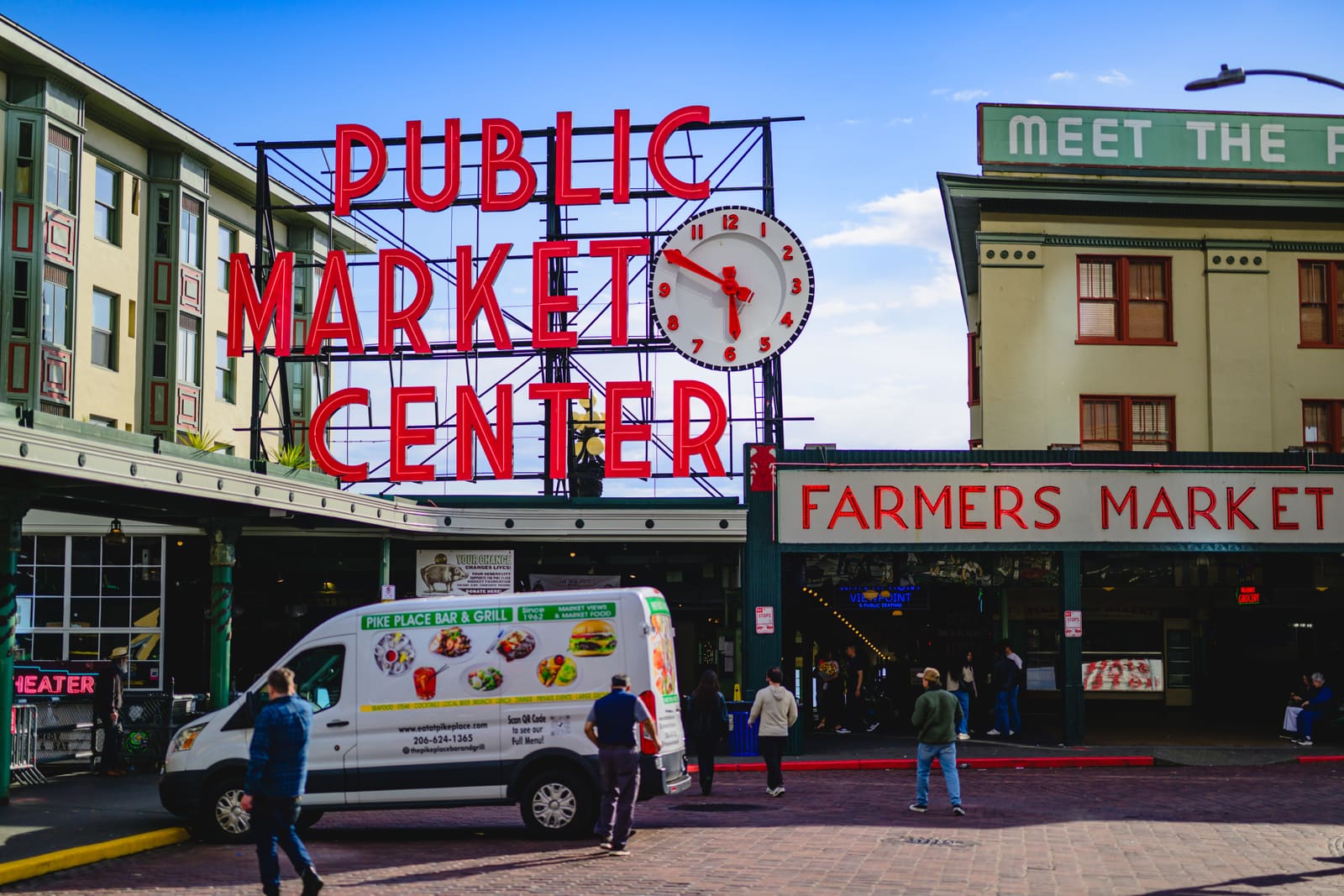
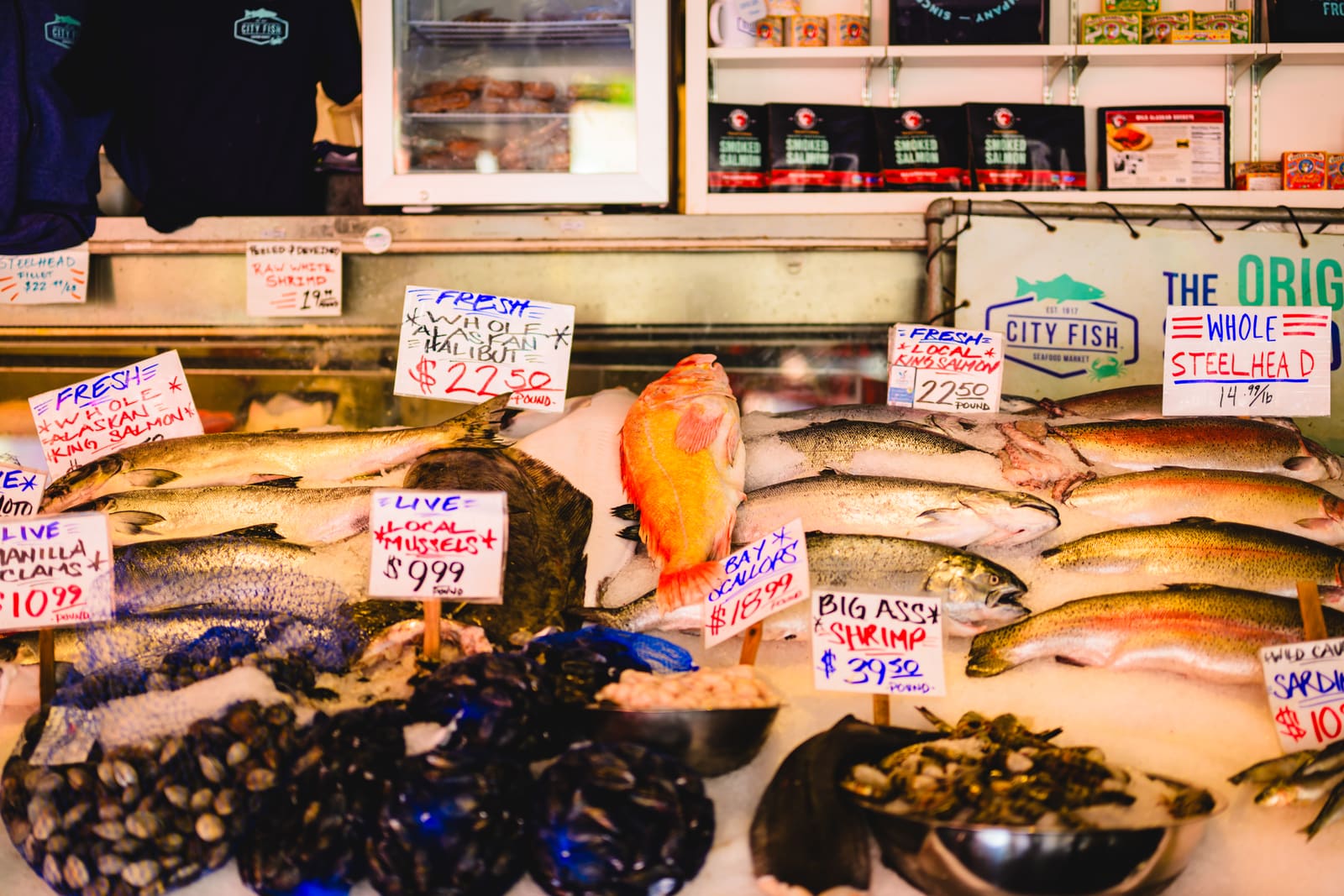
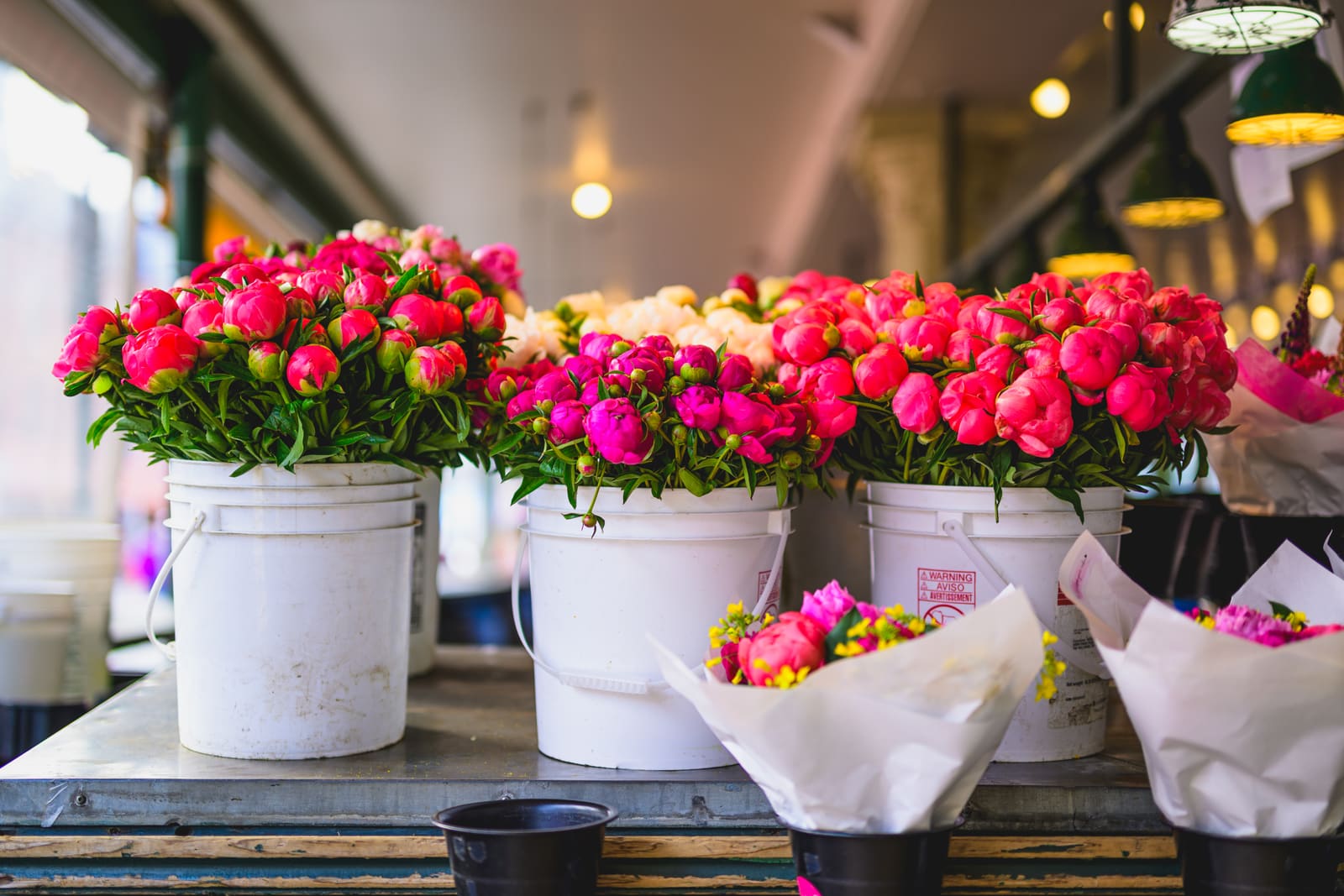
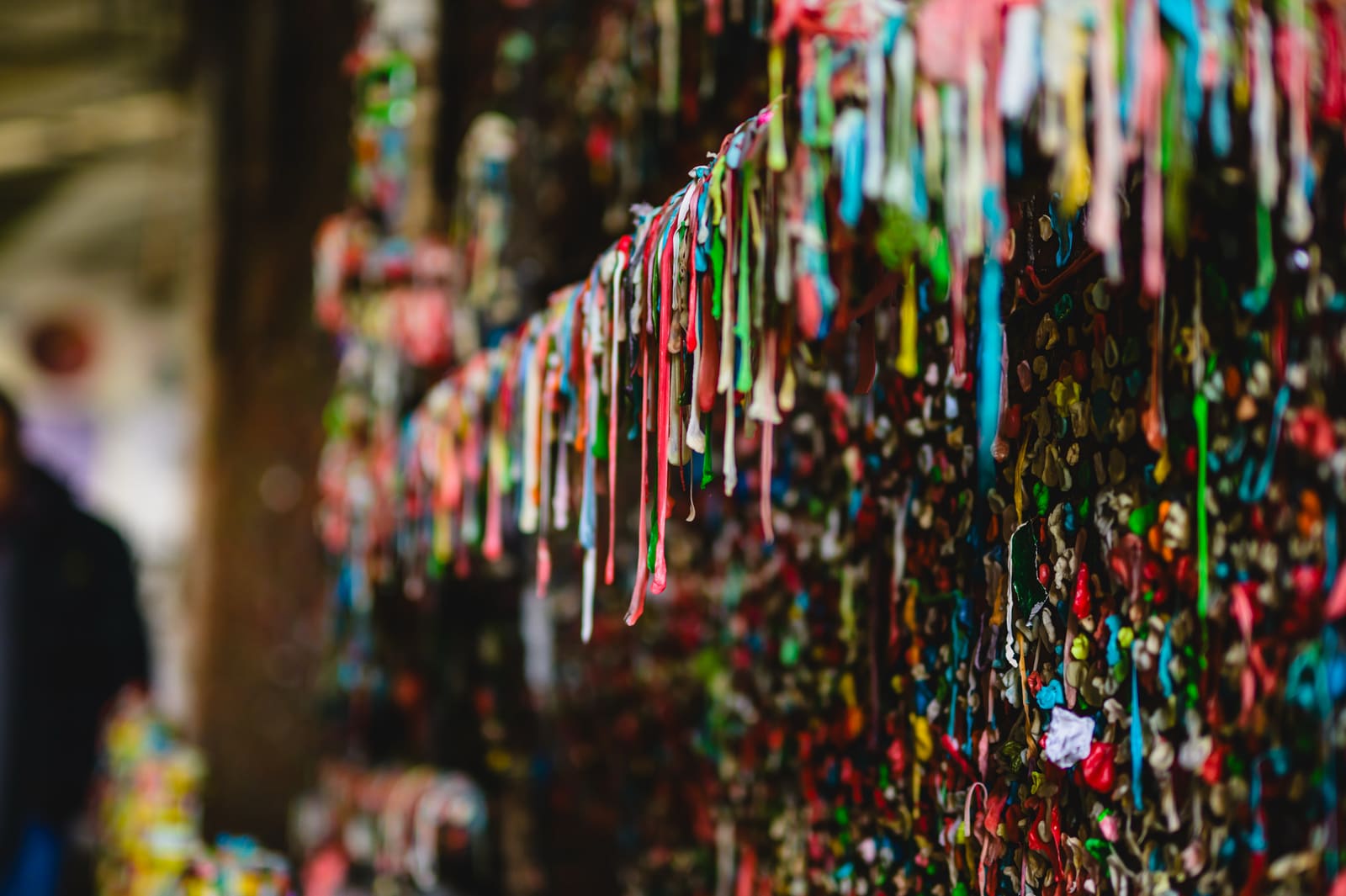
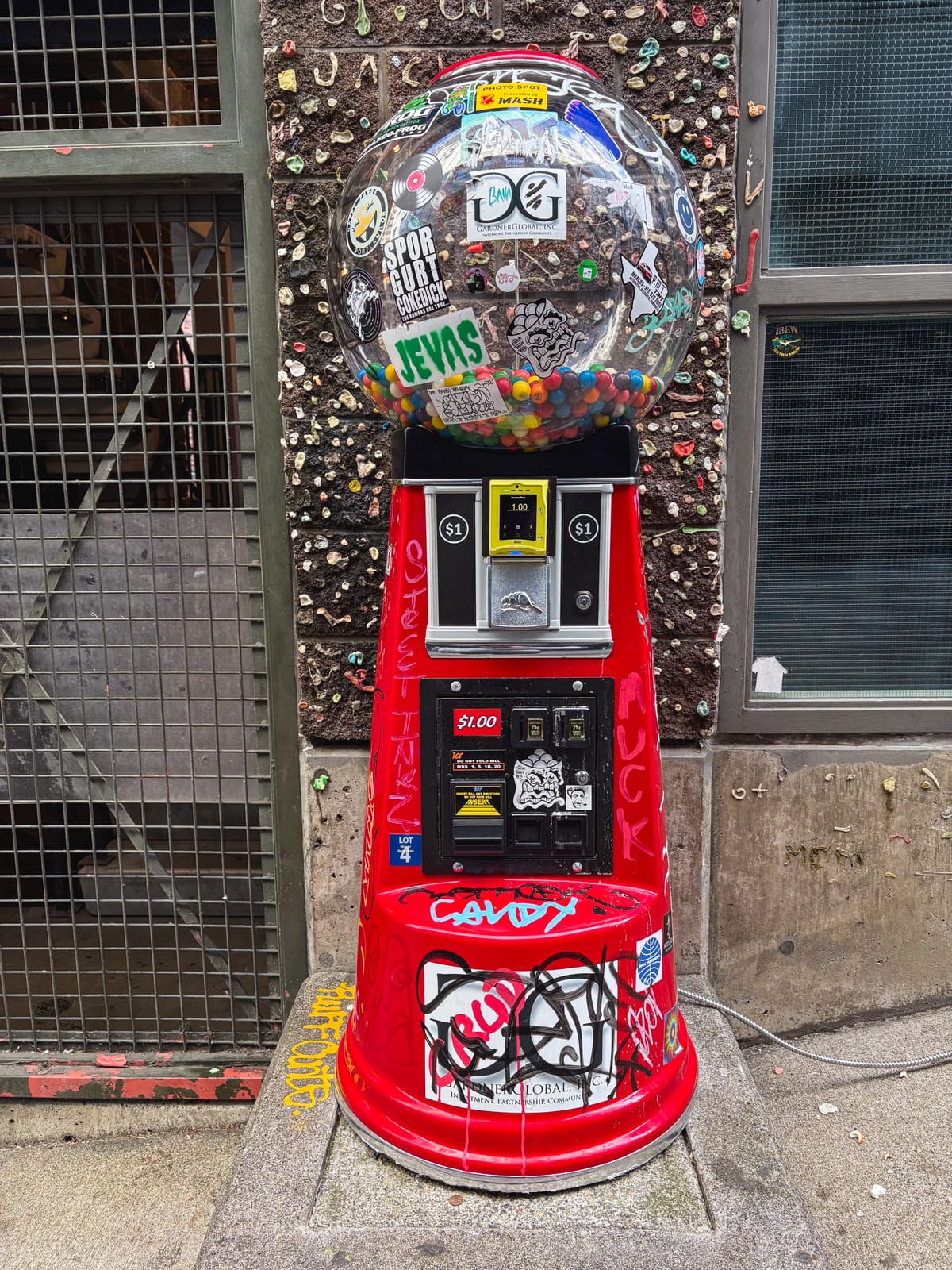
As always, every inch of the Gum Wall was covered in chewing gum. This was the first time I noticed a nearby vending machine selling gum for visitors to add to the wall.
Waterfront Park
Waterfront Park is home to the Seattle Aquarium and the Seattle Great Wheel, and the downtown skyline looks beautiful from the water’s edge. At night, the Ferris wheel glows beside the bay, giving the area a different atmosphere from the daytime.
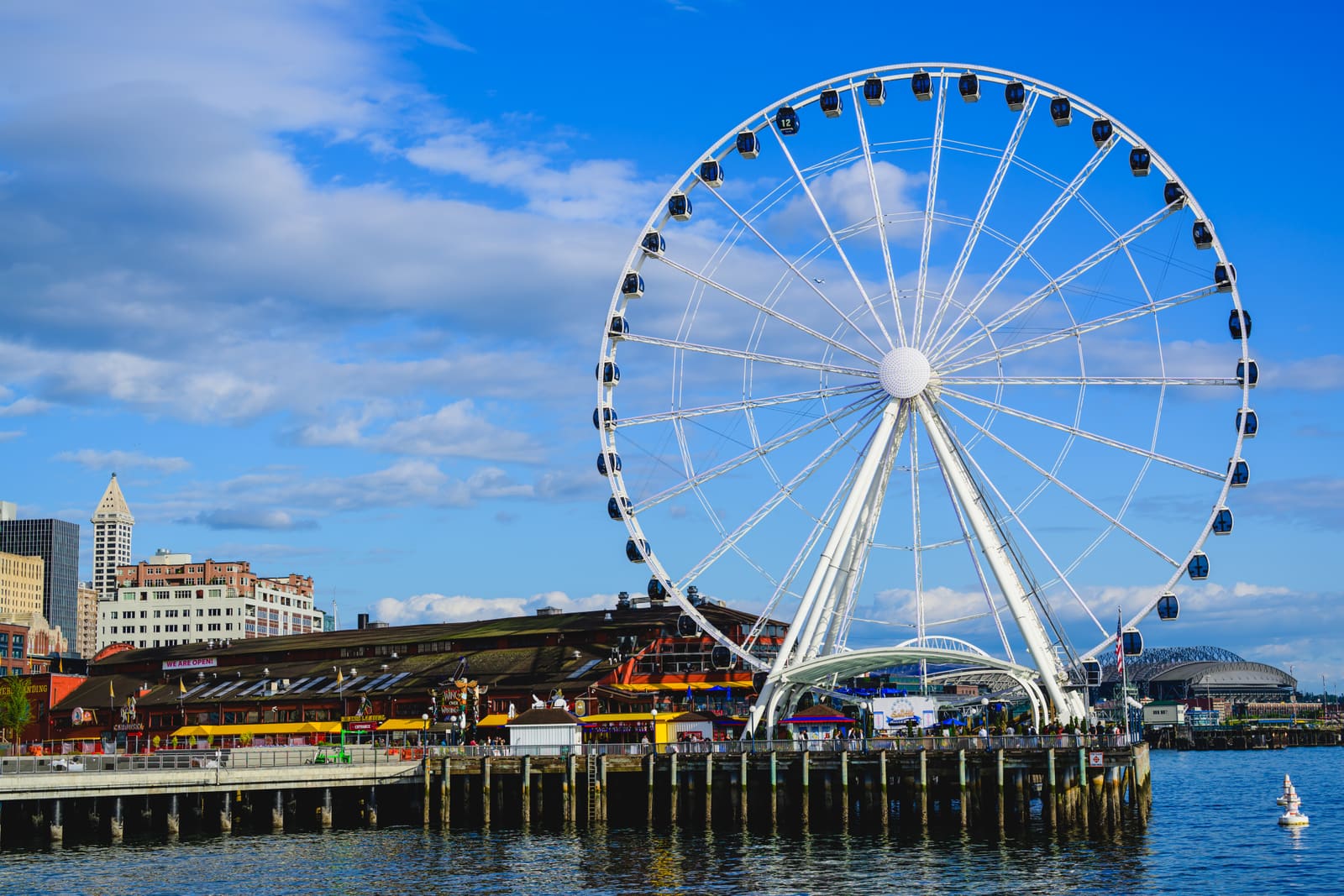
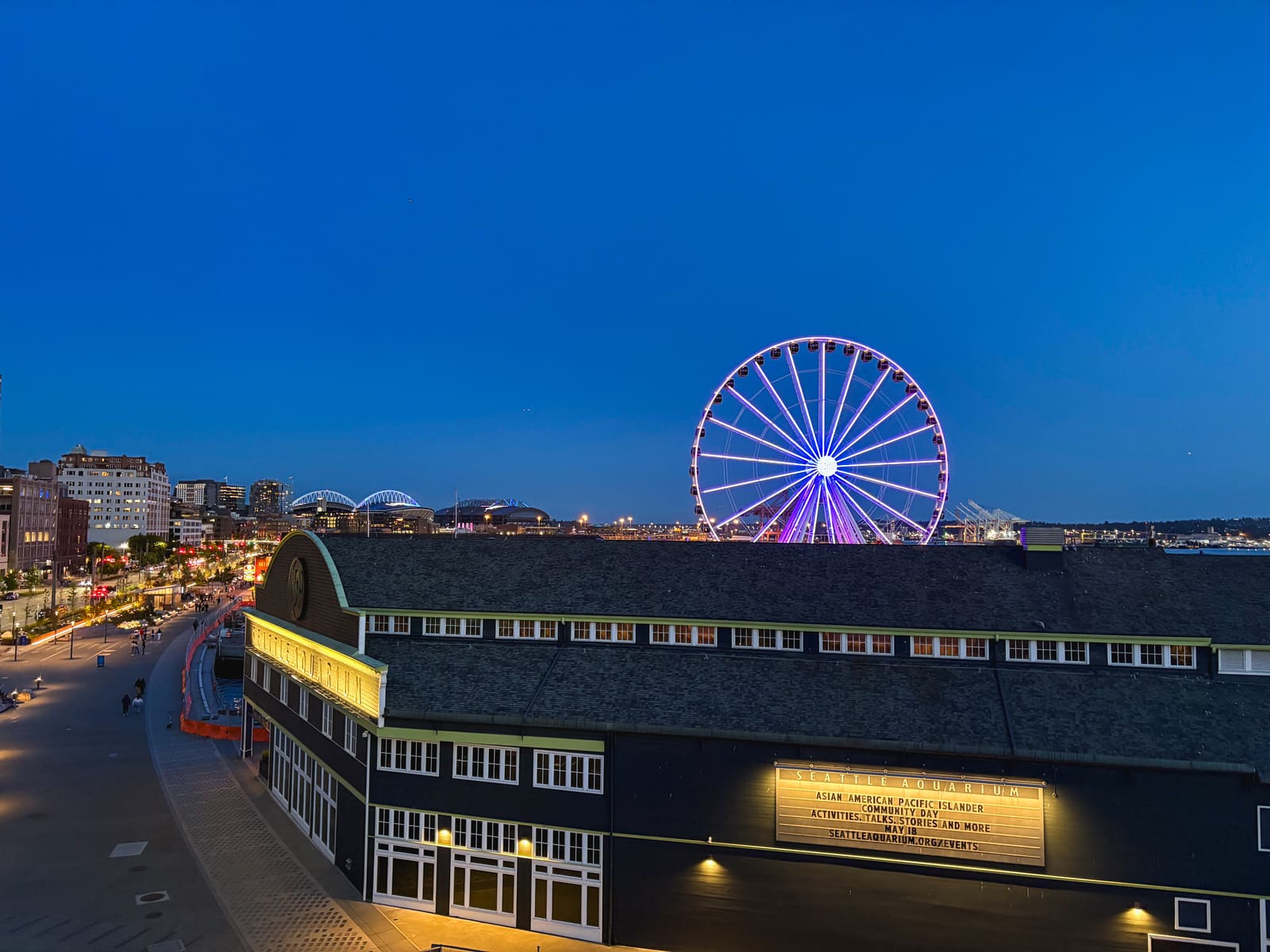
There were plenty of other people with cameras in this area, and several commented on the size of my lens. The security officer at SeaTac had done the same. Maybe people in the United States just like big lenses.
The first Starbucks and the Reserve Roastery
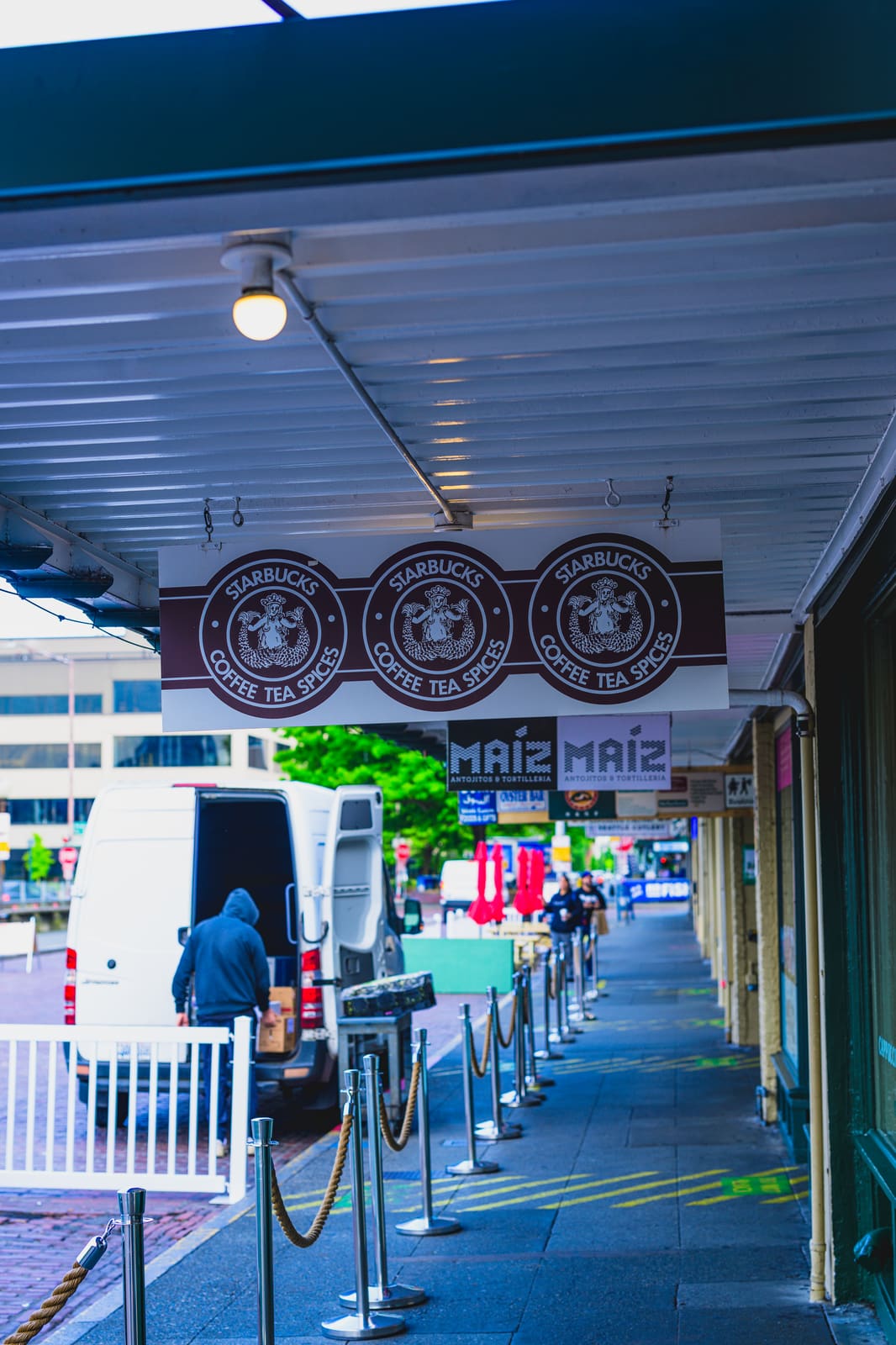
The Starbucks at Pike Place Market usually has a very long line. This time I stopped by on an early-morning walk, before much of a line had formed.
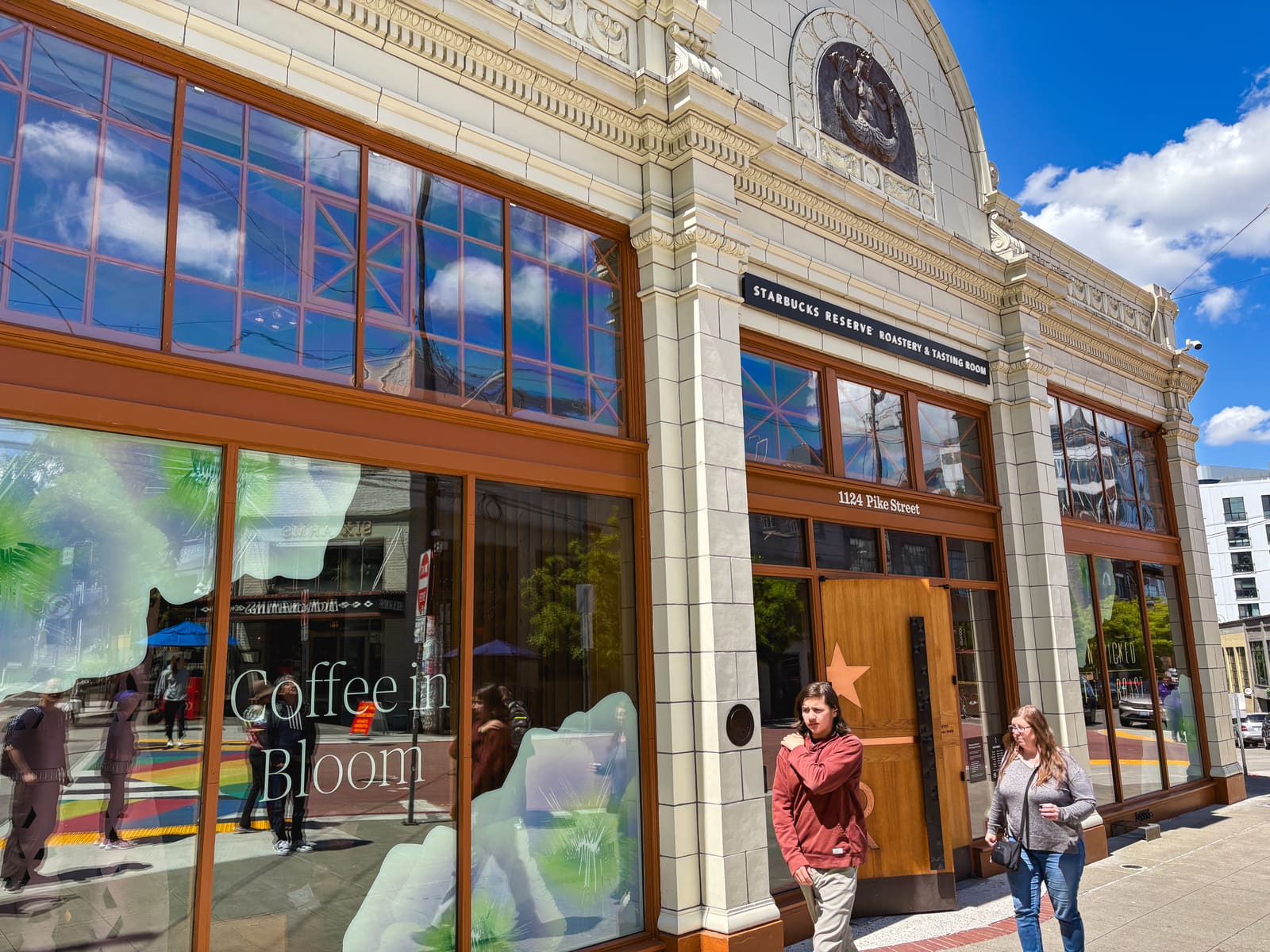
I also stopped by Starbucks Reserve Roastery Seattle. Just looking at the enormous roasting equipment and browsing a menu unlike the one at an ordinary Starbucks was fun.
About the Closure
The store was open when I visited, but it closed on September 25, 2025.
The Museum of Flight and the University of Washington
The Museum of Flight
I took a bus to The Museum of Flight, passing Lumen Field along the way.
Both buses and trains accept ORCA, which makes getting around incredibly convenient. The card handles transfer discounts and connections within the allotted time, so all you have to do is tap when you ride.
A sign at the museum said Microsoft employees received a discount, but it applied only to employees of Microsoft in the United States. My Microsoft Japan employee ID was not accepted.
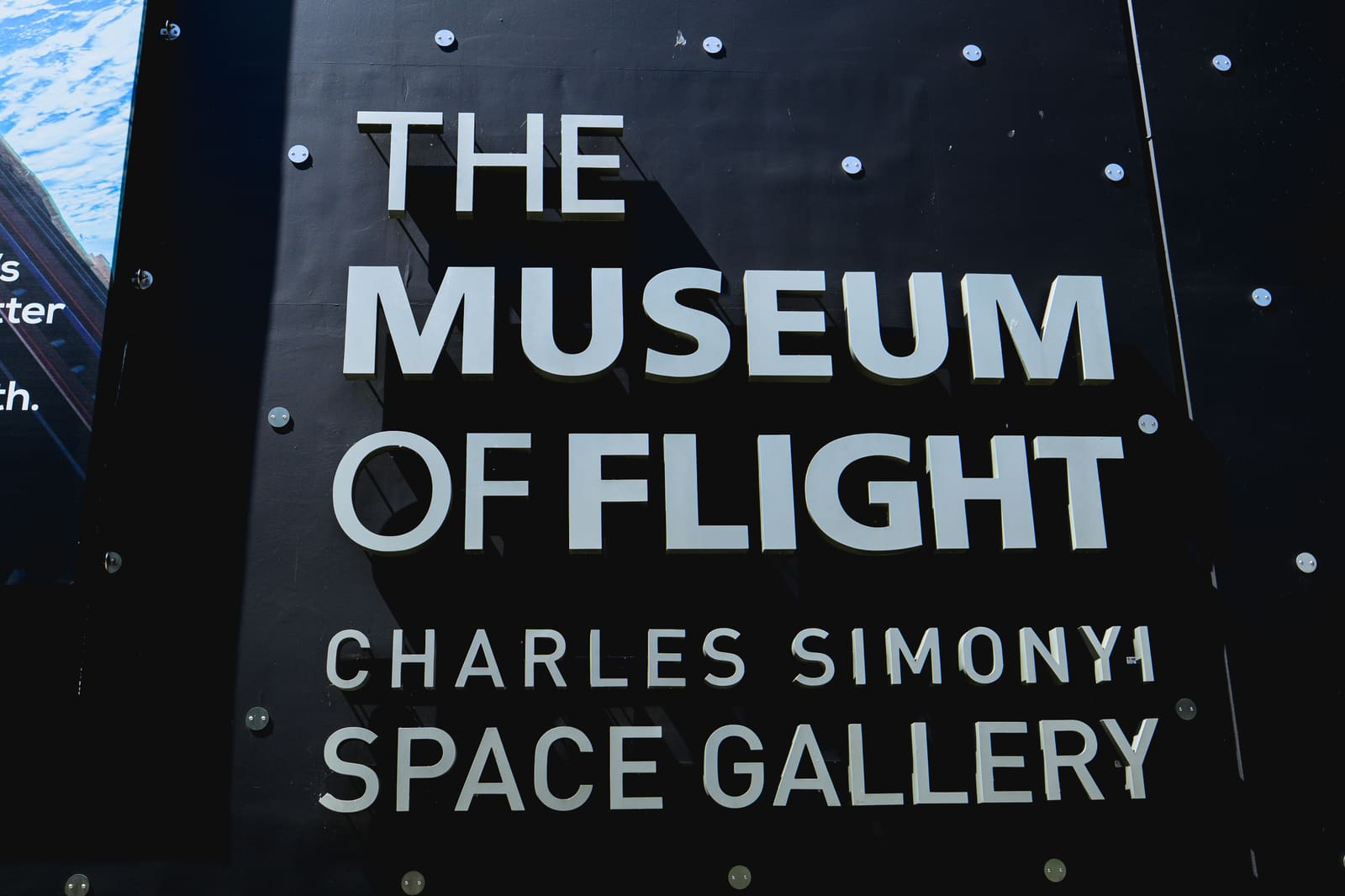
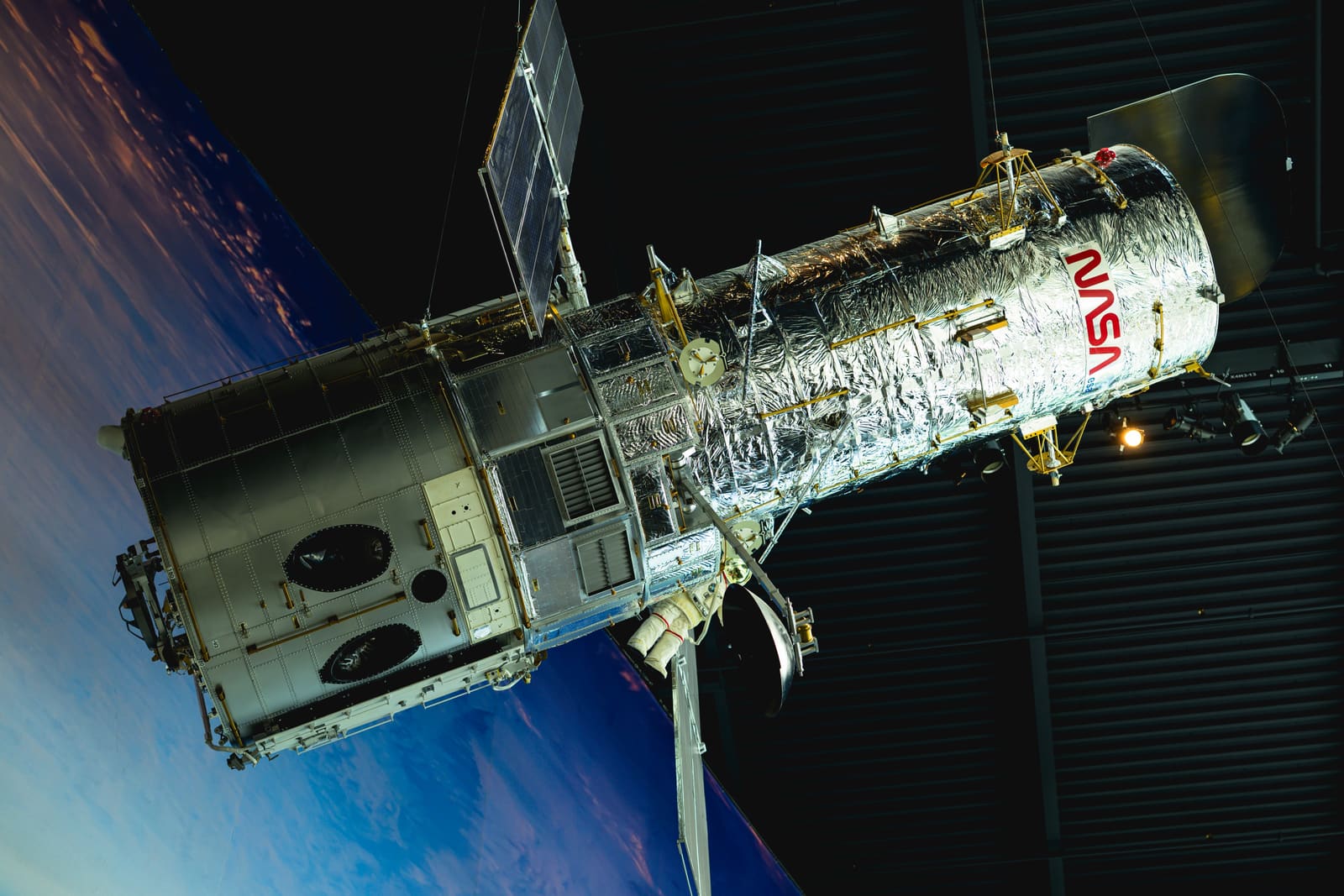
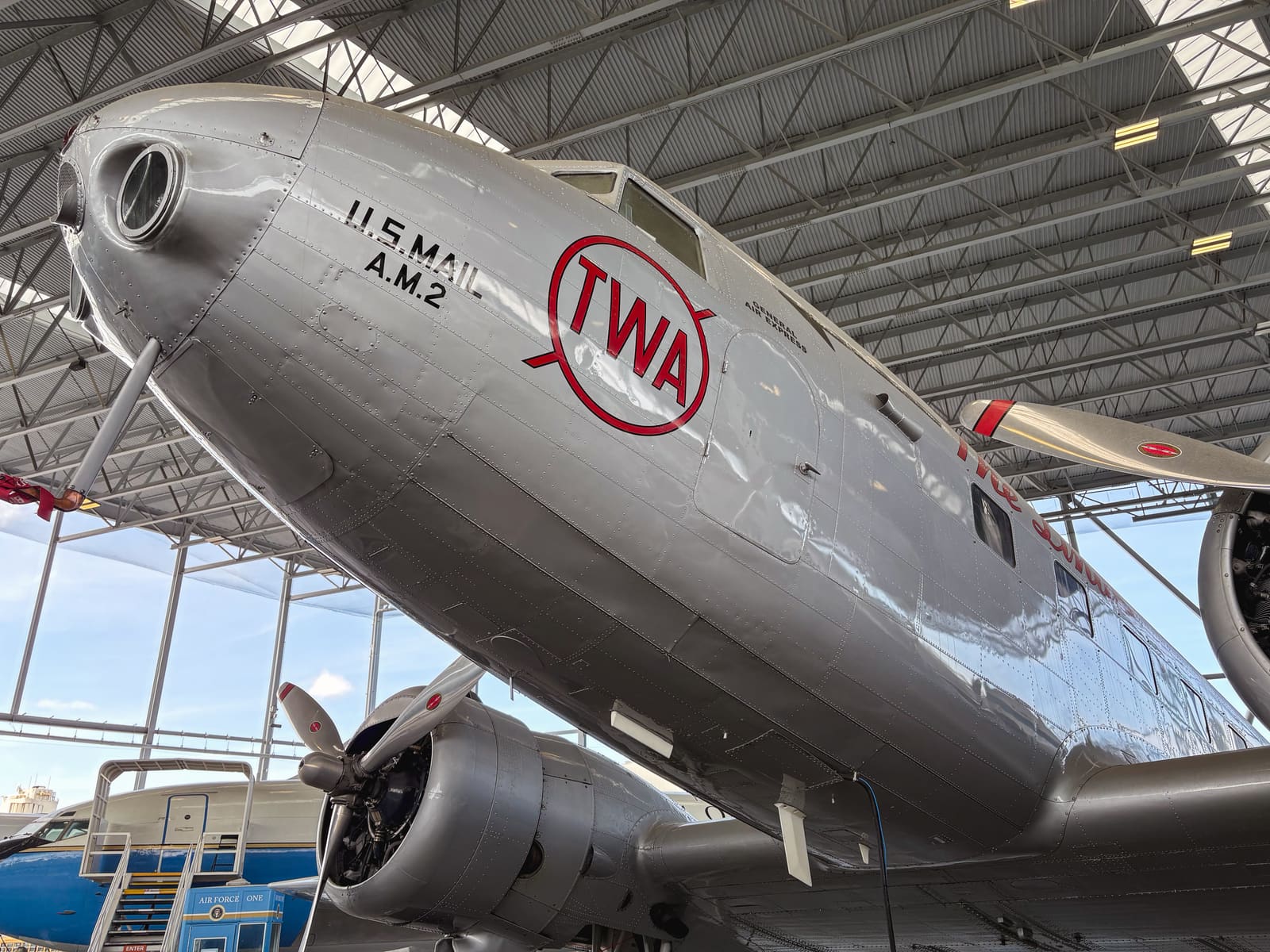
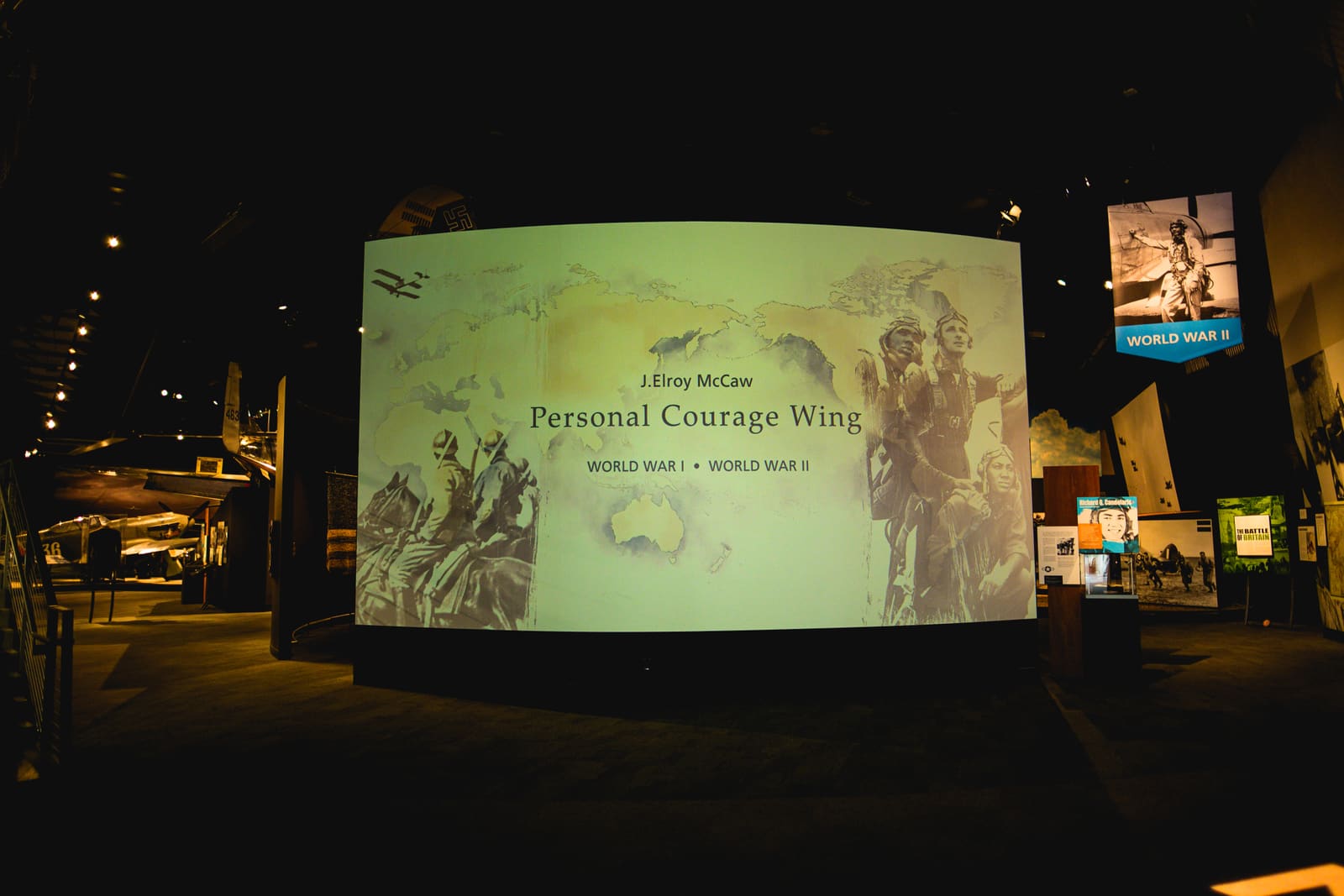
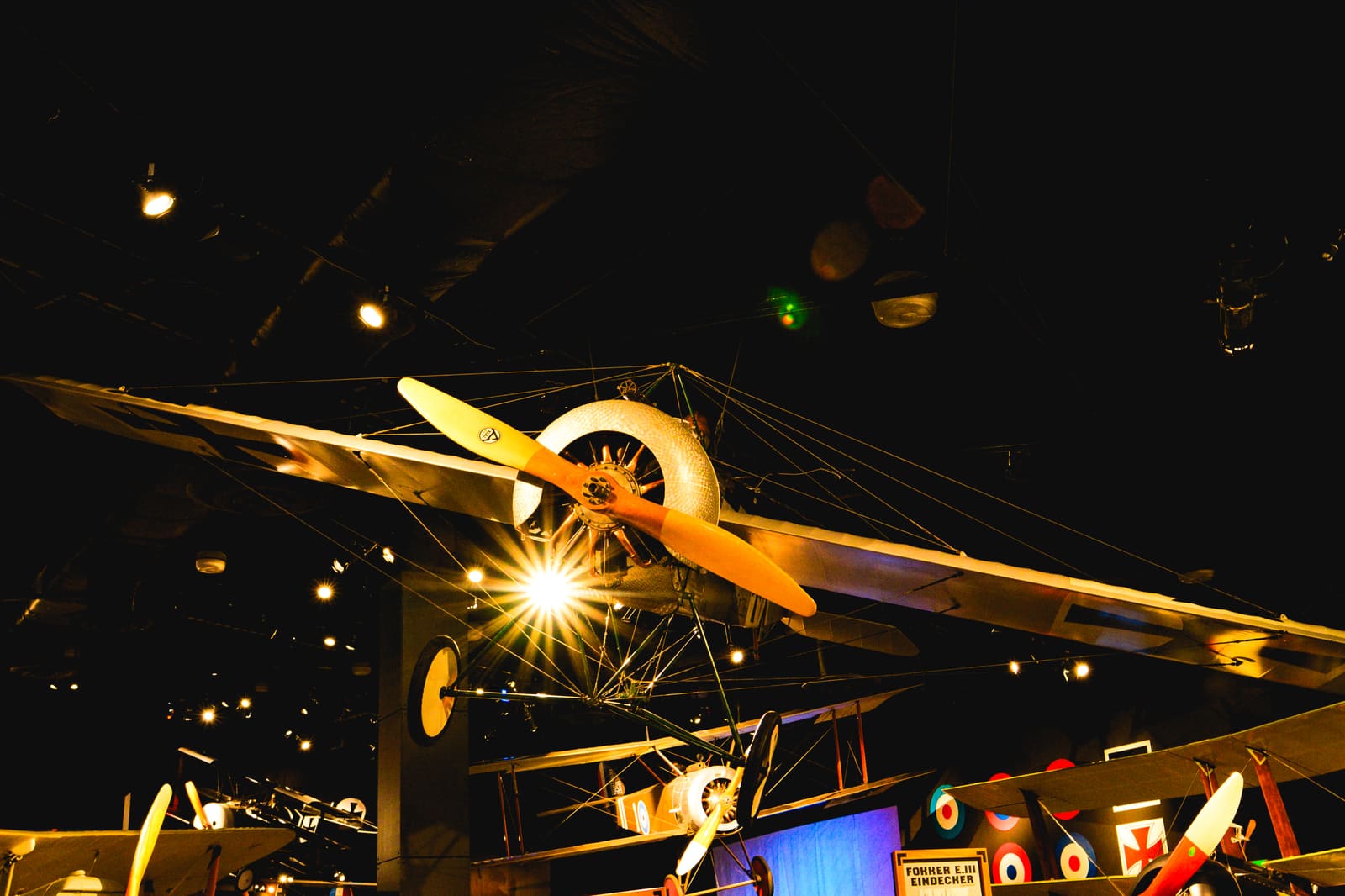
With so many exhibits, from NASA-related displays to aircraft, you could easily spend an entire day there. For boys, it’s the kind of place where the excitement never stops.
Here too, someone with a Fujifilm camera asked me, “What lens is that?”
University of Washington
The University of Washington has such a great campus atmosphere. Drumheller Fountain is striking, and on a clear day Mount Rainier appears in the distance behind it.
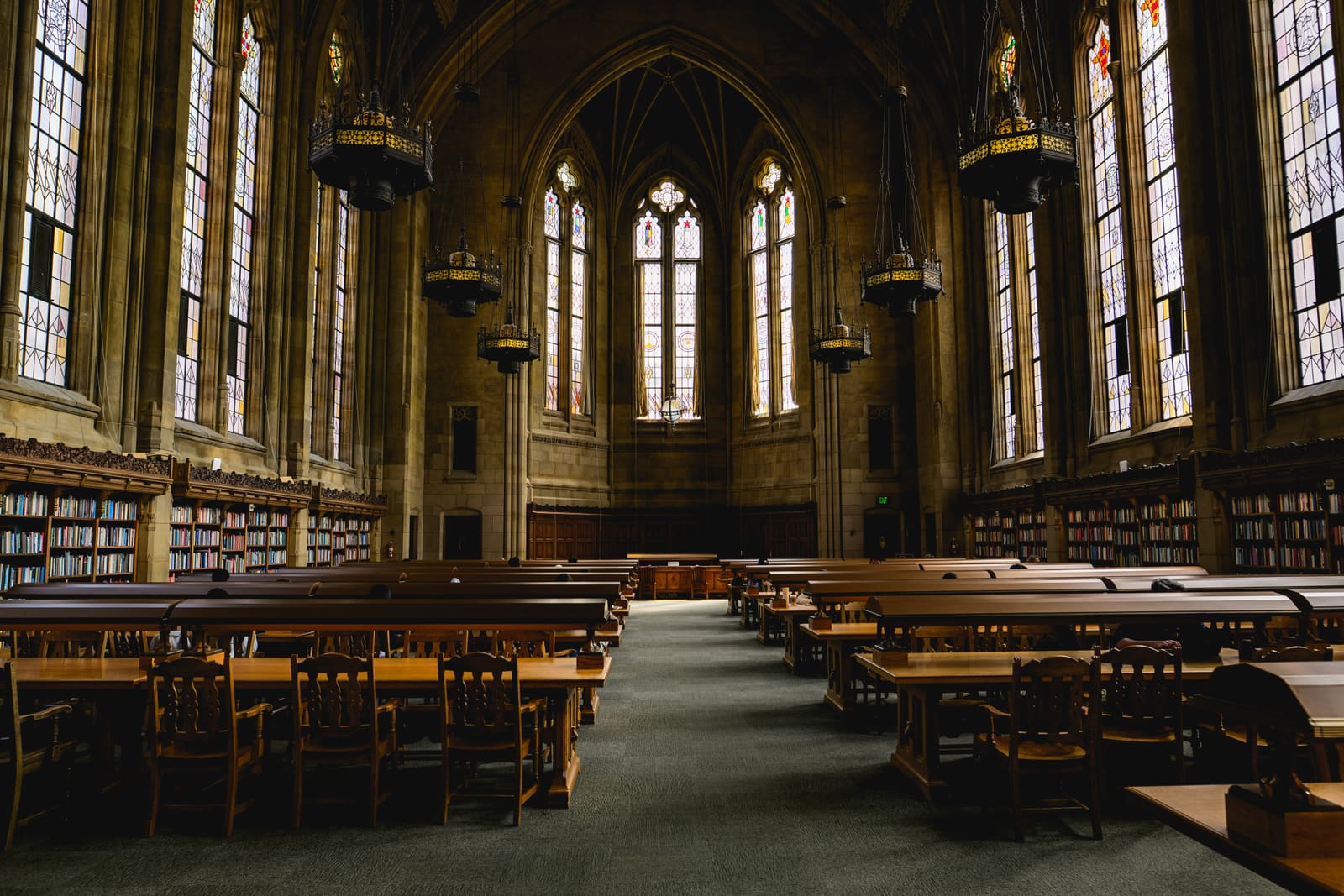
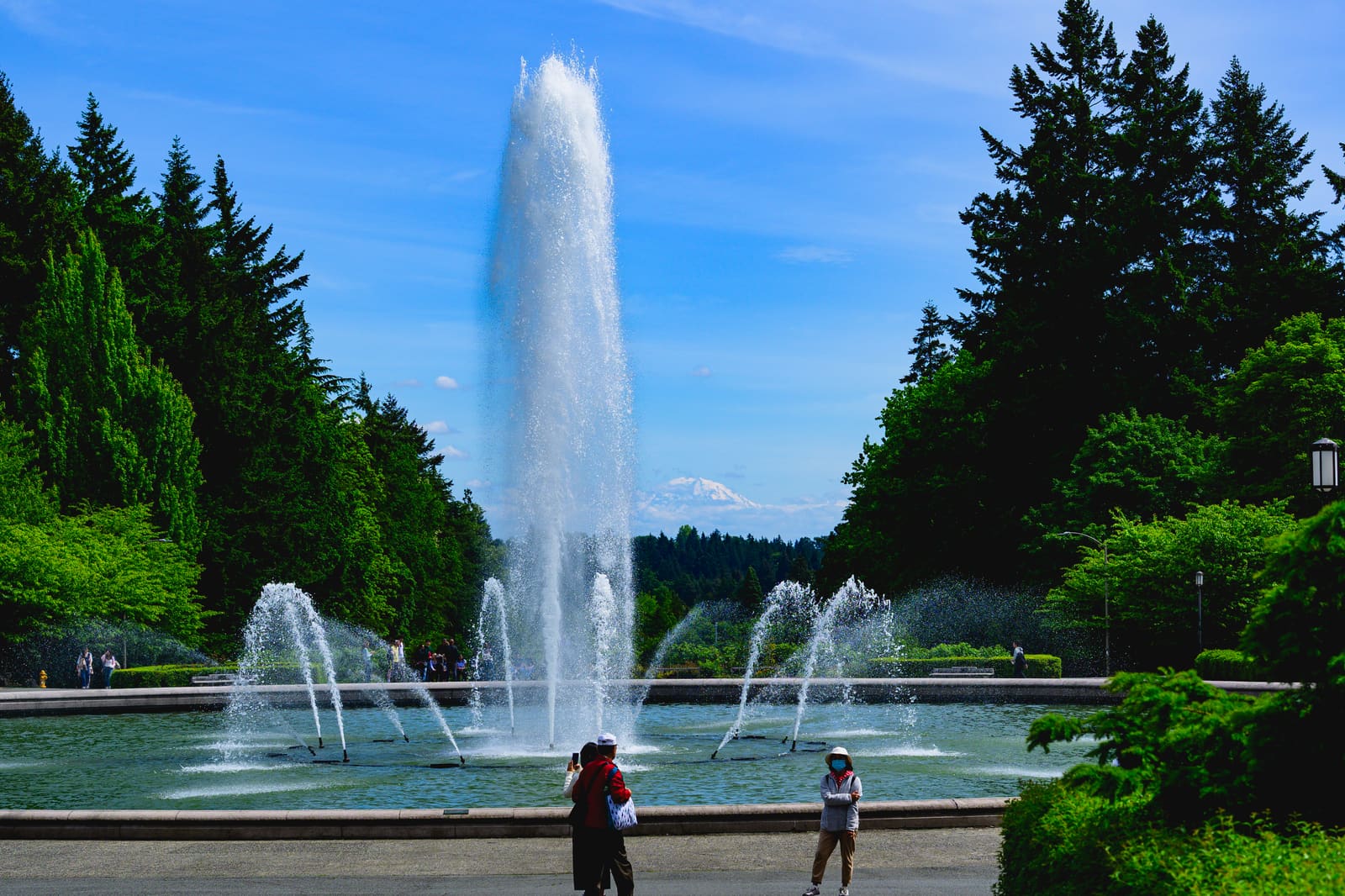
The reading room in Suzzallo Library feels straight out of the world of Harry Potter. Students were reading on benches across the lawn, like a picture-perfect scene of university life.
Near the university, I found a bubble tea shop called TP TEA. I stopped for a break, thinking, “They have places like this in the United States too.”
Fremont, Gas Works Park, and Lake Union
Fremont Brewing’s Urban Beer Garden
Seattle has always struck me as a city with great craft beer. I wanted to visit a brewery, so I headed to Fremont Brewing’s Urban Beer Garden.
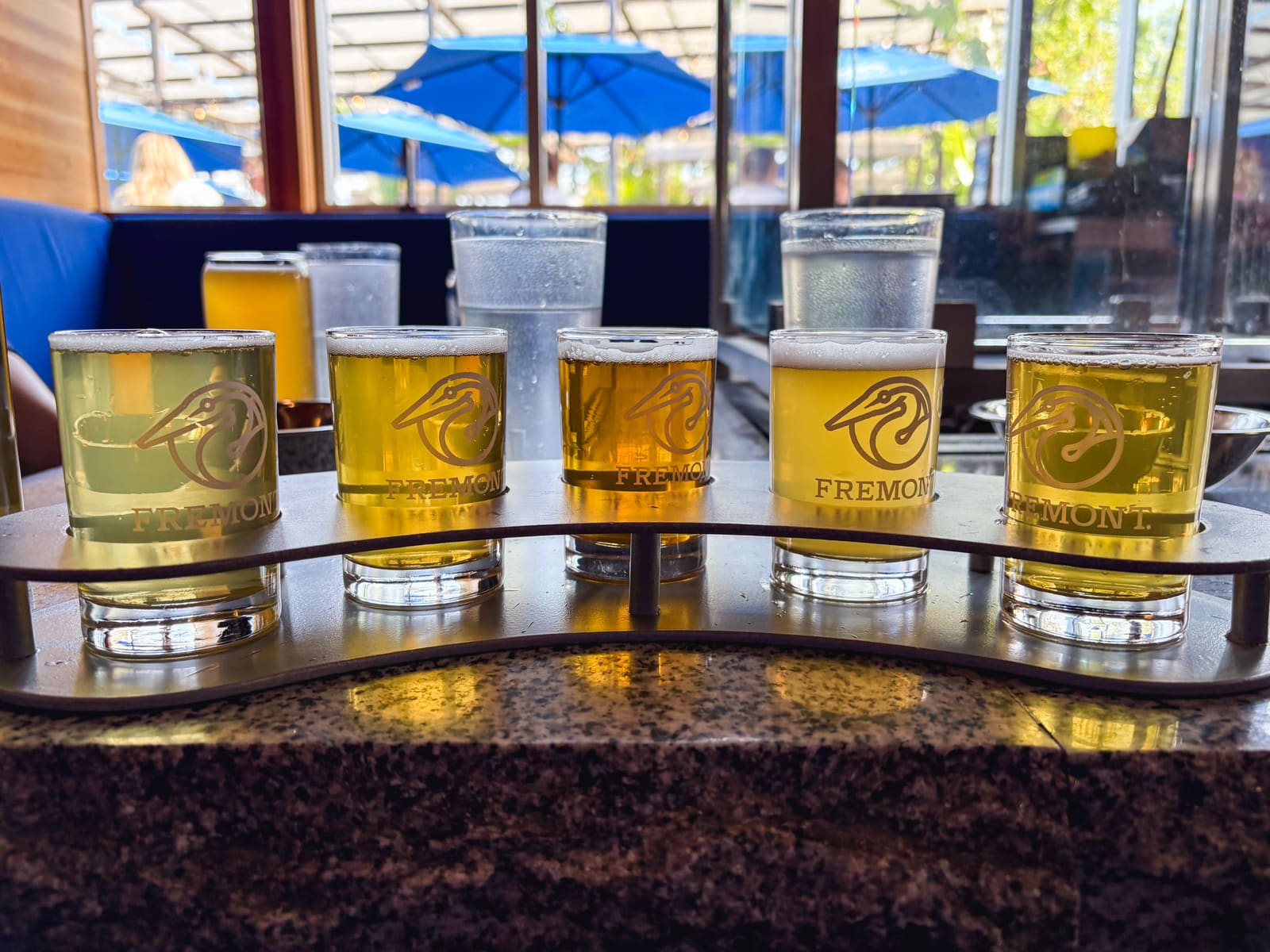
The atmosphere was great, and having beers together in the middle of the day was a lot of fun. I played Jenga for the first time too, and that was just as fun.
Gas Works Park
Gas Works Park preserves the machinery of a decommissioned gas plant. The landscape looked like something from Final Fantasy or Howl’s Moving Castle.
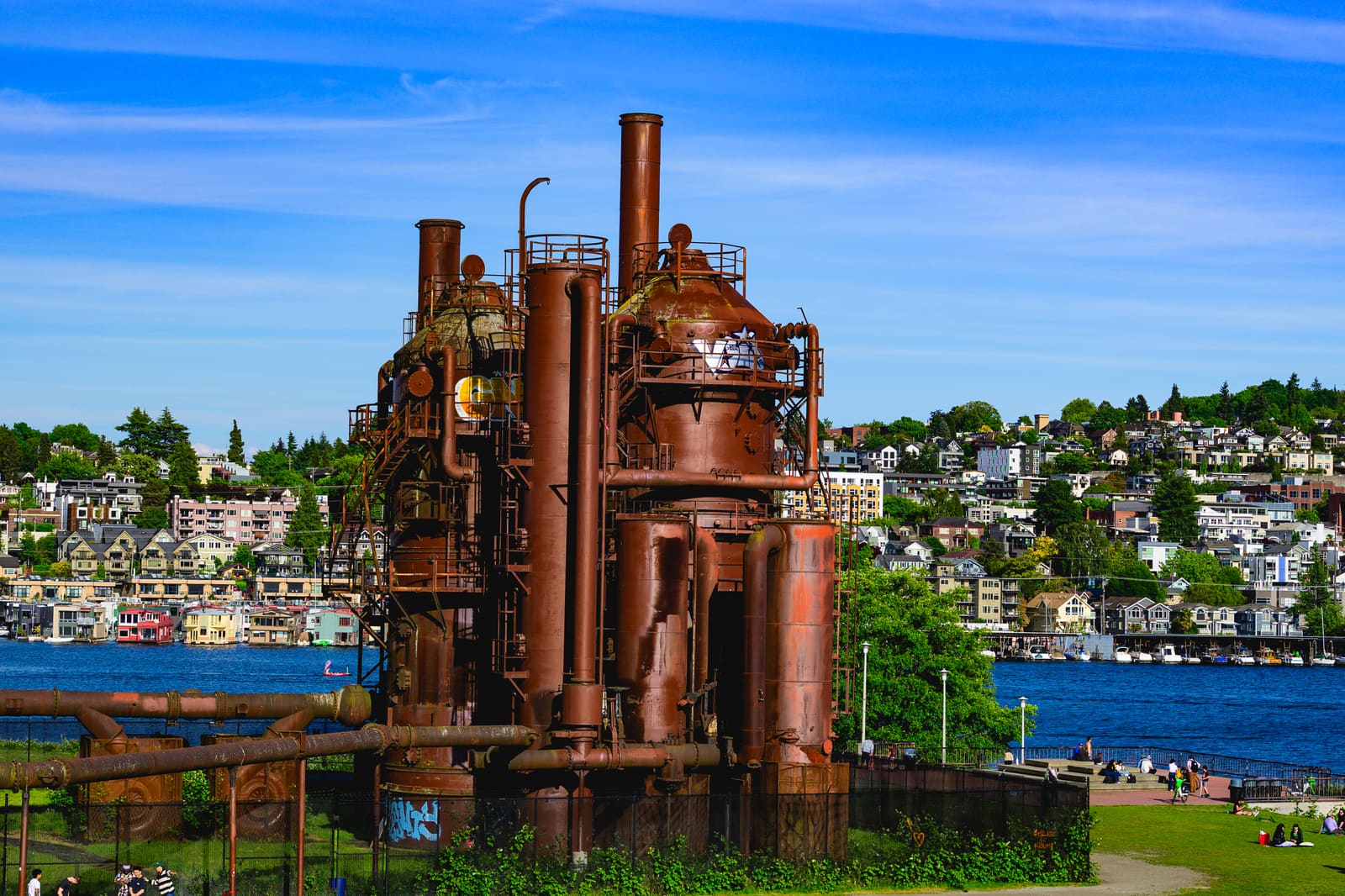
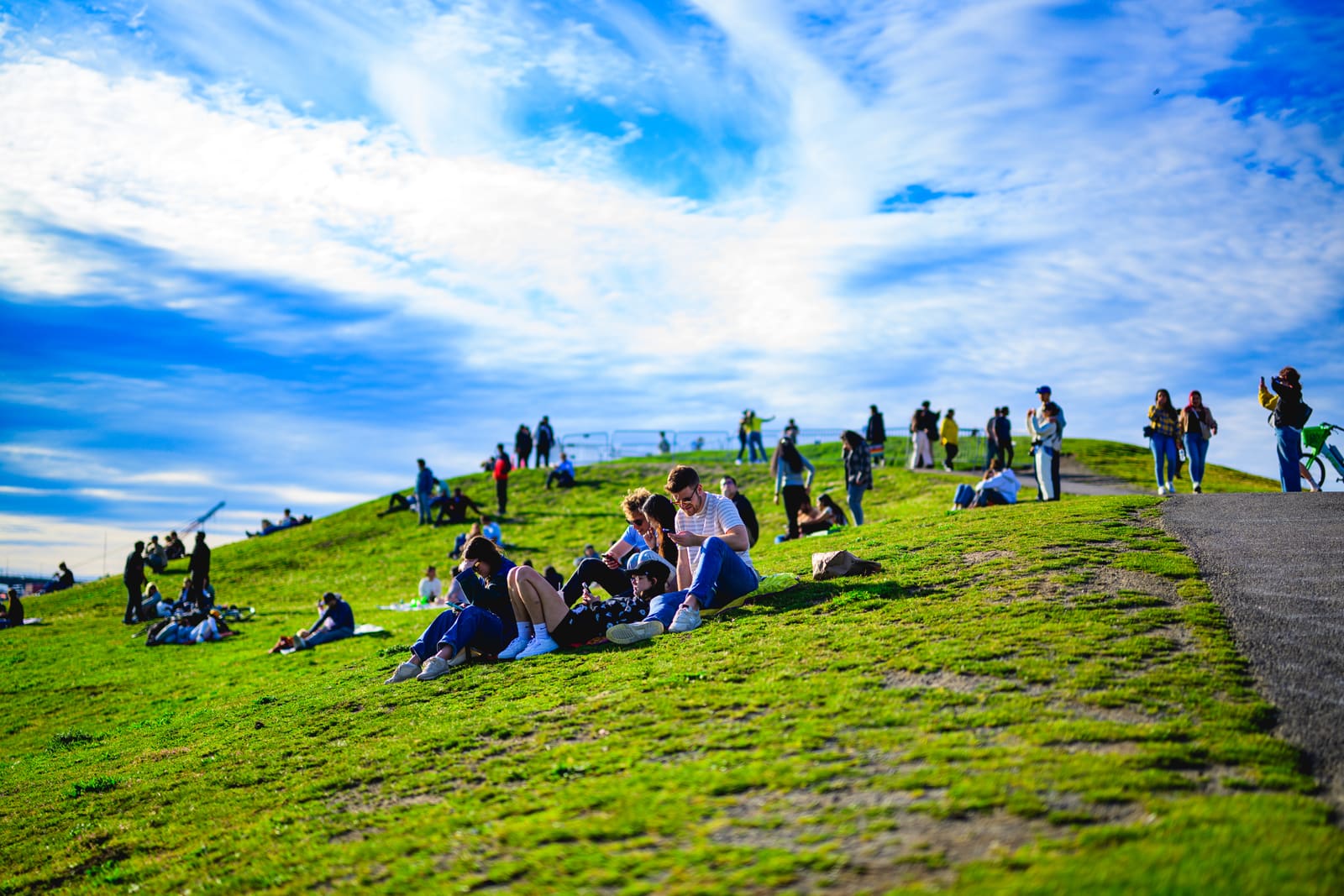
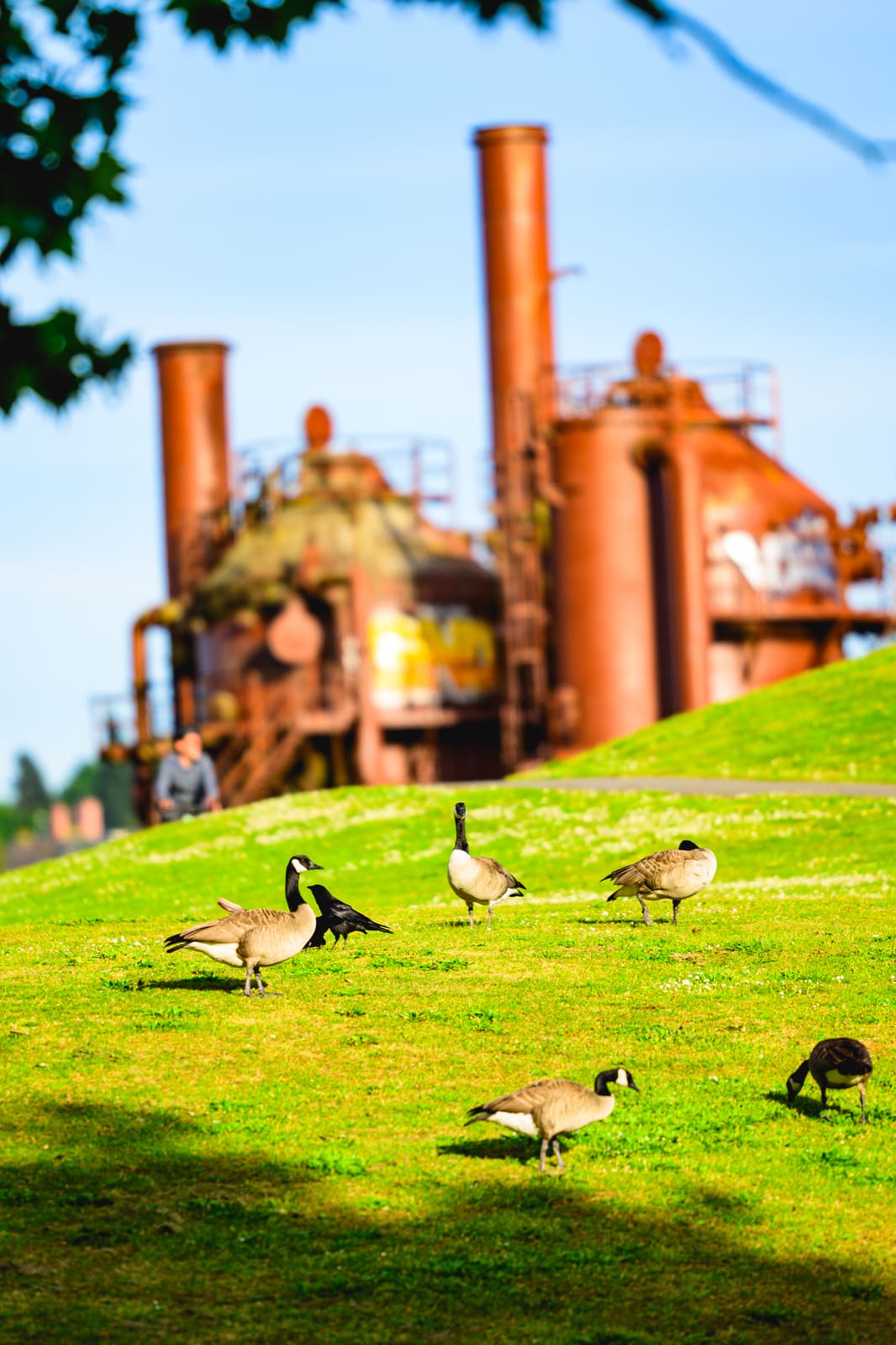
The buildings across the water sit on steep slopes, giving the city a sense of depth. The view also reminded me of the town in Porco Rosso. And once again, everyone seemed to love the grass.
When I looked up the bird in my photo, I learned that it was a Canada goose, identified by its black head and neck, white cheeks, and brown body.
Lake Union
While walking along Lake Union, I happened to catch the Fremont Bridge rising just as a boat passed through.
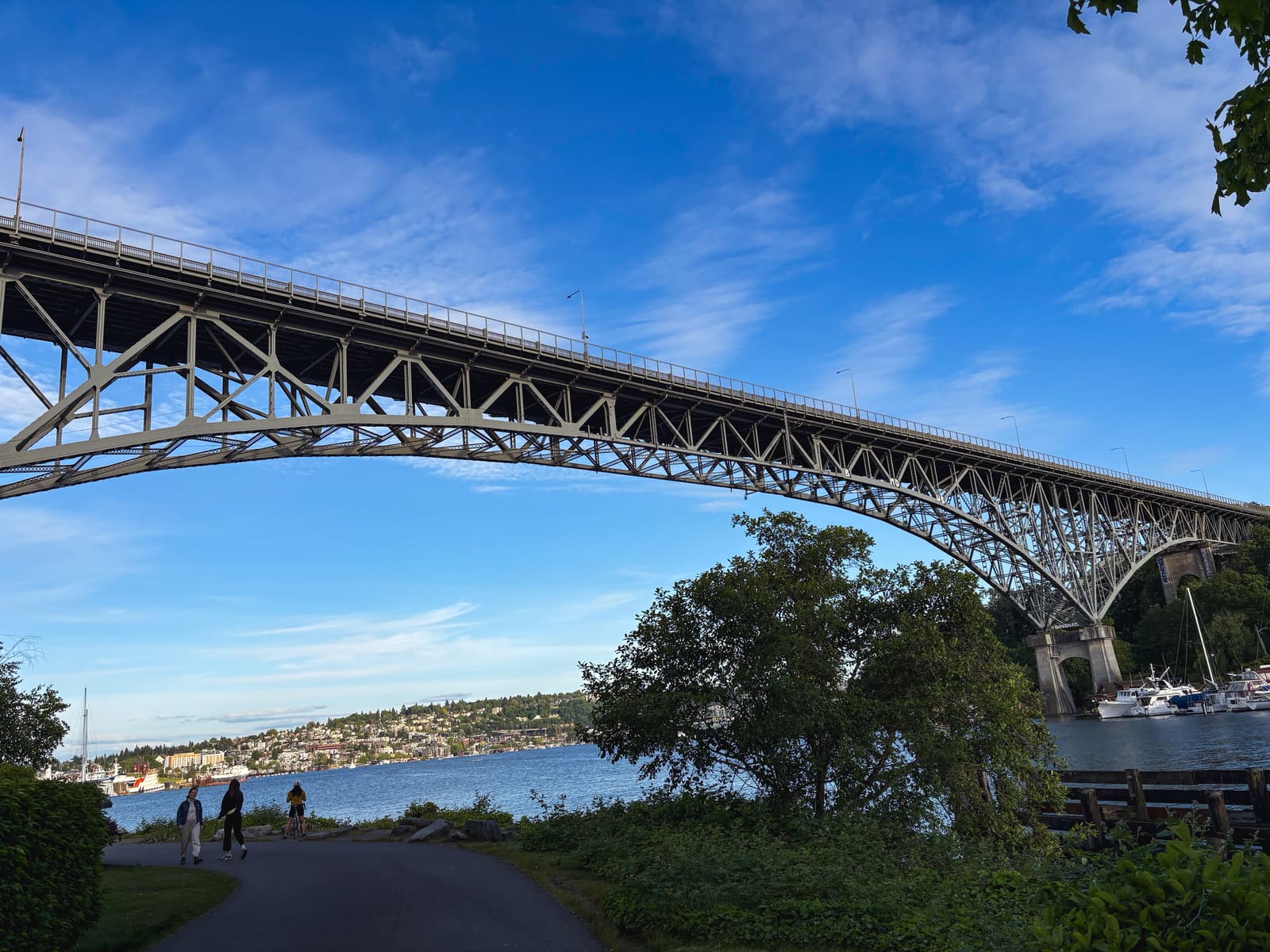
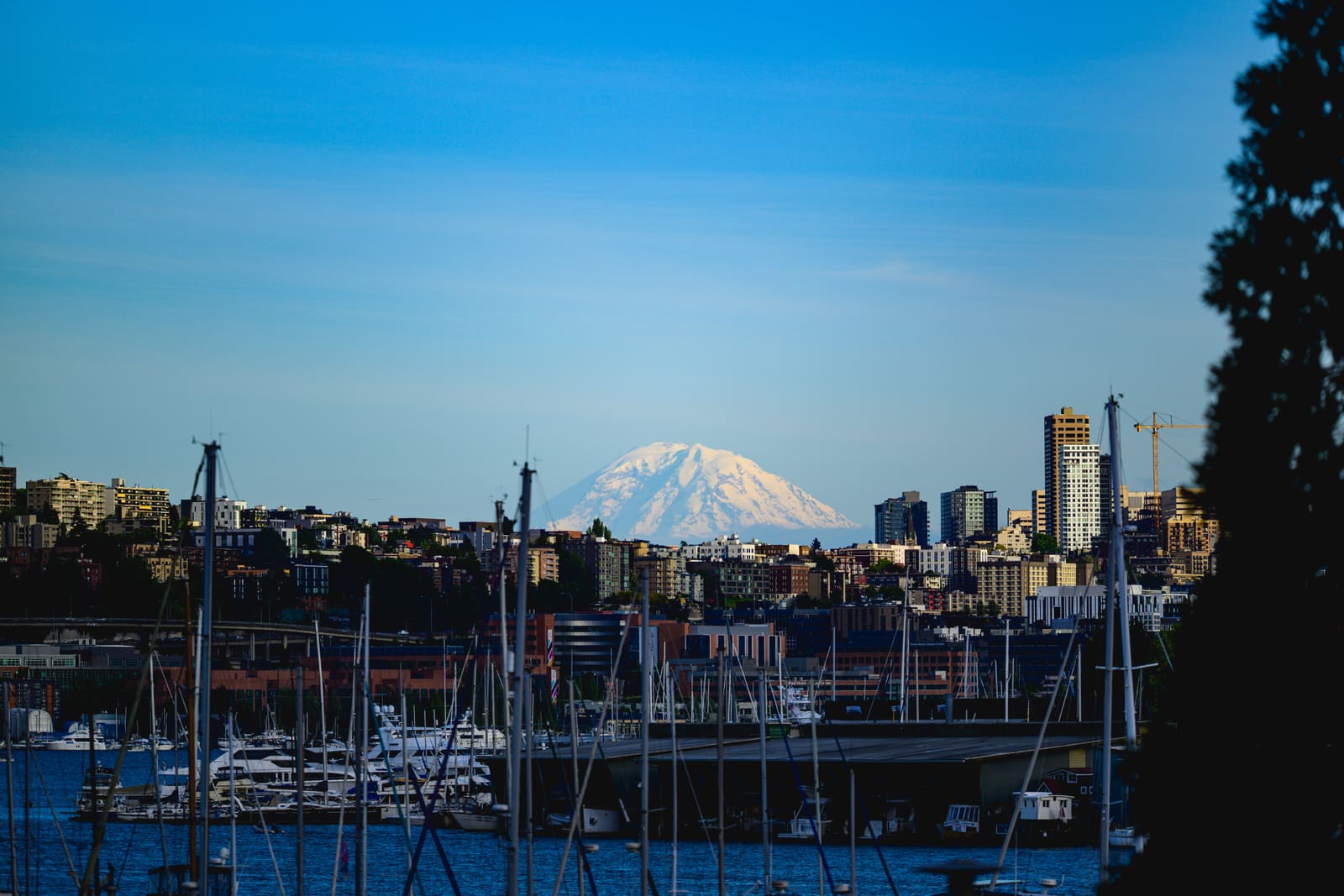
Adobe and Google have offices nearby too. Having the IT industry and life on the water right next to each other feels distinctly Seattle.
Elliott Bay Cruise
I boarded a sightseeing cruise around Elliott Bay with Argosy Cruises Seattle Waterfront.
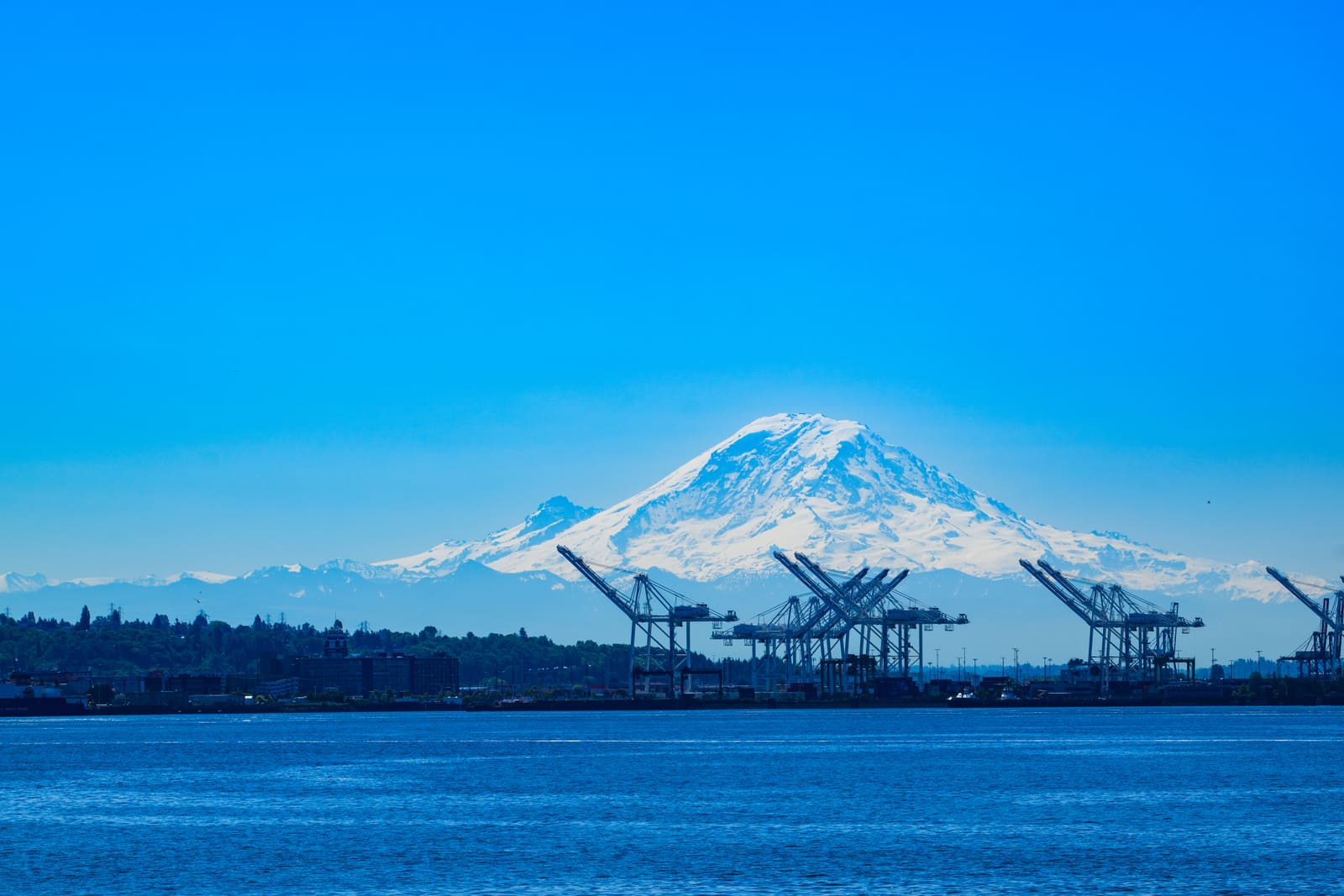
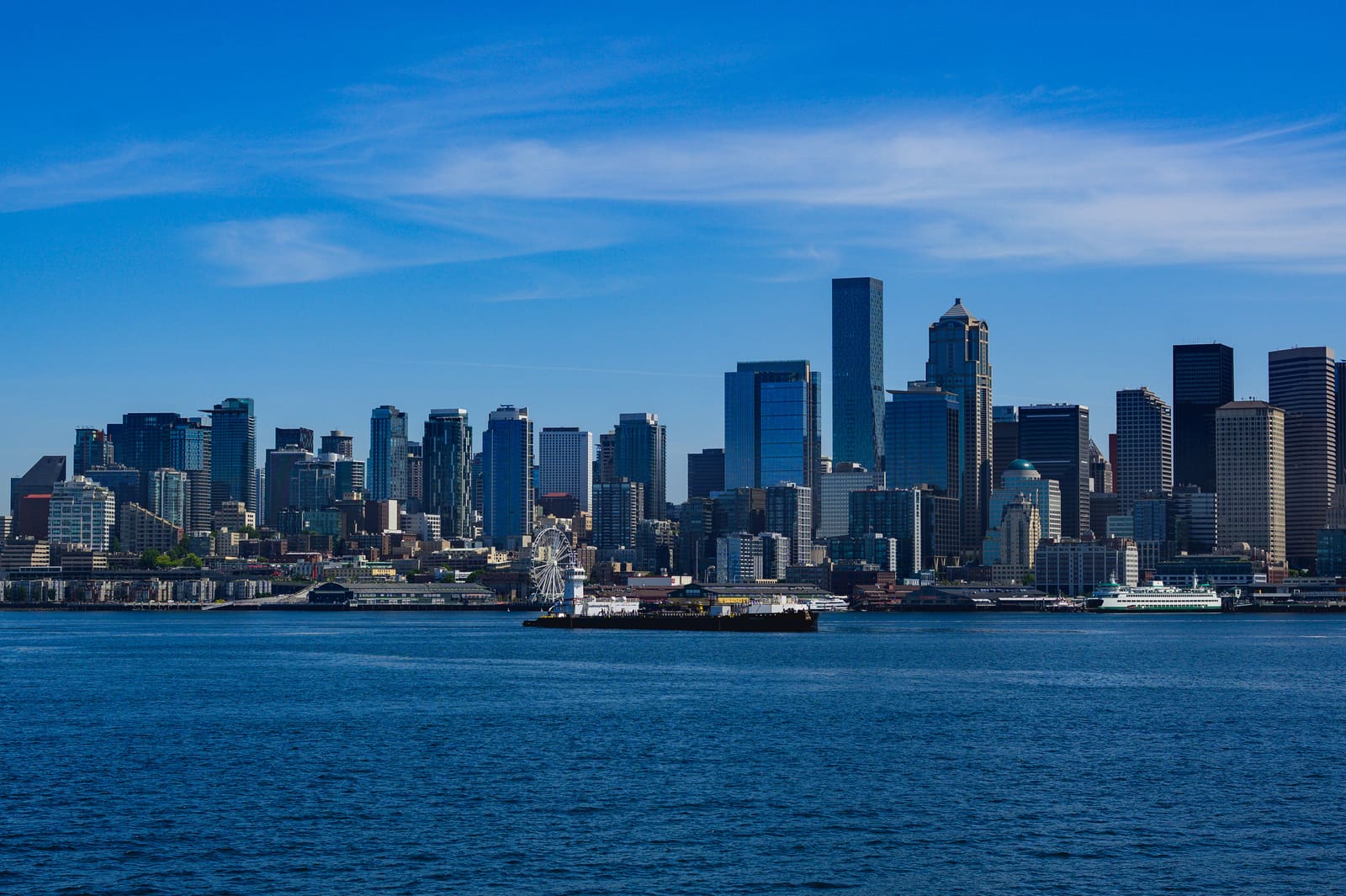
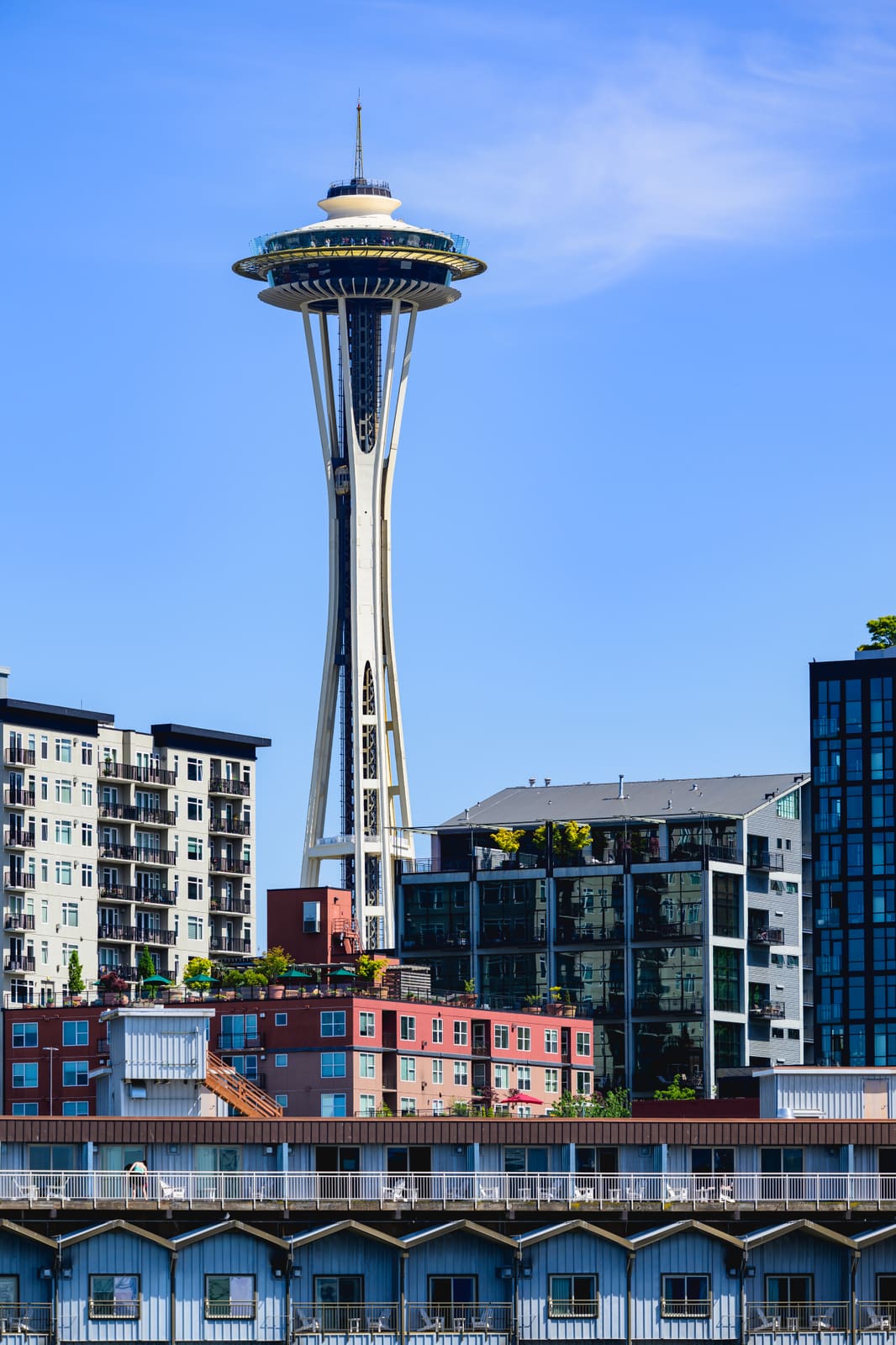
From the bay, Mount Rainier, the Space Needle, the Seattle Great Wheel, and the city’s skyscrapers all come into view at once. The scale feels different from walking through the city, and you can see clearly how Seattle sits between the sea and the mountains.
What I Ate in Seattle
The Crab Pot Seattle
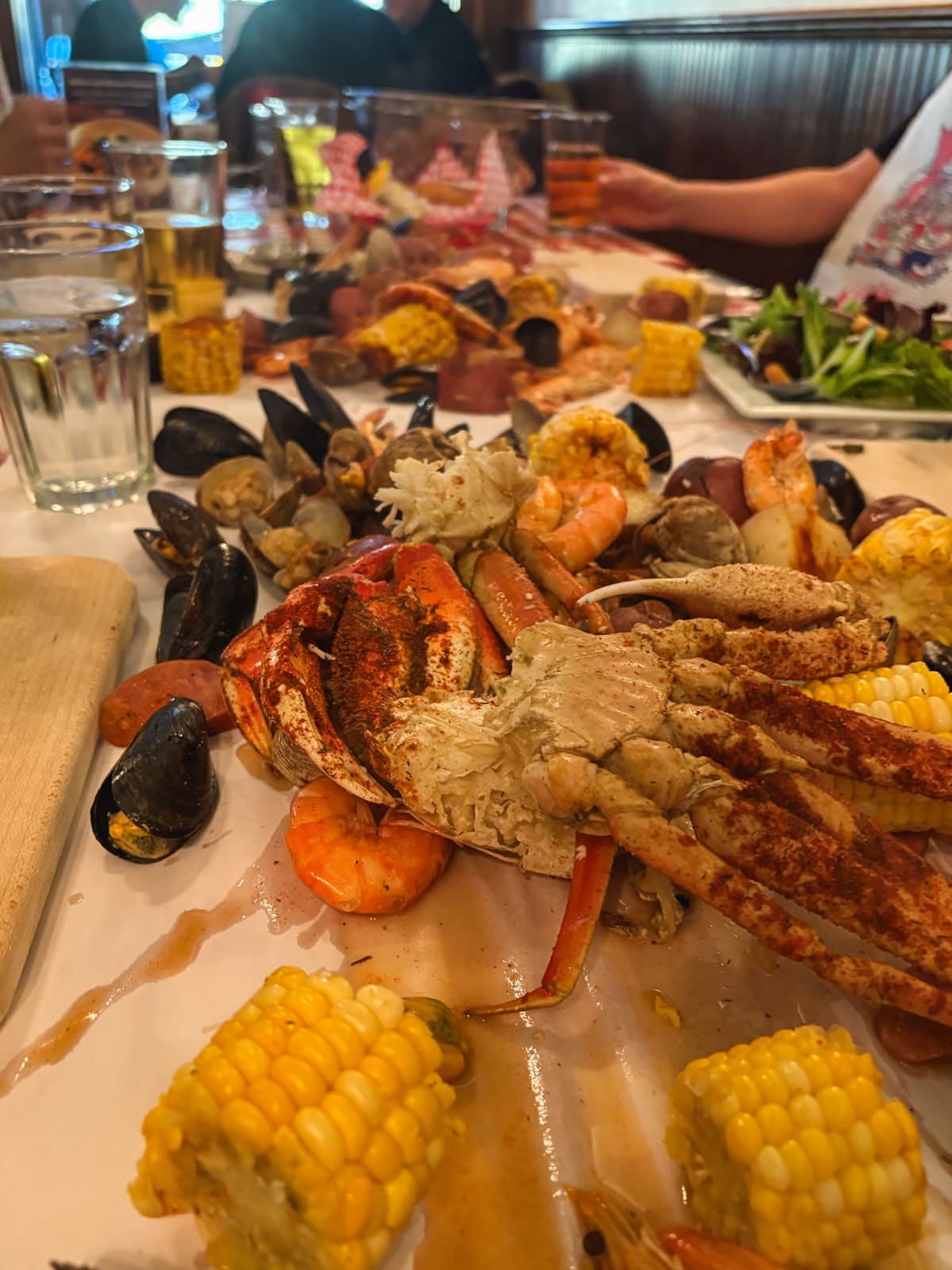
The Crab Pot Seattle is often described as the “bucket crab” restaurant.
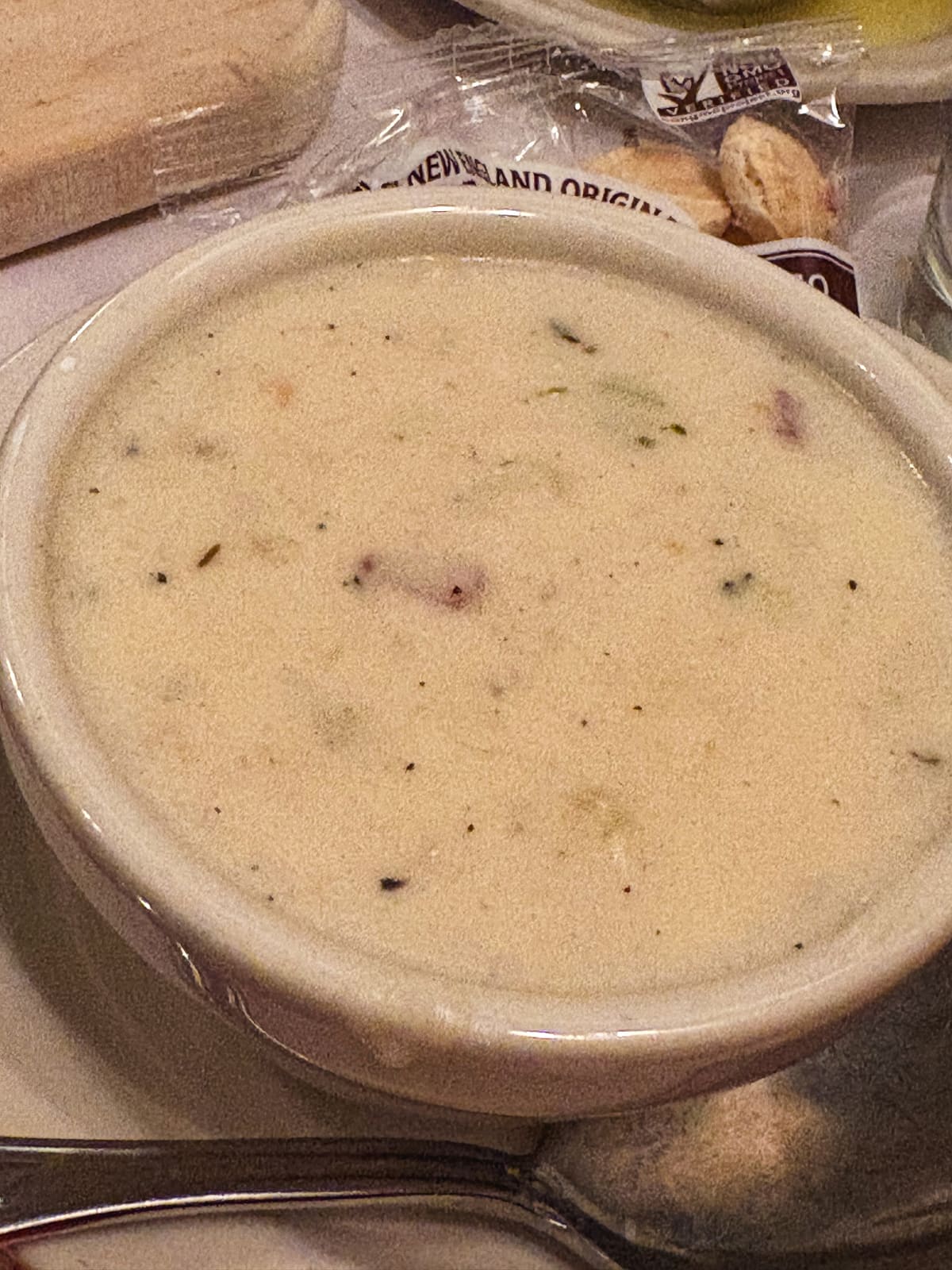
When you order, they dramatically empty a bucket of crab, shrimp, shellfish, corn, and more across the table. Then you crack the shells with a mallet and dig in. The clam chowder was delicious too.
Old Stove Brewing Co — Pike Place
Both the beer and the pizza at Old Stove Brewing Co — Pike Place were fantastic.
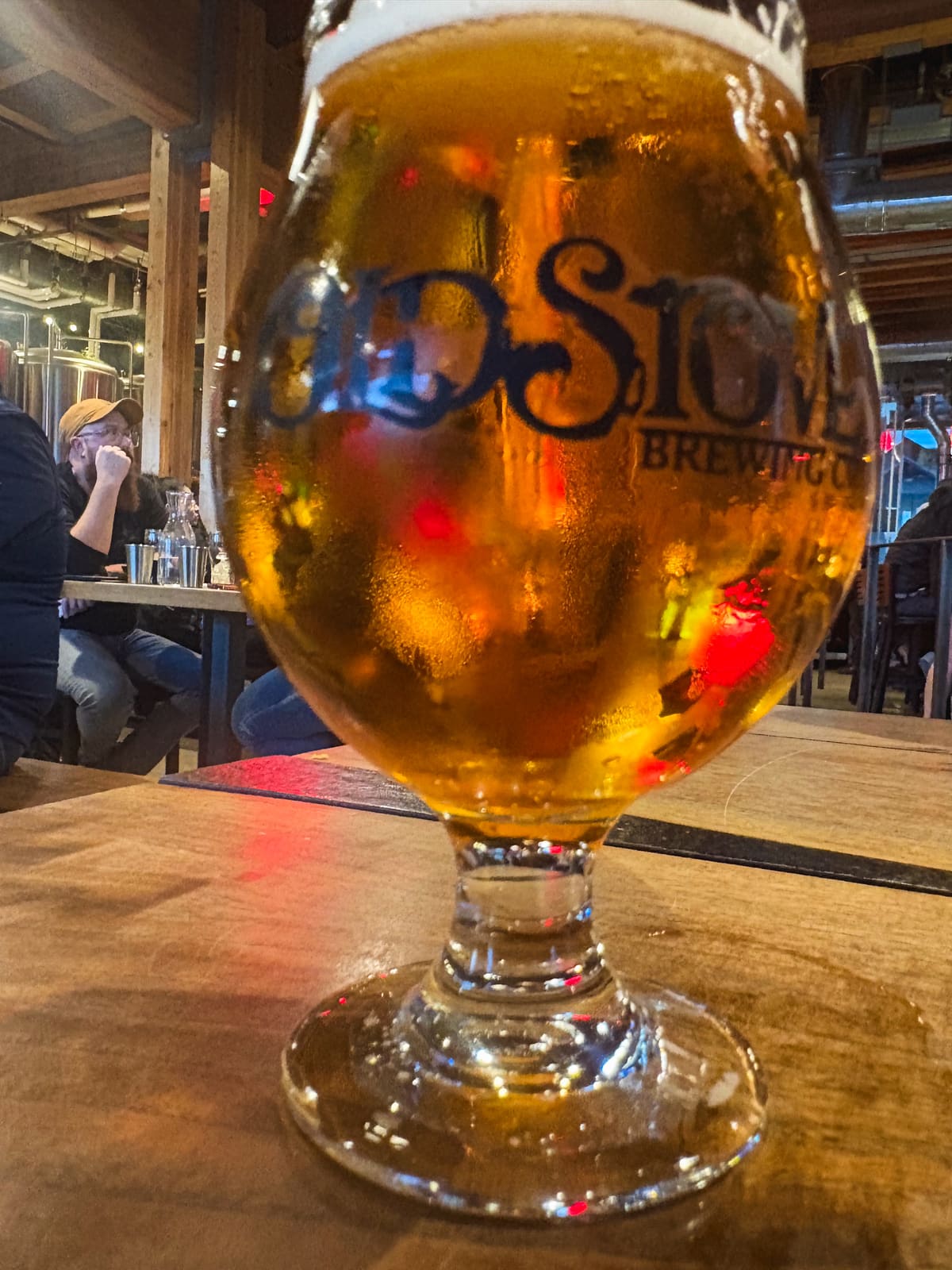
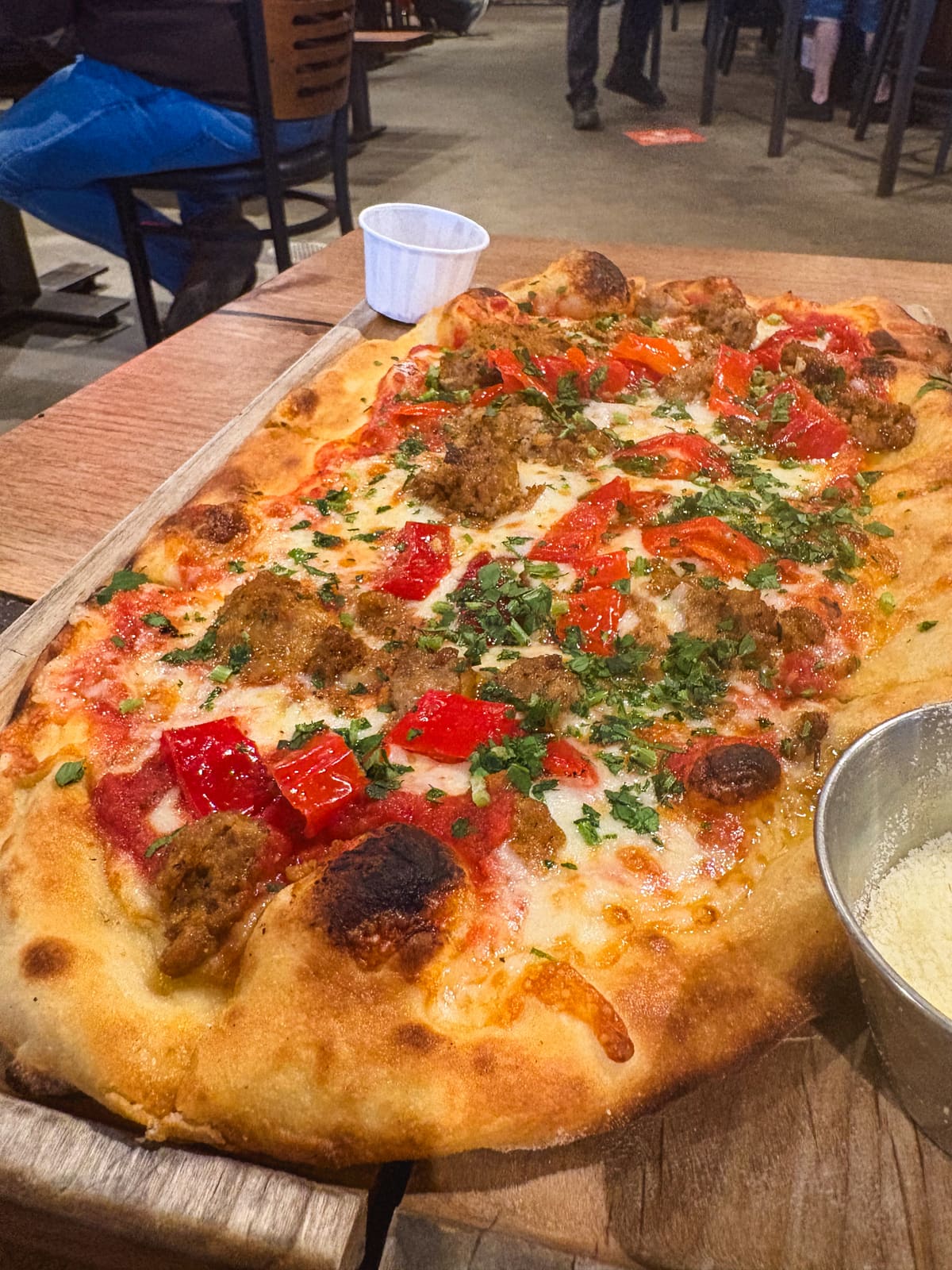
I also wanted to visit Old Stove Brewing Ship Canal, but I ran out of time on this trip.
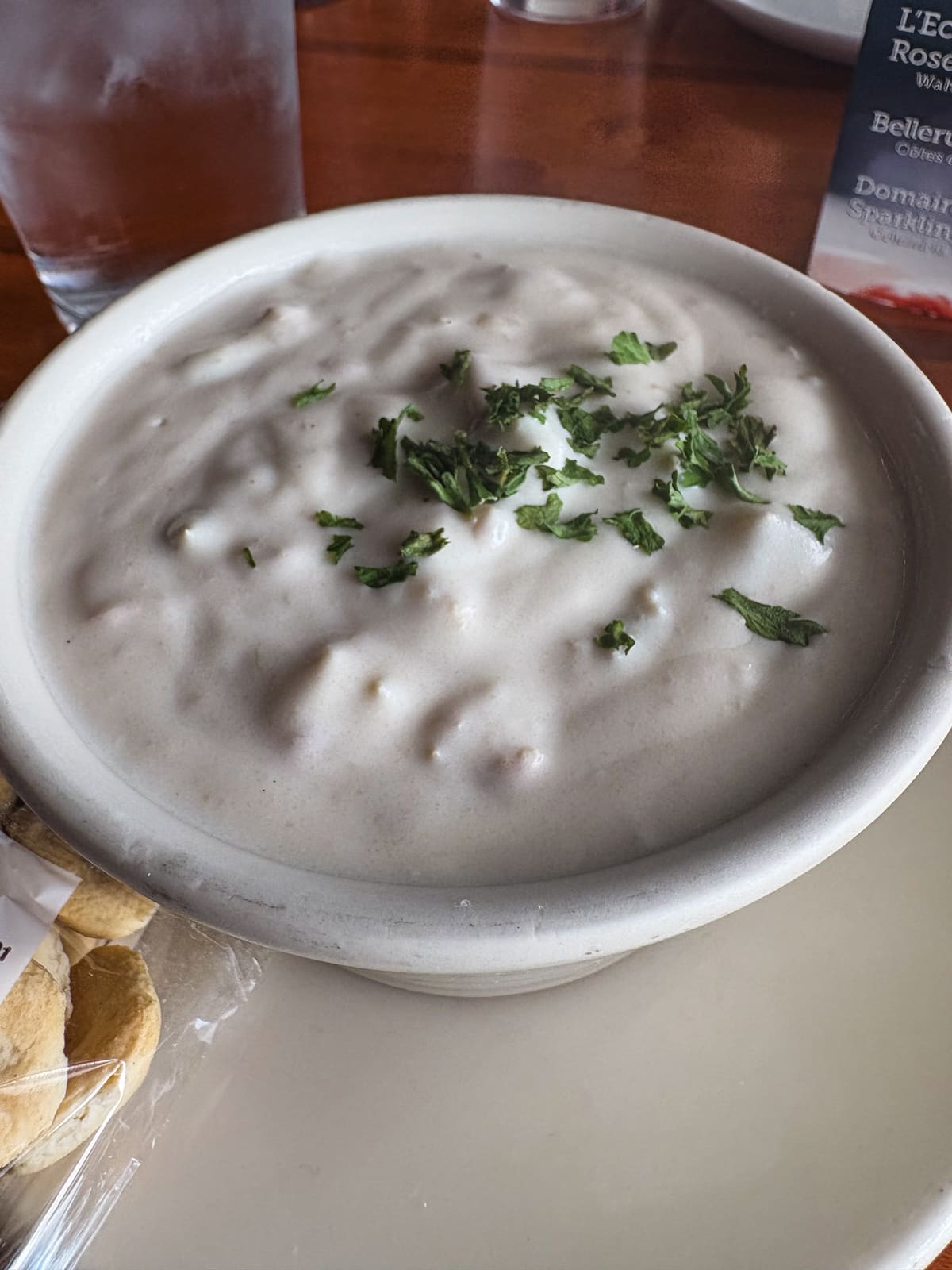
Ivar’s Acres of Clams
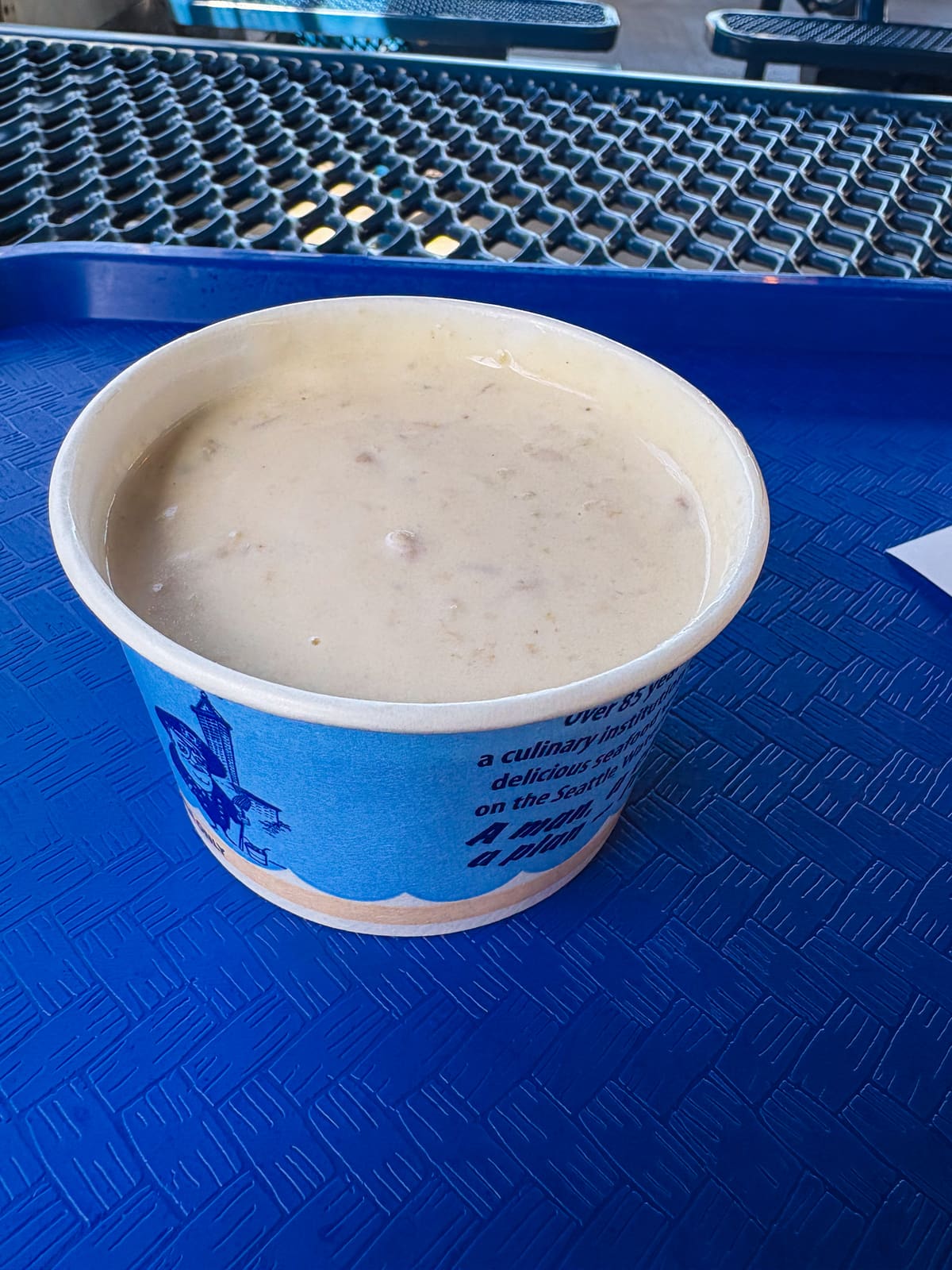
Somehow, eating clam chowder at Ivar’s Acres of Clams has become a ritual whenever I visit Seattle. Of course, I had it again this time.
Yard House
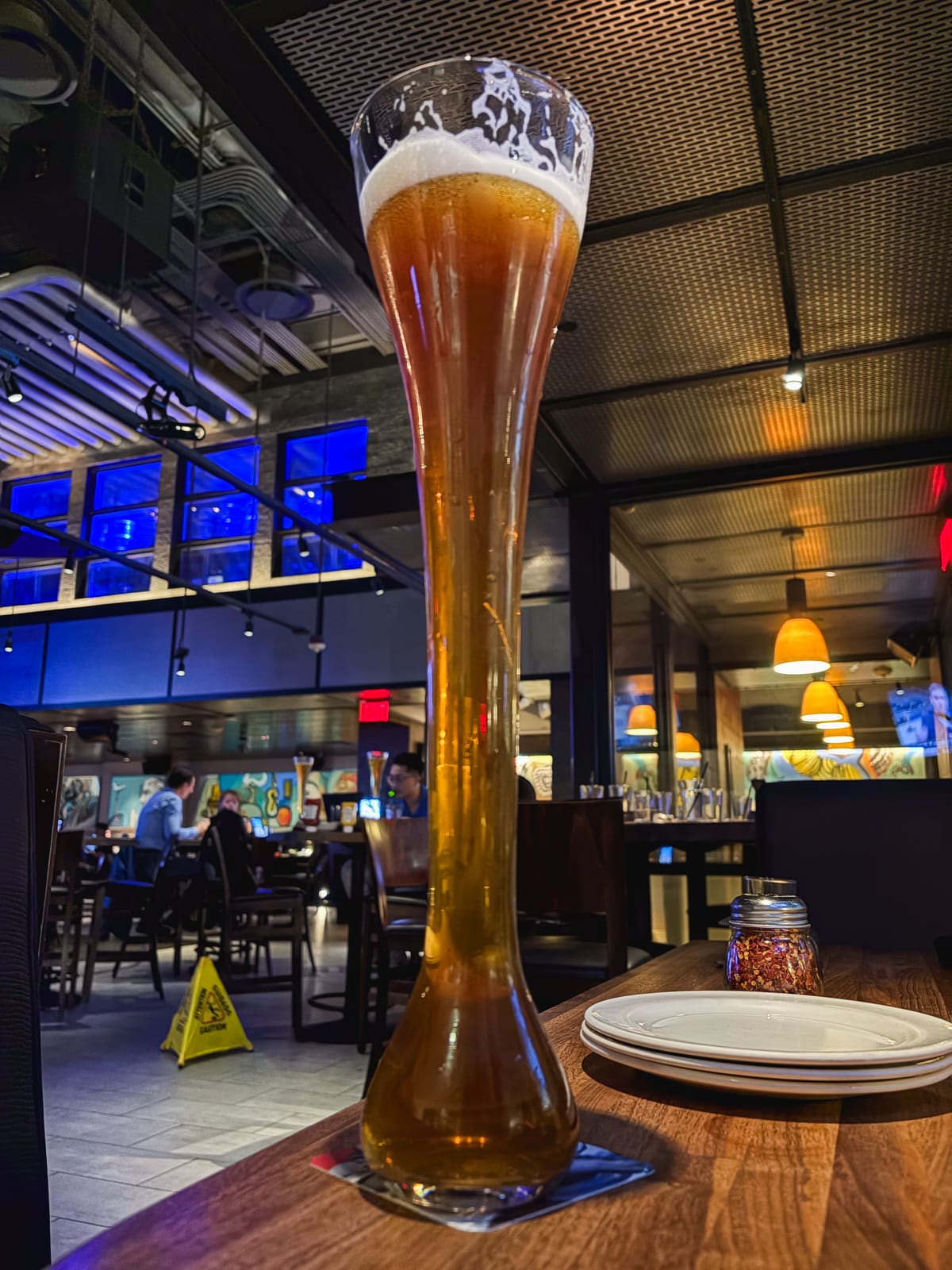
I’d never been to Yard House before, but I ended up going twice during this trip.
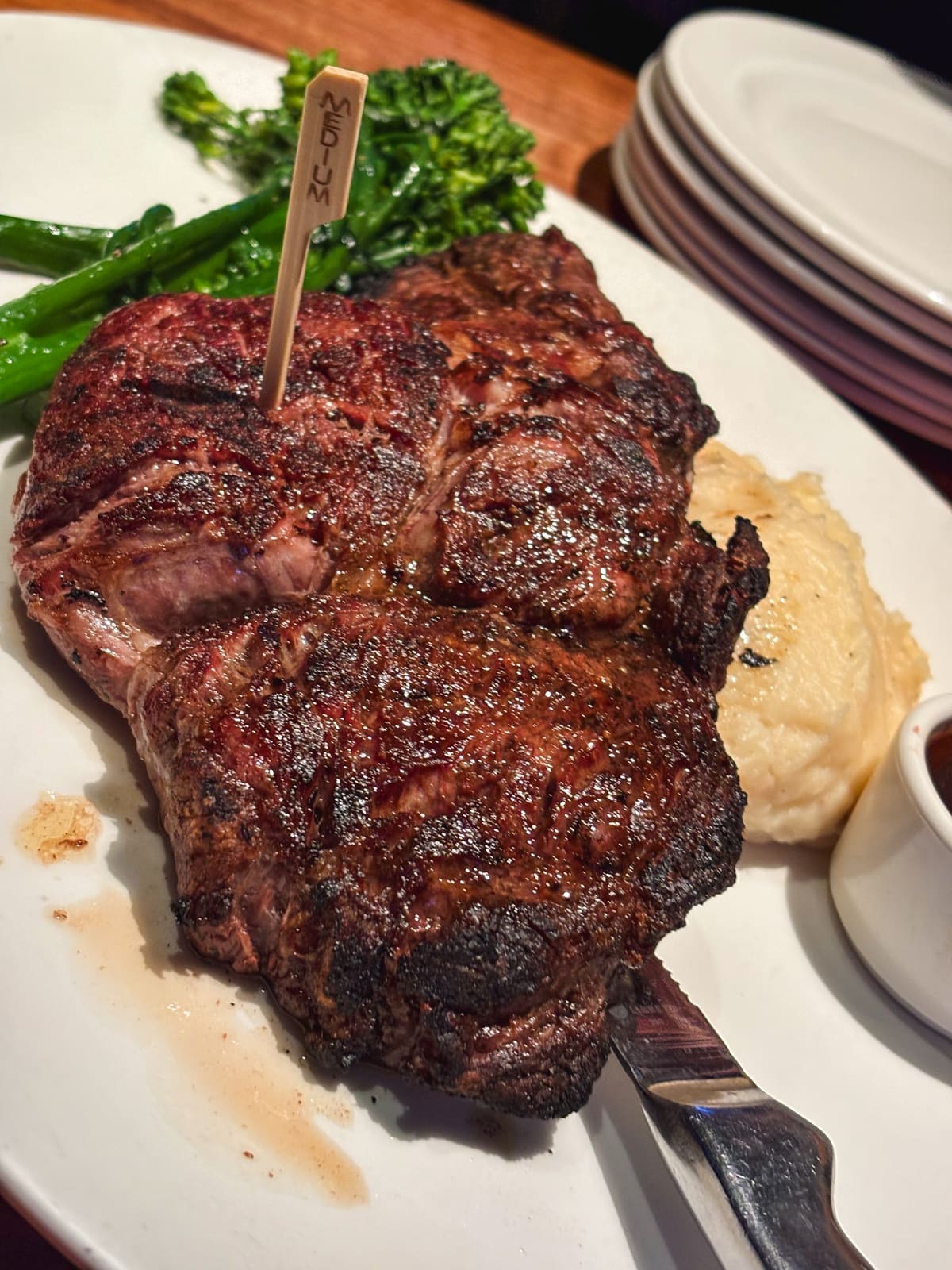
Restaurants serving dinner tend to close early in Seattle. When it got late, we searched for somewhere still open and ordered a huge beer and a huge piece of meat.
Ivar’s Pier 54 Fish Bar
Ivar’s Pier 54 Fish Bar is like a fast-food version of Ivar’s. There were plenty of seagulls nearby.
May 24-25: Returning to Japan
For the trip home, I took the Link light rail back to SeaTac/Airport Station. After eating a salad and a few other things at the airport, I left Seattle.
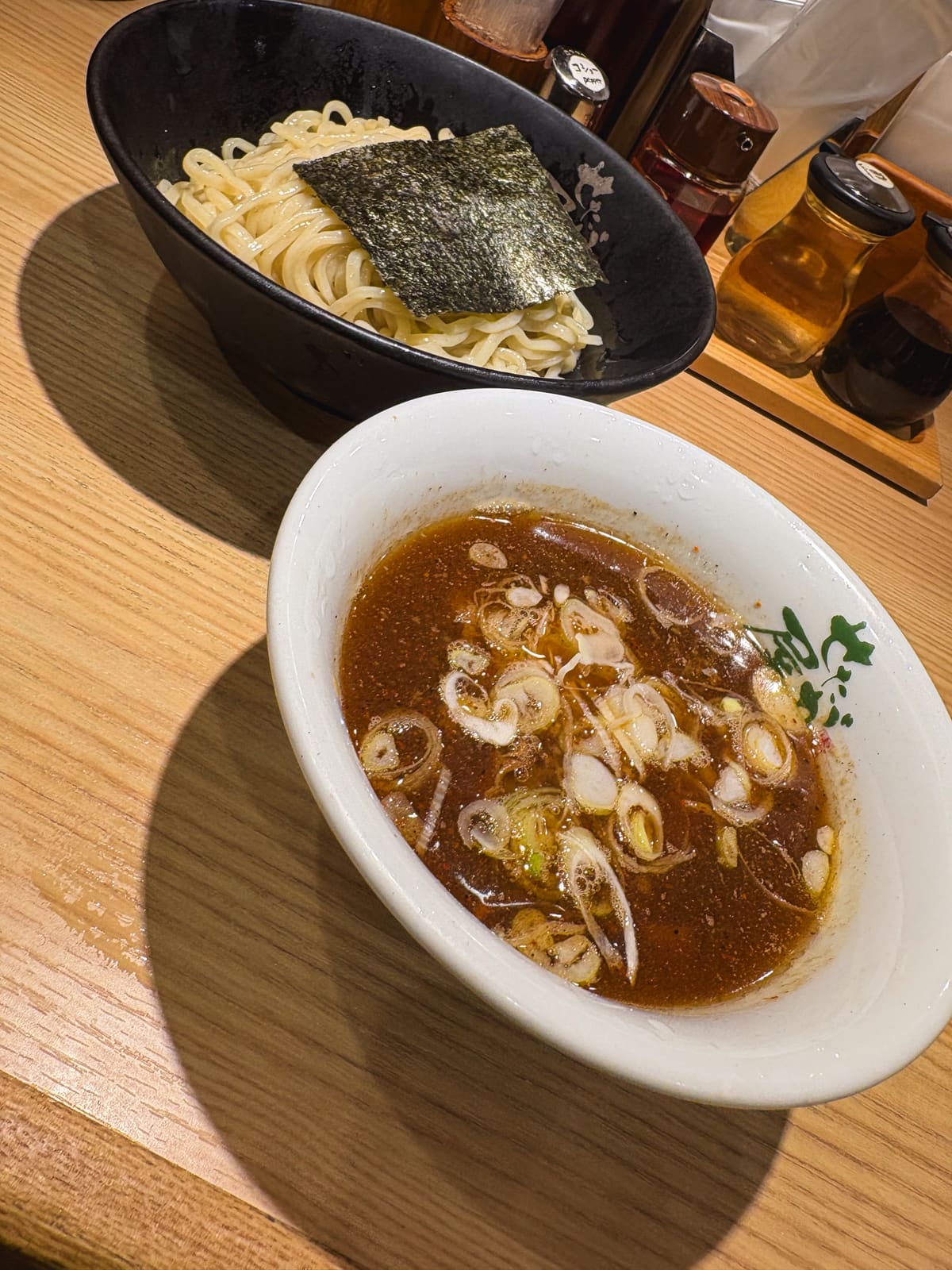
As soon as I reached Haneda, my first stop was Setagaya for tsukemen. There’s something comforting about Japanese noodles right after returning home.
Conclusion
Microsoft Build 2025 centered on announcements aimed at shifting software from something people use to something people and agents build together, with agents connecting to one another. GitHub Copilot coding agent, Azure AI Foundry Agent Service, Multi-agent orchestration in Copilot Studio, Windows AI Foundry, and MCP support all reflected that direction.
The GA release of Azure AI Foundry Agent Service in particular showed that the conversation was moving beyond prototyping agents and into operating them with connectivity, monitoring, evaluation, and governance. Coding agent, Entra Agent ID, and Multi-agent orchestration, on the other hand, were still in Preview at the time. Beyond the excitement of the announcements, it was important to understand how ready each capability was for production.
On the travel side, I got to see the people I’d hoped to see in keynotes and sessions, enjoy the Expo and the party at Lumen Field, and spend the days before and after Build exploring Seattle’s streets, university, aviation museum, breweries, and waterfront.
I’ve visited Seattle several times, but every walk with a camera reveals a new view. Next time, I want to take the Link light rail to Microsoft’s Redmond campus and stop at Old Stove Brewing Ship Canal, which I missed on this trip.